


Allergies in dogs can lead to discomfort, excessive scratching, and even serious health issues, making understanding the potential costs and benefits of allergy testing crucial for pet owners. While many assume such tests are standard, the reality is often more complex, with pricing influenced by various factors.
Navigating dog allergy testing requires not only a financial consideration but also an awareness of your furry friend’s well-being. Knowing how much these tests could cost and what they entail can empower you to make informed decisions that prioritize your dog’s health. Whether your dog shows signs of allergies or you’re simply being proactive, this guide will help unravel the true cost of allergy testing, ensuring your beloved pet can live a happier, more comfortable life. Continue reading to uncover the details that will aid in your journey towards understanding and addressing your dog’s allergy challenges.
How Dog Allergy Tests Work: Understanding the Process
Understanding how dog allergy tests work can be a lifeline for pet owners struggling to identify the triggers of their furry friend’s discomfort. Allergy testing is an essential process that involves evaluating your dog’s immune response to various allergens. Typically, there are two main methods employed: blood tests and skin tests. In a blood test, the veterinarian checks the levels of immunoglobulin E (IgE) antibodies specific to certain allergens, while skin tests involve introducing small amounts of allergens into the skin to monitor for reactions.
To begin the testing process, it is crucial to consult your veterinarian, who will take a detailed history and conduct a physical examination of your dog. Based on this initial assessment, they may recommend one of the two testing methods. Blood tests, like the RAST (radioallergosorbent test), allow for a quick overview of potential allergens without subjecting your dog to multiple injections, making it a favorable option for anxious pets. On the other hand, intradermal skin tests are often considered the “gold standard” and can provide more precise information about your dog’s specific allergies, as they involve injecting allergens just beneath the skin and observing for reactions.
After conducting the tests, the results can help develop an effective treatment plan, which may include avoidance strategies, medications, or immunotherapy. It’s important to understand that while these tests are generally reliable, they should always be interpreted by a veterinarian in conjunction with your dog’s clinical signs and history. As such, having an open dialogue with your vet and asking questions about the process, accuracy, and what the results mean is essential for navigating your dog’s allergy treatment effectively.
By thoroughly understanding how allergy tests function, you empower yourself to make informed decisions about your dog’s health and well-being, alleviating their discomfort and enhancing their quality of life.
Types of Dog Allergy Tests: What You Need to Know
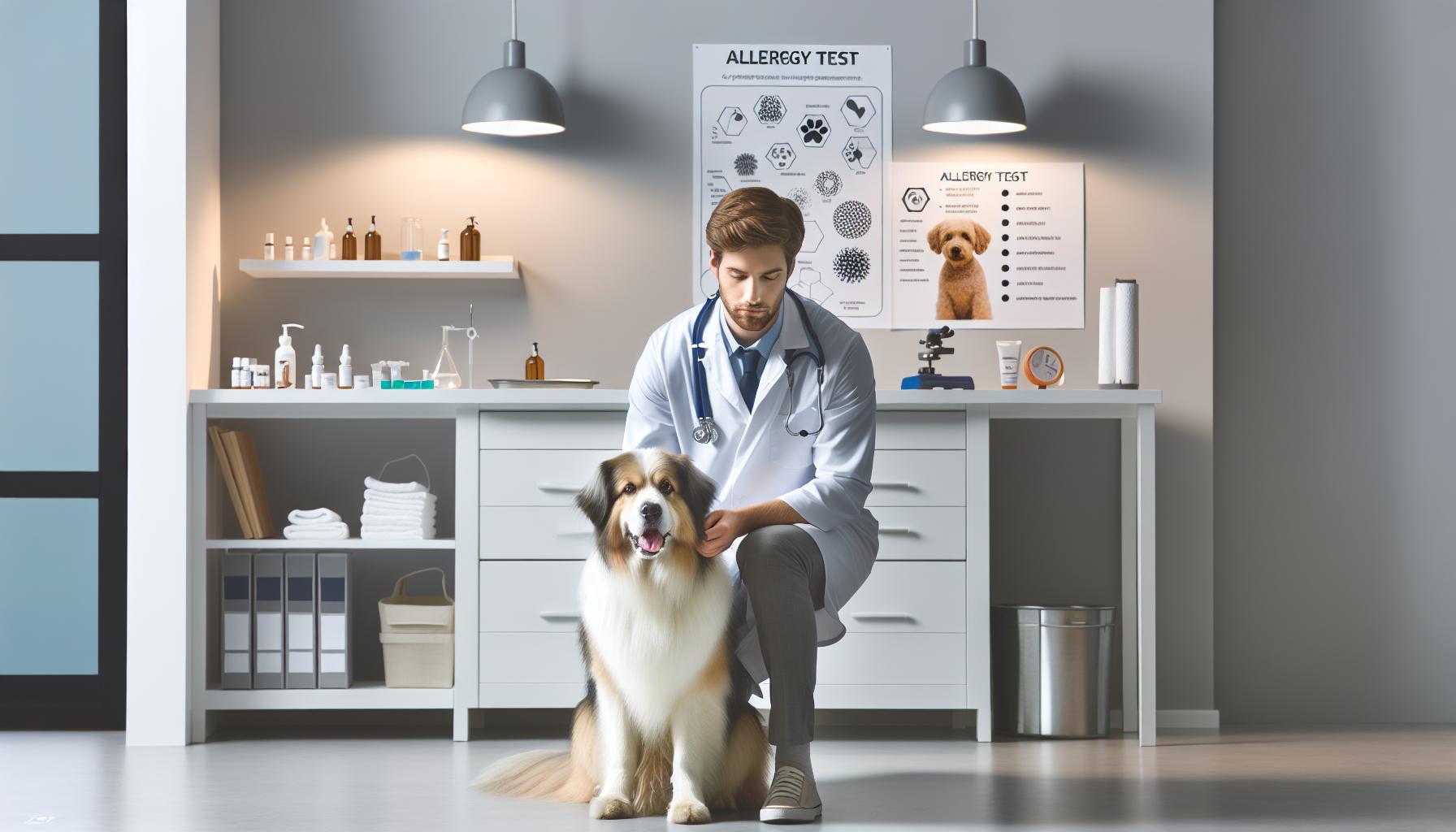
Understanding the intricacies of dog allergy testing is crucial for pet owners who want to comprehensively address their furry friend’s discomfort. Not all allergy tests are created equal; knowing the different types available can empower you to make informed decisions about your dog’s health. Generally, there are two main methods of allergy testing for dogs: blood tests and skin tests. Each method has its own set of benefits and considerations.
Blood Tests
Blood tests, such as the RAST (radioallergosorbent test), measure the levels of immunoglobulin E (IgE) antibodies specific to certain allergens in your dog’s bloodstream. This type of testing is particularly valuable for dogs that may be anxious about needles or would not tolerate the injections required for skin tests. A blood test is relatively quick and can process multiple allergens at once, offering a broad overview of potential triggers. Your veterinarian can discuss the results and help formulate a tailored treatment plan based on your dog’s unique needs.
Skin Tests
Intradermal skin testing is frequently regarded as the “gold standard” in allergy testing. This method involves injecting small amounts of specific allergens just beneath the skin’s surface and monitoring for immediate reactions. It is particularly effective for diagnosing atopic dermatitis and can provide a more precise identification of allergens. While this test may require more preparation and may seem daunting, the information it provides can be incredibly useful for creating an effective long-term management plan.
Both testing methods can lead to insights that drastically improve your dog’s quality of life, shedding light on what might be causing their distress. Consulting with a trusted veterinarian about these options can help ensure that your furry friend receives the most appropriate care tailored to their specific situation. Remember, the journey to relieve your dog’s allergies starts with understanding the testing options available-take the time to explore what best fits your pet’s needs.
What Influences the Cost of Dog Allergy Tests?
The cost of dog allergy testing can vary widely based on several factors that every pet owner should be aware of before making a decision. Understanding these costs can help you prepare financially and avoid unexpected expenses.
A primary influence on the cost is the type of allergy test itself. Blood tests, such as the RAST, might be more affordable upfront but may not provide as comprehensive a picture as intradermal skin tests, which are often considered the “gold standard.” Skin tests may involve additional fees due to the complexity of the procedure and the need for specialized veterinary expertise. Additionally, the geographical location of the veterinary clinic can play a role; testing may be more expensive in urban areas compared to rural ones due to differences in demand and operational costs.
Another critical factor is the number of allergens tested. Some testing panels can handle multiple allergens simultaneously, which might save you money compared to conducting individual tests for each potential trigger. It’s important to ask your veterinarian how many allergens will be included in the testing before proceeding. Additional services, such as veterinary consultations or follow-up appointments to discuss results and potential treatment plans, can also add to the overall cost.
Lastly, pet insurance coverage can significantly impact what you ultimately pay out of pocket. Many insurance plans may help cover allergy tests, but specifics can vary greatly, so verifying your policy details is essential before committing. Educating yourself on these influences can ease the financial burden while ensuring your dog receives the necessary care.
Average Prices: How Much Should You Expect to Pay?
Understanding the financial commitment involved in dog allergy testing can significantly aid pet owners in making informed decisions. At an initial glance, the costs can range widely depending on the type of test pursued, the number of allergens tested, and even the geographic location of the veterinary clinic. Typically, basic blood tests such as the RAST can cost between $200 to $300. However, intradermal skin tests, which are often regarded as more comprehensive, can range from $300 to $500, depending on the complexity of the testing required and the expertise of the veterinarian performing the procedure.
When considering testing, it’s essential to be aware that pricing can vary based on regional differences. For instance, urban practices may charge higher fees due to increased demand and higher operational costs, while rural clinics might offer more competitive pricing. Additionally, the number of allergens being tested can influence costs. Most veterinarians offer panels that can test for multiple allergens at once, often providing a cost-effective option compared to testing for each potential allergen individually.
Furthermore, while it’s important to understand the sticker price of the tests, there may be hidden costs to consider. Follow-up consultations, treatment plans, and potentially even long-term management strategies may not be included in the initial testing fee. Pet owners should inquire about these potential additional costs when discussing allergy testing with their veterinarian to avoid any unexpected expenses.
To further optimize your investment in your dog’s health, it’s advisable to check with your pet insurance provider regarding coverage for allergy tests. Many plans do help cover at least part of the costs associated with diagnosis and treatment. Always confirm the specifics with your insurer to take full advantage of your policy and to prepare adequately for the financial aspects of ensuring your furry friend finds relief from any allergy-related discomfort.
Hidden Costs: What Else to Consider Beyond Testing
While the initial cost of dog allergy testing can seem straightforward, many pet owners overlook the potential hidden costs that accumulate throughout the process. It’s crucial to anticipate these additional expenses to ensure you’re fully prepared to provide your furry friend with the care they need. After the diagnostic testing, the journey often continues with follow-up visits, treatment protocols, and sometimes ongoing management strategies.
One of the primary hidden costs can arise from follow-up consultations. Typically, vets will want to discuss the test results in detail and outline the best course of action. These appointments usually require a separate fee, which can vary from clinic to clinic. If your dog is diagnosed with allergies, treatments might include prescription medications, specialty diets, or even immunotherapy. Each of these treatments comes with its own price tag, potentially increasing your overall expenditure significantly. Additionally, if the allergies are severe, your dog may require frequent check-ups or adjustments to their treatment plan, which can add to the financial burden.
Moreover, consider the costs associated with maintaining a hypoallergenic environment at home. This can include air purifiers, special bedding, or non-allergenic grooming products. These items, while beneficial, can add up, particularly if your dog is sensitive to multiple allergens. Pet owners may also need to factor in the potential for related vet visits if allergies lead to secondary issues, such as skin infections or ear problems, which necessitate further treatment and expense.
Taking proactive steps can help mitigate these unexpected costs. Prior to testing, have a candid discussion with your veterinarian about what to expect beyond the test itself. This includes asking about potential treatment plans and associated costs. Furthermore, review your pet insurance policy thoroughly; some plans may cover a portion of allergy-related expenses, easing the financial strain. By planning ahead and understanding the full scope of potential costs, you can navigate your pet’s health journey with confidence and care.
Insurance and Dog Allergy Tests: What’s Covered?
Many pet owners are unaware that pet insurance can play a crucial role in managing the costs associated with allergy testing for dogs. Understanding what your policy covers can make a significant difference in both your immediate financial responsibility and your long-term planning for your dog’s health needs. In general, most pet insurance plans may cover a portion of the diagnostic tests required to determine allergy triggers. However, coverage levels can vary widely based on the specific policy you hold.
When looking at a typical pet insurance policy, you can anticipate that the following may be included:
- Diagnostic Testing: Allergy tests like blood tests (RAST) or intradermal skin tests are often covered. It’s essential to check if your insurance covers specific tests since some policies have restrictions.
- Treatment Plans: If your dog requires treatment following an allergy diagnosis, such as medications, specialized diets, or immunotherapy, many policies will cover these expenses, but you may have to meet your deductible first.
- Veterinary Consultations: Follow-up visits to discuss test results and treatment plans are typically covered as part of the wellness or illness coverage, depending on your plan.
It’s critical to communicate with your insurance provider to clarify what’s included in your plan. For instance, someone may find that their policy covers allergy testing, but only if the tests are conducted by an in-network veterinarian. Additionally, some insurance plans have waiting periods for specific conditions, including allergies, so it’s wise to enroll early.
Consider real-world examples: a pet owner with a comprehensive plan might only pay a deductible and a co-pay for an allergy test that costs several hundred dollars, significantly reducing their out-of-pocket expenses. Conversely, a pet owner who chose a more budget-friendly plan might end up covering the full cost of testing, making it vital to evaluate your options carefully.
Ultimately, investing time to understand the nuances of your pet insurance can alleviate some financial stress when navigating allergy issues for your furry friend. Always keep your policy details handy and discuss them with your veterinarian to ensure you make the most informed decisions for your dog’s health and well-being.
DIY Allergy Testing for Dogs: Pros and Cons
Many dog owners are seeking alternatives to traditional veterinary allergy testing, often due to cost, convenience, or a desire for a more hands-on approach. DIY dog allergy testing kits have emerged as an option, allowing pet parents to collect samples at home. While these kits can offer insights into possible allergens, they come with both advantages and drawbacks that must be carefully weighed.
One significant advantage of DIY allergy testing is the cost-saving aspect. Traditional tests conducted by veterinarians can be quite expensive, often ranging from several hundred to over a thousand dollars, depending on the complexity and the number of allergens tested. In contrast, at-home kits may be available for a fraction of that price, typically ranging from $50 to $150. These kits often provide results through a straightforward process, allowing pet owners to identify potential allergens without needing a vet visit. Additionally, for those who live in remote areas or have busy schedules, the convenience of home testing can be a substantial benefit.
However, it’s essential to consider the limitations of DIY allergy tests. They may not be as comprehensive or accurate as those conducted by professionals. Many at-home tests rely on a limited selection of allergens, which may not cover the specific environmental factors affecting your dog. Furthermore, results from these tests can sometimes be misleading, leading to unnecessary dietary changes or treatments without a proper veterinary diagnosis. For instance, a false positive result might cause a dog owner to eliminate a crucial part of their dog’s diet, potentially leading to nutritional deficiencies.
In conclusion, while DIY allergy testing can provide an accessible entry point for understanding your dog’s allergies, it’s best utilized as a preliminary step rather than a definitive solution. Should your dog’s symptoms persist or worsen, consulting with a veterinarian for thorough diagnostic testing and tailored treatment plans remains vital. By blending DIY approaches with professional guidance, you can create a comprehensive health strategy for your dog, ensuring their comfort and well-being.
How Accurate Are Dog Allergy Tests? Understanding Limitations
Determining the accuracy of dog allergy tests is crucial for pet owners navigating the often perplexing landscape of canine allergies. While these tests can provide valuable insights, it’s essential to understand their limitations to avoid running into misdiagnoses or unnecessary treatment changes. One of the primary concerns is that not all tests are created equal. For instance, some at-home kits may offer results based on a limited number of allergens, potentially overlooking specific triggers that could be affecting your dog.
Many professional tests, including intradermal and serum IgE tests, are considered more reliable because they assess a broader array of allergens and provide a more in-depth analysis of your pet’s allergic responses. However, even these sophisticated tests can yield false positives or false negatives. A false positive might suggest a food or environmental allergen that does not actually affect your dog, leading owners to unnecessarily eliminate crucial dietary components. Conversely, a false negative can leave underlying issues untreated, resulting in ongoing discomfort for your pet.
To enhance accuracy, here are some actionable steps dog owners can take:
- Consult a Veterinarian: Always consult a professional to get an accurate diagnosis before making changes based on test results.
- Understand Your Test Type: Familiarize yourself with the differences between at-home tests and veterinary examinations to make informed choices.
- Monitor Symptoms: Keep a detailed record of your dog’s reactions to various foods or environments. This history can provide context when discussing results with a vet.
By taking these steps, you can improve the likelihood of obtaining reliable results and ensuring your dog receives the appropriate treatment. Ultimately, while allergy tests are valuable tools in managing your pet’s health, they should be part of a comprehensive approach that includes veterinary guidance and careful observation of your dog’s behavior and well-being.
Recognizing Symptoms: Does Your Dog Need an Allergy Test?
It can be distressing to watch your furry friend scratch and bite at their skin or suffer from constant sneezing. But how do you know if these symptoms warrant a trip to the vet for allergy testing? Recognizing the signs of allergies in dogs is crucial for providing timely relief and preventing further discomfort. Common indicators include persistent itching, hotspots, ear infections, gastrointestinal issues, and unusual paw licking. Moreover, if your dog exhibits any signs of allergies consistently after exposure to certain environmental factors or food, this could be a signal that allergy testing is necessary.
To determine whether your dog needs an allergy test, pay close attention to the timing and variety of symptoms they exhibit. For example, if your dog’s scratching intensifies during spring or summer, it could indicate seasonal allergies. Similarly, if you’ve introduced a new food to their diet and noticed gastrointestinal upset or skin issues shortly after, testing for food allergies might be advisable. Keeping a journal of your dog’s symptoms and behaviors can provide valuable insight when discussing potential testing options with your veterinarian.
What to Watch For
Begin by identifying these common symptoms in your dog that may suggest allergies:
- Itching and Scratching: Look for excessive scratching, biting, or licking, particularly on the paws, belly, or ears.
- Red or Inflamed Skin: Notice any areas of redness or inflammation on the skin; these can be signs of allergic reactions.
- Ear Infections: Frequent ear infections may indicate environmental allergies.
- Vomiting or Diarrhea: Changes in gastrointestinal health can often be linked to food allergies.
- Respiratory Issues: Coughing, sneezing, or watery eyes can indicate respiratory allergies.
If you notice these symptoms persisting for more than a few days or worsening without improvement, it is time to seek veterinary advice. Your veterinarian may initially perform a physical examination and ask detailed questions about your dog’s history and environment before recommending allergy testing. Taking these early steps can significantly improve your dog’s quality of life and help eliminate multiple potential allergens from their surroundings or diet.
Alternatives to Allergy Testing: Exploring Other Options
Many pet owners grapple with the challenges of managing their dog’s allergies, and while allergy testing can provide clarity, it isn’t the only avenue to seek relief and understanding. Exploring alternatives can not only save on costs but also contribute to a holistic approach to your dog’s health and well-being.
One effective method is to consider elimination diets. By systematically removing potential allergens from your dog’s diet and later reintroducing them one at a time, you can identify food sensitivities and allergies. This process can take several weeks but is a cost-effective strategy that often reveals clear triggers for your dog’s symptoms. For example, if your dog shows improvement on a strictly controlled diet without common allergens like chicken or beef, these foods may be the culprits.
Another alternative is to implement environmental adjustments. Frequently, allergens exist in the dog’s surroundings, including dust mites, mold, pollen, and various household chemicals. Keeping a clean living space, using air purifiers, and regularly washing your dog’s bedding can significantly reduce allergen exposure. Furthermore, consider natural remedies, such as adding omega-3 fatty acids to your dog’s diet, which can help enhance skin quality and reduce inflammation, potentially alleviating some allergic reactions.
It’s also important to consult with your veterinarian about the potential of anti-allergy medications or supplements that can support your dog’s immune health. Options such as antihistamines or corticosteroids may provide immediate relief from symptoms without the need for extensive testing. Engaging in routine check-ups will help monitor your dog’s health and refine your approach as their needs evolve.
Incorporating these strategies might provide a comprehensive solution to managing your dog’s allergies while considering both health and cost-effectiveness. Tailoring your approach based on observations and trial could lead you to solutions that not only alleviate symptoms but also enhance your dog’s quality of life.
Preparing Your Dog for an Allergy Test: Step-by-Step Guide
Preparing for an allergy test can be a pivotal moment for you and your furry friend, transforming the way you manage their health and comfort. It’s essential to approach this step with clarity and confidence. By preparing properly, you can mitigate anxiety for both you and your dog, ensuring the process runs smoothly and effectively.
Start by scheduling a consultation with your veterinarian. This conversation is crucial as it allows you to discuss your dog’s symptoms in detail and provides the vet an opportunity to decide which type of allergy test is appropriate. Your vet may suggest either a skin test or a blood test based on your dog’s health history and current condition. Keep a detailed diary of your dog’s symptoms, noting when they occur and any potential triggers you observe. This record will be invaluable in helping your veterinarian make an informed decision.
As the test day approaches, consider the following practical steps to ensure your dog is ready:
- Fast Your Dog: Depending on the testing method, your vet may recommend fasting your dog for a period before the test. Follow your veterinarian’s instructions regarding meals and feeding times to ensure accurate results.
- Limit Exposure to Allergens: In the days leading up to the test, limit your dog’s exposure to potential allergens. This can include keeping them indoors during high pollen days or away from known irritants to the best of your ability.
- Prepare for Travel: Make sure your dog is comfortable during transportation to the veterinary clinic. Bring along their favorite blanket or toy to help them feel secure.
- Discuss Medications: Review with your vet any medications your dog is currently taking, including antihistamines, as these can affect the test outcome. Your vet might advise you to temporarily suspend these medications.
On the day of the test, arrive on time and maintain a calm demeanor; dogs often pick up on their owner’s nerves. Remember, this process is a step towards understanding your pet’s allergies and ensuring they live a more comfortable life. After the test, your vet will review the results with you and discuss potential management plans based on your dog’s specific allergens, empowering you to take informed steps toward greater health and happiness for your beloved companion.
What to Do After Your Dog’s Allergy Test Results
After receiving your dog’s allergy test results, understanding the implications can be both enlightening and overwhelming. These results are key to developing an effective management strategy for your dog’s allergies and improving their quality of life. The first step is to carefully review the findings with your veterinarian. This discussion will help you understand which specific allergens are causing issues for your furry friend and what the recommended treatment options are moving forward.
It’s important to ask your veterinarian questions if anything is unclear. For instance, you may want to know:
- What specific allergens were identified? Understanding whether your dog’s allergies are environmental, food-based, or a combination of both can help tailor your management plan.
- What treatment options are available? Depending on the severity and type of allergies, your veterinarian may recommend medications, dietary changes, or immunotherapy.
- How can I manage symptoms at home? This may include alterations to your dog’s diet, preventive measures against allergens, or at-home care techniques to soothe reactions.
After discussing the results, creating an action plan is crucial. This may involve lifestyle adjustments, such as using hypoallergenic foods or bathing your dog more frequently to remove allergens from their coat. If your dog requires medication, be diligent about administering it as prescribed to mitigate symptoms effectively.
Finally, tracking your dog’s response to the new management plan is vital. Keeping a detailed log of symptoms can help both you and your veterinarian assess the effectiveness of the chosen treatment. If symptoms persist or worsen, additional consultations may be necessary to tweak the plan. By being proactive and engaged in the process, you play an essential role in enhancing your dog’s health and well-being, ultimately ensuring they lead a happier, more comfortable life.
Frequently Asked Questions
Q: How much do dog allergy tests typically cost?
A: Dog allergy tests usually range from $200 to $300 for basic blood tests, while comprehensive testing, including skin allergy tests, can cost upwards of $500 to $700. Prices may vary based on the veterinary practice and location.
Q: Are there additional costs involved with dog allergy testing?
A: Yes, additional costs can include consultation fees, follow-up appointments, and specialized treatments based on test results. Always inquire about potential extras when discussing testing with your vet [2[2].
Q: Does pet insurance cover dog allergy tests?
A: Many pet insurance plans cover allergy testing as part of their illness or injury coverage. However, it’s essential to check your specific policy for details on exclusions and limitations [3[3].
Q: How long does it take to get results from a dog allergy test?
A: Results from dog allergy tests typically take anywhere from a few days to a couple of weeks, depending on whether you undergo a blood test or a skin test. Discuss timing with your vet for the most accurate expectations.
Q: Can I prepare my dog for an allergy test at home?
A: Preparation may include bathing your dog before the test or withholding certain medications. Always follow your veterinarian’s specific instructions for the best results [2[2].
Q: What should I do if my dog’s allergy test results are inconclusive?
A: If results are inconclusive, consult your veterinarian about further testing options or alternative methods to identify triggers, such as elimination diets or environmental assessments [1[1].
Q: How often should dogs be tested for allergies?
A: Dogs may require retesting every 1-2 years or sooner if their allergy symptoms change significantly. Consult your vet to determine the best schedule for ongoing assessments [3[3].
Q: Are home allergy tests for dogs reliable?
A: Home allergy tests can offer insight but are often less reliable than professional testing. For accurate diagnosis, consult your veterinarian and consider professional testing methods [2[2].
Key Takeaways
Understanding the cost of a dog allergy test is just the first step toward ensuring your furry friend feels their best. As we’ve explored, prices can range significantly, but investing in allergy testing can lead to effective remedies that improve your dog’s quality of life. Don’t wait-take action now! Whether it’s considering an at-home test or consulting a specialist for comprehensive testing, your dog deserves relief from allergy discomfort.
Ready to learn more? Explore our detailed guides on types of allergy treatments or check out the latest at-home dog allergy test kits that are gaining popularity. For personalized advice, consider signing up for our newsletter, which provides expert insights and updates on pet health care. Remember, better health starts with knowledge-don’t hesitate to reach out with any questions or share your experiences in the comments below. Your dog’s happier, healthier tomorrow begins today!


