Did you know that up to 30% of cats may suffer from allergies at some point in their lives? Watching our feline friends scratch and sneeze can be distressing for any pet owner. Allergies can lead to discomfort and impact their overall well-being, making it essential for you to understand how to help them.
If you’re wondering whether it’s safe to give your cat allergy medicine, you’re not alone. Many pet owners face the challenge of alleviating their cats’ allergy symptoms while ensuring their safety. Understanding the options available-including vet-approved treatments-can empower you to make informed decisions that enhance your pet’s quality of life.
Join us as we delve into the vital information surrounding cat allergies, exploring effective solutions, and professional advice to help your furry companion breathe easier and feel their best. Your cat’s comfort may be just a few pages away!
Can Cats Take Allergy Medication Safely?
When managing a cat’s allergies, safety is a top priority, especially when considering allergy medications. Many cat owners wonder whether it’s safe to give their feline friends over-the-counter or prescription allergy medications. The answer is not always straightforward, as cats metabolize drugs differently than humans and even other pets. Medications that may be harmless to dogs can be toxic to cats, making it crucial to approach this issue with care.
Consulting with a veterinarian is essential before administering any medication to ensure it is specifically formulated for cats and appropriate for your cat’s individual health needs. Certain antihistamines, such as diphenhydramine (Benadryl), can be prescribed in specific dosages, but they are not always effective for every cat and may come with side effects. It is vital to never assume the safety of human medications; always rely on a vet’s expertise.
For those looking into natural alternatives or seeking to understand the potential risks of using allergy medication without professional guidance, consider the following steps:
- Always consult your vet: Before starting any treatment, verify the recommended dosage and whether the medication is approved for feline use.
- Monitor for side effects: Pay close attention to any adverse reactions your cat may experience, such as lethargy, vomiting, or changes in behavior.
- Keep records: Document any treatments administered, including the name of the medication, dosage, and your cat’s response to it.
By taking these proactive measures, you can better ensure the safety and well-being of your furry companion while effectively managing their allergy symptoms. Remember, addressing the root cause of allergies and working alongside your veterinarian can lead to a more effective treatment plan tailored to your cat’s specific needs.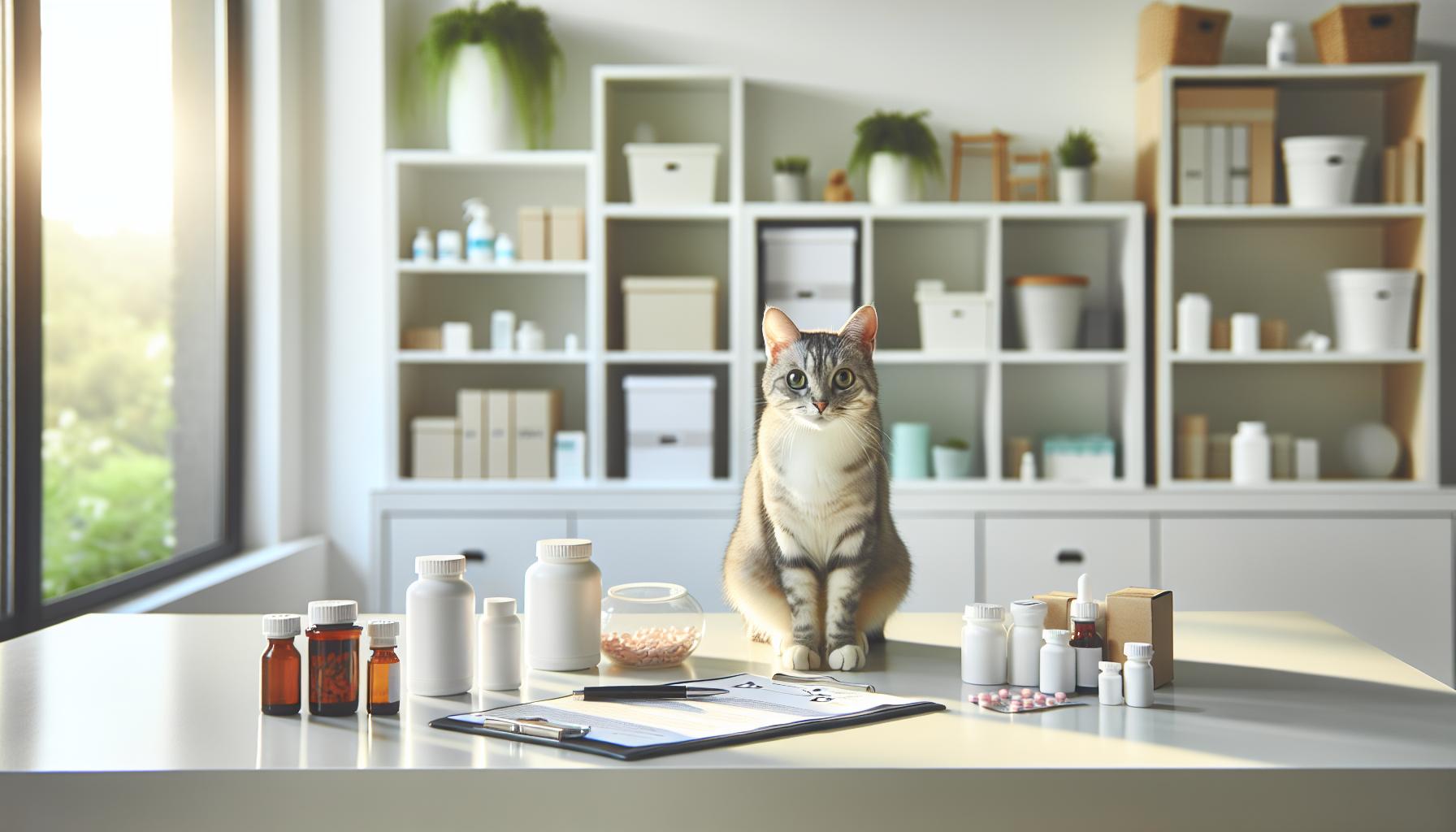
Understanding Common Cat Allergies
Understanding that cats can have allergies is crucial for any cat owner. Just like humans, feline friends can suffer from allergic reactions to various substances. The most common triggers include environmental factors such as pollen, dust mites, mold, and certain foods, as well as contact allergens like grass, fleas, and specific chemicals. For many cats, the symptoms might not be immediately recognizable, which can lead to chronic discomfort if left untreated.
Cats may exhibit a range of symptoms when they are allergic. This can include excessive scratching, biting at their skin, or developing skin irritations. Other signs can involve sneezing, coughing, or even gastrointestinal issues such as vomiting and diarrhea. Recognizing these symptoms early can help you take proactive steps toward managing their discomfort. For instance, if your cat starts to scratch more frequently or seems unusually lethargic after exposure to certain environments, it might be time to investigate potential allergens and consult your veterinarian.
Interestingly, some cats may still be able to coexist with allergens in their environment with proper management strategies in place. Regular cleaning of your home, using air purifiers, and providing a scratch-free environment can mitigate the effects of allergens significantly. Additionally, monitoring your cat’s diet for food allergies through elimination methods can provide insights into what may be causing adverse reactions. Always document any changes and discuss them with your vet. This collaborative approach ensures your cat’s treatment plan is tailored to their specific needs, thus enhancing their overall quality of life.
Understanding and addressing allergies in cats not only alleviates their discomfort but also fosters a healthier and happier environment for both pets and their owners.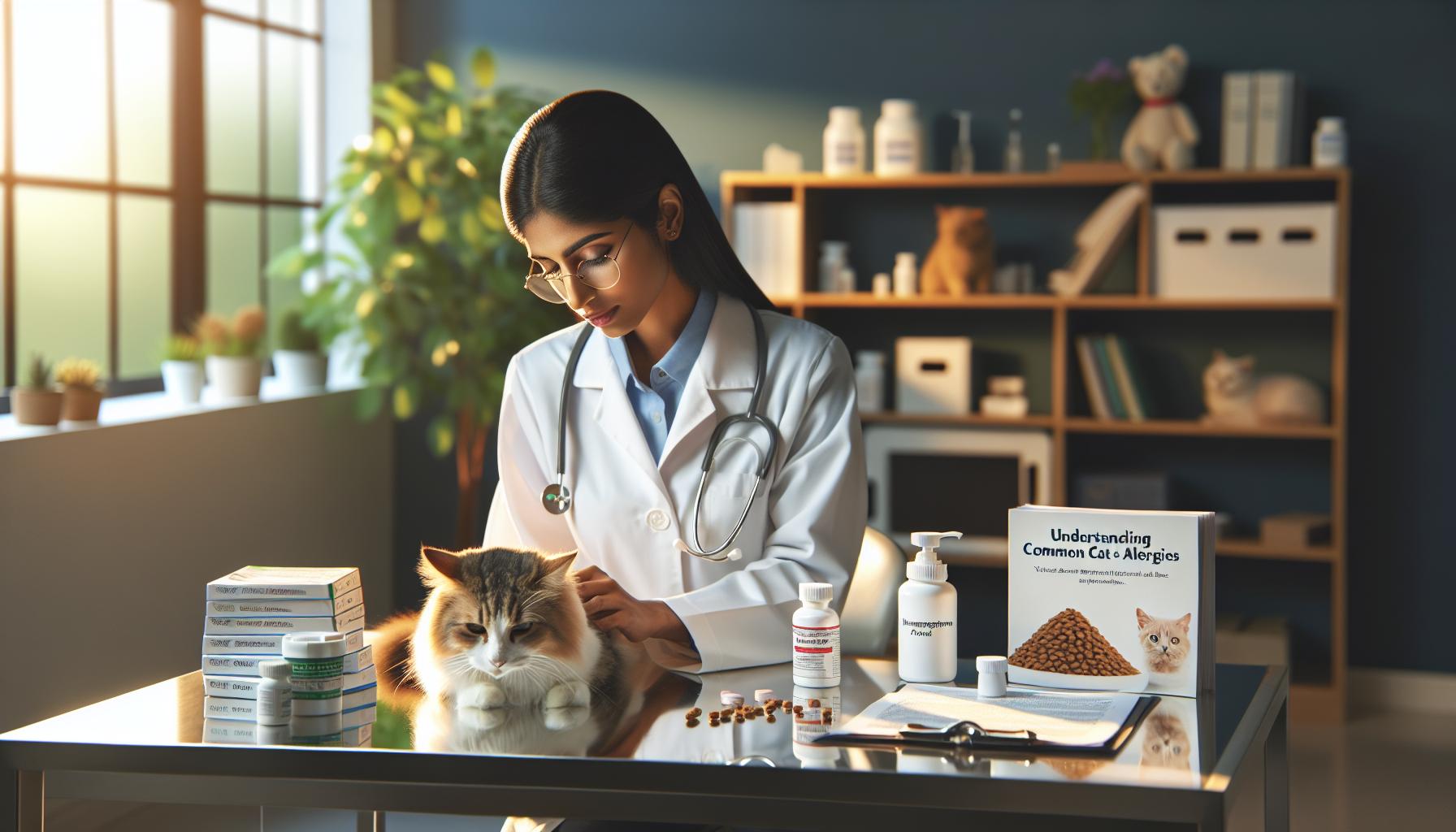
Signs Your Cat Might Have Allergies
Cats, like humans, can suffer from allergies, and recognizing the signs is critical for ensuring their comfort and health. Allergic reactions can stem from various sources, including environmental factors, food ingredients, or even flea bites. Prompt identification of allergy symptoms can guide you toward effective management and relief strategies for your furry companion.
One of the common indicators that your cat might have allergies is excessive grooming or scratching, especially in specific areas where they may be reacting to allergens. You might notice bald patches, red or inflamed skin, or even scabs from overly aggressive scratching. In addition, some cats develop skin rashes or hives that may not be immediately noticeable but signal underlying allergy issues. Alongside skin-related symptoms, respiratory signs like sneezing, coughing, or wheezing can occur, which often indicate inhalant allergies, such as pollen or dust mites.
Gastrointestinal distress is another critical symptom to watch for. If your cat experiences frequent vomiting, diarrhea, or a significant change in appetite, allergies could be a factor. Keep an eye on their eating habits; if they suddenly refuse food or seem to have a sensitivity to certain ingredients, it may warrant further investigation. Behavioral changes like increased irritability or isolation can also hint at discomfort due to allergies, as they may be feeling unwell and reluctant to engage in their usual activities.
To better understand your cat’s symptoms, it’s essential to maintain a detailed diary noting any changes in their behavior, environment, and diet. This information can be invaluable for your veterinarian, helping to pinpoint potential allergens and tailor a treatment plan effectively. Early intervention not only helps to ease your cat’s discomfort but also prevents more severe health issues from developing over time. If any of these symptoms are observed, consulting with a veterinarian is crucial for ensuring your pet receives appropriate care and management for their allergies.
Vet-Recommended Allergy Treatments for Cats
When dealing with allergies in cats, it is crucial to understand that effective management often requires a multifaceted approach. Veterinarians typically start by identifying the specific allergens affecting your furry friend, which may involve skin tests or elimination diets. Once the triggers are determined, they can recommend appropriate treatments to relieve your cat’s symptoms and improve their quality of life.
One of the primary treatment options often prescribed by vets are corticosteroids. These medications can significantly reduce inflammation and provide quick relief from severe symptoms. However, due to potential side effects, such as increased thirst and urination or long-term impact on immune function, veterinarians typically recommend using these medications cautiously and for the shortest duration necessary.
Another common prescription is antihistamines, which like their human counterparts, help counteract the effects of allergens. Medications like diphenhydramine (Benadryl) are sometimes used in cats, but it’s essential to consult with your veterinarian for the correct dosage and to avoid any adverse effects or interactions with other medications your cat may be taking. Additionally, some newer antihistamines have been developed specifically for pets, which may offer safer profiles for long-term use.
For cats suffering from food allergies, elimination diets are often the first line of defense. By removing the suspected allergens from their diet and gradually reintroducing them, you and your veterinarian can pinpoint food sensitivities accurately. In some cases, prescription hypoallergenic diets are an option, providing balanced nutrition while minimizing allergic reactions.
It is also vital to consider adjunct therapies such as fatty acid supplements, which can help improve skin health and mitigate allergic reactions. As you navigate your cat’s allergy treatments, maintaining open lines of communication with your veterinarian is crucial. Regular follow-ups can help fine-tune treatment plans, ensuring your feline companion remains comfortable and happy. To support these efforts, keeping a symptom diary can be invaluable for identifying triggers and documenting the effectiveness of prescribed treatments. By working closely with your vet, you can find the best strategies to manage your cat’s allergies, ultimately enhancing their well-being and comfort.
Over-the-Counter vs. Prescription Allergy Medications
In the quest to relieve allergic reactions in cats, pet owners face a significant decision: choosing between over-the-counter (OTC) medications and those that require a prescription. Understanding the differences, potential benefits, and risks associated with each option is crucial for ensuring your feline friend receives the proper care while minimizing any adverse effects.
OTC medications often appear to be the more accessible choice. They include antihistamines like diphenhydramine (Benadryl) and chlorpheniramine, which can alleviate mild allergy symptoms such as itching or nasal irritation. However, even though these medications are available without a prescription, they are not formulated specifically for cats, and their safety and effectiveness can vary greatly. For instance, the correct dosage can be tricky; too much can lead to drowsiness or other side effects, while too little may not provide any relief. Always consult with your veterinarian before administering any OTC medication, as they can recommend appropriate dosages based on your cat’s weight and health status.
Prescription medications, on the other hand, are designed specifically for medical needs that may require a closer monitoring approach. Corticosteroids like prednisone are potent anti-inflammatory agents, and although they might be recommended for severe cases, they come with a risk of significant side effects if used long-term. Similarly, newer specialized antihistamines, developed for veterinary use, offer targeted relief with potentially fewer side effects. These prescription options are formulated with your cat’s specific biology in mind, allowing for more effective management of allergy symptoms.
It’s essential to recognize the need for a tailored approach when managing your cat’s allergies. Maintain a conversation with your vet about the most suitable options for your pet, and consider regular check-ins to assess the efficacy and safety of the chosen treatment plan. Balancing between OTC and prescription solutions can often provide your cat with immediate relief while ensuring long-term health and well-being. So, when in doubt, let your veterinarian guide you-after all, they know your pet’s history and needs best.
Natural Remedies for Cat Allergies: Do They Work?
Many pet owners search for natural remedies for their cats’ allergies, hoping to alleviate symptoms while avoiding pharmaceuticals. While there are various holistic approaches that proffer relief, it’s vital to assess their efficacy critically. Natural remedies can potentially offer supportive care, but they should be regarded as complementary to, rather than replacements for, veterinary treatment.
Some popular natural options include supplements such as omega-3 fatty acids and probiotics. Omega-3s, found in fish oil, may help reduce inflammation associated with allergic reactions. Regularly implementing these into your cat’s diet can potentially lead to improvements in overall skin health and coat condition. Probiotics, on the other hand, support gut health, which may be crucial for mitigating allergic responses. It’s worth noting that while these supplements can provide benefits, the clinical evidence supporting their use for allergies in cats is still developing. Always consult with your veterinarian before introducing new supplements to ensure they are appropriate for your pet’s specific needs.
Another avenue many cat owners explore is the use of herbal remedies. Ingredients like quercetin and stinging nettle are known for their antihistamine properties. However, the safety and effectiveness of these herbs has not been thoroughly studied in cats. If you’d like to consider herbal options, working closely with a veterinarian who has experience in holistic pet care can help you navigate potential risks and benefits. They can provide tailored advice, potentially integrating such remedies into a broader treatment strategy that prioritizes your cat’s well-being.
Creating an environment conducive to your cat’s health can also minimize allergic triggers. Regular cleaning, using air purifiers, and selecting hypoallergenic bedding can significantly reduce exposure to allergens like dust mites or pollen. Exploring dietary adjustments, such as switching to hypoallergenic cat food, may also help identify food sensitivities contributing to your cat’s symptoms. It’s advisable to track any changes and monitor your cat’s responses, keeping your veterinarian informed to facilitate effective adjustments to their treatment plan.
While many natural remedies may seem appealing, the cornerstone of effective allergy management remains veterinary guidance. Regularly scheduling check-ups can aid in the early detection of allergies and help tailor comprehensive treatment plans suited to your cat’s evolving needs. This approach not only empowers you as a pet owner but also provides your feline companion with the best possible chance for a symptom-free life.
Managing Allergies Through Dietary Changes
Managing allergies in cats often extends beyond just medication; dietary changes can significantly contribute to alleviating symptoms and enhancing overall well-being. Many commercial cat foods contain common allergens, such as chicken, beef, or grains, which can trigger reactions in sensitive cats. By shifting to a more tailored diet, you can help mitigate allergic responses and improve your feline friend’s quality of life.
Transitioning to a hypoallergenic or limited-ingredient diet is a strategic way to pinpoint and eliminate potential food allergens. Look for formulas that contain novel protein sources-like duck, venison, or rabbit-that your cat hasn’t been exposed to before. These specialized diets can help reduce inflammation and prevent allergic reactions. It’s crucial to ensure any diet change is gradual; abrupt transitions can cause gastrointestinal distress. Mix the new food with your cat’s current diet over a week, slowly increasing the proportion of the new food while decreasing the old.
Another effective approach is to consider incorporating fresh, whole foods into your cat’s meals. Ingredients like sweet potatoes and pumpkin can be beneficial as they are less likely to provoke allergies while also providing vital nutrients and fiber. Homemade diets, when properly balanced, can also offer a significant alternative to commercial food. However, it’s essential to consult a veterinarian or a veterinary nutritionist before making drastic dietary changes to ensure that all nutritional needs are met.
Remember to monitor your cat’s response to any dietary adjustments closely. Keep a food diary noting any changes in symptoms correlated with dietary alterations. Positive developments, such as reduced itching or improved coat condition, can validate your dietary strategy. If symptoms persist, collaborate with your veterinarian to fine-tune the approach, possibly exploring additional dietary restrictions or introducing specific supplements like omega-3 fatty acids, which can support skin health and combat inflammation.
Creating an Allergy-Friendly Environment for Your Cat
Creating a comfortable, allergy-friendly environment for your cat can significantly reduce their exposure to allergens and improve their overall quality of life. Just like humans, cats can suffer from a variety of allergies, and the environment plays a crucial role in managing these conditions. Simple yet effective changes around your home can create a sanctuary for your feline friend.
First, focus on minimizing allergens. Regularly cleaning your home is essential; vacuum carpets and upholstery frequently using a vacuum equipped with a HEPA filter to capture allergens such as dust mites and pet dander. Wash your cat’s bedding weekly in hot water, and consider using hypoallergenic covers on furniture. In addition, aim to keep windows closed during high pollen seasons and use air purifiers to filter out airborne allergens.
Another critical step is to designate cat-free zones within your home, particularly in spaces where you spend significant time, such as bedrooms. This not only benefits your cat by giving them a space to feel secure but also minimizes their potential exposure to common household allergens. If you have other pets, manage their interactions carefully, as they might bring in allergens from outside.
Creating a controlled environment also extends to the grooming routine. Regularly brushing your cat helps remove loose fur and dander, reducing the amount of allergen available in your home. Use grooming tools designed specifically for your cat’s coat type, and consider wearing gloves to minimize direct contact if your cat is particularly sensitive.
Lastly, pay attention to any chemical products used in your home. Opt for natural cleaning solutions and avoid highly scented products, as they can exacerbate allergies. By implementing these thoughtful and practical adjustments, you can create a surrounding that enhances your cat’s comfort and health while minimizing allergic reactions.
Monitoring and Adjusting Allergy Treatment Plans
Monitoring your cat’s response to allergy treatments is essential for ensuring their health and comfort. Cats can react differently to medications, and what works for one might not work for another. Keeping a close eye on changes in your cat’s behavior and symptoms can inform your next steps. For instance, if you notice that a particular treatment alleviates symptoms but causes side effects like excessive drowsiness or gastrointestinal upset, it may be necessary to adjust the dosage or switch medications altogether.
One highly effective approach is maintaining a journal dedicated to your cat’s allergy management. Document the medications administered, the dosage, the time given, and any observable reactions or side effects. This record will be invaluable during veterinary visits as it provides a comprehensive overview of what treatments have been tried and their outcomes. Additionally, note any environmental changes, such as different cleaning products or altered grooming routines, that could influence your cat’s allergy symptoms.
Regular Check-Ins with Your Veterinarian
Your veterinarian can guide you through the process of monitoring treatments and adjusting plans. Schedule regular check-ups to review your cat’s progress. During these visits, discuss any concerns and adjustments that may be necessary based on documented observations. Treatment plans for allergies often need fine-tuning, and collaboration with your vet ensures that your approach remains both safe and effective.
Adjusting Based on Seasonal Allergies
Cats, much like humans, can experience seasonal allergies that may require adjustments in their treatment regimen. For instance, if your cat typically suffers in the spring due to pollen, you may need to start allergy treatments a few weeks before allergy season begins. This proactive approach can help minimize symptoms and enhance your cat’s overall quality of life. Strategies could include increasing the frequency of antihistamines or utilizing supplemental treatments as the season progresses.
In conclusion, managing your cat’s allergies is an ongoing process that requires careful observation and communication with your veterinarian. By actively monitoring their response to treatments and adjusting plans as needed, you can help your feline friend lead a comfortable and fulfilling life.
When to Consult a Veterinarian About Allergies
Cats may seem resilient, but when it comes to allergies, it’s vital to pay attention to subtle changes in their behavior or health. As a cat owner, recognizing when your furry friend might need professional help can make a substantial difference in their well-being. If your cat exhibits symptoms such as frequent scratching, persistent itching, or noticeable changes in appetite or energy levels, it’s essential to consult a veterinarian. Allergies can lead to severe discomfort and may manifest as skin infections, chronic ear issues, or respiratory problems if left untreated.
Signs Indicating a Veterinary Visit is Necessary
Keep an eye out for the following concerning signs, which warrant a trip to the vet:
- Severe Hair Loss: If your cat is losing fur in patches or excessively grooming itself, it could indicate an allergy or other underlying health issue.
- Persistent Vomiting or Diarrhea: Chronic gastrointestinal upset can signify an allergy to food ingredients or other allergens in their environment.
- Respiratory Issues: Coughing, wheezing, or nasal discharge can suggest allergic reactions affecting the respiratory system.
- Behavioral Changes: Increased irritability or withdrawal from social interactions can indicate your cat is uncomfortable or in distress.
In addition to physical symptoms, discussing the context of your cat’s environment is also critical during your visit. For example, if you’ve recently changed their diet, introduced new cleaning products, or altered their routine, this information can provide valuable insight for the veterinarian. Your vet may suggest allergy testing, dietary trials, or alternative treatments based on the specific symptoms and your cat’s history.
Proactive Steps for Allergy Management
Timing can be crucial in managing your cat’s allergies. If seasonal allergies seem evident, consider scheduling a visit prior to allergy season, allowing your veterinarian to set a proactive plan in place. This foresight can lead to better management and minimize discomfort during peak allergy periods. Always remain vigilant about any changes in your cat’s health following new treatment implementations; documenting these changes can enhance your vet visits and lead to more effective treatment strategies.
Your cat deserves to enjoy a full, happy life, free from the burdens of allergies. With timely consultation and a solid partnership with your veterinarian, you can collaboratively develop a plan that addresses your cat’s unique needs, leading to a healthier, happier feline companion.
The Importance of Regular Veterinary Check-Ups
Regular veterinary check-ups are essential for maintaining your cat’s overall health, especially for those prone to allergies. Routine visits not only help monitor your cat’s existing conditions but also enable early detection of new issues that could lead to more significant health complications. A staggering number of allergies in pets go undiagnosed until they become severe; regular check-ups can prevent this by providing a proactive approach to your pet’s health.
During these visits, your veterinarian can perform comprehensive evaluations, including skin examinations, blood tests, and potentially allergy-specific tests. This thorough approach allows for an accurate diagnosis, which is crucial for developing an effective treatment plan tailored to your cat’s unique needs. For instance, if your cat is showing signs of itching or excessive grooming, the vet can differentiate between common reasons such as fleas or a food allergy, leading to timely interventions.
Staying vigilant about your cat’s health involves being proactive. Establishing a routine for annual or bi-annual vet visits can help identify developing allergies or intolerances before they manifest into more severe symptoms, such as skin infections or chronic respiratory issues. Moreover, during these check-ups, you can discuss any concerns about your cat’s behavior or diet, allowing your veterinarian to make informed recommendations about medications or dietary changes.
Adhering to a regular schedule for veterinary check-ups will not only assist in managing your cat’s allergies but will also foster a stronger relationship between you, your cat, and your veterinarian. The insight gained from these professional assessments can empower you as a pet owner to make informed decisions, paving the way for a healthier, happier life for your feline companion.
Misconceptions About Cat Allergy Treatments
Many pet owners assume that over-the-counter human allergy medications are safe for their cats, but this is one of the most prevalent misconceptions surrounding cat allergy treatments. In reality, certain medications that may alleviate allergy symptoms in humans can be harmful or even fatal to cats. For example, drugs like acetaminophen are well-known for their toxicity in cats, and while some antihistamines may be safe when administered in the correct doses, others are not recommended at all. It is vital to consult a veterinarian before giving any medication, even if it seems harmless, to ensure the treatment is appropriate for your specific pet’s health needs.
Another common misunderstanding is that all allergy symptoms in cats are due to environmental allergens. While pollen, mold, and dust mites indeed contribute to allergic reactions, food allergies are also a significant culprit. Many cats may experience itching, gastrointestinal distress, or skin irritations as a response to certain ingredients in their diet. Therefore, addressing a cat’s allergies should involve a thorough analysis that not only considers environmental factors but also evaluates their nutrition and diet. Keeping a food diary or trialing an elimination diet under veterinary guidance can reveal whether specific foods are contributing to allergic reactions.
Moreover, pet owners often believe that allergy treatments will provide instant relief. However, it’s essential to recognize that successful management of allergies usually requires a combination of approaches and time. This may include medication, dietary changes, and environmental modifications. Regular follow-ups with a veterinarian can help monitor your cat’s response to treatments and make necessary adjustments to the management plan. Being patient and persistent is crucial, as allergy management is often a process that evolves over time.
Lastly, many believe that natural remedies are always safe and devoid of side effects. While natural treatments can be beneficial for some cats, they are not universally effective and can interact with conventional medications. Always discuss these options with a veterinarian to ensure they complement the overall treatment plan and suit your cat’s specific health profile. Empowering yourself with accurate information and working closely with your veterinarian can create a robust framework for tackling your cat’s allergies safely and effectively.
Faq
Q: What allergy symptoms in cats require medication?
A: If your cat experiences severe itching, inflammation, or recurrent ear infections, they may need medication. Observing frequent sneezing and nasal discharge can also indicate allergies that require treatment. Consult your veterinarian for the best course of action and explore potential allergy medications available.
Q: Are there any risks associated with giving cats allergy medication?
A: Yes, there are risks such as side effects, including drowsiness, gastrointestinal issues, and potential drug interactions. Always work with your veterinarian to determine the safest option for your cat’s condition. Regular check-ups can help monitor any adverse effects from allergy medications.
Q: Can I use human allergy medication for my cat?
A: No, you should not give your cat human allergy medication without veterinary guidance. Many human medications can be toxic to cats. Always consult your vet for safe, vet-approved alternatives designed specifically for feline patients.
Q: How can I tell if my cat’s allergy medication is working?
A: Look for improvements such as reduced itching, a decrease in ear infections, and less sneezing. If symptoms persist or worsen, consult your veterinarian to assess the effectiveness of the treatment plan and consider alternative therapies.
Q: What are the long-term effects of allergy medication in cats?
A: Long-term use of allergy medication can lead to side effects, such as dependency or organ stress. Regular veterinary check-ups can help monitor your cat’s health and allow adjustments to medication as needed. Always prioritize individualized care based on your cat’s reaction to treatment.
Q: When should I consider switching my cat’s allergy treatment?
A: If your cat shows no improvement after a reasonable treatment period, or if side effects become problematic, consult your veterinarian. They might suggest switching medications or exploring alternative treatments to better manage your cat’s allergies.
Q: Are there alternative therapies for cat allergies besides medication?
A: Yes, natural remedies such as omega-3 fatty acids, dietary changes, and allergen avoidance can help manage symptoms. Consider discussing these options with your vet for a holistic approach to treating your cat’s allergies while minimizing reliance on medications.
Q: How often should I revisit my veterinarian for my cat’s allergy management?
A: Regular check-ups, ideally every 6 months, help ensure effective allergy management. Your vet will assess treatment effectiveness and make necessary adjustments. This is essential for maintaining your cat’s overall health amidst ongoing allergy challenges.
Future Outlook
Managing your cat’s allergies can be daunting, but you’re not alone in this journey. Remember, consulting with your vet is crucial when considering allergy medicine for your feline friend. They can provide tailored advice and ensure the best course of action for your cat’s health. If you’re still uncertain about the symptoms or treatment options, check out our articles on common cat allergies and at-home care tips to empower yourself with knowledge.
Don’t wait-take action now to alleviate your cat’s discomfort! Sign up for our newsletter for the latest insights on pet health, or explore our guide to safe medications for pets. Every click helps us provide more valuable content. Whether it’s learning about dietary changes or understanding how to interpret allergy symptoms, each step is vital. Share your experiences in the comments below, and let’s build a community of informed and caring pet owners together!