
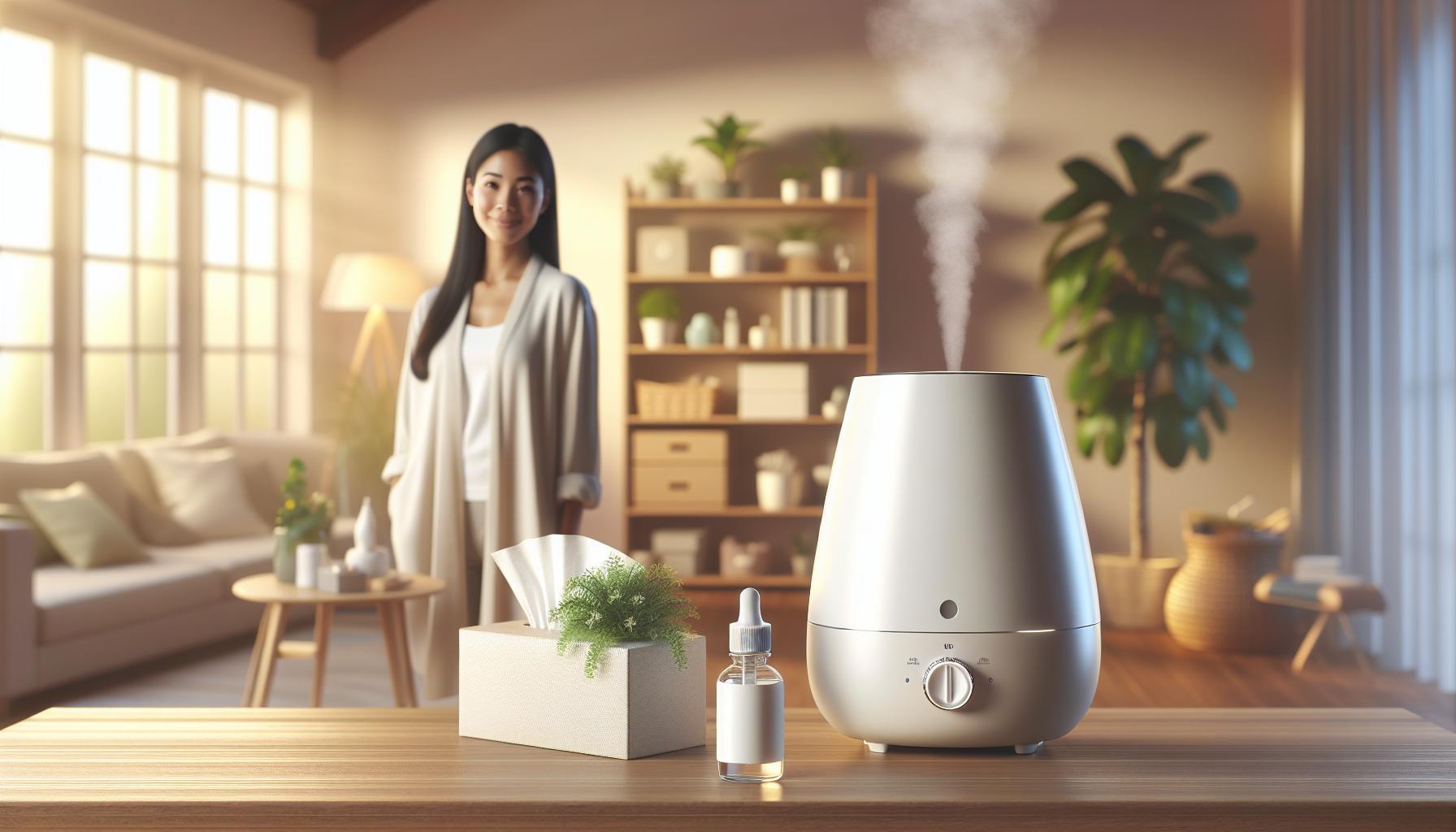

Did you know that nearly 50 million Americans suffer from allergies each year? For those struggling with respiratory issues or seasonal allergies, the right environmental conditions can make a world of difference. This is where humidifiers come into play. By adding moisture to the air, they can help alleviate dryness that irritates the throat and nasal passages, offering a potential reprieve from allergy symptoms.
If you’ve ever found yourself sneezing or struggling to breathe comfortably at home, understanding the role of humidity can empower you to create a healthier living space. The right level of humidity not only enhances your comfort but can also reduce allergens like dust mites and mold that thrive in dry conditions. As you continue reading, we’ll explore how a humidifier can be a simple yet effective tool in your allergy management strategy, leading you to breathe easier and enjoy your home more fully.
How Humidity Affects Allergies and Breathing
In many cases, a person’s living environment can significantly influence their allergy symptoms, and humidity plays a crucial role in this. Low humidity can lead to dry air, which may irritate the nasal passages and throat, exacerbating allergy symptoms such as sneezing, coughing, and congestion. Conversely, overly humid environments can promote the growth of mold and dust mites, both notorious allergens. Striking the right balance in humidity levels is essential for optimal respiratory health and comfort.
When air is appropriately humidified, it helps maintain the moisture content in the mucous membranes of the respiratory system. This can lead to easier breathing, as the body’s natural defenses can work more effectively when the airways are not dry and irritated. Furthermore, by keeping allergens like pet dander, pollen, and dust particles well-hydrated, humidified air can prevent these irritants from becoming airborne, reducing the likelihood of respiratory distress for sensitive individuals.
To optimize your home environment for better breathing, consider using a hygrometer to monitor indoor humidity levels. Aim for a range of 30-50% relative humidity, as this range has been shown to minimize the presence of allergens while preventing the issues associated with both too much and too little humidity. For those living in dryer climates or experiencing winter months where heating systems contribute to lower humidity levels, introducing a reliable humidifier can provide immediate relief.
In summary, understanding how humidity influences allergies and breathing can empower individuals to make informed decisions about their indoor environments, ensuring a healthier living space that supports well-being.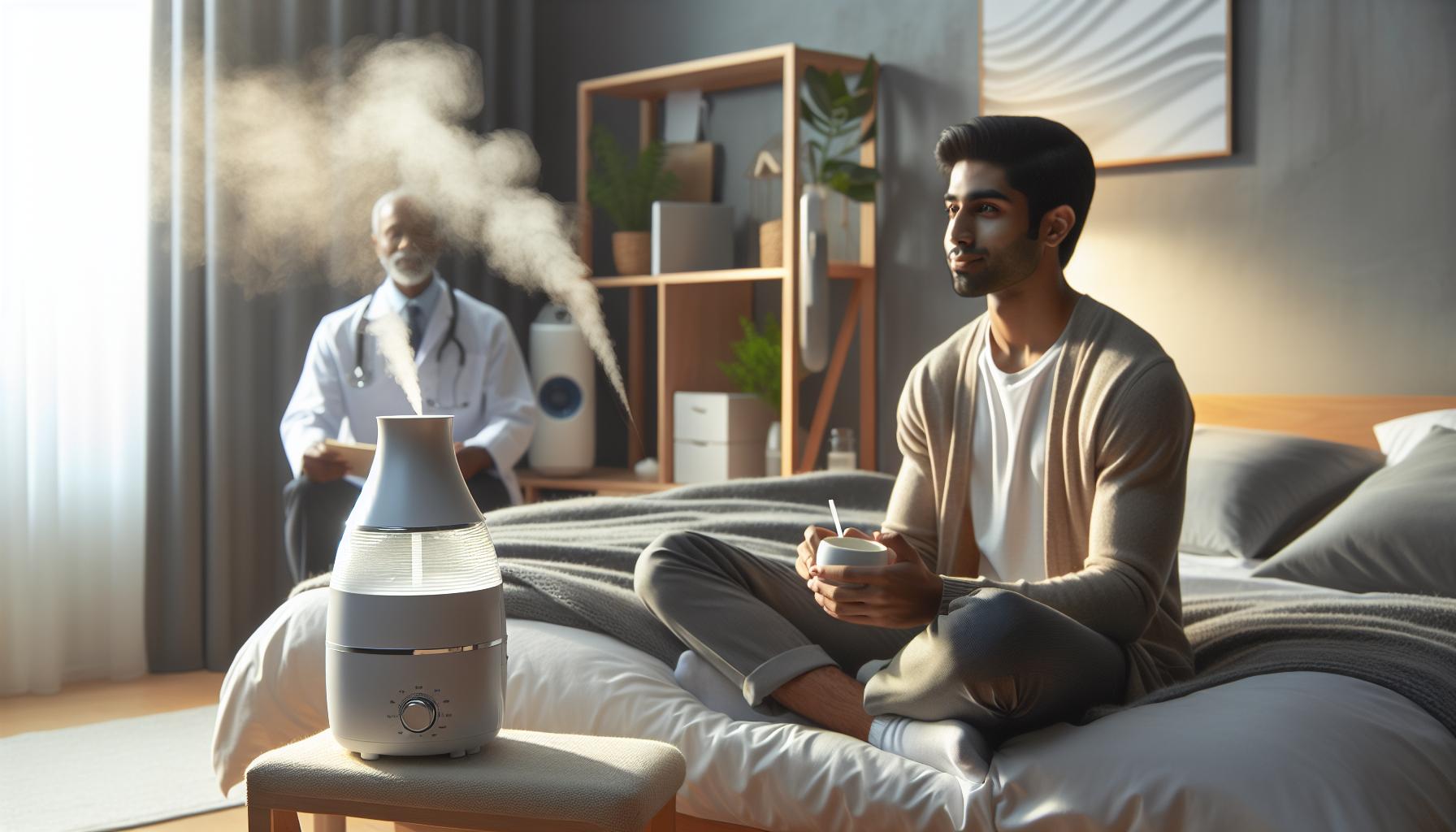
Benefits of Using a Humidifier for Allergy Relief
Utilizing a humidifier in your home can be a game-changer for alleviating allergy symptoms and improving overall respiratory health. Studies have shown that maintaining optimal humidity levels can drastically reduce the presence of airborne allergens and support the body’s natural defenses. For those battling seasonal allergies or sensitivities to dust, pet dander, or mold spores, introducing a humidifier can create a more balanced indoor environment that encourages easier breathing and comfort.
One of the primary benefits of using a humidifier is its ability to keep the airways moist, which is crucial for individuals prone to allergies. Dry air, especially during winter months or in arid climates, can irritate the nasal passages and throat, leading to increased discomfort and difficulty breathing. When the air is adequately humidified, it helps soothe these membranes, reducing irritation and the frequency of sneezing and coughing. Moreover, moist air helps trap allergens, preventing them from becoming airborne and potentially exacerbating allergic reactions.
Additionally, a humidifier can assist in combating dry skin and eyes, common issues for allergy sufferers. When the air lacks moisture, skin can dry out, leading to irritation and discomfort. Keeping the humidity levels in check promotes healthier skin and provides relief from the discomfort associated with allergies. Many families find that a small investment in a humidifier not only enhances the air’s quality but also contributes to the overall well-being of everyone in the household.
For optimal results, aim to maintain indoor humidity levels between 30% and 50%. This range is effective in minimizing allergen presence while preventing the growth of mold and dust mites, which thrive in excessively humid conditions. Regularly monitoring humidity with a hygrometer and adjusting your humidifier settings can help you maintain a healthy home environment tailored to your family’s needs. Embracing the benefits of a humidifier might just provide the relief you’ve been seeking for your allergy symptoms, transforming your living space into a sanctuary of comfort.
Choosing the Right Humidifier for Your Needs
When it comes to alleviating allergy symptoms and enhancing respiratory comfort, a well-chosen humidifier can make all the difference. With a variety of options available, it’s essential to select a device that suits both your living situation and specific needs. Whether you suffer from seasonal allergies or are combating indoor air pollutants, understanding the features and functionalities can empower you to create the most effective environment for your health.
Start by considering the size of the space you intend to humidify. Humidifiers come in different capacities, classified generally as small, medium, or large room units. A smaller portable humidifier might suffice for a bedroom, while larger models or whole-house humidifiers are more suitable for open floor plans. Look for units with adjustable output settings, allowing you to customize humidity levels based on the current weather conditions or your personal comfort needs.
Another critical factor is the type of humidifier you choose. The two primary types are steam vaporizer and ultrasonic humidifiers. Steam vaporizers boil water to create steam, which can kill bacteria, but may not be ideal for all homes due to potential burns or energy usage. Ultrasonic models, on the other hand, use high-frequency vibrations to produce a cool mist, which is generally safer and more energy-efficient, making them favorable for households with children or pets. A third option is the evaporative humidifier, which uses a fan to blow air through a wet wick, providing a natural evaporation process.
Lastly, consider features that enhance usability and maintenance. Humidifiers equipped with hygrometers provide real-time humidity readings, helping you maintain optimal levels without guesswork. Additionally, look for models with easy-clean features, such as removable tanks or dishwasher-safe components, to reduce the risk of mold and bacteria build-up, which can worsen allergy symptoms. Water filtration systems are also beneficial, as they can minimize mineral deposits in the air, helping to reduce respiratory irritants.
Selecting the right humidifier is more than just a purchase-it’s an investment in your health and comfort. By considering room size, humidifier type, and additional features, you can create a sanctuary in your home that supports better breathing and resilience against allergens.
Ideal Humidity Levels for Allergen Control
Achieving the right humidity levels in your home can significantly improve your quality of life, especially if you struggle with allergies or respiratory issues. The ideal indoor humidity level for allergen control generally ranges between 30% and 50%. At this range, the air retains enough moisture to prevent dryness that can irritate the respiratory tract while minimizing conditions conducive to allergen proliferation. For instance, dust mites and mold thrive in excessively humid environments, while very low humidity can cause dry skin, itchy eyes, and increased susceptibility to respiratory infections.
To monitor your home’s humidity levels effectively, consider investing in a hygrometer, a device that measures the moisture content in the air. By keeping tabs on humidity, you can adjust your humidifier settings accordingly. For example, if a hygrometer indicates humidity levels below 30%, it’s time to increase the output of your humidifier to keep your airways moist and reduce irritation. Conversely, if humidity levels exceed 50%, consider reducing your humidifier’s output or utilizing dehumidifying methods, such as ventilation or air conditioning, to avoid creating a breeding ground for allergens.
In real-life scenarios, many allergy sufferers report relief when they maintain their home humidity within this optimal range. A user in a dry climate, for instance, found that increasing indoor humidity helped alleviate their nighttime nasal congestion and reduced their reliance on antihistamines. Properly maintaining humidity levels not only fosters relief from allergy symptoms but also contributes to your overall comfort at home, making it a vital aspect of respiratory health management.
Common Allergens That Humidifiers Help Mitigate
Maintaining optimal humidity levels in your home can significantly reduce the presence of certain allergens, creating a more comfortable environment for those with sensitivities. Common allergens such as dust mites, mold spores, and pet dander can exacerbate allergy symptoms, and humidity plays a critical role in their proliferation. By using a humidifier, you can effectively manage moisture levels, thus mitigating these allergens.
Dust mites thrive in environments with humidity levels above 50%, as they require moisture to survive. A humidifier can help keep indoor humidity at an ideal level, discouraging dust mite populations. Additionally, a well-humidified space helps prevent the drying out of respiratory passages, which can be irritated by low humidity, potentially leading to increased allergic reactions. Similarly, mold spores can proliferate in overly humid conditions, leading to respiratory issues and other allergic reactions. Using a humidifier to maintain balanced humidity levels helps prevent mold growth, thereby reducing exposure to these harmful particles.
Another common indoor allergen is pet dander, which can exacerbate asthma and allergy symptoms. An environment with excessive dryness can cause skin irritation in pets, leading to increased shedding and dander particles in the air. A humidifier can help maintain a comfortable level of moisture, reducing the amount of dander that becomes airborne.
To safeguard against these allergens, aim for indoor humidity levels between 30% and 50%. Regularly monitor humidity with a hygrometer and adjust your humidifier settings as needed. By proactively managing humidity levels, you can create a healthier living space and experience relief from allergy symptoms, fostering better overall well-being.
Potential Risks of Over-Humidification
Over-humidification might seem like a harmless mistake, especially when attempting to improve air quality and ease allergy symptoms. However, exceeding the ideal humidity levels can lead to unintended consequences that may worsen your situation. Excess moisture in the air not only creates an uncomfortable environment but also fosters the growth of mold and dust mites, which are key contributors to respiratory issues and allergic reactions.
When humidity levels rise above 50%, the risk of mold spores thriving increases significantly. Mold can spread quickly in damp environments, releasing spores that can easily become airborne. Inhaling these spores is known to worsen asthma and allergy symptoms, potentially leading to chronic respiratory problems. Hence, while you may be aiming to create a more comfortable atmosphere, an overestimation of your humidity requirements can inadvertently create a breeding ground for these allergens.
Additionally, over-humidification can lead to condensation on surfaces, including windows and walls, potentially damaging the integrity of your home. This moisture can seep into walls and furnishings, causing structural issues or promoting the growth of mildew. To avoid these pitfalls, it’s crucial to regularly monitor indoor humidity levels with a hygrometer and maintain them within the optimal range of 30% to 50%.
Consider establishing a routine to check the functioning of your humidifier. Regular cleaning can prevent the buildup of mold within the unit itself, which can release harmful particles into the air. Here are some practical steps to ensure your humidifier works effectively without causing excess humidity:
- Set your humidifier to maintain a target humidity level that aligns with your specific needs.
- Regularly clean the humidifier according to the manufacturer’s guidelines to minimize the risk of mold growth.
- Use a hygrometer to monitor humidity levels and make adjustments as necessary.
By taking these proactive measures, you can leverage the benefits of a humidifier while avoiding the pitfalls associated with over-humidification, ensuring a healthier living space that alleviates allergy symptoms rather than exacerbating them.
Maintaining Your Humidifier for Optimal Performance
Maintaining your humidifier is essential for ensuring it operates effectively and contributes positively to your indoor air quality and overall health. A well-maintained humidifier not only delivers the right amount of moisture but also helps combat allergens that can trigger respiratory issues and allergies. Neglecting to clean or check your device regularly can lead to the buildup of mold and bacteria, which can be counterproductive to your efforts in improving your home’s air quality.
To keep your humidifier functioning optimally, adhere to these practical steps:
- Regular Cleaning: It’s crucial to clean your humidifier at least once a week. Use a mixture of vinegar and water to scrub the tank and base to eliminate mold and mineral deposits. Be sure to rinse thoroughly before reassembling.
- Use Distilled Water: If possible, use distilled or demineralized water instead of tap water. This helps reduce mineral buildup inside the unit, lessening the chance of releasing harmful particles into the air.
- Replace Filters: Many humidifiers come with filters that need replacing periodically. Check the manufacturer’s guidelines for the recommended replacement frequency, as old filters can harbor allergens.
- Monitor Humidity Levels: Utilize a hygrometer to keep track of indoor humidity, aiming to maintain levels between 30% and 50%. This range is optimal for controlling allergens while preventing over-humidification.
- Store Properly: When not in use, clean and dry your humidifier completely before storing it. This prevents moisture build-up and helps maintain the unit’s longevity.
By adopting these maintenance practices, you not only extend the lifespan of your humidifier but also maximize its benefits for allergy relief. Imagine coming home to a comfortably humidified space where previously felt allergy symptoms are lessened. Regular maintenance creates a safer environment, allowing you to breathe easier and enjoy your home fully.
Alternative Solutions for Allergy Management at Home
Finding relief from allergies can often feel like a constant battle, but there are various strategies you can employ in tandem with a humidifier to create a more comfortable living environment. One effective approach is the implementation of good indoor air quality through the use of air purifiers. These devices work by filtering out allergens such as dust mites, pollen, mold spores, and pet dander, which are common triggers for allergy sufferers. Look for models equipped with HEPA filters, as they can capture particles as small as 0.3 microns, significantly improving the air you breathe.
Another key strategy is regular cleaning and decluttering within your home. Dust, mold, and allergens can accumulate quickly, especially in carpets, curtains, and upholstery. By maintaining a routine of frequent vacuuming (preferably with a vacuum that has a HEPA filter) and washing bedding in hot water weekly, you effectively reduce allergen levels. Additionally, consider using non-toxic cleaners that don’t release harmful chemicals into your indoor air, further supporting respiratory health.
Incorporating specific indoor plants can also enhance your home environment. Certain plants, such as spider plants, snake plants, and peace lilies, are known for their air-purifying abilities. They can absorb toxins and increase humidity naturally, contributing to an improved respiratory experience.
Furthermore, implementing lifestyle changes such as using hypoallergenic bedding can provide significant relief. Opt for dust mite-proof covers for pillows and mattresses, and choose materials that are less prone to harboring allergens. When combined with regular humidification, these practices not only help control allergy symptoms but also create a peaceful sanctuary in your home where you can breathe easier and feel more at ease.
By embracing these complementary solutions, you’re taking an active role in managing your allergies. Each small step contributes to a larger picture of well-being, offering hope and practical relief in your daily life.
Real-Life Success Stories: Humidifier Experiences
In numerous households, humidifiers have transformed the way family members manage their allergy symptoms, creating a more comfortable and breathable environment. Stories abound of individuals who once dreaded the pollen-heavy spring and dry winter months but now find solace in the gentle mist emitted by their humidifiers. Take the case of Jessica, a working mom who struggled with severe asthma triggered by seasonal allergies. After struggling with nightly coughing fits that disrupted her family’s sleep, Jessica decided to incorporate a humidifier into her bedroom routine. Within a week, she noticed a remarkable reduction in her morning congestion and a significant improvement in her sleep quality. Her success prompted her to recommend humidifiers to friends who faced similar challenges.
Similarly, Mike, a proud dog owner whose furry friend was an allergy trigger, shared how a humidifier played an integral role in their home. Despite frequent vacuuming and air purifying, the allergens from pet dander remained persistent. After installing a robust humidifier, Mike observed that the moisture in the air helped alleviate the harshness that often aggravated his allergies. His indoor environment became a safe haven, allowing him to enjoy quality moments with his pet without the constant worry of sneezing and irritation.
To enhance the effectiveness of humidifiers, many users combine them with other strategies. Sarah, for instance, uses her humidifier alongside regular cleaning routines and air purifiers. By complementing her humidifier’s mist with HEPA filters that trap airborne allergens, she battles everything from dust mites to mold spores, creating a holistic allergy management plan. This multi-faceted approach gives her the peace of mind needed to breathe easier and create a healthier home for her children.
These real-life experiences underscore the potential of humidifiers as vital allies in the fight against allergies. For those considering a humidifier, stories like Jessica’s and Mike’s highlight the importance of finding the right balance. Remember to monitor humidity levels and maintain clean appliances for optimal performance. Embracing this powerful tool not only aids in alleviating uncomfortable symptoms but also nurtures a safe and soothing environment for everyone at home.
Expert Tips for Using Humidifiers Effectively
Using a humidifier can be a game changer for anyone struggling with allergies, but to truly maximize its benefits, it’s essential to use it effectively. First and foremost, it’s crucial to maintain the right humidity levels in your home. The ideal indoor humidity range is between 30% and 50%. You can measure humidity using a hygrometer, which helps avoid the pitfalls of over-humidification that can lead to mold growth and dust mites. Be vigilant, and adjust your humidifier accordingly, especially during dramatic weather changes.
Regular cleaning and maintenance of your humidifier cannot be overstated. A dirty humidifier can become a breeding ground for bacteria and mold, potentially worsening your allergies instead of alleviating them. Aim to empty, clean, and refill your humidifier every three days. Use distilled water to minimize mineral buildup, which can also cause irritation when released into the air.
Timing can also play a significant role in effectiveness. Consider running your humidifier during the hottest parts of the day when allergens tend to be drier and more airborne, or set it up in your bedroom at night to promote better sleep. Additionally, it’s wise to position your humidifier in areas where you spend the most time, such as living rooms or bedrooms, to feel the most benefit. If you or someone in your household is particularly sensitive to allergens, ensuring the humidifier runs continuously can provide a steady stream of moisture that helps reduce irritants.
To enhance the effectiveness of your humidifier, consider complementing it with other allergy-friendly measures, such as using air purifiers with HEPA filters, keeping windows closed during high pollen days, and regularly cleaning surfaces to reduce dust accumulation. These combined efforts can create a more holistic approach to allergy management, helping to make your home a more comfortable sanctuary. Staying proactive in utilizing your humidifier can lead not just to improved air quality, but also to a notable decrease in allergy symptoms, paving the way for easier breathing and a more restful living space.
When to Consult a Doctor About Allergy Symptoms
Recognizing when to seek medical advice about allergy symptoms can profoundly impact your health and quality of life. Many individuals struggle with seasonal or environmental allergies, leading to discomfort and frustration. However, some symptoms may indicate a more significant problem requiring professional evaluation. For instance, if you experience persistent nasal congestion, frequent headaches, or severe fatigue despite using a humidifier and following recommended home care strategies, it might be time to consult a healthcare provider.
Signs That Indicate a Doctor’s Visit is Necessary
- Severe Symptoms: If allergy symptoms suddenly worsen or are accompanied by difficulty breathing, swelling of the face or throat, or rapid heartbeat, seek immediate medical attention.
- Persistent Symptoms: When symptoms last longer than a few weeks or do not improve with over-the-counter medications or humidifier use, it could signal an underlying condition that needs further investigation.
- Frequent Infections: Recurring sinus infections, bronchitis, or other respiratory issues may suggest that allergies are not the only concern and warrant a comprehensive evaluation.
- Changes in Symptoms: If you notice new or different allergy symptoms, such as unexpected itchiness, rash, or gastrointestinal issues, it’s important to discuss these changes with a medical professional.
It’s important to remember that managing allergies effectively often requires a combination of strategies including environmental control measures, medication, and in some cases, immunotherapy. A healthcare provider can help formulate a personalized treatment plan that addresses not only the symptoms but also the root causes of your allergies. They may recommend additional testing, such as skin or blood tests, to better understand your triggers and refine your approach to allergy management.
While a humidifier can provide relief and improve air quality, it should not be seen as a standalone solution. If you find that your efforts to manage allergies at home are insufficient or that symptoms become increasingly difficult to manage, do not hesitate to seek professional medical advice. Early intervention can lead to better outcomes and help you breathe easier in your living space.
Frequently asked questions
Q: How does a humidifier help with seasonal allergies?
A: A humidifier helps with seasonal allergies by adding moisture to the air, which can relieve dryness in the nasal passages and throat, making it easier to breathe. Proper humidity levels can also reduce the amount of dust and allergens circulating, providing a more comfortable environment.
Q: What type of humidifier is best for allergy sufferers?
A: Cool-mist humidifiers, particularly ultrasonic or evaporative models, are often recommended for allergy sufferers. They help maintain optimal humidity levels without warming the air, which can sometimes aggravate allergies. For specific needs, consult the “Choosing the Right Humidifier for Your Needs” section in your article.
Q: Can a humidifier worsen allergies?
A: Yes, if a humidifier is overused or not maintained properly, it can worsen allergies. Excess humidity promotes mold growth and dust mites, which can trigger allergic reactions. Regular maintenance and monitoring humidity levels are crucial to prevent these issues.
Q: What is the ideal humidity level for reducing allergens?
A: The ideal humidity level for reducing allergens is between 30% and 50%. This range helps minimize the growth of mold and dust mites while providing comfort for allergy sufferers. Refer to the “Ideal Humidity Levels for Allergen Control” section in your article for more detailed information.
Q: How often should I run my humidifier for allergy relief?
A: It’s best to run your humidifier continuously, especially during dry seasons, but monitor the humidity level to keep it between 30% and 50%. Adjust usage based on weather conditions and personal comfort, ensuring optimal air quality for allergy management.
Q: Can humidifiers help with pet allergies?
A: Yes, humidifiers can help alleviate pet allergies by maintaining moisture in the air, which may help reduce irritation from pet dander. However, it’s vital to combine this with regular cleaning and grooming to manage allergens effectively.
Q: Should you sleep with a humidifier on for allergy relief?
A: Sleeping with a humidifier on can provide relief from allergies by keeping airways moist and reducing irritants. Ensure the humidity level is regulated to avoid over-humidification, which could exacerbate allergies. Check out the “Expert Tips for Using Humidifiers Effectively” section for more guidance.
Q: Are there any specific herbs or oils I can use with a humidifier for allergy relief?
A: While many find benefits from essential oils like eucalyptus or lavender, consult your humidifier’s instructions, as some models are not designed for oils. Using these oils can enhance your breathing experience while addressing allergens, but regular maintenance is still essential.
Key Takeaways
In conclusion, a humidifier can significantly improve your home environment if you suffer from allergies, offering you the comfort of easier breathing and reduced irritation. Remember, maintaining optimal humidity levels is crucial for maximizing the relief you can experience. If you’re curious about the best types of humidifiers for allergy relief or want to explore other solutions, check out our related articles on choosing the right humidifier for your home and tips for reducing allergy triggers.
Don’t let allergies hold you back any longer-consider investing in a humidifier today! For personalized advice or product recommendations, feel free to reach out to our team. By taking these steps, you’re not just investing in a device; you’re prioritizing your health and well-being. Join our community by signing up for our newsletter for ongoing tips and resources to create a healthier home environment. Share your experiences in the comments below, and let’s keep the conversation going!


