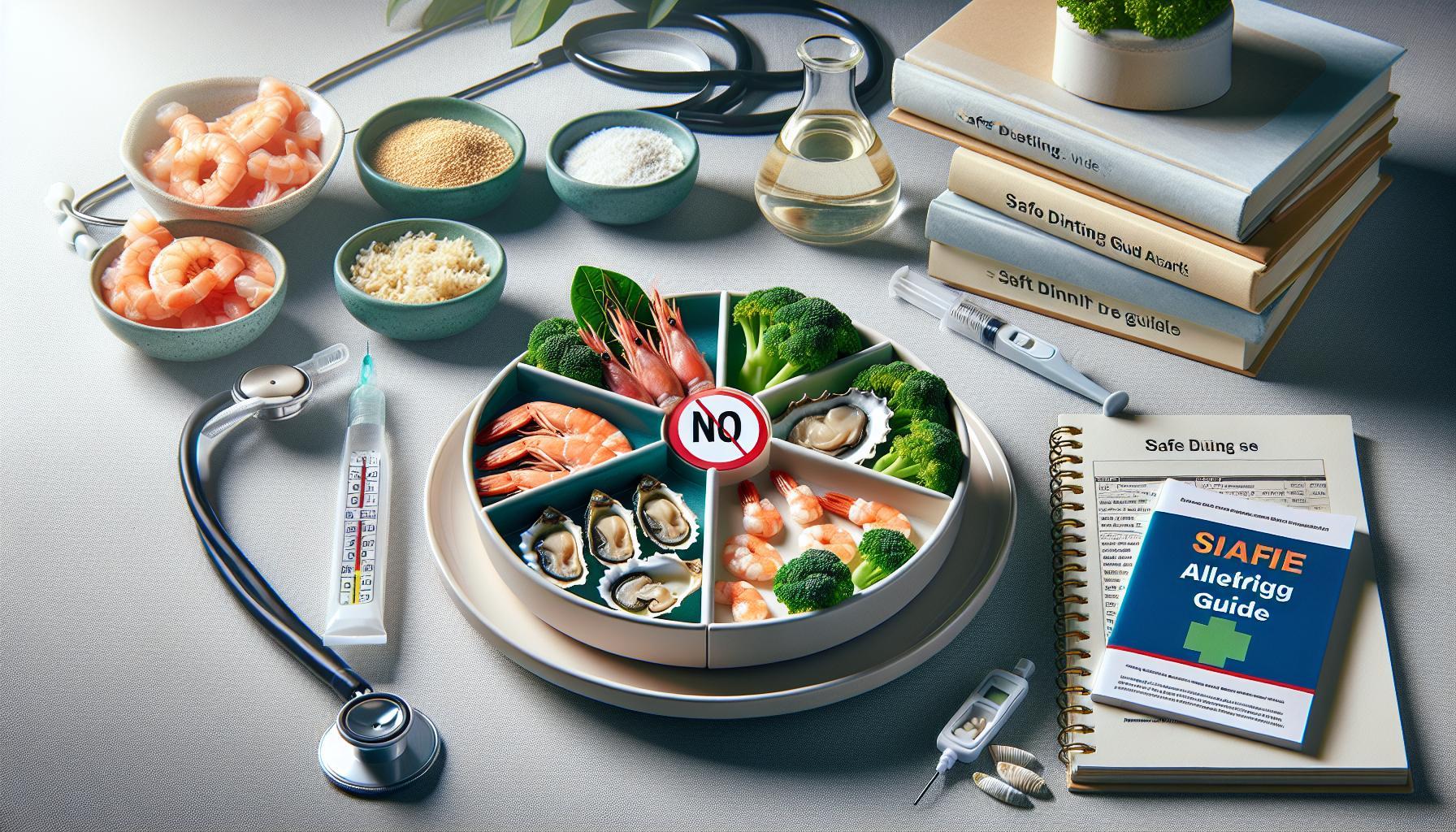

Dining out can be an enjoyable experience, but for those with a shellfish allergy, it can pose significant challenges. Understanding what foods to avoid is crucial for safe dining, as shellfish allergies can lead to severe reactions. With an estimated 2% of the population affected, it’s vital for both guests and hosts to be informed.
Navigating menus and social gatherings requires not only awareness of the common offenders like shrimp and crab but also an understanding of hidden sources of shellfish in various dishes. Whether it’s a festive seafood platter or a popular sauce containing shellstock, knowledge is your best defense. This guide will help you identify safe choices and empower you to advocate for your health in any dining situation.
Join us as we delve into practical tips and insights to ensure that your dining experiences are not only safe but also enjoyable. Understanding food allergies doesn’t have to be daunting; together, we can make informed choices that allow everyone to savor their meals with peace of mind.
Understanding Shellfish Allergies: Common Symptoms and Risks
Many individuals underestimate the severity of shellfish allergies, but they are among the most common food allergies worldwide. It is crucial to understand that a shellfish allergy can trigger various symptoms, ranging from mild discomfort to severe, life-threatening reactions. Symptoms may include hives, swelling, gastrointestinal distress, or, in critical instances, anaphylaxis, which can be fatal if not treated promptly. The severity of these reactions can vary greatly; some people may have a severe reaction after only a trace amount of shellfish, highlighting the importance of vigilance in both food selection and dining situations.
When dining out, understanding the types of shellfish to avoid is essential. Shellfish are generally categorized into two groups: crustaceans (like shrimp, crab, and lobster) and mollusks (such as clams, mussels, oysters, and squid). It is important to note that cross-reactivity can occur; individuals allergic to one type of shellfish may react to others as well. This reality reinforces why individuals with shellfish allergies should be cautious and thoroughly informed about what they consume.
The stakes are high when dining out, as even minute traces of shellfish can trigger an allergic reaction. Therefore, proactive steps, such as reviewing menus in advance, communicating clearly with restaurant staff, and being aware of potential cross-contamination sources, can significantly reduce risks. By being informed and prepared, individuals can confidently navigate their dining experiences, ensuring their safety while enjoying meals outside their home.
In summary, understanding the symptoms and risks associated with shellfish allergies is the first step in protecting oneself from allergic reactions. Armed with this knowledge, individuals can take appropriate actions to avoid allergens and advocate for their safety in restaurant environments. By doing so, they empower themselves to enjoy food and social experiences without compromising their health.
Identifying Foods to Avoid for Shellfish Allergies
Understanding the intricate world of food allergies is crucial, especially when it comes to shellfish, given that it ranks among the most prevalent allergens. For those with a shellfish allergy, avoiding specific foods is imperative to prevent severe allergic reactions, including anaphylaxis. Two main categories of shellfish exist: crustaceans and mollusks, both of which can provoke strong responses in sensitive individuals. Crustaceans include shrimp, crab, lobster, and crayfish, while mollusks encompass clams, mussels, oysters, scallops, and squid. Being aware of these distinctions is essential for anyone navigating their dietary restrictions.
When dining out or preparing meals, horseradish sauce, seafood soups, and sauces made with fish stock often contain shellfish-derived ingredients, making them risky choices. Many sauces, dressings, and broths can contain traces of shellfish, so it is best to scrutinize ingredient labels carefully. Even items you might not expect, such as certain types of breaded and fried foods, can be cross-contaminated during preparation or cooking. Seafood dishes labeled as “mixed seafood” or “market fish” may also include shellfish hidden within.
To further safeguard against unintended exposure, keep standard allergens in mind when ordering or cooking at home. Here is a concise list of foods to avoid:
- Crustaceans: shrimp, crab, lobster, and crayfish
- Mollusks: clams, mussels, oysters, scallops, and squid
- Processed Foods: seafood dips, sauces, and dressings that may include shellfish
- Fried Foods: anything fried in oil used for shellfish
Having clear communication about dietary restrictions is vital when dining out. Informing restaurant staff about your shellfish allergy not only provides them an opportunity to guide safe menu selections but also ensures that proper precautions are taken to avoid cross-contamination. As you navigate your culinary experiences, remember that knowledge is your most powerful tool; the more informed you are about what constitutes shellfish and its potential hidden forms, the safer your dining experiences will be.
Navigating Restaurant Menus: Safe Choices for Allergic Guests
When dining out, navigating a restaurant menu can feel daunting for those with a shellfish allergy. With shellfish ranking among the top allergens, understanding what to order-and what to avoid-is essential for ensuring a safe dining experience. A key strategy is to look for restaurants that offer a variety of cuisines not centered around seafood. Establishments featuring Italian, Mediterranean, or American fare often have safer alternatives without the risk of shellfish contamination. However, caution is always warranted; even seemingly innocuous dishes may contain shellfish-derived ingredients.
Start by scanning the menu for items that are less likely to harbor hidden shellfish. Dishes like grilled meats, fresh salads, and vegetable stir-fries can often be safe choices, but be vigilant about sauces and dressings. Many dressings, sauces, and marinades can contain fish sauce or shellfish extracts, so it’s wise to ask your server for ingredient specifics. Here’s a helpful list of common restaurant choices to consider:
- Grilled meats or poultry: Generally safe, but confirm marinade ingredients.
- Vegetable-based dishes: Salads, vegetable curries, and stir-fries can be good options.
- Pasta: Look for tomato-based sauces or olive oil instead of seafood sauces.
- Rice and grain dishes: Plain or vegetable-flavored rice and grains are usually safe.
Before placing your order, it is important to engage in a conversation with the restaurant staff. Explaining your shellfish allergy can help them accommodate your needs by avoiding cross-contamination in the kitchen. Ask questions like, “Are the frying oils used for anything that contains shellfish?” or “Can I have this dish without the dressing to avoid possible contamination?” This proactive approach not only keeps you informed but also allows the staff to take extra care in fulfilling your request.
Additionally, consider using technology to your advantage. Many restaurants have their menus available online, allowing you to peruse options ahead of your visit. Familiarizing yourself with the menu before arriving can empower your decision-making process and reduce stress. In instances where you’re unsure, do not hesitate to choose a different restaurant; ensuring your safety is paramount. By planning ahead and advocating for your dietary needs, you can enjoy dining out while effectively managing your shellfish allergy.
How to Communicate Your Allergy to Restaurant Staff
Communicating a shellfish allergy effectively to restaurant staff is crucial for ensuring a safe dining experience. One of the most effective strategies is to be clear and specific about your allergy as soon as you are seated. Begin by stating, “I have a serious shellfish allergy. It’s important that I avoid all shellfish and any foods that could contain shellfish or be cross-contaminated.” This direct approach sets the tone for the conversation and informs the staff of the severity of your allergy.
When discussing your allergy, it’s helpful to ask specific questions regarding ingredients and food preparation. For instance, you might inquire, “Does this dish contain any fish or shellfish?” or “What oils are used for frying, and have they been used for shellfish?” Such inquiries not only clarify the menu items but also demonstrate to the staff your commitment to avoiding potential allergens. Additionally, don’t hesitate to request modifications to your meal, like asking for a sauce to be served on the side or for your dish to be cooked in a separate pan. These small adjustments can significantly reduce the risk of cross-contact.
Another key aspect of effective communication is to reaffirm your needs throughout the ordering process. Once you receive your meal, do a quick check to ensure it looks as expected-especially with sauces and garnishes. If you have any doubts, it’s always better to confirm with the server before eating. In many cases, staff members are trained to handle food allergies and will appreciate your thoroughness in maintaining a safe dining environment.
If you frequently dine out with a shellfish allergy, consider carrying a card that outlines your specific allergy and the necessary precautions. Handing this card to your server can streamline communication and reduce the risk of misunderstanding, particularly in busy dining settings. Remember, your health is paramount; never hesitate to advocate for your safety when dining out.
Cross-Contamination: What You Need to Know
Understanding the risks of cross-contamination is crucial for anyone with a shellfish allergy. Even the slightest trace of shellfish can trigger severe allergic reactions, making it essential to remain vigilant in various dining environments. Cross-contamination can occur when shellfish comes into contact with other foods or surfaces, often in shared kitchens or during food preparation. This risk can be particularly high in restaurants that serve both shellfish and non-shellfish dishes, as cooking equipment and utensils may not be thoroughly cleaned between uses.
To minimize the risk of accidental exposure to shellfish, it is important to choose dining establishments that prioritize food allergy safety, ideally with a clear protocol for handling allergies. When placing your order, educate yourself about potential cross-contamination sources. For instance, ask questions like:
- “Is the same frying oil used for both shellfish and non-shellfish items?”
- “Are there separate cooking surfaces and utensils for shellfish and other foods?”
- “How do you prevent cross-contact in the kitchen?”
In restaurants where shellfish is frequently prepared, consider requesting that your meal is prepared in a separate area to reduce the chances of contamination. Keep in mind that even seemingly benign foods, such as sauces or garnishes, can be contaminated if they were prepared in a kitchen that handles shellfish. Always verify the ingredients of such additions to your meal and, when in doubt, opt for items that are packaged or processed separately.
When dining out, remember that communication is key. Calmly and clearly expressing your shellfish allergy helps ensure that staff take your concerns seriously. If a restaurant does not seem equipped to handle your allergy safely, it may be best to seek another dining option. By understanding how cross-contamination works and advocating for your health, you can enjoy meals out with reduced anxiety about allergic reactions.
Safe Dining Practices for Guests with Shellfish Allergies
Dining out with a shellfish allergy can feel daunting, yet with proactive measures and clear communication, it is possible to enjoy meals safely and confidently. One of the most critical aspects of dining is selecting a restaurant that understands and accommodates food allergies. Look for establishments that display a commitment to food safety, such as those with specific menus catering to allergies or a track record of handling food with care. Online reviews can also provide insights into how well restaurants manage allergen concerns from past patrons.
Once you’ve selected a restaurant, being prepared with knowledge about your allergy can significantly enhance your dining experience. When you arrive, alert the staff about your shellfish allergy as soon as you are seated. Provide clear and direct information about what you can and cannot eat. This initial communication sets the tone for the staff’s attentiveness to your needs. You can further protect yourself by asking important questions about food preparation. For instance, inquire whether they use the same cooking equipment for shellfish and non-shellfish items and if they can guarantee that your meal will be prepared separately to avoid contamination.
Understanding the menu goes hand-in-hand with safe dining practices. Many dishes may contain hidden ingredients or cross-contact risks, so it’s wise to review the menu beforehand online or call ahead to discuss options. When ordering, stick to simpler dishes made from whole ingredients that you can verify. Here’s a quick checklist of questions to ask:
- Are there dedicated cooking surfaces and utensils for non-shellfish meals?
- Is there a policy in place to prevent cross-contact in the kitchen?
- Can you provide a list of ingredients for this dish?
By taking these steps, you not only protect yourself but also empower restaurant staff to work with you to create a safe dining experience. If a restaurant seems unprepared or dismissive of your allergy, do not hesitate to seek another option. Your health and safety should always come first, and many establishments will appreciate and prioritize your concerns when they know how to accommodate them properly.
Finding Allergy-Friendly Seafood Options: What to Look For
When navigating dining options with a shellfish allergy, it’s crucial to know what to look for in seafood selections that won’t compromise your safety. Firstly, focus on restaurants that prioritize allergy awareness, as this can significantly reduce risk. These establishments often train their staff specifically on food allergies, ensuring they understand the gravity of cross-contamination and the importance of clean preparation areas.
Seek out seafood restaurants that offer clear and concise menus, ideally with the option to customize dishes to avoid allergens. Look for allergy-friendly certifications or symbols on menus, which indicate that a restaurant is committed to accommodating guests with food allergies. Many chefs are now becoming more aware of food sensitivities and may even create separate dishes or meals for guests with allergies. Do not hesitate to ask about their practices regarding shellfish, including whether they have dedicated cooking equipment and utensils to prevent cross-contact.
Additionally, consider markets and grocery stores offering fresh, unprepared seafood. Purchasing fresh fish or shellfish that hasn’t been marinated or glazed with sauces can give you control over what you consume at home. Make sure to read labels carefully and don’t hesitate to ask staff about ingredient sourcing and preparation methods. When preparing food at home, a simple grilled or baked fish can be a delicious alternative while ensuring that no shellfish is included.
In areas with access to culinary schools or cooking classes, you might also find workshops focusing on allergy-friendly cooking. Engaging in such activities can empower you to create your own safe seafood meals, and it fosters an understanding of how to prevent cross-contamination in your kitchen. Always remember, the more informed and prepared you are, the easier it will be to confidently enjoy seafood dining while managing your allergy safely.
Tips for Dining at Buffets and Shared Plates
Dining at buffets and shared plates can be particularly challenging for those with shellfish allergies due to the increased risk of cross-contamination. One essential tip is to prioritize communication. Before making any food selections, speak with the restaurant staff to understand how they manage allergens in their buffet offerings. A restaurant that values food safety will usually be willing to share details about their preparation processes, which can help determine whether the buffet is safe for you.
When approaching a buffet, it’s beneficial to take a moment to survey the options before serving yourself. Look for clear labeling on food items, which can indicate whether a dish contains shellfish or has been prepared with common allergens. If there are no labels available, don’t hesitate to ask staff for more information. Remember, it’s always better to be cautious; if you have any doubts, it’s wise to skip a dish rather than risk an allergic reaction.
Another effective strategy is to create a buffer zone for yourself. Use utensils specifically meant for serving from the dishes you plan to eat. Avoid sharing serving utensils with others or using spoons that have been in other dishes, as this can increase the risk of cross-contact with shellfish. If available, opt for dishes that appear to be kept separate from any shellfish offerings. Many buffets have dedicated stations for certain food types, so seek those out when choosing your meals.
Lastly, take the time to educate yourself and your dining companions about your allergy. Having an open dialogue can foster understanding and support, which can be invaluable in ensuring your safety while dining in settings with shared food. Engaging your friends or family in choosing safe options not only makes the experience more enjoyable but also empowers you to effectively navigate potential challenges associated with your shellfish allergy.
Cooking at Home: Safe Shellfish-Free Recipes
Cooking at home can be a rewarding experience, especially when accommodating a shellfish allergy. The kitchen is a sanctuary where you have complete control over ingredients, allowing you to create delicious and safe meals. It’s essential to emphasize that even small traces of shellfish can trigger severe reactions, so understanding which foods are safe and how to prepare them is crucial.
One of the most effective measures is to familiarize yourself with shellfish alternatives. For example, if you love seafood flavors, you can experiment with options like canned tuna, salmon, or other fish that are safe for you. Create vibrant dishes like a Mediterranean quinoa salad with fresh vegetables and safe fish, drizzled with olive oil and lemon for a zesty finish. When cooking, always read labels carefully to ensure those substitutes don’t contain unexpected shellfish derivatives-this includes pre-packaged sauces and seasonings.
Prioritizing fresh fruits and vegetables in your meals guarantees a wide array of nutrients without concerns about shellfish contamination. Try preparing a rich vegetable stir-fry or a hearty vegetable soup using a variety of non-shellfish stocks or broths. Pairing veggies with grains such as quinoa, brown rice, or gluten-free pasta can elevate these dishes while keeping them safe. Herbs and spices, like basil, thyme, and garlic, can add depth of flavor to your culinary creations without introducing shellfish.
When it comes to snacks and comfort foods, you can get creative with homemade recipes. For a tasty treat, consider making roasted chickpeas seasoned with your favorite spices or air-popped popcorn drizzled with olive oil and dusted with nutritional yeast for a cheesy flavor without the dairy. Encourage your family and friends to partake in these safe cooking adventures, fostering a sense of community and understanding around your dietary restrictions.
Finally, while shopping for ingredients, dedicate some time to research brands that are known for allergen-friendly products. Look for certified allergen-free labels to help ensure safety. Organizations such as Food Allergy Research & Education (FARE) offer resources to maintain awareness and best practices when cooking at home. Embracing your shellfish allergy doesn’t have to be restrictive; rather, consider it an opportunity to explore new, delicious culinary horizons.
Resources and Support for Shellfish Allergy Management
Navigating a shellfish allergy requires access to reliable resources and supportive tools that empower individuals to make informed choices. Many organizations provide invaluable information on shellfish allergies, helping you understand and manage your allergy effectively. The Food Allergy Research & Education (FARE) website is a premier resource, offering educational materials, support networks, and an extensive database of allergen-friendly recipes. This can help you feel more confident when dining out or preparing food at home.
Another significant resource is the Asthma and Allergy Foundation of America (AAFA), which provides insights on avoiding allergens, including practical tips for safe eating at restaurants and guidelines for reading food labels. For those who prefer online communities, social media platforms host numerous forums and groups dedicated to shared experiences among individuals with shellfish allergies, allowing for community support and advice.
To enhance safety in dining situations, consider carrying an allergy action plan that specifies your allergen, symptoms, and emergency contact information. Additionally, products such as allergy detection apps can help scan barcodes in stores to alert you about potential allergens in packaged foods. Always check for updated allergen guidelines from local health departments or allergists to stay informed about the latest research and safety measures.
Building a solid support system through friends, family, and like-minded communities can significantly alleviate the challenges of living with a shellfish allergy. Empowerment begins with education, so taking the initiative to learn and connect with others can lead to safer and more enjoyable experiences, whether dining out or cooking at home.
Traveling with Shellfish Allergies: Essential Tips
Traveling can be a thrilling adventure, but for those with shellfish allergies, it often comes with a unique set of challenges. Navigating unfamiliar restaurants and cuisines requires careful planning and proactive communication to ensure safety while enjoying new experiences. One essential step is to research your destination ahead of time. Look for restaurants that offer allergen-free menus or have a strong reputation for accommodating food allergies. Apps like “Find Me Gluten Free” or allergen-specific platforms can also help in finding safe dining options.
When dining out, clear communication is crucial. Always inform restaurant staff about your shellfish allergy at the outset. Consider carrying a translation card listing your allergy in the local language if you’re traveling abroad. This card should highlight that shellfish must be avoided in all forms, and detail potential cross-contamination risks, allowing kitchen staff to prepare your meal with the utmost care. Additionally, it’s beneficial to speak directly with the chef when possible, as they can reassure you about the precautions taken in food preparation.
Another practical step is to pack some allergy-friendly snacks, especially when traveling to areas where dining options may be limited. Snacks like nuts (if not allergic), dried fruits, or labeled gluten-free products can help avoid hunger while exploring. Furthermore, familiarize yourself with the symptoms of allergic reactions and have a plan in place, including carrying an epinephrine auto-injector if prescribed, and knowing where the nearest healthcare facility is located in case of an emergency.
Lastly, ensure to keep an open line of communication with your travel companions about your allergies so they can help remind you of safe eating practices and assist in monitoring any meals you consume. Traveling with a shellfish allergy doesn’t mean you cannot enjoy new foods and cultures; instead, it invites you to be more informed, prepared, and proactive, allowing you to savor every moment of your journey without unnecessary worry.
Staying Informed: Recent Research on Shellfish Allergies
Understanding the specifics and recent studies surrounding shellfish allergies can empower those affected to make safe dietary choices. Shellfish allergies are among the most common food allergies, with a distinct protein known as tropomyosin often triggering severe reactions in sensitized individuals. Recent research underscores the importance of awareness and education not only for allergic consumers but also for food service providers. Studies published in major journals emphasize the risks associated with cross-contamination in dining establishments, showing that even minimal exposure to shellfish can provoke an allergic response in those affected.
Key Findings from Recent Research
Emerging findings highlight the alarming prevalence of shellfish allergies and the critical need for allergen training in restaurants. A comprehensive study in the *Journal of Allergy & Clinical Immunology* revealed that proper training can significantly reduce the risk of cross-contact during food preparation. With many allergic reactions occurring due to unintentional exposure-like shared cooking equipment or miscommunications-this education is vital to creating safer dining environments for those with food allergies.
Moreover, researchers are investigating potential advancements in treatment strategies, including oral immunotherapy, which may help desensitize individuals to allergens over time. While research is ongoing, and these treatments are still in experimentation phases, they provide hope for future dietary flexibility for individuals with severe allergies.
Practical Steps for Staying Informed
To stay ahead of potential hazards, consider the following steps:
- Stay Informed: Regularly check credible sources for the latest research on shellfish allergies.
- Educate Dining Partners: Share information about your allergy with friends and family to ensure they can support you.
- Seek Allergy-Friendly Options: Investigate restaurant practices regarding allergens before you dine out, and opt for places known for their sensitivity to food allergies.
- Stay Connected with Support Groups: Joining organizations or groups focused on food allergies can provide resources, updates, and shared experiences.
Fostering an environment that promotes education and awareness can significantly elevate the safety and quality of life for those navigating shellfish allergies. By remaining proactive and informed, individuals can help reduce the risks associated with their conditions, empowering themselves in both everyday dining experiences and adventurous culinary explorations.
Frequently Asked Questions
Q: What specific types of shellfish should guests with shellfish allergies avoid?
A: Guests with shellfish allergies should avoid all shellfish, which includes crustaceans (like shrimp, crab, and lobster) and mollusks (such as clams, oysters, and squid). Even traces can trigger severe reactions, so complete avoidance is crucial.
Q: Are there any hidden sources of shellfish in food?
A: Yes, shellfish can be hidden in various foods, including sauces, soups, and processed foods. Always check ingredient labels and inquire about food preparation methods when dining out to ensure safety.
Q: How can I identify safe restaurants for dining with a shellfish allergy?
A: Look for restaurants that clearly mark allergens on their menus and have established protocols for handling food allergies. Research reviews and consider calling ahead to discuss your allergy with the staff.
Q: What steps can be taken to prevent cross-contamination at restaurants?
A: To prevent cross-contamination, inform the restaurant staff of your allergy and request that your food be prepared separately using clean utensils and surfaces. This helps minimize the risk of allergen exposure.
Q: What should a guest do if they accidentally consume shellfish?
A: If a guest accidentally consumes shellfish, they should immediately seek medical attention, especially if they experience symptoms such as difficulty breathing or swelling. Having an epinephrine auto-injector on hand is vital for emergencies.
Q: Can shellfish allergens be removed from dishes?
A: No, shellfish allergens cannot be removed once present, so it is essential for guests with shellfish allergies to avoid these ingredients completely. Requesting shellfish-free dishes does not guarantee safety due to cross-contact risks.
Q: Why is it important to communicate allergy details when dining out?
A: Clear communication about your shellfish allergy with restaurant staff ensures that they can take appropriate measures to accommodate your needs, reducing the likelihood of accidental exposure to allergens.
Q: What resources can help individuals with shellfish allergies eat safely?
A: Resources such as food allergy advocacy organizations provide guidelines, recipe ideas, and support groups for living with allergies. Consulting these can help individuals with shellfish allergies manage their condition effectively.
The Way Forward
Navigating dining experiences with a shellstock allergy can indeed be challenging, but with the right knowledge and preparation, you can enjoy safe and delicious meals. Remember to avoid high-risk foods like shellfish, particularly in establishments where cross-contamination is likely. Taking proactive steps-like communicating your allergies clearly and choosing allergy-friendly restaurants-will empower you during your dining adventures.
To further support your safe dining journey, check out our detailed guide on Dining Out with Food Allergies and explore tips on Foods to Avoid with Shellfish Allergies. For additional resources on managing food allergies, consider signing up for our newsletter for expert insights and community support. Your safety is paramount, and with the right strategies, you can dine with confidence and peace of mind. Share your experiences in the comments below-let’s empower each other to thrive while enjoying great food!