


Did you know that allergies can affect more than just your sinuses? In fact, they can also have a significant impact on your vision. Many people are unaware that symptoms like redness, itching, or watering of the eyes can be linked to common allergens such as pollen, pet dander, or certain foods.
Understanding how allergies can influence your eyes is crucial, especially for those who suffer from chronic allergies or seasonal reactions. Unidentified allergic responses may lead to discomfort or, in some cases, affect your overall eye health. By recognizing these hidden symptoms, you can take proactive steps to address them and preserve your vision. So, let’s delve deeper into how allergies can manifest in your eyes and what you can do to mitigate these effects. Your eyes deserve to be healthy and clear!
Can Allergies Cause Vision Problems? Understanding the Connection
Many people may not realize that the irritation caused by common allergens can extend beyond sneezing and itchy skin to impact their vision. Allergies to pollen, dust mites, pet dander, and molds can lead to significant eye-related issues. When the body encounters these allergens, it releases histamines and other chemicals that can cause inflammation in the eyes. This inflammation may manifest as redness, swelling, and discomfort, ultimately affecting vision clarity. Conditions such as allergic conjunctivitis, which is characterized by an inflammation of the membrane covering the eye, can result in tearing and a gritty sensation in the eyes, further complicating visual function.
Recognizing the connection between allergies and vision problems is essential for effective management. Individuals with allergies often experience a range of eye symptoms, including:
- Itchy eyes: A frequent response to allergens, leading to persistent discomfort.
- Redness: Allergic reactions cause blood vessels in the eyes to dilate, resulting in a red appearance.
- Swelling: Inflammation can lead to puffiness around the eyes, further obscuring vision.
- Blurred vision: Excess tearing or discharge can temporarily cloud vision.
Understanding how these allergens operate in the body can empower individuals to take actionable steps to alleviate symptoms. For instance, incorporating air purifiers and regularly cleaning living spaces can help minimize allergen exposure. Additionally, using over-the-counter antihistamines or artificial tears can alleviate discomfort and reduce eye irritation. By adopting these measures and seeking professional guidance when necessary, individuals can mitigate the impact of allergies on their vision and overall quality of life.
Common Eye-Related Allergy Symptoms to Watch For
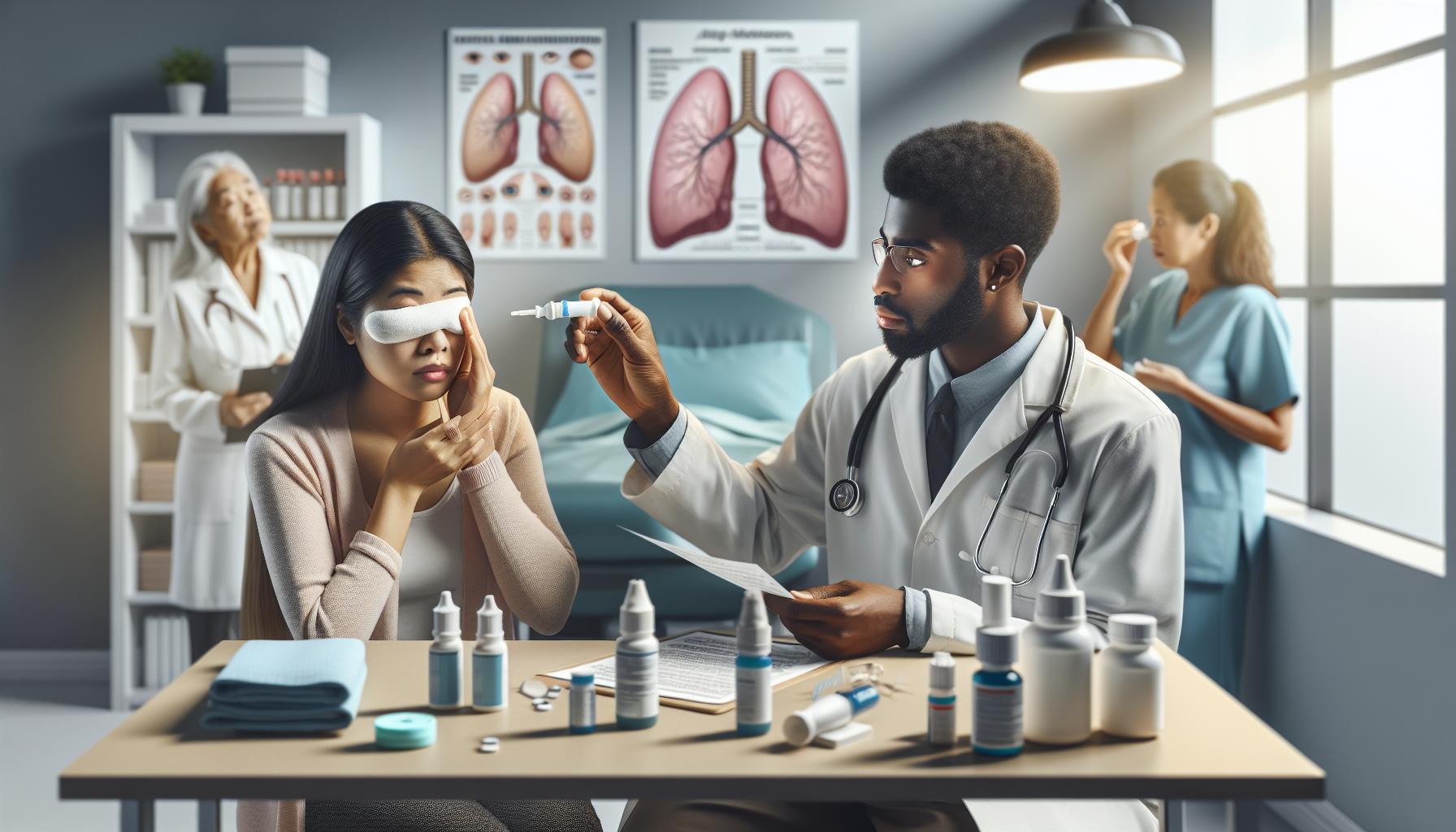
Experiencing eye-related symptoms due to allergies can be both frustrating and debilitating. For many, these symptoms can easily be mistaken for regular irritations without considering underlying allergic reactions. Notably, when the immune system reacts to allergens like pollen, dust, or pet dander, it triggers a cascade of responses that can significantly impact vision and comfort. Recognizing the signs early can make a substantial difference in managing discomfort and maintaining eye health.
- Itchy Eyes: A hallmark of allergic reactions, itchy eyes often lead individuals to rub their eyes, exacerbating irritation. This persistent itchiness is typically a result of histamine release from the immune response to allergens.
- Redness: When histamines are released, they cause blood vessels in the eyes to dilate. This vascular response can lead to a noticeably red or bloodshot appearance, signaling inflammation and irritation.
- Swelling: The inflammatory response can also cause puffiness around the eyes, often making eyelids feel heavy or uncomfortable. This swelling can further obscure vision, especially in severe cases.
- Blurred Vision: Excessive tearing, a common allergic response, can lead to blurred vision. The discharge that accompanies allergy flare-ups may temporarily cloud vision, making it difficult to focus.
For those who regularly battle these symptoms, understanding their triggers is crucial. Keeping a diary of when symptoms occur-perhaps linked to seasonal allergens or specific environmental exposures-can provide insights. For immediate relief, over-the-counter antihistamines and artificial tears can be effective in soothing irritated eyes and reducing symptoms. Additionally, implementing lifestyle adjustments like using dust-proof covers on pillows and bedding, and investing in an air purifier can create a more controlled environment.
Ultimately, being proactive about recognizing the symptoms and seeking appropriate treatment can drastically improve the quality of life for individuals with allergy-related eye issues.
How Allergies Impact Eye Health: The Science Explained

Allergies can set off a profound chain reaction within the immune system, leading to symptoms that extend beyond typical nasal or skin reactions and significantly impact eye health. When allergens such as pollen, dust mites, or pet dander invade the body, the immune system mistakenly identifies them as harmful invaders. This triggers the release of histamines and other chemicals, causing inflammation in various bodily tissues, including the delicate structures of the eyes. Understanding this process can be vital for anyone navigating the complexities of allergy-related eye issues.
The eyes are particularly susceptible to these immune responses, leading to a spectrum of symptoms that might initially seem trivial but can spiral into more serious conditions if left untreated. For instance, when histamines inflame the conjunctiva (the eye’s outer membrane), symptoms such as redness and itchiness ensue. Rubbing or touching the eyes out of irritation can exacerbate these symptoms, leading to further inflammation and even infection. Moreover, the overproduction of tears in response to allergens can lead to blurred vision and discomfort, further complicating daily activities and overall quality of life.
Integrating proactive management strategies is crucial for those affected. For instance, implementing regular cleaning routines to minimize allergen exposure is beneficial. Consider using damp cloths to dust surfaces, thus preventing allergens from becoming airborne. Eye drops specifically formulated for allergy relief can alleviate discomfort immediately, while antihistamines taken orally may prevent symptoms from escalating throughout the day. Creating a personal action plan that includes awareness of triggers and potential environmental adjustments can empower individuals to maintain better eye health amid allergy challenges.
In some cases, persistent allergic reactions can contribute to chronic eye conditions, such as allergic conjunctivitis, which requires professional evaluation. Recognizing the signs early, such as persistent redness or significant visual disturbances, can lead to more effective treatment and avoid complications. Consulting with an eye care professional may reveal further insights into managing symptoms and ensuring long-term eye health in the face of allergies.
Identifying Hidden Symptoms of Allergies Affecting Vision
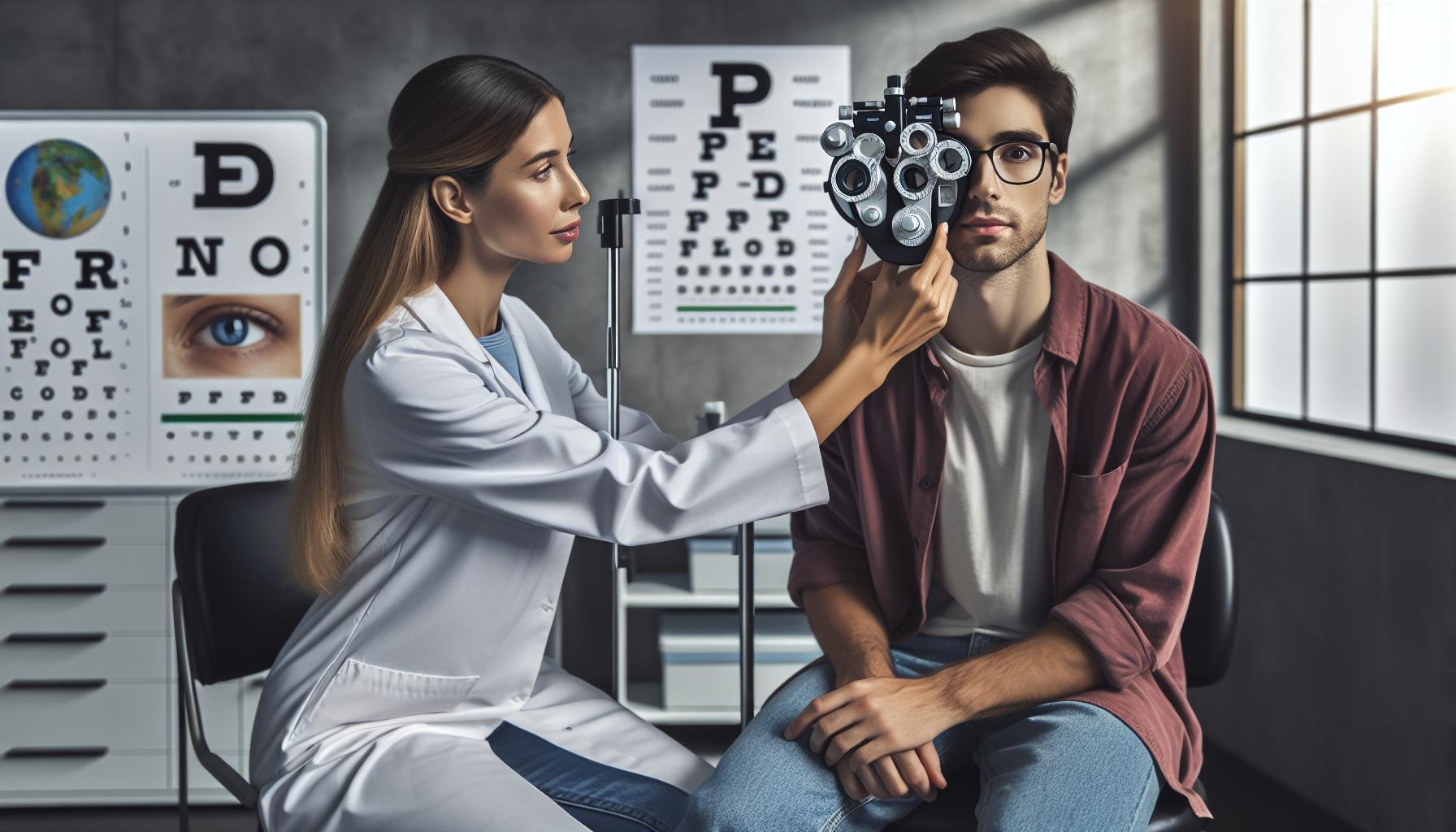
Recognizing the often-overlooked impact of allergies on vision is crucial for maintaining eye health. While many people associate allergies with sneezing and a runny nose, the eyes can also experience a variety of hidden symptoms that hint at underlying allergic reactions. For instance, if you frequently experience persistent redness, tearing, or a sensation of grit in your eyes, these could be signs of allergic conjunctivitis or related conditions triggered by allergens in your environment. Often, these symptoms can be mistaken for dry eye syndrome or other eye disorders, making it essential to consider an allergic cause, especially if you’re exposed to common allergens like pollen, pet dander, or dust mites.
One of the more subtle manifestations of allergy-related eye issues is blurred vision, which can stem from excessive tearing or swelling of the conjunctiva. This swelling may not always be immediately visible but can lead to discomfort that disrupts daily activities. Many individuals dismiss these symptoms as temporary irritations, but when they persist or recur, it’s a clear signal that it’s time to investigate potential allergic triggers. Other hidden symptoms may include frequent headaches or fatigue, which can also arise from straining the eyes in reaction to allergy-related discomfort.
To effectively identify these hidden symptoms, maintaining a symptom diary can be beneficial. Document when symptoms occur, their severity, and what allergens you may have been exposed to prior to their onset. This can help provide valuable information during consultations with healthcare professionals and lead to targeted management strategies. Additionally, being aware of the environment, including changes in seasons and indoor allergens, can further assist in recognizing patterns that might relate to your vision and eye health.
Taking proactive steps to manage your allergy symptoms can greatly improve your overall eye health. Consider integrating allergy medications such as antihistamines, using artificial tears to alleviate dryness, and employing regular cleaning practices to reduce allergen exposure in your home. Remember, addressing the underlying allergies may provide relief from the vision-related symptoms, promoting a clearer and more comfortable visual experience.
Practical Tips for Managing Allergies and Eye Health

Identifying and managing the impact of allergies on eye health is crucial for maintaining both comfort and clarity of vision. Many people experience eye-related symptoms without realizing the underlying cause may be allergies. Here are some practical steps to help you better manage your allergy symptoms and protect your vision.
Keep Your Environment Allergen-Free
A clean living space can significantly reduce allergy triggers. Regularly vacuum your home using a vacuum cleaner equipped with a HEPA filter to capture dust and pet dander effectively. Consider using air purifiers in high-traffic areas to filter out airborne allergens. Additionally, wash bedding in hot water weekly and minimize clutter that can collect dust.
Stay Hydrated and Use Artificial Tears
Water plays an essential role in maintaining eye health. Staying hydrated can help prevent dry eyes, making them less prone to irritation from allergens. If you already experience dryness or discomfort, using preservative-free artificial tears can provide relief by replenishing moisture and flushing out allergens that may have settled on the eye’s surface.
Select Appropriate Allergy Medications
Over-the-counter antihistamines can counteract allergy symptoms effectively. Consider discussing options with a healthcare professional to find the right medication for you. In some cases, prescription-strength medications or even allergy shots (immunotherapy) may be needed for more severe cases. These treatments can help eliminate or reduce your sensitivity to specific allergens, thereby improving your overall eye health.
Be Mindful of Seasonal Changes
If you know you have seasonal allergies, take proactive measures ahead of peak pollen seasons. Monitor pollen forecasts and limit outdoor activities on days with high counts. Wearing sunglasses can help shield your eyes from direct exposure to allergens and reduce the tendency to rub your eyes, which can exacerbate irritation and lead to further complications.
By implementing these strategies and remaining aware of your environment and health, you can gain greater control over allergy symptoms affecting your vision. Prioritizing eye health through practical management techniques not only improves your quality of life but also reduces the risk of developing chronic eye conditions linked to allergens.
When to Seek Medical Help for Allergy-Related Vision Issues
Allergies can have a profound impact on eye health, but knowing when to seek medical help can be crucial for protecting your vision. While many allergy-related symptoms might be uncomfortable, identifying the severity of your condition can help you make informed decisions. For instance, persistent redness, swelling, or discomfort in your eyes may indicate a need for professional evaluation. If your symptoms worsen despite home treatments or lead to significant irritation or pain, it’s important to consult with a healthcare provider.
Recognizing Severity
It’s essential to determine if your symptoms are within the realm of typical allergic reactions or if they require further medical intervention. Common signs that indicate a need for medical attention include:
- Severe swelling around the eyes that affects your vision.
- Persistent redness that doesn’t improve with over-the-counter treatments.
- Discharge from the eyes, which could indicate an underlying infection.
- Loss of vision or blurred vision that lasts for an extended period.
- Intense itching or discomfort that interferes with daily activities.
If you experience any of these symptoms, it’s crucial not to delay in seeking help from an eye care professional. Early intervention can prevent complications and help you manage your symptoms more effectively.
Consulting Experts
In cases where allergies lead to conditions like allergic conjunctivitis, professional treatment may be necessary to alleviate symptoms. Eye care specialists can provide comprehensive evaluations, prescribe appropriate medications, and suggest treatments such as antihistamines or corticosteroid eye drops to help mitigate your allergic responses.
Being proactive about your eye health is empowering; understanding when to seek help can make all the difference. By paying close attention to your body’s signals and acting swiftly when symptoms escalate, you can ensure that you maintain not only your comfort but also the clarity of your vision.
Natural Remedies for Eye Allergies: What Works?
Many people are surprised to learn that natural remedies can provide significant relief for eye allergies, often as effective alternatives or complements to conventional treatments. Common ingredients in household cupboards may offer soothing effects to help alleviate symptoms like itching, redness, and swelling. Exploring these options can empower those suffering from allergic reactions to take charge of their eye health with simple, accessible solutions.
One popular method is the use of cold compresses. Applying a clean, cool cloth over the eyes for 10 to 15 minutes can drastically reduce swelling and irritation. Cold compresses work by constricting blood vessels, thereby providing relief from inflammation. Additionally, tea bags, particularly green or chamomile tea, can offer both antioxidant and anti-inflammatory benefits when cooled and placed over closed eyes. The tannins in these teas can help soothe skin irritation and reduce inflammation.
Utilizing saline eye rinses can also help clear allergens from the eyes. This can be particularly useful after exposure to pollen or dust. A simple saline solution can be made by dissolving a teaspoon of salt in a cup of distilled water. Using a clean dropper or eye cup, rinse your eyes to wash out irritants. Another natural remedy includes lubricating eye drops (artificial tears), which can wash away allergens and provide moisture, thereby reducing dryness and irritation.
Additionally, high-antioxidant foods and omega-3 fatty acids may aid in reducing allergic responses overall. Incorporating foods like spinach, blueberries, and walnuts into your diet can support eye health. It’s not a direct treatment, but a well-maintained diet can strengthen your body’s immune response and reduce the severity of allergic reactions.
While these natural remedies can yield positive results, it’s essential to recognize that some cases of eye allergies might require medical intervention. If symptoms persist or worsen, consulting a healthcare professional is crucial to rule out serious conditions and explore more intensive treatments like antihistamines or prescription eye drops.
Empowering yourself with knowledge of these natural remedies not only offers immediate alleviation but also enhances your overall understanding of how to manage eye allergies effectively. By integrating these simple practices into your routine, you can achieve a more comfortable experience while navigating seasonal or chronic allergic reactions.
Understanding Allergic Conjunctivitis: Causes and Treatments
Experiencing red, itchy, or watery eyes can be a frustrating symptom of allergic conjunctivitis, a common condition arising from allergens like pollen, pet dander, or dust mites. This non-infectious type of conjunctivitis is caused when allergens come into contact with the eyes, leading to inflammation in the conjunctiva – the thin layer that covers the whites of the eyes and the inside of the eyelids. Recognizing the signs and understanding the underlying mechanisms can empower you to seek appropriate treatments and manage symptoms effectively.
Causes of Allergic Conjunctivitis
The underlying causes of allergic conjunctivitis are predominantly related to immediate hypersensitivity reactions. When an allergen is detected, your immune system responds by releasing histamines, which can cause symptoms such as redness, swelling, and tearing. Common triggers include:
- Pollen from trees, grasses, and weeds
- Dust mites found in household dust
- Pet dander from cats and dogs
- Mold spores
- Other environmental factors like smoke or strong odors
Avoiding allergens whenever possible is crucial. For example, staying indoors on high pollen days, using air purifiers, or regularly cleaning your living space can significantly reduce exposure to triggers.
Treatment Options
Managing allergic conjunctivitis often involves various treatments aimed at alleviating symptoms and addressing the root cause. Here are some effective strategies:
- Antihistamines: Oral antihistamines can help reduce overall allergic responses, while antihistamine eye drops provide quick relief to localized eye symptoms.
- Cold compresses: Applying a cool cloth over the eyes can ease inflammation and discomfort caused by irritation.
- Artificial tears: Lubricating eye drops help wash away allergens and provide moisture, effectively reducing dryness and irritation.
- Allergy shots (immunotherapy): In some cases, long-term relief may be achieved through treatments that gradually desensitize the immune response to specific allergens. This approach may take time but can lead to lasting effects.
Consulting an eye care professional is essential when you experience persistent symptoms. They can help determine whether eye allergies are the root cause of your discomfort or if another condition is present. By taking proactive measures and utilizing appropriate treatments, you can reclaim comfort in your daily activities while minimizing the impact of allergic conjunctivitis on your vision.
The Role of Allergies in Chronic Eye Conditions
Allergies can significantly influence the progression and exacerbation of chronic eye conditions, often leading to a frustrating cycle of symptoms and discomfort. For many individuals, ongoing exposure to allergens such as pollen, dust mites, and pet dander not only triggers immediate reactions but can also aggravate existing eye issues like dry eye syndrome, blepharitis, and even more severe conditions such as keratitis. This connection can often be overlooked but is crucial for effective management and relief.
Chronic inflammation resulting from prolonged allergic reactions can impact the tear film’s stability, leading to dry eyes, irritation, and increased sensitivity. For instance, the inflammatory mediators produced during an allergic response can disrupt the normal function of the ocular surface, reducing tear production and leading to a cycle where dryness prompts more irritation, further triggering allergic responses. This complexity means that individuals with chronic eye issues should consider potential allergic components as a significant part of their symptoms.
To effectively manage these interconnected issues, it is important to pursue a multi-faceted approach. Regular visits to an eye care specialist can help identify specific allergens through testing, allowing for tailored advice and treatment options. Implementing a comprehensive allergy action plan, such as using antihistamines during peak allergy seasons and utilizing preservative-free artificial tears for hydration, can alleviate symptoms while supporting overall eye health. Understanding the link between allergies and chronic eye conditions helps patients take control of their situation rather than being overwhelmed by it, paving the way for improved quality of life.
Being proactive is key; monitoring allergies closely, maintaining a clean living environment, and incorporating air purifiers can significantly reduce triggers and symptoms. As allergy seasons change, adjusting routines can safeguard eye health and reduce the chance of chronic conditions flaring up. Recognizing these interactions empowers individuals to seek tailored interventions, ultimately enhancing their vision and comfort.
Preventative Measures to Protect Your Eyes from Allergies
Exposure to allergens can significantly impact eye health, leading to discomfort, irritation, and various vision-related symptoms. Taking proactive measures to shield your eyes from potential allergens is crucial in maintaining your overall eye health and comfort. Simple yet effective strategies can help alleviate symptoms and improve your quality of life.
Maintain Clean Indoor Environments
Regularly cleaning your living space can dramatically reduce allergens. Focus on:
- Dusting Surfaces: Use damp cloths to trap dust rather than spread it around.
- Vacuuming: Use a vacuum with a HEPA filter to capture dust mites and pollen; consider doing this regularly, especially during high pollen seasons.
- Air Purifiers: Invest in high-efficiency particulate air (HEPA) purifiers for your home to filter allergens from the air.
Protect Your Eyes Outdoors
When venturing outside, especially during allergy season, consider the following tips:
- Sunglasses: Wearing sunglasses helps shield your eyes from airborne allergens and minimizes sun exposure that can exacerbate symptoms.
- Avoid Peak Allergen Times: Try to stay indoors during high pollen counts, typically in the early mornings and on windy days.
- Showering After Outdoor Activities: Rinse off pollen and other allergens from your skin and hair to reduce indoor exposure.
Consulting with an Eye Care Specialist
Regular check-ups with an eye care professional can help identify specific allergens and develop a personalized management plan. Discuss options such as:
- Allergy Testing: Knowing what triggers your symptoms can lead to targeted avoidance strategies.
- Allergy Medications: Antihistamines and eye drops can reduce inflammation and discomfort caused by allergies.
Embracing these preventative measures requires a proactive mindset and a commitment to maintaining a comfortable environment. By understanding your allergies and implementing these strategies, you can take control of your eye health, ultimately empowering yourself to enjoy both your daily activities and the beauty of the world around you.
The Importance of an Allergy Action Plan for Vision Health
An effective approach to maintaining vision health for those suffering from allergies is to establish a comprehensive allergy action plan. When allergy season strikes, symptoms can escalate quickly, creating discomfort that affects daily life. An action plan tailored to your specific triggers can make a significant difference, enabling individuals to manage their reactions proactively rather than reactively, reducing the impact on their eye health and overall well-being.
To create your action plan, start by identifying your specific allergens. This could involve keeping a diary of symptoms, noting when they occur and potential triggers, or consulting with an allergist for precise testing. Once you understand what provokes your allergies, you can develop strategies to avoid these triggers. For example, if pollen is a primary concern, plan outdoor activities on days with lower pollen counts, typically after it rains or on days when the wind is calm.
Additionally, ensure you have a reliable arsenal of medications at hand. Over-the-counter antihistamines and prescribed eye drops can alleviate discomfort caused by allergens. It’s essential to have these medications readily accessible during allergy season. Educating yourself about how to use these treatments effectively can help you respond swiftly when symptoms arise. Moreover, consider scheduling regular appointments with an eye care specialist to monitor any ongoing effects of allergies on your vision, allowing for timely adjustments to your plan.
By taking these steps, you empower yourself to manage not only the visual consequences of allergies but also enhance your overall quality of life. Regularly reviewing and updating your action plan ensures that it evolves with your lifestyle and changing allergy patterns, helping to keep both your eyes and spirits clear regardless of the season.
Debunking Myths: Allergies and Your Eyes Explained
Many people believe that allergies only cause sneezing and itching, but the reality is far more complex-and particularly concerning for eye health. Allergies can indeed lead to a range of ocular symptoms that often go unrecognized. For instance, while allergic rhinitis (hay fever) is commonly associated with nasal symptoms, it can also trigger significant eye-related issues. Understanding these misconceptions is crucial for managing eye health and overall comfort during allergy season.
One prevalent myth is that only seasonal allergens, like pollen, affect the eyes. However, many allergens-such as pet dander, mold, and dust mites-can also cause eye problems. Individuals who are sensitive to these substances may experience symptoms even when the outdoors seem allergen-free. Symptoms like redness, swelling, and tearing can drastically interfere with daily life and should not be dismissed as mere irritation. Educating yourself about the wide array of potential allergens can empower you to take proactive measures.
Another common misconception is that allergy symptoms in the eyes are merely an inconvenience rather than a potentially serious issue. Many suffer from eye allergies without realizing that this chronic discomfort can lead to more significant problems, such as allergic conjunctivitis, which may require treatment to avoid complications. Chronic eye inflammation has been linked to conditions that can negatively affect vision over time, making it essential to recognize and address these symptoms early.
To effectively manage these issues, maintaining a clear line of communication with an eye care specialist is vital. Regular check-ups can help monitor the effects of allergies on your vision and adjust treatment plans as necessary. This proactive approach not only alleviates current symptoms but also helps prevent future complications. By dispelling these myths and acknowledging the connection between allergies and eye health, individuals can better navigate allergy seasons with informed strategies and effective treatments at their disposal.
Q&A
Q: How do allergies cause eye problems?
A: Allergies trigger an immune response, leading to inflammation in the eyes. This can cause symptoms like redness, itching, and swelling, often grouped under allergic conjunctivitis. Managing allergens can alleviate these symptoms and protect eye health.
Q: What are some subtle symptoms of allergies affecting vision?
A: Subtle symptoms of allergies affecting vision include frequent rubbing of the eyes, mild vision blurriness, and increased sensitivity to light. Identifying these early signs can help in seeking prompt treatment to manage allergens effectively.
Q: Can seasonal allergies impact vision during specific times of the year?
A: Yes, seasonal allergies can significantly affect vision during high pollen seasons, such as spring and fall. Increased exposure to allergens can exacerbate eye symptoms, making it crucial to monitor environmental conditions and take preventive measures.
Q: What preventive measures can help protect my eyes from allergies?
A: Preventive measures include using air purifiers, keeping windows closed during high pollen counts, and wearing sunglasses outside. Regularly washing your hands and avoiding eye rubbing can also help reduce exposure to allergens.
Q: When should I seek medical help for allergy-related vision issues?
A: Seek medical help if you experience severe pain, significant changes in vision, or persistent symptoms despite allergy management. Early intervention can prevent complications like chronic eye conditions and improve overall eye health.
Q: Are there specific allergens that commonly affect eye health?
A: Common allergens affecting eye health include pollen, dust mites, pet dander, and mold. Identifying and minimizing exposure to these allergens can significantly reduce eye-related allergic symptoms.
Q: How does allergic conjunctivitis differ from other types of eye allergies?
A: Allergic conjunctivitis is specifically an inflammation of the conjunctiva due to allergens, resulting in watery, itchy, and red eyes. Other types may include ocular surface allergies, which can have different symptoms and may require distinct treatment approaches.
Q: Can eye allergies lead to long-term eye problems?
A: If untreated, eye allergies can contribute to chronic conditions like dry eyes or even damage to the cornea. It’s essential to manage allergy symptoms actively to protect long-term eye health and maintain clear vision.
Future Outlook
Thank you for exploring how allergies can impact your vision and the hidden symptoms to watch for. Remember, recognizing these signs early can significantly improve your quality of life. If you’ve experienced symptoms like itchy, watery eyes or blurred vision after exposure to allergens, it’s time to take action. Don’t hesitate-consider scheduling a consultation with an eye care specialist to address your concerns and explore treatment options.
For more in-depth insights, check out our articles on managing seasonal allergies or understanding ocular allergies. Your health matters, and we’re here to empower you on this journey. Join our community by signing up for our newsletter for tips and resources tailored to your needs. Share your experiences in the comments below, and follow us for future updates and helpful content. Your path to better vision starts with informed choices!


