Did you know that your seasonal allergies could be impacting your skin? Many people are surprised to learn that allergies might not only lead to sneezing and a runny nose but could also contribute to troublesome acne breakouts. Understanding the connection between allergies and skin health is essential for anyone struggling with persistent blemishes.
For those who endure the discomfort of allergic reactions, the frustrating reality is that these immune responses can trigger inflammation in the body-sometimes manifesting in unwanted skin issues like acne. By recognizing how allergens affect your skin, you can take proactive steps to manage breakouts and improve your complexion while alleviating allergy symptoms.
Join us as we explore the link between allergies and acne, uncovering potential triggers and offering actionable strategies to achieve clearer skin. Your journey to better skin health could be closer than you think!
Understanding Allergies: What Causes Them?
Understanding allergies begins with recognizing that they are the body’s misguided reactions to substances that are typically harmless. These substances, known as allergens, can be found in various forms such as pollen, dust mites, mold, pet dander, certain foods, and even medications. When someone with allergies encounters these triggers, their immune system mistakenly identifies them as threats, leading to an exaggerated immune response. This response involves the production of immunoglobulin E (IgE) antibodies, which trigger the release of histamines and other chemicals in the body. These chemicals cause the symptoms commonly associated with allergic reactions, including inflammation, itching, and in some cases, skin issues like acne.
While the connection between allergies and acne may not be immediately apparent, it’s important to understand the body’s inflammatory processes. Allergies can contribute to skin irritation and inflammation, which in turn may exacerbate acne. For example, an allergic reaction to a skincare product could lead to red, inflamed patches on the skin, which can become acne-prone if not treated properly. Similarly, environmental allergens such as pollen or dust can clog pores and provoke skin irritation, leading to breakouts. Understanding these dynamics empowers individuals to take proactive steps in managing their skin health, especially if they are prone to both allergies and acne.
Identifying what specifically triggers your allergies is a critical step in managing their effects on your skin. Consider keeping a detailed diary of your daily activities, food intake, and skincare products used to help pinpoint possible allergens. Additionally, regular consultations with healthcare professionals can provide valuable insights and tailored strategies to mitigate symptoms. Simple measures, such as using hypoallergenic products, maintaining a clean environment, and reducing exposure to known allergens, can significantly improve both allergy symptoms and skin clarity.
Incorporating a holistic approach may benefit those struggling with the dual challenges of allergies and acne. This might include adopting an anti-inflammatory diet rich in antioxidants, staying hydrated, and utilizing natural remedies like aloe vera or chamomile to soothe irritated skin. Prioritizing skin care routines that protect against environmental aggressors can also play a vital role in maintaining skin health while managing allergies.
The Mechanism of Allergies and Skin Reactions
When an allergen invades the body, it triggers a complex biochemical response that’s often invisible but profoundly impactful. Upon first exposure to allergens-whether it’s pollen, pet dander, or certain foods-the immune system overreacts by producing immunoglobulin E (IgE) antibodies. These antibodies signal the body to release histamines and other inflammatory chemicals. While these reactions serve to protect the body against what it perceives as threats, they can also lead to unintended consequences on the skin, contributing to conditions like acne.
This skin reaction stems from the inflammatory cascade initiated by allergens. When histamines are released, they lead to increased blood flow and inflammation in the affected areas. This inflammation can manifest as redness and swelling, creating a fertile ground for acne development. For instance, an individual who has a reactive skin type may find that even minor exposures to allergens-such as dust or mold-can lead to breakouts around sensitive areas of the face. The connection between these allergic responses and acne may not be universally recognized, yet it is a real concern for many experiencing both issues.
Implementing proactive strategies can help manage the skin’s response to allergies effectively. Here are some practical steps to consider:
- Identify triggers: Keeping a detailed record of your exposures and skin reactions can unveil specific allergens that exacerbate your acne.
- Choose skincare wisely: Opting for hypoallergenic and non-comedogenic products can minimize the risk of further irritation and breakouts.
- Manage inflammation: Incorporating anti-inflammatory foods into your diet-like leafy greens, fatty fish, and nuts-can support skin health and reduce inflammatory reactions.
Understanding the intricate interplay between allergies and skin reactions empowers you to take control of your skin health proactively. By recognizing the signs, avoiding common allergens, and using targeted skincare practices, you can significantly reduce the incidence of allergy-related acne, allowing you to maintain clearer and healthier skin.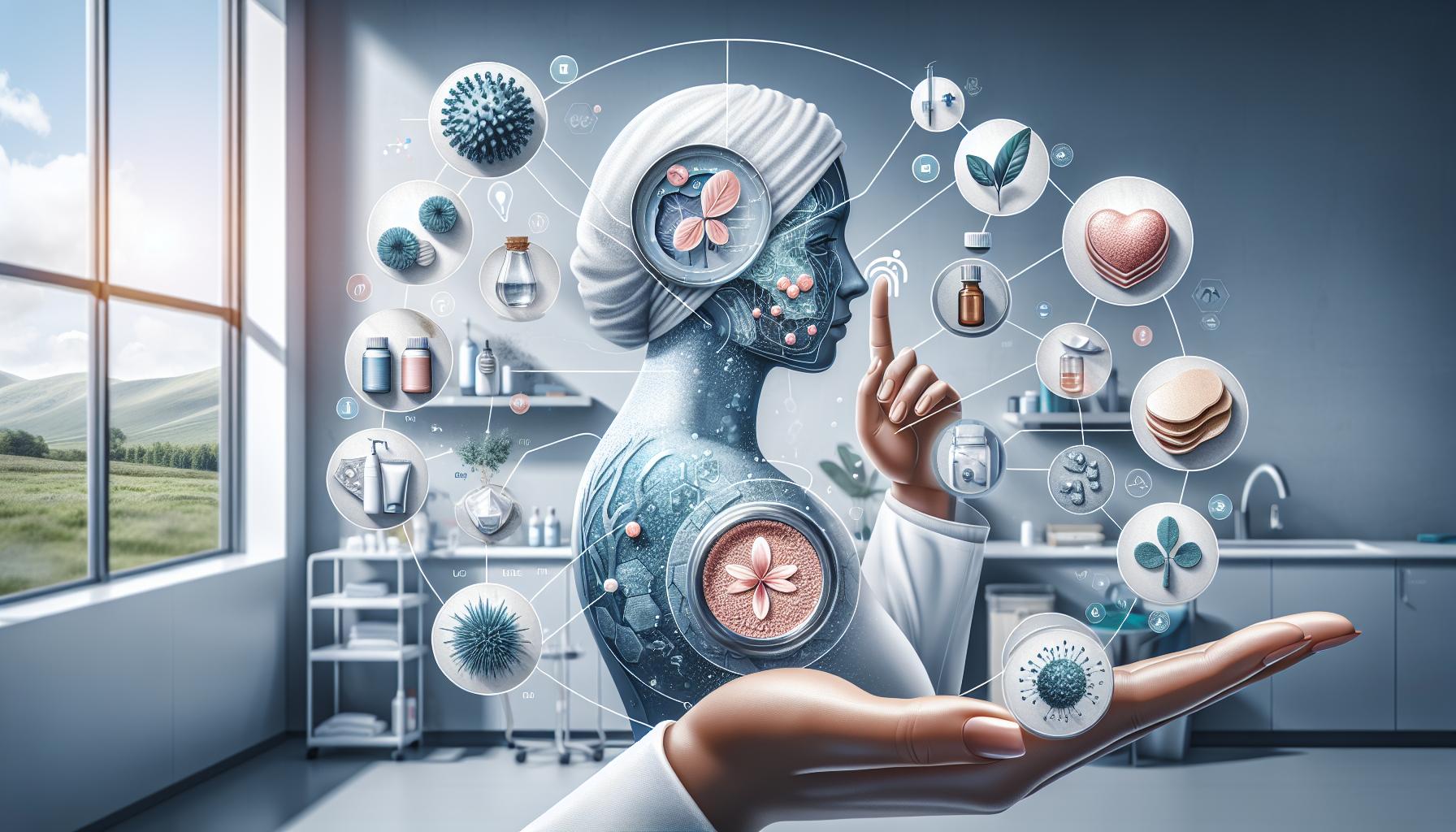
Connecting Allergies and Acne: Is There a Direct Link?
Allergies can be quite the nuisance, not just for your sinuses but also for your skin. For many individuals, exposure to allergens can trigger unexpected skin responses, leading to blemishes and irritation that mimic or exacerbate acne. When the body comes into contact with allergens-whether it’s pollen, dust mites, or pet dander-the immune system responds by releasing histamines and other inflammatory chemicals. This inflammatory response often manifests as redness, swelling, and even breakouts on the skin.
A significant number of individuals may not connect their allergic reactions to their skin issues, yet the relationship is more direct than one might think. For those who are especially sensitive, common allergens can provoke a localized inflammatory reaction on the skin, unfolding as acne-like lesions. Additionally, when inflammation occurs, it can impede the skin’s natural healing processes, making it more susceptible to pore blockages and, consequently, acne development. For example, someone with a known allergy to environmental triggers might notice that during peak allergy seasons, their skin condition worsens-leading to increased breakouts that coincide with their allergies.
To navigate this complex relationship, it’s essential to adopt a multi-faceted approach. Start by identifying specific allergens that exacerbate your skin issues. Keeping a journal can help track flare-ups and correlate them with potential allergen exposure. Consider consulting with an allergist to identify triggers and develop a tailored plan for managing your allergens. Additionally, if you find that certain ingredients in skincare products or makeup aggravate your skin, opting for hypoallergenic and non-comedogenic items can minimize reactions.
By understanding the connection between allergies and acne, you empower yourself to take actionable steps toward clearer skin. Whether through careful product selection or lifestyle adjustments, recognizing the signs and avoiding triggers can significantly impact your skin’s health, helping you achieve that glow everyone desires.
Common Allergens That May Trigger Breakouts
Certain allergens are more notorious than others when it comes to triggering skin reactions that can mimic or worsen acne. For many individuals facing skin issues, recognizing and addressing these common allergens can be a crucial step towards clearer skin. Your body might react to different allergens in ways that can lead to inflammation, irritation, and ultimately, breakouts. Among the most common offenders are:
- Pollen: Seasonal allergies due to pollen from trees, grasses, and weeds can lead to redness and swelling in affected areas, contributing to acne-like lesions.
- Dust mites: These microscopic creatures thrive in household environments and their waste products are significant irritants, often triggering allergic reactions that can affect skin health.
- Pet dander: For pet owners, interaction with animals such as cats and dogs can provoke allergies, leading to skin irritation, inflammation, and increased breakouts.
- Mold spores: Indoor and outdoor molds can also trigger allergic reactions, causing skin to react with rashes or acne-like lesions during high exposure periods.
- Food allergens: For some, foods like nuts, dairy, or gluten can cause systemic reactions that may include dermatological issues, showcasing how diet can influence skin health.
Understanding how these allergens interact with your body can empower you to take control of your skin health. For instance, if you notice breakouts coincide with high pollen counts or when you’re in environments heavy with dust or pet dander, consider allergy testing to identify specific triggers. Keeping an allergy diary can also help correlate flare-ups with allergen exposure and assess whether changes in diet or lifestyle influence your skin condition.
Once you identify potential allergens, effective action steps include minimizing exposure by maintaining a clean living environment, incorporating air purifiers, or selecting hypoallergenic skincare and makeup products. Engaging with an allergist can provide further insights and tailored recommendations that suit your specific needs. As you navigate your skincare journey, remember that addressing underlying allergic factors can pave the way for healthier, clearer skin-potentially reducing the frequency and severity of breakouts.
How Food Allergies Can Affect Your Skin
Food allergies can be more than just an inconvenience; they can profoundly affect your skin’s health, often leading to conditions such as acne or other dermatological issues. When certain foods trigger an allergic reaction in your body, the immune system responds by releasing chemicals, including histamines, which can cause inflammation. This inflammatory response might manifest on your skin, presenting as redness, rashes, or even acne-like lesions. Understanding this connection is crucial for those struggling with unexplained breakouts that correlate with certain dietary choices.
Common food allergens include dairy, nuts, soy, gluten, and shellfish. For instance, individuals with lactose intolerance who also have dairy allergies might notice that consuming cheese or milk worsens their skin condition, leading to increased irritation and acne flare-ups. It’s essential to monitor your body’s reactions to these foods. Keeping a food diary can be an effective way to track what you eat alongside your skin’s condition, helping to identify potential triggers. Not only does this promote awareness of your dietary habits, but it also empowers you to make informed decisions that could lead to clearer skin.
To mitigate the impact of food allergies on your skin, consider an elimination diet under professional guidance to identify specific allergens. This method involves removing potential trigger foods from your diet and then gradually reintroducing them one by one while observing your skin’s reaction. Additionally, maintaining a balanced intake of anti-inflammatory foods-like fatty fish, leafy greens, and fruits-can support your skin health while reducing the risk of allergic reactions. Consultation with a dermatologist or allergist is advisable; they can help determine the best course of action and may provide tailored treatments, including topical therapies or antihistamines, to help manage symptoms effectively. By taking these proactive steps, you can significantly enhance your skin health and regain control over how your body responds to food allergens.
The Role of Environmental Allergens in Acne Development
While many people associate allergies with sneezing and congestion, they can also have a significant impact on skin health, particularly in the development of acne. Environmental allergens such as pollen, pet dander, mold, and dust mites can stimulate an inflammatory response in the body. When the immune system detects these allergens, it releases histamines and other inflammatory chemicals, which can lead not only to conventional allergy symptoms but also to skin flare-ups, including acne.
For individuals predisposed to acne, environmental allergens can exacerbate existing skin conditions. The inflammation triggered by allergens often leads to increased oil production in the skin, clogging pores and resulting in breakouts. Additionally, allergens can cause skin irritation and rashes, similarly to how they trigger respiratory symptoms, compounding the challenges for those with sensitive skin.
Managing and Reducing Environmental Allergen Impact
There are practical steps individuals can take to minimize the effects of environmental allergens on their skin. Consider these actionable strategies:
- Keep Your Environment Clean: Regularly dust and vacuum your home to reduce dust mite exposure. Use air purifiers to decrease airborne allergens.
- Monitor Pollen Counts: During high pollen seasons, limit outdoor activities and shower after being outside to remove allergens from your skin and hair.
- Hydration and Moisturization: Use gentle, hydrating skincare products to maintain skin moisture, which can help protect against irritation from allergens.
- Consulting Professionals: If skin issues persist, seeking advice from a dermatologist or allergist can lead to tailored treatments, including topical corticosteroids or antihistamines.
Identifying personal triggers is critical in managing skin health effectively. Keeping a journal of skin reactions in relation to environmental exposure can empower individuals to make informed choices that alleviate their acne while addressing allergic sensitivities. By fostering a proactive relationship with their skin, those struggling with both allergies and acne can find relief and improve their overall skin clarity.
Impact of Allergic Reactions on Skin Health
Allergic reactions can profoundly affect skin health, often leading to conditions such as acne that are not commonly associated with allergies. When the body encounters allergens-be it pollen, pet dander, or dust mites-the immune system responds aggressively, releasing histamines and other inflammatory substances. This inflammatory response can create an environment conducive to acne development, particularly for individuals already prone to breakouts. When oil production in the skin increases due to inflammation, it can result in clogged pores, leading to acne formation.
Furthermore, skin can become more sensitive and reactive due to allergic responses, leading to further complications. For some, the appearance of hives, redness, or rashes can resemble or exacerbate acne-like symptoms. Even benign activities, like sweating or using topical products, can trigger flare-ups in individuals with heightened skin sensitivity due to allergens. This creates a cycle of irritation and inflammation that not only affects the appearance of the skin but also its overall health and function.
To mitigate the effects of allergic reactions on the skin, adopting effective skincare routines and environmental adjustments can prove beneficial. Here are some strategies:
- Avoid Known Triggers: Identify and limit exposure to personal allergens where possible. Keeping a diary of skin reactions can be helpful in pinpointing triggers.
- Adopt a Gentle Skincare Routine: Use hypoallergenic products free from common irritants that may exacerbate sensitivity. Look for non-comedogenic options to avoid clogging pores.
- Maintain Skin Hydration: Regularly use moisturizers that can help repair the skin barrier and prevent dehydration, which can worsen irritation.
- Seek Professional Guidance: For persistent issues, consulting a dermatologist can provide access to targeted treatments that address both allergic reactions and acne effectively.
By understanding the connection between allergies and skin health, individuals can take proactive steps to enhance their skin clarity and comfort, transforming an often frustrating condition into manageable aspects of their lives.
Identifying Allergies: Signs and Symptoms to Watch For
Recognizing the signs of allergies is essential for managing their impact on your skin, particularly if you’re experiencing unexpected breakouts. Allergic reactions can manifest in various ways, and understanding these symptoms can empower you to address potential triggers before they escalate. Common signs of allergies include sneezing, itching, and skin irritation that can easily be mistaken for acne flare-ups. For those with sensitive skin, the presence of hives, redness, or even swelling in areas affected by allergens can create confusion regarding the true nature of the skin’s physical state.
One of the most critical aspects of identifying allergies is monitoring your body’s response to certain substances. Keep an eye out for recurring symptoms that coincide with specific environments or materials, such as pet dander, pollen, food, or certain skincare products. To assist in identifying these triggers, consider maintaining a symptom diary. Document when reactions occur, noting the context-such as what you ate, where you were, or any new products you may have used. This practice can shed light on patterns that might suggest underlying allergies.
In addition to visual symptoms, allergies often provoke systemic responses, such as fatigue, headaches, or gastrointestinal issues. If you notice a pattern linking these additional symptoms with your skin breakouts, it may be time to explore allergy testing with a healthcare provider. Professional assessment can provide clarity, enabling you to differentiate between allergic reactions and other dermatological conditions, which is crucial for effective treatment.
Taking immediate action when you suspect allergies is vital. Consider eliminating common allergens from your environment, such as dust mites or specific foods, and observe whether your skin condition improves. If symptoms persist, seeking professional guidance is important; dermatologists can offer tailored solutions that address both the allergic component and its dermatological implications. By being proactive and aware of the signs, you can effectively manage your skin health while tackling the underlying issues linked to allergies.
Consulting Professionals: When to Seek Help
In the journey of understanding the link between allergies and acne, recognizing when it’s time to consult a professional can be a pivotal step toward clearer skin and greater well-being. While mild allergic reactions can often be managed at home through simple avoidance strategies and over-the-counter remedies, persistent or severe symptoms warrant professional insight. If breakouts seem to correlate with environmental changes-such as exposure to new pets, skincare products, or different foods-discussing these patterns with a dermatologist may provide valuable clarity and solutions.
Consider scheduling an appointment if you notice the following situations in relation to your skin breakouts:
- Recurring Symptoms: Consistent skin irritations that do not respond to home treatments or over-the-counter products may indicate an underlying allergy requiring professional evaluation.
- Skin Changes: If you experience sudden changes in your skin texture or appearance, such as swelling, hives, or persistent redness, consult a dermatologist for a thorough assessment.
- Systemic Reactions: Allergies can manifest beyond the skin. Symptoms such as fatigue, headaches, or gastrointestinal disturbances paired with skin issues should prompt a visit to a healthcare provider.
- Limited Improvement: If your efforts to manage acne through lifestyle changes or topical treatments yield minimal results, it’s time to explore potential allergy connections with a professional.
During your consultation, a healthcare provider may recommend allergy testing to pinpoint specific triggers. This can help differentiate between allergic reactions and other dermatological conditions, such as acne. The testing process often involves either blood tests or skin prick tests, which are relatively quick and can provide critical information on what substances may be contributing to skin flare-ups.
Upon identifying potential allergens, dermatologists can help devise a customized treatment plan that not only addresses acne but also mitigates the allergic reactions. Effective management can involve a combination of topical treatments, oral medications, and lifestyle adjustments tailored to your unique needs. Empower yourself by reaching out to professionals who can guide you on the path toward clearer skin and improved health. Remember, taking action is the first step in reclaiming your skin’s clarity and confidence.
Effective Treatments for Allergy-Related Acne
While the connection between allergies and acne might not be immediately obvious, many individuals find that managing their allergic reactions can lead to significant improvements in their skin health. Understanding and treating this dual concern requires a multifaceted approach that not only targets the acne itself but also addresses the underlying allergic triggers that may be contributing to skin flare-ups.
First and foremost, identifying specific allergens is key. Allergy testing, which can include skin prick tests or blood tests, helps determine what substances provoke allergic responses. Once identified, the most effective treatment strategy involves avoiding these allergens and integrating topical treatments that target both acne and irritation. For instance, gentle cleansers and moisturizers that are fragrance-free and hypoallergenic can be vital. Topical treatments containing ingredients like salicylic acid or benzoyl peroxide can aid in treating acne, while anti-inflammatory agents like chamomile or aloe vera can soothe irritated skin.
Oral Medications and Professional Guidance
In certain cases, oral medications may be necessary. Antihistamines can alleviate allergy symptoms, potentially reducing skin reactions. For more severe cases, dermatologists may prescribe corticosteroids or oral antibiotics that help manage both allergic reactions and acne flare-ups. Seeking professional guidance ensures that treatments are tailored to individual circumstances, ensuring both skin and overall health improve.
Holistic and Lifestyle Approaches
Lifestyle adjustments also play a pivotal role in managing allergy-related acne. Maintaining a log of skincare products, environmental exposure, and dietary intakes can provide valuable insights into patterns that worsen skin conditions. Incorporating a balanced diet rich in antioxidants, staying hydrated, and including omega-3 fatty acids can help reduce inflammation and promote better skin health. Natural remedies, such as tea tree oil or green tea extracts, might also serve as adjunct treatments, provided you are not sensitive to them.
Ultimately, combating allergy-related acne involves a proactive approach that includes understanding your body’s reactions, collaborating with healthcare professionals, and implementing lifestyle changes that promote skin clarity and resilience. Taking these steps can empower you to reclaim control over both your allergic conditions and your skin health.
Prevention Tips: Managing Allergies to Protect Your Skin
Understanding how to effectively manage allergies is essential for protecting skin health, especially for those who experience allergic reactions that may contribute to acne breakouts. A multifaceted strategy can dramatically improve skin clarity and reduce flare-ups, creating a win-win situation for both your skin and overall well-being.
One proactive step is to keep a detailed journal of potential allergens and your skin’s reactions. This includes noting down foods, skin care products, environmental factors (like pollen or dust), and any noticeable changes in your skin condition. Identifying patterns can illuminate specific triggers that worsen your acne, allowing you to make informed decisions and avoid these substances. When it comes to dietary choices, consider reducing processed foods and sugar; a balanced diet rich in fruits, vegetables, and healthy fats can support your skin’s resilience against allergies.
Another crucial aspect is selecting the right skin care products. Opt for hypoallergenic and fragrance-free options to minimize irritation. Gentle, non-comedogenic products that are free of harsh chemicals can help maintain your skin barrier. Ingredients such as zinc oxide and niacinamide are known for their soothing properties and can be beneficial for those with sensitive skin. Additionally, making a habit of patch testing new products before full application can prevent unexpected reactions and keep skin irritations at bay.
Regular cleansing is just as important. Rinse your face twice daily to remove allergens and impurities that may accumulate, especially after being outdoors or during high allergy seasons. Incorporating physical barriers-like wearing sunglasses or a wide-brimmed hat-when venturing into known allergen-rich environments can also shield your skin and reduce exposure. Finally, don’t underestimate the power of hydration; drinking plenty of water supports your skin’s overall health and helps flush out toxins, making it less reactive to allergens.
By taking these proactive measures, you can cultivate a skincare routine that prioritizes not only acne reduction but also allergen management, leading to healthier skin and greater confidence.
Holistic Approaches: Natural Remedies for Skin Clarity
The journey toward clearer skin can often feel daunting, especially for those battling allergies that exacerbate acne breakouts. Fortunately, holistic approaches that focus on natural remedies can pave the way for improved skin clarity while managing allergic reactions. These methods not only address the external symptoms but also nurture the overall well-being of the skin, leading to a healthier complexion.
One effective natural remedy is the incorporation of anti-inflammatory foods into your diet. Ingredients such as turmeric and ginger are renowned for their ability to reduce inflammation, which can play a significant role in both allergic reactions and acne flare-ups. Consider adding turmeric to smoothies or soups, or brewing ginger tea to reap its benefits. Additionally, omega-3 fatty acids found in fatty fish like salmon and walnuts can enhance skin health by fostering its resilience to allergens.
Hydration is another key component of holistic skin care. Water helps to flush out toxins that might trigger allergic responses, helping to maintain a clear complexion. In conjunction with adequate water intake, herbal teas such as chamomile or green tea can serve as soothing beverages that support skin health thanks to their antioxidant properties. Chamomile, in particular, is known for its calming effects on irritated skin, making it an excellent choice for those prone to allergic reactions.
Moreover, essential oils can be powerful allies in skin care routines. Oils like lavender and tea tree oil possess antibacterial and anti-inflammatory properties, making them wonderful options for spot treatments. Mix a few drops of essential oil with a carrier oil like jojoba or coconut oil and apply it gently to affected areas. However, it’s crucial to conduct a patch test first to ensure that your skin tolerates these oils without adverse reactions.
Finally, practicing mindfulness and stress reduction techniques can significantly impact skin health. Stress can trigger allergic reactions and worsen acne, so incorporating techniques such as yoga, meditation, or simple breathing exercises can help mitigate these effects. A holistic approach to skin clarity is not only about what you apply externally but also about nurturing your mind and body from the inside out. By embracing these natural remedies and lifestyle adjustments, you can empower yourself on the journey toward clearer, healthier skin.
FAQ
Q: Can allergies lead to skin irritations and breakouts?
A: Yes, allergies can lead to skin irritations and breakouts. When exposed to allergens, the immune system may overreact, causing inflammation and acne flare-ups. Identifying and avoiding these allergens can help mitigate skin responses-consider consulting a dermatologist for tailored advice.
Q: What are common allergens that might cause acne?
A: Common allergens triggering acne include dust mites, pollen, pet dander, and certain foods like dairy and nuts. Environmental factors and substances that cause skin allergies, such as soaps and fragrances, can also contribute. For detailed insights, see the section on common allergens in our article.
Q: How do food allergies relate to skin health?
A: Food allergies can affect skin health by triggering inflammatory responses, leading to breakouts. Consuming allergenic foods may cause histamine release, contributing to acne. Maintaining a food diary can help identify potential triggers-our article offers more on this topic.
Q: Can medication allergies cause acne?
A: Yes, medication allergies can cause acne through skin reactions or systemic inflammation. Certain medications, particularly antibiotics and hormonal treatments, can alter skin flora and trigger breakouts. Discussing concerns with your healthcare provider is essential for managing such side effects.
Q: Is there a difference between food allergies and food sensitivities regarding acne?
A: Yes, food allergies involve an immune response that can lead to hives and systemic symptoms, potentially provoking acne. In contrast, food sensitivities result in gastrointestinal issues without the same immune response. Understanding these differences can help in treating skin conditions effectively.
Q: What signs indicate an allergy might be causing my acne?
A: Signs of allergy-related acne include sudden breakouts, redness, and itching, often coinciding with exposure to specific allergens. If acne appears after consuming certain foods or being in particular environments, it’s beneficial to consult a healthcare professional for diagnosis.
Q: Can seasonal allergies contribute to skin problems like acne?
A: Yes, seasonal allergies can contribute to skin issues including acne. Allergens like pollen can trigger inflammation and skin sensitivity, potentially leading to acne flare-ups. Managing your environment and using preventative measures can reduce these effects-explore more in our article.
Q: When should I see a dermatologist for allergy-related acne?
A: You should see a dermatologist if acne persists despite treatment, appears after exposure to allergens, or is accompanied by unusual symptoms like swelling or severe itching. Getting professional advice can help identify underlying allergies and guide effective treatment options.
Insights and Conclusions
Understanding the link between allergies and acne can empower you to take control of your skin health. If you’ve been struggling with breakouts and suspect allergies might be the culprit, now is the time to broach this topic with a healthcare professional. Exploring effective allergy management strategies can pave the way to clearer skin and improved well-being. For more insights, check out our articles on managing skin conditions and understanding your immune system response, or learn about the intersection of allergies and asthma, which can provide additional context to your symptoms.
Don’t let lingering questions hold you back-leave a comment or reach out with your concerns! Subscribe to our newsletter for expert tips and the latest research on allergies and skincare. Your journey towards healthier skin could very well start today, so take the first step and dive deeper into our resources. Together, we can help tackle your allergy challenges and elevate your skin health!