


Did you know that many people experience not just sneezing and itchy eyes, but also increased eye pressure during allergy season? Allergies can lead to sinus congestion, which can directly impact your vision and comfort. Understanding the connection between allergies, sinus issues, and eye pressure is crucial for managing your symptoms effectively.
If you’ve found yourself feeling discomfort in your eyes amidst allergy triggers, you’re not alone. This common yet often overlooked symptom can significantly affect your day-to-day life, from your ability to focus at work to enjoying outdoor activities. By exploring how allergies contribute to eye pressure, you’ll uncover strategies to alleviate discomfort and protect your vision.
Dive in to learn about the intricate relationship between sinus health and eye pressure, and discover actionable tips to help you navigate this challenging aspect of allergy management. Your eyes deserve relief, and understanding this connection is the first step towards feeling better.
Understanding the Impact of Allergies on Eye Pressure

Experiencing eye pressure can be an uncomfortable and concerning symptom, especially for those managing allergies. These invisible adversaries can induce a cascade of reactions in your body, particularly affecting your eyes and sinuses. When allergens enter the body, they trigger an immune response that can lead to inflammation not only in the nasal passages but also in the eyes. This inflammation can subsequently increase intraocular pressure, posing a risk to your visual health.
Allergies often manifest with sinus congestion, which can impede proper drainage of the tear ducts. This blockage may result in water retention in the eyes, contributing to a feeling of pressure or fullness. Additionally, allergic reactions can cause the eyes to become red, itchy, and swollen. Presently, it’s crucial to recognize that these symptoms are not merely irritating; they may indicate underlying issues that could lead to more severe conditions if left unaddressed.
For those suffering from allergies, the connection between sinus inflammation and eye pressure is noteworthy. Understanding this relationship enables you to take proactive steps. Implementing strategies such as maintaining a clean environment, regularly washing your hands, and utilizing air purifiers can significantly reduce allergen exposure. If eye pressure remains a persistent issue, recognizing it as a potential consequence of allergies can empower you to seek appropriate medical advice and interventions. Combatting allergens doesn’t only alleviate immediate discomfort but also safeguards your overall eye health, offering a clearer path to well-being.
The Sinus and Eye Connection: What You Need to Know

Experiencing the uncomfortable sensation of eye pressure can often be linked to underlying sinus issues, especially in individuals with allergies. When allergens, such as pollen or pet dander, invade your system, they trigger an immune response that leads to inflammation in the respiratory tract, particularly the sinuses. This inflammation can restrict the normal drainage of tears, resulting in a backlog of fluid that elevates intraocular pressure, creating an unpleasant feeling of fullness in the eyes.
The connection between the sinuses and the eyes is intricate. When the sinuses become congested due to allergic reactions, the mucus-filled cavities can compress adjacent structures, including the tear ducts. This blockage can prevent tears from draining properly, leading to excessive tearing which paradoxically does not relieve dryness but rather adds to the pressure. Furthermore, this congestion can cause headaches and discomfort that exacerbate the sensation of eye pressure. Understanding these dynamics is essential for managing symptoms associated with allergic reactions effectively.
To alleviate these symptoms, it’s important to implement a comprehensive approach to allergy management. Here are some actionable steps you can take:
- Regularly clean your living space: Vacuum frequently using a HEPA filter and wash bedding often to remove dust mites and other allergens.
- Utilize saline nasal sprays: These can help to reduce sinus congestion, allowing for better drainage and reducing the feeling of pressure around your eyes.
- Stay hydrated: Drinking plenty of water helps thin mucus secretions and may improve drainage.
- Seek medical advice: If symptoms persist, consult an allergist or ophthalmologist who may recommend antihistamines or eye drops specifically targeted for allergy relief.
Understanding how sinus congestion from allergies can affect your eye pressure empowers you to take proactive steps in your health management. By effectively reducing allergen exposure and employing these strategies, you can find relief from uncomfortable symptoms and improve your overall eye health.
How Allergies Can Elevate Eye Pressure
Experiencing elevated eye pressure due to allergies is a common yet often overlooked issue. Allergens such as pollen, dust mites, and pet dander trigger an immune response in the body, leading to inflammation and swelling. This inflammation doesn’t just target the sinuses; it can extend to the structures around the eyes, significantly impacting intraocular pressure. When the sinuses become congested, they can obstruct normal tear drainage, resulting in fluid accumulation that causes discomfort and may even contribute to elevated pressure within the eyes.
The sinus and eye connection is crucial for understanding how allergies affect vision. When the sinus cavities fill with mucus and become inflamed, they can exert pressure on the eyes and surrounding structures. For instance, this congestion can lead to an overproduction of tears that fail to drain properly, causing a feeling of heaviness and pressure around the eyes. Moreover, the discomfort from sinus headaches can intensify the perception of eye pressure, making it feel even more pronounced. Recognizing these symptoms is essential for anyone suffering from allergies to address their eye health effectively.
To combat the uncomfortable effects of allergies on eye pressure, various strategies can be employed. First, effective allergy management is paramount. This can include using air purifiers, maintaining a clean living environment, and minimizing exposure to known allergens. Hydration plays a key role as well; drinking plenty of fluids helps thin mucus, enhancing drainage and relieving pressure. Additionally, over-the-counter saline nasal sprays can help reduce nasal congestion, promoting better tear drainage and alleviating the uncomfortable fullness in the eyes.
If elevated eye pressure persists despite these measures, it’s advisable to consult a healthcare professional. They may recommend effective treatments such as antihistamines or specific eye drops designed to alleviate allergic symptoms and relieve eye pressure. By taking these steps, individuals can significantly improve their comfort and maintain better eye health, ultimately leading to a more enjoyable quality of life.
Symptoms of Eye Pressure Related to Allergies
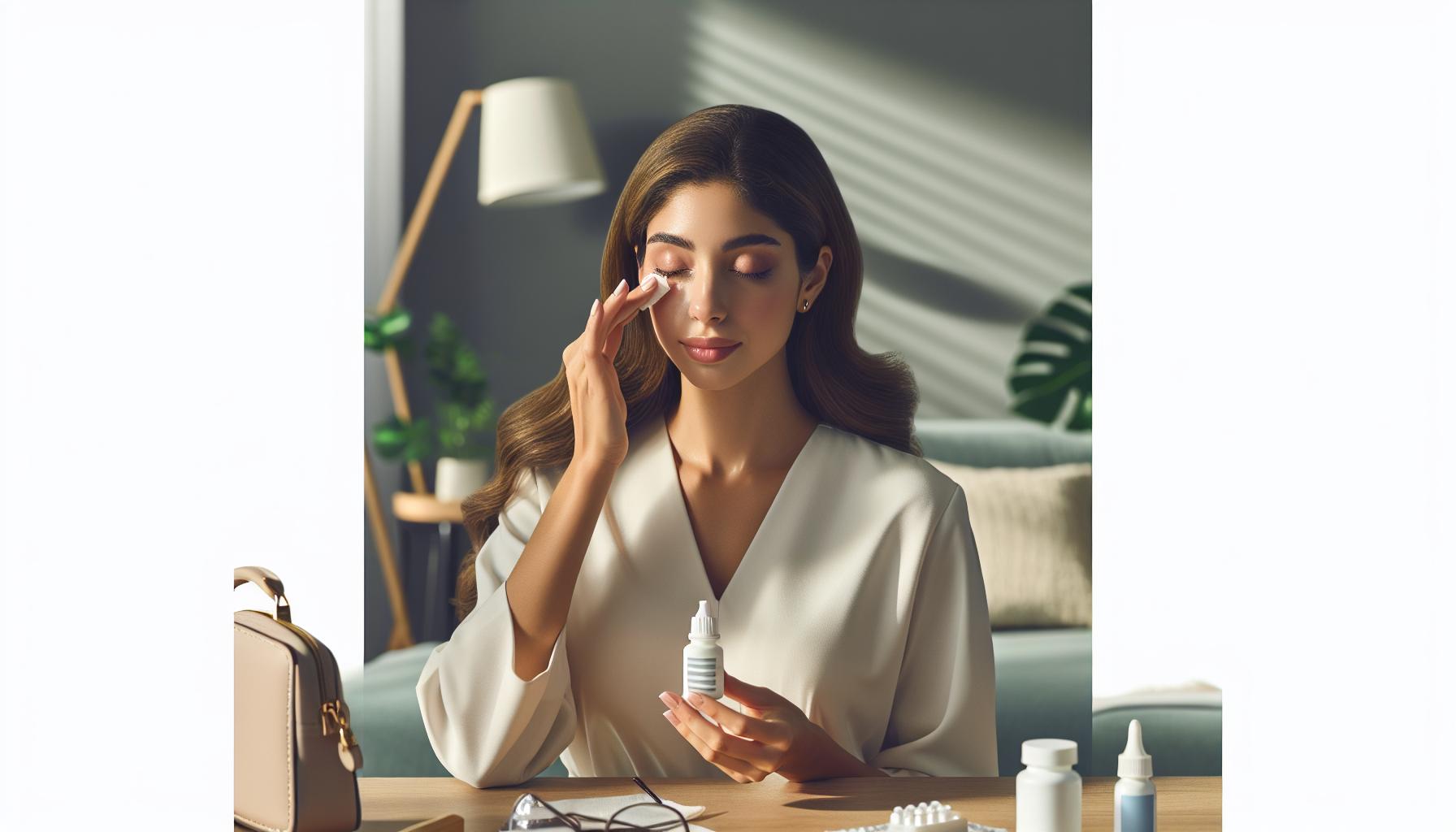
Experiencing symptoms of eye pressure linked to allergies can be an unsettling experience, often manifesting without a clear understanding of their origin. Many individuals may confuse ordinary allergy symptoms like itching and tearing with signs of more significant issues involving eye pressure. In fact, the intricate connection between sinus congestion and the eyes means that allergy sufferers frequently experience a unique set of symptoms impacting their eye health.
Common symptoms include a feeling of heaviness or tightness around the eyes, which can be exacerbated by sinus pressure. This sensation is often accompanied by blurred vision as the eyes struggle to adjust amidst inflammation and excess mucus. Individuals may also notice increased tearing, which paradoxically can lead to a sensation of dryness due to the destabilized tear film caused by allergy-induced inflammation. This interplay can create a frustrating cycle of discomfort, prompting many to seek relief.
Identifying Symptoms
Understanding these symptoms is crucial for effective management. Here are some key indicators to watch for:
- Persistent Eye Discomfort: A nagging feeling of pressure or heaviness around the eyes that doesn’t subside.
- Increased Tearing: An excess of tears that may arise, leading to dryness and irritation due to poor drainage.
- Accompanied Sinus Congestion: Symptoms of nasal congestion, pressure, or headaches that align with allergy flare-ups.
- Visual Disturbances: Experiences of blurred vision or difficulty focusing, especially during allergy seasons.
Recognizing these symptoms as potentially linked to allergies rather than standalone eye conditions can empower individuals to seek appropriate interventions sooner. If allergies are to blame, addressing the underlying triggers can often lead to significant relief from eye pressure and associated discomfort. For those struggling with these symptoms, maintaining open communication with healthcare providers can ensure they receive targeted treatments and strategies tailored to alleviate both allergy symptoms and their eye-related consequences.
Diagnosing Eye Pressure: The Role of Allergies
Understanding the connection between allergies and eye pressure requires a careful evaluation of both symptoms and triggers. Allergy-induced inflammation can lead to swelling in the nasal passages, impacting sinus drainage and subsequently influencing the eyes. This often results in a cascade of symptoms that mimic typical eye pressure issues, making accurate diagnosis essential for relief.
Medical professionals typically start with a detailed medical history and symptom review to uncover possible allergic triggers. For instance, if a patient presents with complaints of eye pressure, blurred vision, and sinus congestion during allergy seasons, this could indicate an underlying allergic reaction rather than a standalone eye condition. It’s important to consider factors such as environmental exposures, family history of allergies, and seasonal patterns of symptoms.
To aid in diagnosis, healthcare providers may conduct a series of tests, including allergy testing, which can identify specific allergens that provoke symptoms. Additionally, they might utilize imaging techniques to evaluate sinus health. By correlating the severity of eye discomfort with known allergens, patients can be guided toward effective interventions. Keeping a symptom diary can also be beneficial, helping both the patient and the physician track patterns and identify potential triggers.
The integration of allergy management into eye health diagnostics opens the door for more targeted treatments. For example, by controlling the allergic symptoms through antihistamines or avoiding known triggers, many individuals have reported relief from eye pressure and related discomfort. Communicating openly with healthcare professionals about symptoms can empower patients to take charge of their health, ensuring that both allergies and eye pressure are appropriately managed.
Effective Treatments for Allergic Eye Pressure
Managing eye pressure related to allergies can be a multifaceted approach, and understanding various treatment options can empower you to find relief. Allergic reactions can lead to inflammation and congestion that exacerbate feelings of eye pressure. Fortunately, there are effective strategies to address these concerns, enabling you to maintain better eye health during allergy seasons.
One of the cornerstone treatments involves antihistamines, which work by blocking the histamine response in the body. These medications can significantly reduce allergy symptoms, including eye irritation and pressure. Both oral antihistamines and topical antihistamine eye drops are available, with the latter providing localized relief. For those experiencing severe symptoms, your healthcare provider may recommend corticosteroid eye drops to diminish inflammation rapidly.
Humidity plays a critical role in sinus and eye health. Utilizing a humidifier in your living space can alleviate dryness and help clear nasal passages, which indirectly eases eye pressure. Furthermore, regular saline nasal sprays can help moisturize and rinse allergens from your nasal passages, providing direct relief from sinus congestion that might be contributing to eye discomfort.
Lifestyle changes also play a vital role in managing allergic eye pressure. Consider implementing the following practices:
- Avoid known triggers: Identify specific allergens, such as pollen or pet dander, and minimize exposure during peak seasons or when symptoms are most intense.
- Cold compresses: Applying a cold, damp cloth to your eyes can temporarily alleviate swelling and reduce discomfort.
- Maintain a clean environment: Regularly wash bedding and vacuum your home to reduce dust mites and other allergens.
- Stay hydrated: Drinking plenty of water helps maintain mucosal health and supports your body in flushing out allergens.
For those seeking alternative approaches, consider discussing options such as acupuncture or herbal remedies known for their anti-inflammatory properties. Always consult with your healthcare provider before starting any new treatment regimen, especially when integrating alternative therapies, to ensure they align with your overall health plan.
By proactively managing allergies and incorporating these treatments into your routine, you can alleviate the discomfort of eye pressure and enjoy a clearer, more comfortable vision.
Preventive Measures for Allergy-Induced Eye Issues
One in five people experience eye-related issues due to allergies, often manifesting as discomfort and pressure that can significantly impact daily activities. Understanding how to preemptively address these concerns can make a world of difference. By incorporating effective preventive measures into your routine, you can reduce the likelihood of eye pressure and maintain optimal eye health.
Start by being proactive about identifying and avoiding allergens. Monitoring local pollen counts and minimizing outdoor activities during high pollen days can help shield your eyes from irritants. If pet dander is a trigger, consider keeping pets out of bedrooms and regularly grooming them to minimize shedding. Furthermore, using air purifiers equipped with HEPA filters can significantly reduce airborne allergens in your home, creating a more comfortable living environment.
Another essential aspect of prevention is maintaining eye hygiene. Regularly washing your face and flushing your eyes with saline solution can cleanse away allergens that settle on the surface and provide immediate relief. For those wearing contact lenses, ensuring they are cleaned and replaced as recommended is crucial to prevent irritation. Additionally, consider wearing glasses instead of contacts during high-allergy seasons, as this can create a barrier against allergens.
Finally, staying hydrated and consuming a balanced diet rich in anti-inflammatory foods may support your body’s ability to combat allergic reactions. Foods like berries, leafy greens, and omega-3 fatty acids can boost overall health and reduce inflammation. Pair this with regular exercise, which can improve your immune response and help manage stress, a factor that can exacerbate allergic reactions.
By adopting these preventive strategies, you can empower yourself to face seasonal changes with confidence, significantly reducing the discomfort of allergy-induced eye pressure and enhancing your quality of life.
When to Seek Professional Help for Eye Pressure
Experiencing eye pressure or discomfort can be both frustrating and concerning, especially if you have allergies. While many people live with occasional flare-ups, knowing when to seek professional help is crucial to ensuring your eye health remains intact. If you find that over-the-counter remedies, such as antihistamines or eye drops, fail to alleviate persistent symptoms, it may be time to consult an eye care professional.
Recognizing the signs that warrant a visit to a healthcare provider is the first step towards getting the care you need. If you notice any of the following symptoms, don’t hesitate to reach out for help:
- Persistent Eye Discomfort: If your eyes feel uncomfortable or pressured consistently, it could indicate an underlying issue that requires evaluation.
- Changes in Vision: Sudden blurriness, double vision, or difficulty focusing may signal a more serious condition related to elevated eye pressure.
- Worsening Symptoms: If your symptoms evolve into severe headaches, nausea, or sensitivity to light, professional assessment is essential.
- Allergic Reactions: Experiencing swelling, redness, or extreme irritation in conjunction with respiratory symptoms may suggest a need for specialized treatment.
A thorough examination by an eye care professional can help differentiate between allergy-induced pressure and other potential causes, such as glaucoma or sinus-related issues. They may conduct a variety of tests, including visual acuity assessments, pressure measurements, and a detailed review of your medical history to determine the appropriate course of action.
Don’t wait too long if you are feeling uncertain; early detection and intervention play a significant role in maintaining not only vision but overall eye health. Your experience with allergies does not have to hinder your quality of life – seeking help could pave the way for more effective management and relief.
Exploring Alternative Remedies for Allergy Relief
Many individuals suffering from allergies often grapple with eye pressure, leading to discomfort and frustration. While traditional treatments, such as antihistamines or eye drops, are common, alternative remedies can also play a vital role in managing allergic reactions and their consequences on eye health. Integrating natural solutions into your routine can provide relief and empower you to tackle allergy-induced symptoms effectively.
Natural Approaches for Allergy Relief
One promising avenue involves the use of saline nasal rinses, which can help clear allergens and mucus from the nasal passages. This practice not only alleviates sinus pressure but can also reduce the symptoms of allergy-induced eye pressure. To create a saline solution, mix 1 teaspoon of non-iodized salt and a pinch of baking soda in 2 cups of distilled or boiled water. Use a neti pot or a saline squeeze bottle to administer the rinse gently.
In addition to nasal irrigation, herbal remedies such as butterbur and nettle may provide significant benefits for allergy sufferers. Research has shown butterbur can be as effective as some antihistamines in alleviating allergy symptoms without causing drowsiness. Nettle, known for its anti-inflammatory properties, can also help ease the symptoms. Always consult with a healthcare provider before starting any herbal treatments, especially if you’re on other medications.
Home Environment Adjustments
Creating a comfortable home environment is crucial for managing allergies. Consider investing in high-efficiency particulate air (HEPA) filters for your home’s heating and air conditioning systems. These filters can trap a significant amount of allergens such as dust mites, pollen, and pet dander, improving indoor air quality and potentially reducing eye pressure symptoms. Regular cleaning of linens and using hypoallergenic bedding can further minimize exposure to allergens.
Incorporating these alternative remedies and making slight adjustments to your living space can provide much-needed relief from allergy symptoms that affect eye pressure. By combining these methods with lifestyle modifications-like staying hydrated and maintaining a balanced diet rich in omega-3 fatty acids, which can combat inflammation-you’re taking proactive steps toward better eye health while navigating the challenges posed by allergies.
Lifestyle Changes to Manage Allergies and Eye Health
Adjusting your lifestyle can significantly improve your experience with allergies and eye health, providing relief for those who often feel the burden of sinus pressure affecting their vision. Simple changes can mean the difference between discomfort and a sense of well-being. For instance, staying well-hydrated not only helps to thin mucus for clearer sinuses but also promotes overall eye health. Water intake supports hydration of the eye tissues, reducing the risk of irritation caused by allergens.
Creating a balanced diet rich in antioxidants and anti-inflammatory foods can also be a game changer. Foods like leafy greens, berries, and fish high in omega-3 fatty acids are known to combat inflammation, which may ease the symptoms associated with allergies, including eye pressure. For example, incorporating salmon or walnuts into your meals can help stave off allergy-induced inflammation, making daily living much more comfortable.
In addition, engaging in regular physical activity can bolster your immune system. Exercise increases blood circulation, which can enhance the body’s ability to flush out toxins and allergens, ultimately reducing histamine responses that lead to itchy or pressured eyes. Furthermore, creating a routine for stress management, such as yoga or meditation, is important since stress can exacerbate allergy symptoms. Techniques that promote relaxation can help mitigate this.
Lastly, minimizing exposure to allergens in your living space is essential. Beyond HEPA filters, consider keeping windows closed during high pollen seasons, regularly washing linens in hot water, and avoiding outdoor activities on windy days. By applying these lifestyle changes, you empower yourself to manage allergies more effectively, helping protect your eye health and overall quality of life. Empowering yourself with these strategies can dramatically change how you cope with the impacts of allergies, allowing for clearer vision and reduced discomfort in your daily routine.
The Relationship Between Allergies and Vision Problems
Experiencing vision problems can be incredibly frustrating, especially when the root cause is something as common as allergies. Many individuals are unaware that allergic reactions can manifest not just through sneezing or itchy skin, but also through notable changes in eye health. The connection between allergies and vision issues often stems from the body’s inflammatory response to allergens, which can lead to swelling and discomfort in and around the eyes, ultimately affecting vision clarity.
When allergens such as pollen, dust mites, or pet dander invade the body, the immune system reacts by releasing substances like histamines. This can cause tissues in the eyes to swell, leading to symptoms like redness, tearing, and even increased eye pressure. The sinuses, closely linked to eye health, can exacerbate these issues; sinus congestion can create pressure that affects overall ocular comfort and vision. For instance, a person with seasonal allergies may find that their vision becomes blurred during peak pollen seasons due to these combined effects.
To tackle allergy-related vision problems, it’s crucial to implement proactive strategies. Regular use of saline nasal sprays can help reduce sinus congestion, alleviating associated eye pressure. Moreover, maintaining a clean living environment by using air purifiers and frequently washing bedding can minimize allergen exposure. Identifying specific allergens through allergy testing offers a pathway to avoid triggers, and for those suffering from persistent issues, discussing prescription antihistamines or eye drops with a healthcare provider may provide necessary relief.
Understanding how allergies affect vision empowers individuals to take actionable steps towards managing their symptoms. By honing in on prevention, early detection, and conscious lifestyle choices, it’s possible to mitigate the adverse effects of allergies on eye health, allowing for clearer vision and enhanced daily comfort.
Myths and Facts: Allergies and Eye Pressure
Many people assume that eye pressure issues are exclusively linked to serious conditions like glaucoma, but they might be surprised to learn that allergies can play a significant role as well. This misconception can lead to a lack of awareness about how common allergens-such as pollen, pet dander, and mold-can contribute to eye pressure elevation. Understanding the myths surrounding allergies and eye pressure is crucial for managing symptoms effectively and preserving eye health.
One prevalent myth is that allergies only cause superficial symptoms, such as itching and redness. In reality, the inflammatory responses triggered by allergens can result in physiological changes within the eye. For instance, allergic reactions can lead to swelling of the conjunctiva and eyelids, which may increase the sensation of pressure around the eyes. This swelling may not be severe enough to cause lasting damage but can certainly create discomfort and alter vision clarity.
Another common misconception is that only individuals with pre-existing eye conditions need to worry about eye pressure related to allergies. This is untrue; even those without prior ocular issues can experience increased eye pressure during allergy seasons. The sinus and eye connection is essential here; congestion from sinus allergies can create pressure that radiates to the eyes. For those who experience this, maintaining daily routines that include proper allergy management-such as using decongestants and nasal sprays-can significantly alleviate symptoms and prevent the sense of pressure.
To counteract these misconceptions effectively, consider these facts:
- Fact 1: Allergies can cause genuine discomfort and elevate eye pressure, making it essential to recognize symptoms and seek appropriate care.
- Fact 2: Managing allergies through regular use of antihistamines, air purifiers, and environmental control measures can significantly reduce eye pressure concerns.
- Fact 3: If you’re experiencing persistent pressure or discomfort in your eyes, it’s crucial to consult a healthcare provider, as they can help distinguish between allergy-related issues and more severe eye conditions.
Understanding the intersection between allergies and eye pressure can empower you to take control of your symptoms. By addressing these myths head-on, individuals can better navigate their allergy challenges and pursue effective management strategies, leading to a more comfortable and clearer vision.
Frequently asked questions
Q: Can allergies cause increased eye pressure?
A: Yes, allergies can lead to increased eye pressure due to inflammation and swelling in the sinuses, which can subsequently affect the eyes. Managing allergy symptoms can help alleviate this pressure. Consider visiting the section on “How Allergies Can Elevate Eye Pressure” for further insights.
Q: What are the signs of eye pressure related to allergies?
A: Signs of eye pressure from allergies may include discomfort, a feeling of fullness in the eyes, blurry vision, and headaches. If you experience these symptoms, explore the “Symptoms of Eye Pressure Related to Allergies” section for detailed information.
Q: How do sinus issues from allergies impact vision?
A: Sinus issues from allergies can cause inflammation that affects the optic nerves, leading to temporary vision disturbances. For more details, refer to “The Sinus and Eye Connection: What You Need to Know.”
Q: What treatments are effective for allergic eye pressure?
A: Effective treatments include antihistamines, decongestants, and cold compresses. Over-the-counter eye drops can also soothe irritation. Examine the “Effective Treatments for Allergic Eye Pressure” section for additional options.
Q: When should I seek medical help for eye pressure caused by allergies?
A: You should seek medical help if eye pressure persists despite home treatments, if you experience significant pain, or if vision changes occur. The section “When to Seek Professional Help for Eye Pressure” discusses this in more depth.
Q: Can chronic allergies lead to long-term eye pressure issues?
A: Chronic allergies can potentially cause long-term eye pressure problems if untreated, as persistent inflammation may lead to more serious conditions. To learn more, check the “The Relationship Between Allergies and Vision Problems” section.
Q: Are there lifestyle changes that can reduce allergy symptoms and eye pressure?
A: Yes, lifestyle changes such as avoiding allergens, maintaining a clean environment, and using air purifiers can help reduce symptoms. Refer to “Lifestyle Changes to Manage Allergies and Eye Health” for practical suggestions.
Q: What alternative remedies can offer relief for allergy-induced eye pressure?
A: Alternative remedies like saline rinses, herbal supplements, and acupuncture may help alleviate symptoms. The section “Exploring Alternative Remedies for Allergy Relief” provides more comprehensive information.
In Conclusion
If you’ve been feeling the impact of allergies on your eye pressure and overall vision, don’t hesitate to take action. Understanding the connection between sinus issues and eye discomfort is the first step toward relief. Remember, your health is your priority! Consider exploring our articles on “How to Alleviate Sinus Pressure” and “Effective Allergy Management Techniques” for more tips and insights.
We invite you to join our community for ongoing support and updates-sign up for our newsletter today! Your experiences matter, so share your thoughts or questions in the comments below; we’d love to hear from you. Stay informed and empowered as you navigate your health journey-there’s a wealth of resources just waiting for you to discover.


