


Many people associate allergies with sneezing, itching, and congestion, but did you know they can also affect your vision? Allergic reactions, whether caused by pollen, food, or other irritants, can lead to uncomfortable symptoms like watery or red eyes, and even temporary vision issues. Understanding how allergies impact your sight is crucial for maintaining both your health and quality of life.
If you’ve ever experienced blurry vision or discomfort during allergy season, you’re not alone. These common reactions can significantly affect your daily activities, from work to leisure. Learning about the connection between allergies and vision problems empowers you to take proactive steps in managing symptoms and seeking effective treatments. Dive into this article to discover how to safeguard your eye health amidst allergy challenges and explore practical strategies to improve your comfort and clarity.
Can Allergies Impact Your Vision Health?
Allergies can profoundly affect your vision health, with many individuals unaware of the connection between their environmental sensitivities and ocular discomfort. When allergens enter the body, they can trigger an immune response, leading to inflammation and irritation in various parts of the body, including the eyes. This reaction often manifests as allergic conjunctivitis, where the conjunctiva (the membrane covering the white part of the eye) becomes inflamed, resulting in symptoms that can impair daily activities, such as reading or driving.
Common allergens like pollen, pet dander, mold spores, and dust mites can provoke these adverse reactions. Individuals exposed to these allergens may experience symptoms such as redness, itching, and excessive tearing. In some cases, the sensitivity can lead to more severe reactions, including swelling of the eyelids and blurred vision. Understanding this link between allergies and vision issues is crucial in addressing symptoms effectively and improving overall well-being.
To manage this discomfort, individuals should consider eliminating or reducing exposure to known allergens. Simple measures, like using air purifiers, keeping windows closed during high pollen seasons, and maintaining a clean living environment, can significantly mitigate allergy symptoms. Over-the-counter antihistamines and eye drops specifically formulated for allergic reactions may also provide relief. For those struggling with persistent allergy-related eye issues, consulting with an eye care professional can lead to more targeted treatments, ensuring that your vision health is not compromised by allergic reactions.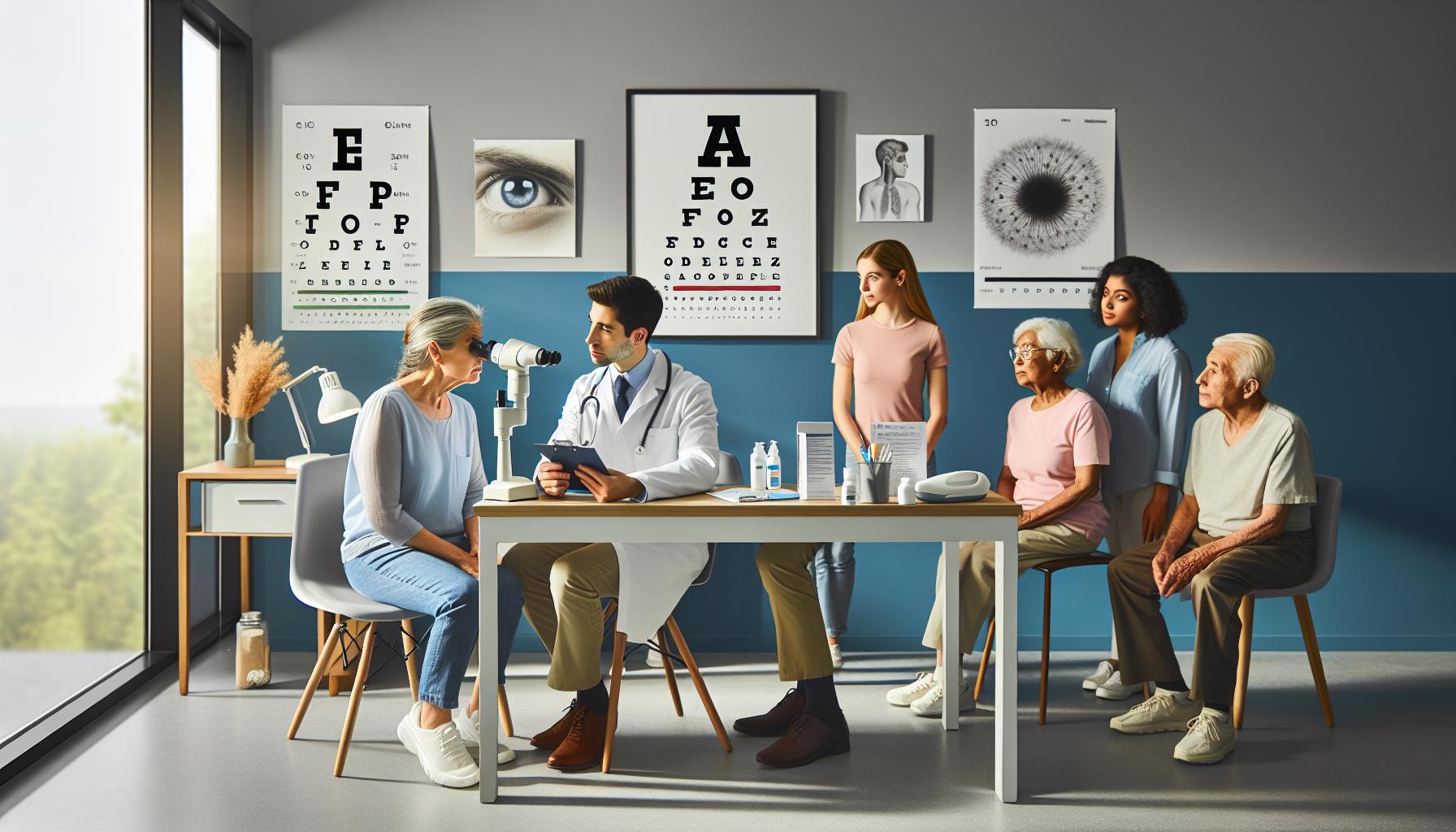
Understanding the Connection Between Allergies and Vision Problems
Allergies can be more than just a common nuisance; they can also have a profound impact on vision health. Many people may not realize that the immune response triggered by allergens can cause significant ocular discomfort and even impair vision. When allergens such as pollen, pet dander, and dust mites enter the body, they stimulate an immune reaction that results in inflammation of the eye tissues, particularly the conjunctiva, leading to what is known as allergic conjunctivitis. This condition can manifest as redness, itching, tearing, and swelling, making everyday tasks like reading or even using a computer difficult.
The relationship between allergies and vision problems underlines the importance of understanding individual triggers and symptoms. For instance, during peak allergy seasons, pollen from trees or grasses might increase symptoms for someone sensitive to these substances. Symptoms can vary in intensity and may escalate, leading to complications like blurry vision or even headaches caused by eye strain. This sensitive interplay highlights the need for proactive management strategies tailored to individual needs, ensuring that daily life is not overshadowed by the discomfort of allergic reactions.
To effectively address potential vision issues stemming from allergies, it is crucial to identify allergens and minimize exposure. Incorporating practices such as maintaining a clean environment, utilizing air purifiers, and keeping windows closed during high pollen days can be beneficial. Furthermore, consulting with an eye care professional can lead to personalized treatment plans, including the use of antihistamines or medicated eye drops. Empowering individuals with knowledge about their allergies and potential impacts on vision can significantly enhance their quality of life, providing them with the tools to navigate this common but often overlooked challenge.
Common Eye Symptoms Linked to Allergies
Experiencing allergies can extend beyond frequent sneezes and itchy skin; they can also significantly impact your vision. For many individuals, allergic reactions manifest prominently in the eyes, creating discomfort that can interfere with daily activities. Understanding the symptoms linked to allergic reactions is essential, as early identification can lead to effective management and relief.
Common symptoms associated with allergic reactions in the eyes include:
- Itchy Eyes: One of the hallmark symptoms of allergic conjunctivitis, itching can be relentless and lead to excessive rubbing, aggravating the condition.
- Redness: Inflammation caused by allergens can result in noticeable redness in the eyes, which may make individuals appear tired or unwell.
- Watery Eyes: An overproduction of tears is a natural response to irritation and allergens, leading to a watery discharge that can blur vision.
- Swelling: Allergic reactions may cause swelling around the eyes, often referred to as periorbital edema, which can further impact vision clarity and comfort.
- Burning Sensation: Many individuals report a stinging or burning sensation in their eyes when exposed to allergens, adding to overall discomfort.
These symptoms can vary in intensity depending on the allergen and the individual’s sensitivity. For example, a person allergic to pollen may find that their symptoms worsen during spring when levels are high, while those sensitive to pet dander may experience symptoms year-round. It’s important to note that prolonged exposure to allergens without treatment can lead to complications, such as chronic eye irritation or even conditions like keratitis, which could further impair vision.
Identifying the specific triggers and understanding when symptoms are likely to flare can empower individuals to take proactive measures, whether that means adjusting outdoor activities during high pollen counts or keeping pet areas clean to minimize dander exposure. By recognizing these common eye symptoms, individuals can seek timely interventions and improve their eye health amidst their allergy struggles.
How Allergies Affect Different Eye Conditions
Allergic reactions can exacerbate a variety of eye conditions, often exacerbating symptoms and complicating existing issues. Conditions such as allergic conjunctivitis, dry eye syndrome, and even more chronic eye diseases can be influenced significantly by allergens. When individuals with a predisposition to allergies encounter common triggers like pollen, pet dander, or dust mites, they may experience acute ocular symptoms that blur the lines between their baseline eye health and their allergic responses.
Allergic Conjunctivitis
One of the most direct impacts of allergies on eye health is the onset of allergic conjunctivitis. This condition occurs when allergens trigger an immune response in the conjunctiva, the thin tissue lining the inside of the eyelids and covering the eyeball. Symptoms like redness, itchiness, and tearing are prevalent, and untreated allergic conjunctivitis can lead to chronic discomfort, perpetuating a cycle of irritation and inflammation. For example, a person allergic to ragweed may find that their eyes become increasingly inflamed during peak pollen seasons, affecting not just their comfort but also their vision quality.
Impact on Dry Eye Syndrome
Moreover, allergies can contribute to or worsen dry eye syndrome, a condition where the eyes do not produce enough tears or evaporate too quickly. Allergens may lead to inflammation, which diminishes the tear film stability, prompting patients to experience increased dryness and irritation. This can create a frustrating loop where allergy medications, designed to reduce symptoms, may also contribute to dryness, further aggravating the condition. People finding relief from allergy symptoms might discover that their dry eye symptoms worsen, as tearing becomes minimal due to the immune response triggered by allergens.
General Eye Health and Allergic Reactions
Beyond these specific conditions, allergies can also influence more systemic eye health issues. For instance, chronic allergic responses may lead to changes in the ocular surface that make individuals more susceptible to infections or other complications such as keratitis. In a real-world scenario, a contact lens wearer who has seasonal allergies might experience increased eye discomfort during allergy season, risking corneal abrasion if they are not cautious about hygiene and maintenance.
Understanding how allergies can affect various eye conditions empowers readers to engage in proactive management of their eye health. Those with known allergies should consult their eye care providers for tailored treatment plans that address both allergy symptoms and any existing eye conditions. With effective allergy management – including antihistamines and environmental controls – individuals can mitigate the impact of their allergies on their vision health, ensuring clearer, more comfortable sight every day.
Identifying Allergens that Cause Vision Issues
Identifying the specific allergens that lead to vision problems is a crucial step in managing allergic reactions that affect eye health. Many potential triggers lurk in our environment, and understanding them can empower individuals to take proactive steps in minimizing their exposure. Common culprits include seasonal allergens like pollen, particularly from grasses, trees, and weeds, which can incite allergic conjunctivitis and other ocular symptoms. Additionally, indoor allergens such as pet dander, mold spores, and dust mites can cause chronic eye irritation and discomfort, especially for those with sensitivities.
To effectively identify these allergens, maintaining a detailed allergy diary can be immensely helpful. Documenting your symptoms alongside environmental conditions, such as time spent outdoors and exposure to pets or dust, can reveal patterns that signal specific triggers. For example, if eye irritation intensifies on days with high pollen counts, it’s likely that pollen is a significant contributor to your symptoms. Furthermore, allergists often recommend skin or blood testing to pinpoint specific allergens, providing a clearer roadmap to effective treatment and management strategies.
Another practical step is to evaluate your living environment for potential allergens. Simple changes, such as using hypoallergenic covers for pillows and mattresses, keeping windows closed during high pollen seasons, and regularly vacuuming with a HEPA filter, can mitigate the effects of allergens. For those struggling with eye symptoms linked to pet allergies, it may also be beneficial to create pet-free zones in your home. By systematically identifying and addressing these allergens, individuals can significantly reduce their allergy-related vision problems, leading to greater comfort and improved overall eye health.
Diagnosing Allergy-Related Eye Problems
begins with recognizing the specific symptoms that may indicate an allergic reaction impacting vision. Many individuals experience discomfort from allergens, but distinguishing between general irritation and allergy-induced issues is vital for effective treatment. Common signs of allergy-related eye problems include redness, itching, swelling, and excessive tearing. These symptoms can often be mistaken for more serious conditions, making accurate diagnosis crucial.
To accurately diagnose allergy-related eye issues, an eye care professional will typically conduct a thorough medical history and physical examination. This might include questions about your symptoms, their duration, and possible exposure to known allergens. Depending on your personal history and the severity of the symptoms, your doctor may recommend advanced diagnostic tests, including:
- Allergy testing: Skin tests or blood tests can help identify specific allergens responsible for your symptoms.
- Conjunctival provocation tests: This involves exposing the eyes to suspected allergens in a controlled environment to monitor reactions.
- Visual acuity tests: A standard eye exam to evaluate overall eye health and rule out other conditions.
Once the underlying allergens are identified, understanding their effect on your eye health helps in formulating a tailored management strategy. For example, if pollen is identified as a major trigger, strategies might include staying indoors on high pollen days and using air purifiers. Conversely, if pet dander is the issue, creating pet-free zones and regular cleaning can significantly reduce exposure and improve symptoms.
Being proactive about your eye health involves regular follow-ups with your healthcare provider, especially if you notice changes in your symptoms. If you’re experiencing persistent issues, it’s essential to communicate openly about new symptoms or changes to ensure a comprehensive approach to treatment. By taking these diagnostic steps, you empower yourself to manage allergy-related eye problems effectively, ultimately leading to improved comfort and healthier vision.
Effective Treatments for Allergic Eye Symptoms
Experiencing eye discomfort due to allergies can be frustrating, but there are numerous effective treatments available to alleviate symptoms and improve your quality of life. A variety of options cater to different levels of severity and symptoms, allowing individuals to tailor their approach for maximum relief. From over-the-counter solutions to professional treatments, understanding these options empowers you to manage your allergic reactions more effectively.
Over-the-Counter Treatments
Many people find relief from mild allergic eye symptoms using over-the-counter antihistamine eye drops, which work by blocking the action of histamines that cause itching and redness. Additionally, oral antihistamines can help relieve systemic allergic reactions that might affect your eyes. Popular choices include medications like loratadine or cetirizine. Remember, oral antihistamines may cause drowsiness, so consider how they might affect your daily activities.
Prescription Options
For more severe cases, consulting an eye care professional may lead to stronger prescription medications. These could include corticosteroid eye drops to reduce inflammation or other prescription antihistamines for managing acute allergic reactions. In some cases, oral corticosteroids may also be prescribed, particularly if allergic responses are more severe or linked to other health issues.
Allergen Avoidance and Lifestyle Adjustments
Implementing strategies to minimize exposure to allergens can significantly support any treatment plan. Consider the following lifestyle adjustments:
- Indoor Air Quality: Use air purifiers and keep windows closed during high pollen seasons.
- Regular Cleaning: Dust and vacuum frequently to reduce indoor allergens like pet dander and mold.
- Skin Care: Avoid rubbing your eyes, which can exacerbate irritation. Instead, wash your hands and apply cool compresses for relief.
Integrative Approaches
Exploring integrative treatments can complement traditional remedies. Some individuals find relief through acupuncture or herbal supplements, but consulting with a healthcare provider before starting complementary therapies is crucial.
Recognizing the spectrum of treatments available not only validates the challenges faced by individuals with allergies but also provides clear pathways toward relief. Building a personalized plan that includes medical advice and practical adjustments can lead to significant improvements in your eye health and overall comfort. If symptoms persist or worsen, seeking timely professional help is essential to rule out other serious conditions while ensuring you receive the most effective care.
Preventive Measures for Allergy-Induced Vision Problems
Allergies can significantly impact not just your comfort but also your vision quality. Regular eye symptoms caused by allergens can lead to serious discomfort, blurred vision, and even long-term visual issues if not adequately managed. Preventive measures can help shield your eyes from allergy-induced problems while enhancing your overall well-being.
A proactive approach begins at home. One effective strategy is to maintain a clean indoor environment. Regular vacuuming with HEPA filters can help eliminate dust mites, pollen, and pet dander-all known allergens. Additionally, consider implementing an air purification system to reduce airborne particles, especially during peak allergy seasons. Keeping windows closed to prevent outside allergens from entering can also make a significant difference.
Another essential preventive measure involves personal habits. Frequent hand washing before touching your face or eyes can help minimize irritation. Wearing sunglasses when outdoors can protect against pollen and dust, acting as a barrier for your eyes during allergy season. Moreover, reducing contact lens wear during flare-ups can lessen irritation and help keep your eyes comfortable.
Lastly, it’s crucial to stay informed about local pollen counts and recognize your specific triggers. Many weather apps provide daily updates on pollen levels, empowering you to plan outdoor activities when counts are lower. Connecting with an allergist may also provide additional tailored strategies to manage your symptoms effectively, leading to clearer vision and improved quality of life. By integrating these preventive measures into your daily routine, you’re not only safeguarding your eyes but also enhancing your overall health and comfort.
Integrative Approaches to Manage Allergies and Vision Health
Integrating diverse approaches to managing allergies and vision health can significantly enhance your comfort and quality of life. Many individuals overlook how intertwined these systems are; however, the right strategies can bring relief not only from bothersome allergic reactions but also from their negative impact on vision. Embracing multidisciplinary methods can empower you to tackle these issues effectively.
Incorporating dietary changes is a proactive way to support your immune system and minimize allergy symptoms. Foods rich in omega-3 fatty acids, such as salmon and walnuts, can reduce inflammation, while antioxidants found in fruits and vegetables can bolster your body’s defenses. For those who experience specific food-related allergies, working with a nutritionist to identify and eliminate trigger foods can lead to substantial improvement in overall wellness, including eye health. Maintaining hydration is equally important; drinking enough water can help keep mucous membranes hydrated and reduce eye irritation.
Moreover, mindfulness and stress management techniques, such as yoga or meditation, can alleviate allergy flare-ups. Stress can exacerbate allergic responses, leading to heightened symptoms that affect your vision. Practices such as deep breathing exercises and regular physical activity promote relaxation and improve overall health. Consider enrolling in a local yoga class or using online resources to find guided meditation sessions aimed at reducing stress.
In addition to these lifestyle modifications, utilizing specialized allergy treatments can provide immediate relief. Over-the-counter antihistamines can alleviate common symptoms, but consulting with a healthcare professional can open the door to more tailored solutions like immunotherapy. This approach gradually desensitizes your immune system to specific allergens, potentially leading to long-term relief and improved vision health.
Finally, ongoing education is crucial. Stay informed about the latest research regarding allergies and eye health through reputable sources, and consider joining support groups where you can share experiences and tips with others facing similar challenges. By combining dietary adjustments, stress management, and medical support, you can create a holistic approach that enhances your vision health while effectively managing your allergies.
When to Seek Professional Help for Vision Changes
Experiencing changes in your vision can be alarming, especially when you have a history of allergies. Many people may not realize the extent to which allergens can impact ocular health, leading to symptoms that extend beyond mere discomfort. If you find yourself dealing with persistent itching, redness, or blurred vision during allergy season, it’s crucial to know when to reach out for professional help. Early intervention can prevent complications and help restore your comfort.
Seek professional assistance if you notice any of the following signs:
- Persistent Symptoms: If your eye irritation, tearing, or redness does not improve with over-the-counter treatments or home remedies and continues for more than a few days, it’s time to consult an eye care specialist.
- Vision Changes: Any sudden or severe changes in your vision, such as blurring, double vision, or loss of vision, warrant immediate medical evaluation.
- Infection Indicators: Look out for symptoms that may indicate an eye infection (e.g., yellow or green discharge, increased sensitivity to light, or swelling around the eyes). These require prompt medical attention.
- History of Eye Issues: If you have a pre-existing condition like glaucoma or have undergone eye surgery, it’s essential to report any new symptoms to your healthcare provider as they could indicate complications.
A thorough examination by an ophthalmologist or allergist can help identify the specific allergens responsible for your symptoms. They may perform allergy tests or other diagnostic procedures to tailor a treatment plan that effectively addresses both your allergies and your eye health. This could involve a combination of antihistamines, corticosteroids, or even immunotherapy.
Taking proactive steps to manage your allergies will not only enhance your overall well-being but also facilitate better vision health. Don’t hesitate to seek help; understanding the interplay between allergies and vision changes can lead to significant improvements in your quality of life. Remember, timely intervention is key in mitigating potential long-term impacts on your vision.
Recent Research on Allergies and Eye Health
New studies increasingly highlight the intricate relationship between allergies and ocular health, revealing how allergens contribute to not just discomfort but significant vision problems. Research indicates that allergic reactions can lead to inflammation in the eyes, causing symptoms like redness, irritation, and even swelling of the eyelids. For instance, a recent study found that individuals with allergic rhinitis had a higher prevalence of conjunctivitis, suggesting a direct connection between respiratory allergies and eye symptoms.
Moreover, emerging investigations are exploring how specific allergens differ in their impact on eye health. Pollen, dust mites, and pet dander have all shown to exacerbate allergic conjunctivitis, but recent findings suggest that seasonal variations may heighten eye discomfort in sensitive individuals. This means that understanding one’s specific triggers can lead to more effective management strategies. For instance, individuals suffering from seasonal allergies may benefit from keeping windows closed during high pollen days, thereby reducing exposure and the severity of symptoms.
As we delve deeper into the mechanisms of allergic responses, it becomes evident that addressing eye health requires a comprehensive approach. Alongside conventional treatments like antihistamines, recent literature suggests the potential benefits of combining these with dietary changes and environmental modifications to minimize allergen exposure. Implementing preventive measures-such as using air purifiers and adopting a hypoallergenic diet-has shown promise in clinical settings, indicating that lifestyle adjustments can be integral in managing symptoms.
In light of these findings, maintaining regular check-ups with healthcare professionals is crucial for individuals affected by allergies. Early diagnosis and tailored treatment plans can greatly improve quality of life and help stave off complications that may arise from untreated ocular allergies. As research progresses, staying informed about the latest studies can empower patients to take charge of their eye health in a more meaningful way.
Living with Allergies: Tips for Maintaining Eye Comfort
Living with allergies can feel daunting, especially when symptoms such as itchy, red, or watering eyes threaten your daily comfort. Did you know that millions struggle with these eye-related challenges each year, often without realizing the connection to allergens? By implementing practical strategies, you can alleviate discomfort and protect your vision health.
First, minimize exposure to allergens at home. Start by keeping windows closed during high pollen seasons and using air conditioners with good filters. Regularly vacuum and dust your living space using a vacuum equipped with a HEPA filter to reduce dust mites and pet dander. Consider using hypoallergenic bedding and wash your linens frequently in hot water to minimize allergens that contribute to eye irritation.
Eye Care Practices
Incorporate specific eye care routines into your day. If you wear contact lenses, consider switching to glasses during allergy season, as lenses can trap allergens close to your eyes. Additionally, keeping lubricating eye drops handy can help rinse out allergens and provide relief from dryness or irritation. Make sure to consult your healthcare provider before using any over-the-counter medications or eye drops to ensure they are appropriate for your situation.
Employ protective eyewear when outdoors, especially on windy days or when allergens are in the air. Wraparound sunglasses can serve as a barrier against airborne pollen and dust, which reduces your risk of developing allergic conjunctivitis.
Healthy Habits
Maintaining a healthy diet may bolster your immune system, so consider incorporating foods rich in omega-3 fatty acids, such as fish and walnuts, along with plenty of fruits and vegetables that offer antioxidants. Staying hydrated also helps keep your eyes moist and flushes out irritants.
Knowledge of your specific allergens is key. If you are unsure about what triggers your eye symptoms, consider seeking guidance from an allergist for testing. Understanding your personal triggers will empower you to make informed choices about your environment and daily practices.
Monitoring the seasons and staying informed about pollen counts in your area can further prepare you for high-allergen days. There are numerous apps and websites dedicated to providing this information, ensuring you’re equipped with tips to manage your symptoms proactively.
By taking these actionable steps to manage allergies, you can enhance not just your eye comfort but your overall well-being, allowing you to live life more fully, without the constant shadow of allergy discomfort.
Q&A
Q: Can seasonal allergies cause blurred vision?
A: Yes, seasonal allergies can cause blurred vision due to inflammation and swelling of the tissues around the eyes. This can disrupt visual clarity. Managing allergy symptoms through antihistamines or eye drops can help improve vision. For persistent issues, consult an eye care professional.
Q: What are the signs that allergies are affecting my eyesight?
A: Signs that allergies may be impacting your eyesight include itchy or watery eyes, redness, swelling around the eyes, and blurred vision. If these symptoms occur during allergy seasons, they likely indicate a connection. Effective treatments for these symptoms can be found in the article.
Q: How can I differentiate between allergy symptoms and eye infections?
A: Allergies typically present with itchiness, watery discharge, and clear mucus, while eye infections often involve redness, pain, and yellowish discharge. If you’re unsure, consult an eye care provider for an accurate diagnosis to avoid further complications.
Q: Are there specific allergens that frequently impact vision?
A: Common allergens that can affect vision include pollen, dust mites, pet dander, and mold. Identifying these allergens through allergy testing can help in managing symptoms effectively. Consider discussing elimination strategies with an allergist for personalized guidance.
Q: What home remedies can help alleviate allergy-related vision problems?
A: Home remedies include using a cool compress on the eyes, rinsing the eyes with saline solution, and maintaining a clean environment to reduce allergens. These methods can provide temporary relief, but persistent issues should be discussed with a healthcare provider.
Q: Can allergies lead to serious eye conditions?
A: While allergies typically cause temporary discomfort, they can exacerbate conditions like allergic conjunctivitis or contribute to chronic dry eye. In rare cases, untreated allergies can lead to complications, so it’s crucial to seek professional advice if symptoms persist.
Q: How do I choose the right over-the-counter treatment for allergy eye symptoms?
A: Look for antihistamine eye drops specifically designed for allergy relief. Reading labels for active ingredients such as ketotifen or phenylephrine can help. Consulting a pharmacist can also guide you in selecting the best option based on your symptoms.
Q: How can I prevent allergy-related eye problems during peak seasons?
A: To prevent allergy-related eye problems, keep windows closed, use air purifiers, and avoid outdoor activities during high pollen times. Wearing sunglasses outside can shield your eyes from irritants. Regularly cleaning your living space can also help reduce allergen exposure.
Concluding Remarks
If you’re experiencing vision problems linked to allergies, it’s crucial to address both the symptoms and underlying causes promptly. Remember, effective management and treatment options are available to help you regain clear sight. For more insights, explore our articles on allergy treatments and tips for maintaining eye health.
Don’t let allergies compromise your quality of life-consider consulting with a healthcare professional for personalized advice. Join our community by subscribing to our newsletter for ongoing support and updates on managing allergies. If you found this information helpful, share it with friends or comment below with your experiences. Together, we can foster a supportive environment to conquer allergy challenges and enhance overall wellbeing. Continue your journey with us for more resources on maintaining a healthy lifestyle and managing allergies effectively!


