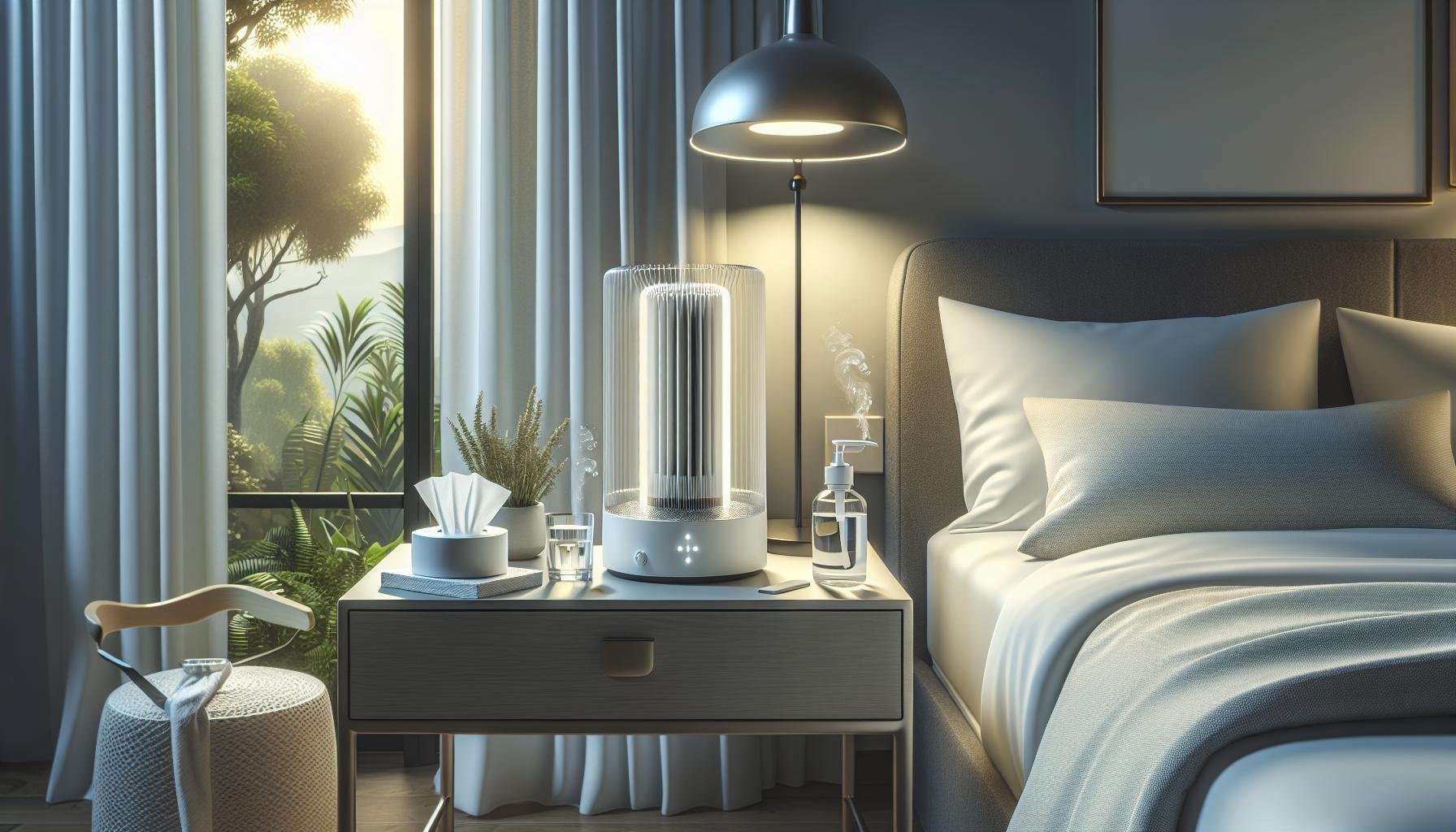

Did you know that seasonal allergies can manifest in unexpected ways, including hives? Millions of people experience the familiar discomfort of itchy eyes and sneezing when pollen counts rise, but for some, this allergic response can escalate to skin-related issues like hives, or urticaria. Understanding this connection is crucial for managing symptoms effectively and maintaining a good quality of life.
As you navigate the changing seasons, it’s essential to recognize not just the typical respiratory symptoms associated with allergies, but also the skin reactions that can occur. If you’ve ever experienced sudden welts or bumps on your skin after spending time outdoors, you’re not alone. These flare-ups can be more than just a cosmetic concern-they can impact your daily activities and mental well-being. By delving into the link between seasonal allergies and hives, we can uncover effective solutions and strategies to relieve discomfort, empowering you to enjoy the outdoors once again. Continue reading to explore the symptoms and discover actionable ways to tackle this all-too-common issue.
Understanding Seasonal Allergies and Their Impact on Hives
Understanding the relationship between seasonal allergies and hives can provide clarity for those experiencing uncomfortable symptoms during peak allergy seasons. Seasonal allergies, triggered by outdoor allergens such as pollen from trees, grasses, and weeds, can cause the immune system to overreact, leading not just to common symptoms like sneezing and itching but also to skin reactions including hives. This response stems from histamines and other chemicals released by the immune system in response to allergenic substances, which can manifest on the skin as red, itchy welts.
While many people associate hives primarily with food allergies or direct contact with allergens, seasonal allergies can certainly be a contributing factor. For instance, a person with a known pollen allergy might notice the sudden onset of hives in conjunction with their usual allergy symptoms during the spring bloom. This intersection can cause confusion and distress, leading individuals to overlook the potential connection between their hives and seasonal triggers.
To navigate this challenge, it is crucial to understand how to identify and manage your allergens effectively. Keeping a detailed diary that notes the onset of hives alongside daily pollen counts and other environmental factors can help pinpoint specific triggers. Alongside this, a consultation with an allergist can provide tailored insights, perhaps through skin testing or blood tests to confirm sensitivities. As you explore effective management strategies, remember that proactive measures-such as minimizing outdoor exposure during high pollen days and implementing robust indoor air quality practices-can significantly alleviate symptoms.
Common Symptoms of Hives Linked to Allergies
Experiencing hives can feel perplexing and distressing, especially when they surface during peak allergy seasons. Many individuals might not realize that the intense itching and raised welts often associated with hives can be directly linked to seasonal allergies. These allergic reactions can manifest on the skin in various ways, leading to symptoms that are not only uncomfortable but also confusing to diagnose. Understanding these symptoms is crucial for effective management and relief.
Hives, or urticaria, typically present as raised, itchy welts on the skin that can vary in size and shape. In the context of seasonal allergies, sufferers may find that these hives appear concurrently with other allergic symptoms such as sneezing, runny nose, or watery eyes. Notably, the hives triggered by allergens like pollen can appear quickly after exposure, sometimes resulting in a sudden, overwhelming reaction. Additionally, they may last from a few hours to several days, depending on the severity of the allergic response.
- Itching: Often the most bothersome symptom, itching can be intense and persistent, compelling individuals to scratch, which may exacerbate the condition.
- Red or Skin-colored Welts: These raised areas on the skin can merge together, forming larger patches that create an unusual appearance.
- Swelling: In some cases, hives may cause swelling, particularly around the face, lips, or eyes, which can be alarming.
- Flushing: A person might notice redness or warmth in the affected areas, reflecting an inflammatory response.
Recognizing these symptoms as potentially linked to seasonal allergens allows for proactive measures in treatment. For instance, maintaining awareness of local pollen counts and environmental conditions can help individuals anticipate and mitigate reactions. Utilizing antihistamines before expected allergy seasons can also be beneficial in preventing hives from forming. Empirical strategies-such as keeping a symptom diary that logs hive occurrences alongside pollen levels-can provide invaluable insights that lead to effective management and relief. Remember, it’s always best to consult a healthcare professional for personalized advice and treatment options tailored to your specific symptoms and lifestyle.
Mechanisms: How Allergies Trigger Hives
Understanding the intricate dance of the immune system can illuminate why seasonal allergies give rise to hives. When an individual with susceptibility to allergens encounters triggers such as pollen from trees, grasses, or weeds, their body responds by overactive immune reactions. This response can set off a cascade of events leading to the development of hives, also known as urticaria. The body mistakenly identifies these harmless substances as threats, prompting a defensive maneuver that can be quite uncomfortable.
At the heart of this mechanism lies histamine, a chemical produced by mast cells-specialized immune cells that are dispersed throughout the skin and other tissues. Upon exposure to allergens, these mast cells release histamine into the bloodstream. Histamine promotes increased blood flow and permeability of the blood vessels, which can cause the well-known symptoms of hives: redness, swelling, and itching. As fluid leaks into the surrounding tissues, it results in raised, inflamed welts. This reaction can occur rapidly, sometimes within minutes of allergen exposure, highlighting the urgent need for allergy management strategies.
To navigate this challenge, individuals can take specific, proactive steps. Keeping a detailed log of symptoms alongside pollen counts can help identify potential triggers. Additionally, using over-the-counter antihistamines before engaging in outdoor activities during peak pollen seasons may help mitigate reactions. For those anticipating unavoidable exposure, discussing targeted immunotherapy options with a healthcare provider can also offer long-term relief. Recognizing the signs of histamine release and taking immediate action can empower individuals to manage their symptoms effectively and maintain their quality of life during allergy seasons.
Differentiating Between Hives and Other Skin Reactions
Recognizing the difference between hives and other skin reactions is crucial, especially for those who suffer from seasonal allergies. Hives, or urticaria, are characterized by raised, itchy welts that often appear suddenly and can vary in size. They are typically the result of the immune system’s reaction to allergens, such as pollen, which provoke the release of histamine. However, other skin conditions often mimic the appearance of hives, complicating diagnosis and treatment.
For instance, conditions like eczema and contact dermatitis may present with red, inflamed skin but have different underlying causes and treatment needs. Eczema, or atopic dermatitis, often emerges as patches of dry, scaly skin and may be triggered by non-allergenic factors such as stress or temperature changes. In contrast, contact dermatitis results from skin contact with irritants or allergens, leading to localized redness and blisters. Understanding how these conditions differ can help individuals identify their symptoms more accurately.
Key Differences
- Hives: Raised, itchy welts; can appear and disappear quickly; often associated with allergens.
- Eczema: Dry, scaly patches; often chronic; associated with other triggers beyond allergies.
- Contact Dermatitis: Red, inflamed areas in response to contact with irritants; localized response.
Understanding your specific skin reaction is vital for effective management. If symptoms persist or worsen, consider keeping a symptom diary to track their frequency, appearance, and potential triggers. This log can provide invaluable information for healthcare providers when determining the right treatment plan. Whether through allergy testing or targeted therapies, distinguishing these conditions empowers you to seek appropriate care and find relief effectively.
Identifying Your Allergens: Testing and Diagnosis
Identifying the precise allergens that may be triggering hives is crucial for effective management and relief. If you’re experiencing welts and itching coinciding with seasonal changes, understanding your allergens can feel overwhelming yet empowering. Proper identification typically involves a combination of personal observation and medical testing. Keeping a detailed diary documenting when symptoms arise can reveal patterns or connections with pollen peaks from trees, grasses, or weeds. This proactive approach not only clarifies triggers but also helps healthcare providers tailor a treatment plan.
To obtain a definitive diagnosis, consulting with an allergist is essential. They may recommend skin prick tests or blood tests to identify specific allergens. In skin prick testing, small amounts of various allergens are introduced into the skin’s surface; a reaction indicates sensitivity to that particular allergen. Similarly, blood tests can measure the immunoglobulin E (IgE) antibodies your body produces in response to allergens. By determining your specific sensitivities, you and your healthcare provider can navigate the best strategies to reduce exposure and minimize allergic reactions.
Steps to Identify Your Allergens
- Keep a Symptom Diary: Note the occurrence of hives, along with environmental factors like weather, activities, and dietary intake.
- Consult an Allergist: Schedule an appointment for professional evaluation and testing tailored to your symptoms.
- Explore Allergy Testing: Determine the most suitable testing method, be it skin prick testing or blood tests, to identify specific allergens.
- Review Results and Develop a Plan: Collaborate with your allergist to create a comprehensive management plan based on identified allergens, including avoidance strategies and treatment options.
Taking charge of your health by understanding your allergens can lead to significant improvements in your quality of life. With the right diagnosis, you can effectively manage your symptoms and avoid the irritants that contribute to your hives. Remember, while seasonal allergies can be challenging, knowledge is a powerful tool to empower you in your journey toward relief.
Effective Allergy Management Strategies
Managing seasonal allergies effectively can significantly decrease the occurrence of hives, making daily life more comfortable. A multi-faceted approach that includes lifestyle modifications, allergy medications, and environmental controls can empower you to reduce exposure to allergens that trigger hives. Understanding these strategies could help you reclaim your quality of life during peak allergy seasons, allowing you to enjoy outdoor activities and social events without the constant worry of allergic reactions.
Adopting practical environmental changes is an essential first step. During high pollen seasons, monitor local pollen counts through weather apps or websites to determine when to minimize outdoor activities. Keep windows closed, use air purifiers, and consider wearing a mask when outside on particularly pollen-heavy days. Regularly cleaning your living space-including washing bedding and vacuuming with a HEPA filter-can help reduce exposure to domesticated allergens such as dust mites and pet dander, which can also contribute to skin reactions like hives.
Utilizing over-the-counter antihistamines can provide symptomatic relief when allergy triggers are unavoidable. These medications work by blocking histamine, the chemical responsible for allergy symptoms. Consult with your healthcare provider to find the best option for you, as some antihistamines may cause drowsiness while others are non-sedating. In more severe cases or when hives persist, a healthcare professional may recommend prescription medications or other therapies. It’s also beneficial to discuss whether immunotherapy, such as allergy shots, could be an appropriate long-term management option.
Finally, lifestyle choices-including a balanced diet, regular exercise, and stress management techniques-can play a role in overall allergy control. Some studies suggest that certain foods, like those rich in omega-3 fatty acids, may help reduce inflammation and improve immune function. Keeping a well-balanced diet can enhance your body’s resilience against allergies. Furthermore, stress can exacerbate allergic reactions, so incorporating mindfulness practices such as yoga or meditation can further support your journey in managing seasonal allergies and the hives they may cause.
By implementing these strategies, you can better navigate the challenges posed by seasonal allergies and experience a significant decrease in symptoms. Remember, consistency is key, and being proactive in managing your allergies can lead to a more enjoyable and symptom-free existence.
Treatment Options for Hives Caused by Allergies
Experiencing hives can be incredibly frustrating, especially when they are triggered by seasonal allergies. These unpredictable, itchy welts can arise quickly and be a visible reminder of your allergic responses. Fortunately, effective treatment options are available that can help alleviate symptoms and manage outbreaks.
Over-the-counter antihistamines are often the first line of defense against allergy-induced hives. These medications work by blocking histamine, the chemical that prompts allergic reactions. Non-sedating options like loratadine (Claritin) or cetirizine (Zyrtec) are popular as they can provide relief without causing drowsiness, allowing you to go about your daily activities. If over-the-counter options don’t suffice, your healthcare provider may suggest stronger prescription antihistamines or corticosteroids to reduce inflammation and itching.
For those who experience chronic or severe hives, immunotherapy, commonly known as allergy shots, may offer a long-term solution. This treatment gradually desensitizes your immune system to specific allergens, reducing the severity of your allergic responses over time. Also, consider using topical treatments like hydrocortisone cream or calamine lotion to soothe localized hives. They can provide temporary relief from itching and help reduce visible redness.
Finally, integrating lifestyle changes can significantly enhance your management of hives. Maintaining a clean living environment, free from dust mites and pet dander, using air filters, and avoiding known allergens can empower you to lessen your reactions. Regularly monitoring pollen counts during peak seasons can also help you plan activities to minimize exposure. With the right strategies and treatments, you can effectively manage hives associated with seasonal allergies, enabling you to enjoy life with less worry about allergic flare-ups.
Home Remedies to Alleviate Hive Symptoms
One effective way to manage the discomfort of hives caused by seasonal allergies is to incorporate simple yet powerful home remedies into your routine. These remedies can provide quick relief and help you regain control over your symptoms. Keeping in mind how seasonal allergens like pollen and mold can trigger hives, implementing a few natural solutions can be particularly effective.
Cooling Compresses
One of the easiest and most soothing methods to alleviate itchy hive symptoms is the application of cooling compresses. Use a clean cloth soaked in cold water or wrapped around an ice pack to gently press against the affected areas. This can help reduce inflammation and provide immediate relief from itching. Aim to apply the compress for about 10-15 minutes at a time, several times a day as needed.
Oatmeal Baths
Taking a bath infused with colloidal oatmeal can also be beneficial. Oatmeal has natural anti-inflammatory properties and can soothe irritated skin. To create an oatmeal bath, grind rolled oats into a fine powder and add it to warm bathwater. Soak in the tub for at least 15-20 minutes, and then gently pat your skin dry. Avoid rubbing, as this can exacerbate the irritation.
Apple Cider Vinegar
Another effective remedy is apple cider vinegar (ACV), known for its anti-inflammatory and antimicrobial properties. You can apply diluted ACV directly to hives using a cotton ball, or add it to your bathwater. If consuming is preferred, mixing a tablespoon of ACV in a glass of water can also support your immune system, potentially reducing allergic reactions overall.
Herbal Remedies
In addition to topical treatments, certain herbs can provide relief when ingested. Chamomile tea, for instance, has calming properties that may alleviate skin irritation. Similarly, nettle tea is often suggested for its natural antihistamine effects. Drinking these teas regularly can support your journey in managing hives linked to seasonal allergies.
By integrating these home remedies into your daily routine, you can empower yourself to combat the itchy discomfort that comes with hives during allergy season. While these methods can provide relief, it’s essential to remain attentive to your body’s responses and consult with a healthcare professional if symptoms persist or worsen.
When to Seek Professional Help for Hives
Experiencing hives can be frustrating and uncomfortable, especially when triggered by seasonal allergies. While many cases of hives can be managed with home remedies and over-the-counter treatments, there are critical moments when seeking professional help becomes necessary. If you notice signs that your hives are worsening or persisting, it’s essential to consult a healthcare provider to ensure proper diagnosis and treatment.
If your hives last longer than six weeks or if you frequently experience new outbreaks, this may indicate an underlying issue that requires medical attention. Additionally, if you observe other concerning symptoms accompanying your hives, such as difficulty breathing, swelling of the face or throat, or severe dizziness, these might be signs of an allergic reaction that could escalate into anaphylaxis, a life-threatening condition. In such cases, immediate emergency care is vital.
Maintaining a thorough record of your symptoms can also assist healthcare professionals in forming a diagnosis. Keep track of when your hives occur, their duration, and any potential allergens or triggers, such as specific foods or environmental changes. This information will guide your doctor in determining whether your hives are indeed related to seasonal allergies or if they might stem from a different source, including medication reactions or chronic illnesses.
Ultimately, while home remedies can alleviate the discomfort of hives, understanding when to seek professional help empowers you to take control of your health. Knowing that timely intervention can prevent complications enables you to approach your allergy management with confidence and clarity.
Preventive Measures to Avoid Allergy-induced Hives
Seasonal allergies can lead to the uncomfortable experience of hives, leaving many to wonder how they can avoid these painful rashes. Understanding and implementing effective preventive measures can empower individuals, reducing the frequency and severity of allergy-induced hives. One of the first steps is to identify and minimize exposure to allergens that trigger your hives. This often includes monitoring pollen counts during peak seasons, as tree, grass, and weed pollens are common culprits. Staying indoors on high pollen days, especially during windy conditions, can significantly help.
Another smart strategy involves creating an allergen-free environment at home. Regularly cleaning and dusting surfaces can help eliminate dust mites and mold, while using an air purifier with a HEPA filter can reduce airborne allergens. It’s also crucial to maintain good ventilation in areas prone to moisture, such as bathrooms and kitchens, to prevent mold growth. Additionally, consider implementing a regular grooming routine for pets to reduce dander, which can also be a source of allergy triggers.
Personal Care and Clothing
When engaging in outdoor activities, wearing protective clothing, such as long sleeves and sunglasses, can shield your skin and eyes from allergens. Showering and changing clothes after outdoor exposure is another effective way to remove any pollen that may cling to your skin or clothing. If you’re particularly sensitive, consider changing out of outdoor gear and washing your hair before going to bed to prevent pollen from affecting your sleep.
Dietary Considerations
Interestingly, certain foods can also play a role in managing allergies. Incorporating foods rich in omega-3 fatty acids, such as salmon, walnuts, and flaxseeds, may help reduce inflammation and allergic reactions. Some individuals find relief by avoiding foods that cross-react with pollen, like certain fruits and vegetables, such as apples and carrots. Keeping a food diary to track any correlations between what you eat and your allergy symptoms can provide valuable insights.
By taking proactive measures, individuals can reduce their susceptibility to allergy-induced hives, leading to a more comfortable life. Each person’s experience with allergies is unique, so it may be beneficial to consult with an allergy specialist for personalized strategies tailored to specific triggers and symptoms.
The Role of Diet in Managing Allergies and Hives
Understanding the interplay between diet and allergies can be a game changer for those suffering from hives. Recent studies have indicated that certain dietary choices may significantly influence inflammation and the immune response, which are crucial factors in managing allergic reactions. For instance, incorporating anti-inflammatory foods into your diet can help alleviate symptoms of hives triggered by seasonal allergies.
One effective approach is to focus on foods that are rich in omega-3 fatty acids. These healthy fats, found in foods such as salmon, walnuts, and flaxseeds, have been shown to reduce inflammation in the body. Consider including these in your meals regularly:
- Fatty Fish: Salmon, mackerel, and sardines are excellent sources.
- Nuts and Seeds: Walnuts and flaxseeds can be added to smoothies or salads.
- Leafy Greens: Incorporate spinach or kale for additional nutrients.
Additionally, some individuals find that certain fruits and vegetables can worsen their symptoms due to cross-reactivity with pollen. It’s not uncommon for people who are allergic to tree pollen to also react to apples, cherries, and carrots. A great way to manage this is by keeping a food diary to identify specific triggers in your diet. Tracking what you eat alongside the occurrences of hives can help you pinpoint problematic foods.
Another important dietary consideration is the reduction of processed foods, which often contain additives and preservatives that may exacerbate allergic reactions. Instead, focus on whole, organic foods that provide essential nutrients and minimize the risk of reactions. Staying hydrated is crucial as well; drinking plenty of water helps to flush out toxins and keep your skin healthy, potentially reducing the severity of hives.
In summary, the food choices you make can either shield you from or expose you to hives linked to seasonal allergies. By integrating anti-inflammatory foods, avoiding known allergens, and maintaining a mindful approach to your diet, you can take significant steps toward managing your symptoms effectively.
Living with Allergies: Tips for Daily Management
Living with allergies can be a daily balancing act, especially when seasonal changes provoke symptoms like hives. It’s essential to develop strategies that empower you to manage your condition effectively and maintain a quality lifestyle. One of the most helpful steps is to create a personalized allergy action plan. This plan should include identifying your specific triggers-such as pollen from certain trees, grasses, or molds-and preparing for high-pollen days by staying indoors and keeping windows closed.
Incorporating simple yet effective habits can make a significant difference in managing your symptoms. For instance, showering and changing clothes after spending time outdoors can help minimize the pollen you bring into your home. Additionally, using air purifiers and regularly cleaning your living space can reduce indoor allergens. Always keep your emergency allergy medication on hand, especially during peak allergy seasons, as immediate access can mitigate flare-ups promptly.
Nutrition and Lifestyle Adjustments
Your diet is another powerful tool in your management toolkit. Focusing on a nutrient-rich, anti-inflammatory diet can bolster your immune system and reduce allergy symptoms. Aim to consume a variety of fruits and vegetables, while being aware of specific foods that may cross-react with your seasonal allergens. Keeping a detailed food diary can help you identify any dietary triggers that coincide with your allergy symptoms, including hives.
Staying hydrated is also crucial. Water aids in flushing out toxins and can improve skin health, potentially reducing the frequency and severity of hive outbreaks.
Emotional Support and Education
Don’t underestimate the impact of your mental health as you navigate allergies and hives. Stress can exacerbate allergic reactions, so incorporating relaxation techniques such as yoga, meditation, or even simple breathing exercises can be beneficial. Joining support groups where individuals share their experiences can not only provide you with practical tips but also foster a sense of community.
By taking proactive measures and engaging in a balanced approach, you can effectively manage your allergies and live your life with confidence and comfort. Make informed choices, stay educated, and empower yourself in the journey of living with allergies.
FAQ
Q: Can hives appear suddenly after exposure to pollen?
A: Yes, hives can appear suddenly after exposure to pollen during allergy season. This allergic reaction is typically due to the immune system’s response to allergens. If you experience hives after being outdoors, consider tracking your symptoms and allergens to discuss with a healthcare provider.
Q: Are there seasonal triggers for hives besides pollen?
A: Yes, besides pollen, other seasonal triggers for hives can include mold spores, dust mites, and pet dander. These allergens can become more prevalent in certain seasons, leading to outbreaks of hives. Monitoring your environment can help identify these triggers for effective management.
Q: Do antihistamines help relieve hives caused by allergies?
A: Yes, antihistamines can be effective in relieving hives caused by allergies. They work by blocking histamine, a substance in the body that triggers allergic reactions, thereby reducing itching and swelling. Consult with a healthcare professional for appropriate antihistamine options tailored to your needs.
Q: What differentiates hives from other allergic skin reactions?
A: Hives typically present as raised, itchy welts on the skin, while other allergic reactions, such as eczema, may involve dryness or scaling. Hives can also come and go rapidly, which is less common in other skin conditions. Understanding these differences is essential for proper treatment.
Q: Can stress worsen hives linked to seasonal allergies?
A: Yes, stress can worsen hives linked to seasonal allergies. Stress affects the immune system and can make allergic reactions more severe. Incorporating stress-reduction techniques such as mindfulness or deep-breathing exercises may help alleviate symptoms alongside traditional allergy management strategies.
Q: When should I consider seeing a doctor for hives?
A: You should see a doctor for hives if they persist for more than six weeks, are accompanied by difficulty breathing, or if you experience swelling of the face or throat. Seeking medical advice can help identify underlying causes and appropriate treatment options for persistent symptoms.
Q: Is there a link between food allergies and hives?
A: Yes, food allergies can also cause hives, often appearing shortly after consuming the allergenic food. Common triggers include nuts, shellfish, and dairy. Identifying specific food allergies through discussion with a healthcare provider can help in managing and preventing hive outbreaks effectively.
Q: How can I prevent hives during allergy season?
A: To prevent hives during allergy season, avoid known allergens by staying indoors on high pollen days, using air purifiers, and keeping windows closed. Also, regularly washing clothes and showering after outdoor activities can help remove allergens from your skin and hair.
The Conclusion
Understanding the link between seasonal allergies and hives can empower you to take control of your health. If you’re experiencing symptoms such as itchy welts, don’t wait for relief-consider consulting with an allergist today to explore effective solutions tailored to your needs. For deeper insights, check out our articles on hives management strategies and the latest treatment options for seasonal allergies. Remember, you don’t have to suffer in silence; connecting with the right resources can make all the difference.
Your health matters! Join our community by signing up for our newsletter for more tips and stay updated on seasonal allergy management. Share your experiences in the comments below and help others navigate their allergy challenges. Let’s tackle those itchy episodes together-because understanding is the first step towards feeling better!