


Did you know that just like humans, cats can suffer from allergies that lead to discomfort and health issues? If your feline friend is sneezing, scratching, or experiencing unusual skin irritations, it may be time to consider whether allergies are the culprit. Understanding how to address these concerns safely is crucial for your pet’s well-being.
In this article, we’ll explore the possibility of giving allergy pills to cats, discussing safe options available for managing their symptoms. As a cat owner, your top priority is your pet’s happiness and health, and knowing how to navigate their allergy management can feel overwhelming. We’ll break down the options, providing insights that empower you to make informed decisions for your furry companion.
Stay with us as we delve into effective strategies and solutions for helping your cat find relief from allergies, ensuring they lead a comfortable, happy life. Whether you’re dealing with seasonal issues or specific sensitivities, there are paths forward that can enhance your cat’s quality of life significantly.
Understanding Cat Allergies: Causes and Symptoms
Understanding cat allergies can feel overwhelming, especially when your feline friend is suffering. Allergies in cats can arise from various sources, leading to discomfort and affecting their overall well-being. Common causes include environmental allergens such as pollen, dust mites, and molds, which can trigger atopic dermatitis, a skin condition characterized by itching and inflammation. In addition to environmental factors, food allergies and flea-related irritations are prevalent, presenting unique challenges for pet owners.
It’s important to recognize the symptoms of allergies in cats, as early detection can significantly improve your cat’s quality of life. Signs may include persistent scratching, excessive grooming, skin redness, and even hair loss. You might also notice gastrointestinal disturbances like vomiting or diarrhea in cases of food allergies. Pay attention to behavioral changes, such as increased irritability or lethargy, which can indicate discomfort. If you’re noticing any of these symptoms, it is crucial to consult with a veterinarian for an accurate diagnosis and tailored treatment options.
To effectively manage cat allergies, understanding the specific triggers is key. Keeping a diary of your cat’s behaviors and symptoms can assist your veterinarian in identifying patterns. Considerations should also include minimizing exposure to allergens where possible, such as regularly cleaning your home to reduce dust or investing in air purifiers. With the right approach, you can create a comfortable environment for your cat, potentially alleviating their allergy-related discomfort and fostering a happier, healthier life together.
Are Allergy Pills Effective for Cats?
When it comes to managing allergies in cats, many pet owners may wonder about the effectiveness of allergy pills. In short, these medications can certainly provide relief; however, their efficacy often depends on the underlying cause of the allergies and the specific medication used. Just as humans experience relief from allergy symptoms through antihistamines, cats can benefit similarly from certain safe and vet-approved medication options.
For cats, common allergy medications often prescribed include antihistamines like cetirizine and diphenhydramine. These drugs target histamines, chemicals released during an allergic reaction, effectively reducing itching and irritation. Owners should consult with their veterinarian to ensure they choose the right medication tailored to their cat’s specific allergies. It’s crucial to understand that while some allergy pills can offer significant relief, they may not work for all cats due to individual differences in reactions and responses.
In conjunction with medications, pet owners should consider implementing additional management strategies. Regular grooming can help minimize allergens like dander and dust, while maintaining a clean home environment will also limit your cat’s exposure to potential triggers. Additionally, when administering allergy pills, monitoring your cat for any adverse reactions is essential. Keeping a journal of your cat’s symptoms and their responses to the medication can provide valuable insights for you and your veterinarian.
Ultimately, with the right medications and a well-rounded approach to allergy management, many cats can lead comfortable and happy lives, even amidst their allergies. Always consult your veterinarian before starting any treatments to ensure the chosen path is safe and appropriate for your furry companion.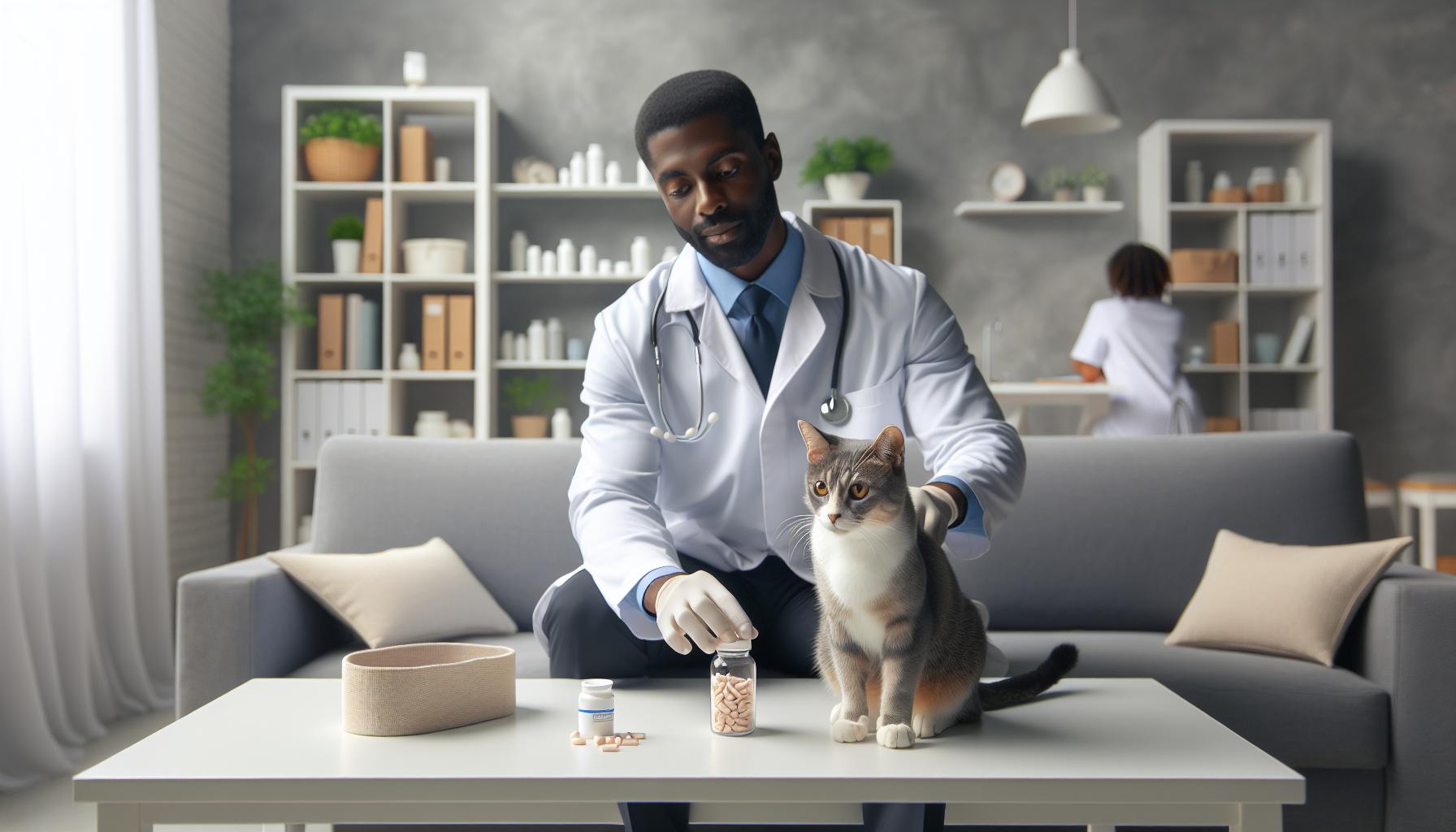
Safe Allergy Medications for Your Feline Friend
Many pet owners may feel overwhelmed when faced with the realities of managing allergies in their cats. The good news is that there are effective and safe allergy medications available, designed specifically to help alleviate your feline friend’s discomfort. Understanding the options can empower you to make informed decisions that prioritize your cat’s health and happiness.
Several over-the-counter and prescription medications can provide relief from allergy symptoms. Antihistamines often serve as the first line of defense. Medications like cetirizine and diphenhydramine are commonly prescribed and can effectively reduce itching and inflammation caused by allergic reactions. It’s important to remember that cats may have different responses to these medications compared to humans, so always consult with your veterinarian for guidance on proper dosages and to confirm that a specific medication is safe for your cat.
In addition to antihistamines, there are corticosteroids available, such as prednisolone, which can help manage more severe allergic reactions. These medications work by suppressing the immune response, thus reducing inflammation and discomfort. While effective, corticosteroids are often prescribed for short-term use due to potential long-term side effects. Your veterinarian can assist in determining the best treatment plan and monitor your cat’s response to the medication.
As a thoughtful pet owner, you may also want to consider combining medication with lifestyle adjustments. Maintaining a clean living space can reduce allergens in your home, while regular grooming can help limit dander and dust exposure. Furthermore, keeping track of your cat’s symptoms and their reactions to specific medications can provide invaluable insights for future consultations with your vet.
By approaching the management of your cat’s allergies with knowledge and care, you can find a suitable treatment that not only eases their discomfort but also enhances their overall quality of life. Taking proactive steps, such as regular veterinary check-ups and open communications about your pet’s health, can foster a happier and healthier environment for both you and your furry companion.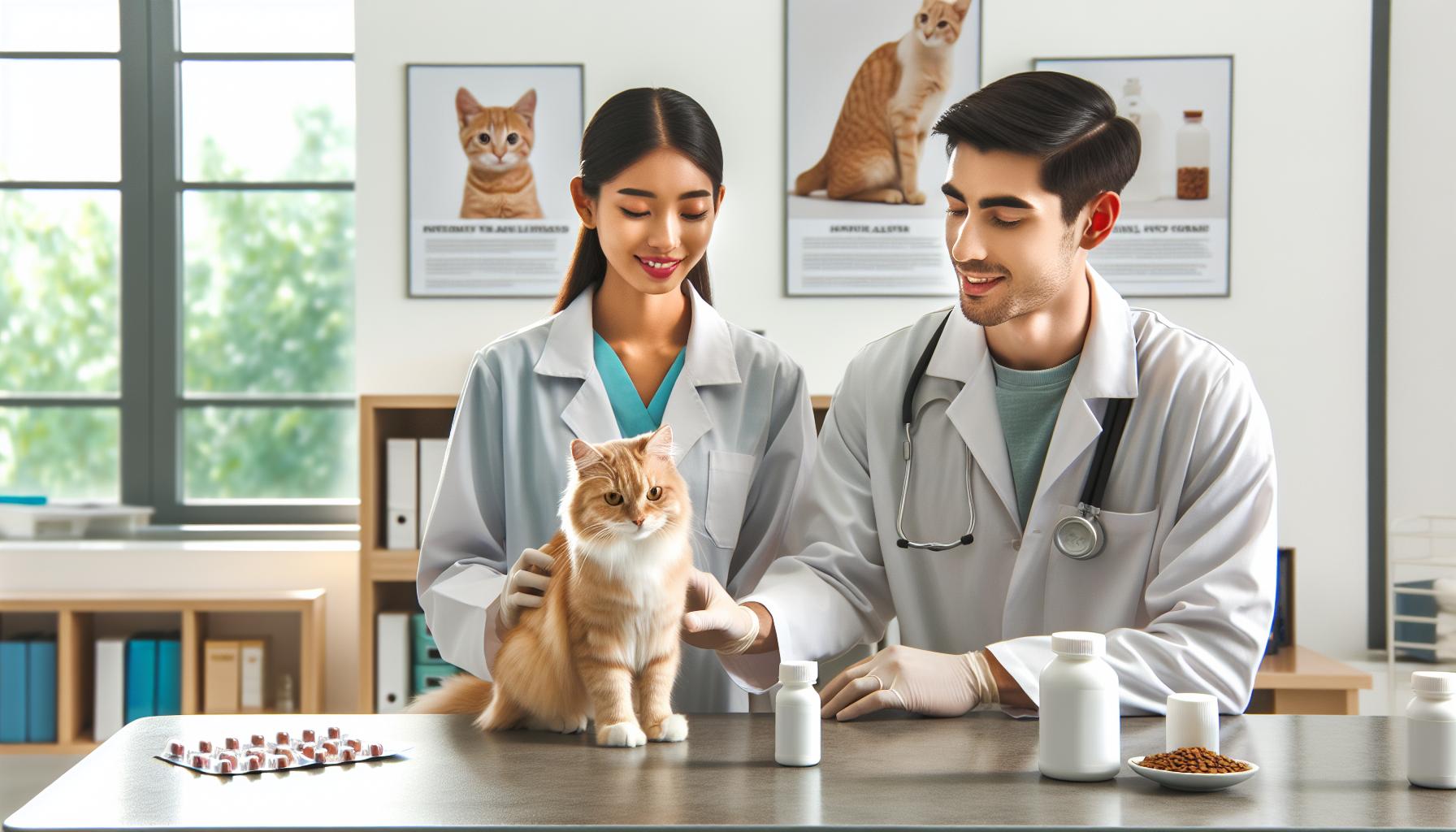
Natural Alternatives to Allergy Pills for Cats
Finding effective relief for cats suffering from allergies can be a journey, and many pet owners are understandably interested in exploring natural alternatives to conventional allergy medications. These alternatives not only aim to alleviate symptoms but also promote overall health and wellness for our feline friends.
One popular natural remedy involves using omega-3 fatty acids, commonly found in fish oil. These fatty acids can help reduce inflammation and boost the immune system. Incorporating omega-3 supplements into your cat’s diet may provide significant relief from itchy skin and other allergic reactions. However, it’s essential to consult with your veterinarian regarding proper dosages and to ensure the supplement is suitable for your cat’s specific health needs.
Another effective approach is the use of local honey. While not scientifically proven, some cat owners have reported that offering a small amount of local honey may help desensitize their pets to environmental allergens, acting similarly to allergy shots for humans. Just be cautious with the amount and frequency, ensuring it aligns with your cat’s dietary needs.
In addition to dietary changes, herbal remedies such as quercetin-a natural antihistamine found in various plants-can be beneficial. Formulations of quercetin designed specifically for pets can help stabilize mast cells and prevent the release of histamine. Make sure to acquire high-quality, pet-safe products.
Environmental Adjustments
Altering your cat’s environment can also play a pivotal role in managing allergies naturally. Regularly cleaning your home to reduce dust and dander can significantly decrease exposure to allergens. Consider the following steps:
- Vacuum carpets and furniture frequently with a HEPA filter vacuum.
- Wash your cat’s bedding and toys often to eliminate irritants.
- Use air purifiers to improve indoor air quality.
Moreover, introducing probiotics into your cat’s diet can help support their gut health, which is closely linked to the immune system. A balanced gut flora can enhance immune response, potentially lessening allergic reactions.
By exploring these natural alternatives and making environmental adjustments, you can proactively support your allergic cat’s well-being. Always remember to consult with your veterinarian before making any changes to your cat’s health regimen, ensuring that the chosen methods are safe and effective in conjunction with their individual health status.
Dosage Guidelines for Cat Allergy Medications
Determining the right dosage for allergy medications in cats is crucial to ensure their safety and effectiveness. Cats are not small dogs; their metabolism and reactions to medication can differ significantly, making it vital to follow veterinary guidance closely. When considering medication options, always consult your veterinarian first. They’ll provide tailored advice with factors such as your cat’s weight, age, and overall health in mind.
Here are some commonly used medications and general dosage guidelines:
- Antihistamines (e.g., Diphenhydramine, Cetirizine): Typically, the dosage ranges from 1 mg per pound of body weight, given 1-2 times a day. However, some cats may experience drowsiness.
- Glucocorticoids (e.g., Prednisone): Dosage can vary widely based on your cat’s condition but is usually between 0.5 to 1 mg per pound administered once daily for a short duration. It’s critical to follow a tapering schedule if these are used long-term.
- Immunotherapy (allergy shots or drops): This therapy requires a specialized dosage based on allergy testing and should always be administered by a veterinarian.
Always monitor your cat for any side effects after starting new medications. Common side effects may include increased thirst, appetite changes, or gastrointestinal upset. If any unusual behavior occurs-such as excessive lethargy or vomiting-contact your veterinarian immediately.
It’s also important to adhere to dosage guidelines. Never administer human medications intended for another species, as this can lead to severe health issues. Furthermore, always keep a log of the medication type, dose, and frequency for your reference and to share with your vet during check-ups. This proactive approach can enhance your cat’s treatment plan, ultimately leading to healthier, happier living with allergy relief.
Managing Side Effects of Allergy Medications in Cats
Managing a cat’s allergies can be a delicate task, especially when introducing medication to alleviate symptoms. While allergy pills can be effective in controlling reactions, they can also bring about side effects that concern pet owners. Identifying and managing these side effects is crucial to ensuring your feline friend remains comfortable and healthy during treatment. Common reactions to allergy medications can include drowsiness, increased thirst, appetite changes, or gastrointestinal upset. These side effects, while often manageable, can affect your cat’s quality of life if not properly addressed.
To mitigate potential side effects, it’s essential to administer medications as directed by your veterinarian. Keep a close eye on your cat’s behavior after starting any new treatment. If you notice excessive lethargy, vomiting, or unusual changes in eating or drinking habits, contact your veterinarian promptly for advice. They may adjust dosages or suggest alternative treatments that better suit your pet’s specific health needs. In some cases, gradual dosing can also help your cat acclimate to the medication without overwhelming their system.
Incorporating supportive measures can also help alleviate side effects. Ensure your cat has access to fresh water at all times, particularly if they are experiencing increased thirst. You might consider implementing a bland diet temporarily if gastrointestinal upset occurs. Monitoring your cat closely during medication initiation can provide valuable insights into how they are tolerating the treatment. This observational data will empower discussions with your veterinarian, ultimately leading to a more tailored and effective management plan.
If side effects persist or worsen, it’s essential to revisit the conversation with your vet. They can offer additional insights, whether that means supplementing with natural remedies, adjusting the medication type, or exploring other avenues for allergy relief. Remember, managing allergies in cats is a journey that often requires patience and persistence, but with proper attention and care, many cats lead happy and healthy lives even while dealing with allergies.
When to Consult Your Veterinarian About Allergies
Managing your cat’s allergies can be a daunting task, especially when symptoms appear to escalate or change. Recognizing when it’s time to consult your veterinarian is crucial not only for your cat’s comfort but also for finding effective treatments. If your feline companion shows signs of distress, prolonged scratching, or you observe new symptoms like swelling or difficulty breathing, seeking veterinary advice promptly is essential. Allergies can manifest in various ways, and what may seem like a mild reaction could quickly develop into something more serious.
Monitoring your cat’s behavior is key. If your cat begins to experience excessive grooming, leads a more sedentary life, or avoids interactions with family members, these may be subtle indicators of discomfort. Additionally, if you’ve recently started your cat on allergy medications and notice side effects-such as persistent drowsiness or gastrointestinal upset-it’s wise to consult your veterinarian. They can assess whether the side effects are due to the medication or if your cat requires a different treatment approach.
When Symptoms Worsen
In cases where symptoms worsen or do not improve after a reasonable period, contacting your veterinarian is paramount. For instance, if your cat experiences persistent vomiting, diarrhea, or signs of dehydration, these could indicate a need for immediate intervention. Illness caused by allergies not only causes distress but can also lead to complications if left untreated.
Equally important is the evaluation of any new symptoms that arise while your cat is undergoing allergy treatment. If you notice any changes in appetite or unusual lethargy, these could signal a reaction to the medication or the need for an adjustment in treatment. Regular follow-up appointments can greatly assist in tailoring the treatment to your cat’s evolving needs, ensuring a happier, healthier life despite the challenges of allergies.
Holistic Approaches to Cat Allergy Relief
Exploring holistic approaches to managing your cat’s allergies can be a game-changer, providing options that emphasize overall wellness and minimize reliance on medication. Integrating natural remedies and lifestyle adjustments can empower you to support your feline friend’s health while addressing allergy symptoms effectively. Cats often experience chronic discomfort from allergens, such as pollen or certain food ingredients; thus, a holistic approach can alleviate their suffering while promoting a healthier lifestyle.
One effective method is to improve your cat’s diet with high-quality, hypoallergenic food. Look for options specifically formulated for allergy-prone pets, which often contain limited ingredients to reduce potential triggers. Additionally, incorporating omega-3 fatty acids from fish oil can promote a healthier skin and coat, potentially reducing the severity of allergy symptoms. Another advantageous strategy is to ensure your cat stays hydrated and maintains a healthy weight- factors that can influence their overall health and immune response.
Environmental modifications are also crucial in managing allergies holistically. Regularly cleaning your home to minimize dust, using air purifiers to reduce airborne allergens, and keeping your cat’s living space free from irritants can significantly lessen their exposure to triggers. Bathing your cat with allergen-reducing shampoos can help remove dander and pollen from their fur, providing immediate relief and a soothing experience.
Finally, consider employing natural supplements, such as quercetin and probiotics, to enhance your cat’s immune function and manage inflammatory responses. These supplements can help your cat’s body better tolerate allergens while promoting digestive health. Always consult your veterinarian before introducing new treatments, especially if your cat is already receiving allergy medications, to tailor a safe and comprehensive plan that suits your feline companion’s unique needs.
Common Misconceptions About Allergies in Cats
Many pet owners harbor misconceptions about allergies in cats, which can lead to mismanagement and prolonged discomfort for their feline companions. One common belief is that all allergies in cats are caused by environmental factors, such as pollen, dust, or mold. While these are indeed significant triggers, it’s essential to recognize that cats can also suffer from food allergies, which can manifest through symptoms like itching, gastrointestinal distress, or skin irritation. This distinction is crucial because it informs how owners might manage their pet’s health.
Medications are Not Always Necessary
Another widespread misconception is that allergy pills are the primary solution for all allergic reactions. While medications can provide relief, they are not a blanket fix and are often accompanied by potential side effects. Instead of jumping straight to pills, it’s advisable for pet owners to explore all possible avenues-such as dietary adjustments, environmental controls, and natural remedies-before concluding that medication is the best course of action.
Cats Can’t Have Allergies
Some individuals mistakenly believe that cats are immune to allergies or that their symptoms are merely behavioral. In reality, cats can experience a variety of allergies, including flea, food, and contact allergies. Understanding that cats can show discomfort through scratching, biting, or even changes in behavior is key for owners to recognize the signs early and seek appropriate treatment.
- Allergy Symptoms: Some common signs of allergies in cats include excessive scratching, red or inflamed skin, sneezing, and watery eyes.
- Consult Professionals: It’s essential to consult a veterinarian for a proper diagnosis if allergy symptoms are observed.
- Ongoing Management: Ongoing management may involve regular cleanings, dietary considerations, and sometimes, medication.
By dispelling these misconceptions and equipping themselves with accurate information, pet owners can make informed decisions that lead to better management of their cats’ allergies. Being proactive not only improves the cat’s quality of life but also enhances the bond between pet and owner, ensuring that each feline friend can live comfortably in their home.
Preventive Measures for Allergies in Cats
To effectively minimize the risk of allergies in cats, proactive measures can make a significant difference in the lives of both the feline and their owners. A well-planned environment, careful attention to diet, and consistent grooming routines are vital components in keeping allergies at bay. For example, if your cat is sensitive to house dust or pollen, maintaining a clean living space by regular vacuuming and using air purifiers can help reduce these allergens significantly.
Implementing dietary adjustments can also be a crucial preventative step. Some cats are susceptible to food allergies, which can manifest through various symptoms. To prevent this, consider feeding your cat high-quality, hypoallergenic diets that are less likely to trigger allergic reactions. Always introduce any new food gradually and monitor your cat’s reaction. Consulting with your veterinarian can provide specific recommendations based on your cat’s history and reactions.
Regular grooming is another effective strategy for preventing allergies. This not only helps remove allergens and dander but also allows for early detection of skin irritations or other signs of allergies. For cats that shed more or those with longer fur, more frequent grooming sessions can prevent the buildup of allergens in your home. Using specialized brushes or tools designed to minimize shedding can aid in managing this aspect effectively.
Additionally, addressing any flea infestations promptly is crucial, as flea allergies can lead to significant discomfort for your cat. Maintaining a regular flea prevention regimen, including topical or oral medications recommended by your veterinarian, can safeguard against possible outbreaks.
In summary, creating an allergy-friendly home environment for your cat involves a combination of cleanliness, dietary vigilance, routine grooming, and flea management. By taking these preventive measures, you’ll not only improve your cat’s quality of life but also strengthen the bond that you share, allowing for a happier, healthier life together.
Life with an Allergic Cat: Tips for Owners
Living with a cat that has allergies can be a challenging journey, but with the right strategies and understanding, you can create a stable and comfortable environment for your feline friend. It’s essential to recognize that many cats suffer from allergies, which can result in a variety of symptoms ranging from itching and scratching to gastrointestinal issues. Knowing how to manage these allergies will empower you to provide the best possible care for your cat.
First and foremost, understanding the types of allergens that affect your cat is crucial. Common triggers include environmental factors like pollen, mold, and dust mites, as well as food ingredients such as certain proteins or grains. Keep a detailed record of your cat’s reactions, noting any patterns or specific substances that may exacerbate their condition. This will aid in discussions with your veterinarian, who can help determine the best course of action, whether that involves allergy testing, diet changes, or medications.
Maintaining a clean home is another vital component of managing your cat’s allergies. Regularly vacuuming and dusting can significantly reduce airborne allergens. Consider investing in HEPA air filters to trap allergens in your living space. If your cat has a preferred resting spot, ensure it’s regularly cleaned, and use hypoallergenic bedding free from dyes or harsh chemicals. It’s also wise to keep your cat’s grooming routine consistent to remove loose hair and dander, which can be irritating.
When it comes to medication, always consult with your veterinarian to discuss the safest options for your cat. There are allergy pills designed specifically for pets, but dosages can vary. Following your vet’s guidance is essential-never administer human medications without professional advice. Alongside traditional medications, consider exploring natural alternatives like omega-3 fatty acids or supplements aimed at boosting skin health, which might alleviate some allergic symptoms.
Lastly, it’s critical to monitor and adjust your cat’s environment continually. Many cats thrive with a routine, so establishing a consistent schedule for feeding, grooming, and play can also help reduce stress, which can worsen allergic reactions. By addressing allergies with empathy and proactive measures, you can ensure a happier, healthier life for your cat, filled with love and fewer uncomfortable symptoms.
Q&A
Q: What are the signs that my cat may have allergies?
A: Common signs of allergies in cats include excessive scratching, licking, skin irritations, sneezing, and watery eyes. If your cat shows these symptoms, consider consulting your veterinarian for a proper diagnosis and treatment plan. For more on recognizing symptoms, check the “Understanding Cat Allergies” section in your article.
Q: Can cats take human allergy medications?
A: Generally, human allergy medications can be harmful to cats. Some ingredients, like pseudoephedrine, are toxic to them. Always consult a veterinarian before giving any medication to ensure safety and proper dosing. Refer to the “Safe Allergy Medications for Your Feline Friend” section for more insights.
Q: What are alternative therapies for managing cat allergies?
A: Natural therapies such as omega-3 fatty acids, probiotics, and herbal remedies may help manage allergies in cats. These alternatives can improve overall skin health and reduce inflammation. For detailed options, see the “Natural Alternatives to Allergy Pills for Cats” section in your article.
Q: How can I help my cat during allergy season?
A: To help your cat during allergy season, regularly bathe them to remove allergens from their fur, maintain a clean home environment, and use air purifiers. Discuss additional strategies in the “Preventive Measures for Allergies in Cats” section in your article.
Q: Are there specific breeds of cats that are more likely to have allergies?
A: Certain breeds, like Siamese and Burmese, may be more prone to allergies due to genetic factors. However, any cat can develop allergies. Learn more about genetic predispositions in the “Understanding Cat Allergies” section of your article.
Q: When should I consider allergy testing for my cat?
A: Consider allergy testing if your cat experiences chronic allergic reactions or if symptoms persist despite treatment. Identifying specific allergens can lead to more effective management strategies. For insights on consulting a veterinarian, see the “When to Consult Your Veterinarian About Allergies” section.
Q: How do I know if my cat’s medication is working?
A: You can determine if your cat’s medication is effective by monitoring symptom improvement, such as reduced itching, less sneezing, and healthier skin. Make sure to track these changes over time and communicate any concerns with your veterinarian.
Q: What should I do if my cat has a reaction to allergy medication?
A: If your cat shows signs of a reaction (such as vomiting, diarrhea, or difficulty breathing) after taking allergy medication, contact your veterinarian immediately. Quick action is crucial in ensuring your cat’s health and safety. Refer to the “Managing Side Effects of Allergy Medications in Cats” section for more advice.
In Summary
While navigating the challenges of cat allergies, it’s important to remember that safe options exist for managing your pet’s discomfort. Consulting your veterinarian about allergy pills is key to finding the best solution tailored for your feline friend. If you suspect allergies, don’t wait-taking action now can significantly improve your cat’s quality of life.
For more insights, explore our articles on “Natural Remedies for Cat Allergies” and “Understanding Your Pet’s Allergic Reactions” to deepen your understanding. Don’t forget to subscribe to our newsletter for expert tips delivered straight to your inbox, or check out our store for vetted allergy care products that can help. Share your thoughts in the comments-your experience can help fellow cat owners concerned about allergies. Together, we can ensure a happier, healthier life for our beloved pets!


