As the seasons change, many pet owners notice their furry companions behaving unusually. Just like humans, cats can suffer from seasonal allergies, which can manifest through symptoms like sneezing, itching, and watery eyes. Understanding how and why these allergies occur is essential for keeping your feline friend comfortable and healthy.
You might have noticed your cat scratching more or showing signs of discomfort that leave you concerned. These issues not only affect your cat’s well-being but can also cause stress for you as a caregiver. By identifying the signs of seasonal allergies and knowing how to manage them, you can significantly improve your cat’s quality of life.
Dive into this guide to discover the common signs of feline allergies, effective solutions, and preventive measures that can help your cat enjoy every season to the fullest. Give your beloved companion the relief they need, and feel empowered to tackle allergy season together!
Signs Your Cat May Have Seasonal Allergies
Feline seasonal allergies can often be mistaken for other health issues, making it crucial for cat owners to recognize the telling signs. Cats may develop allergies to various environmental factors, such as pollen, mold, or dust mites. If your feline friend is experiencing allergies, you may notice several symptoms that signal discomfort and irritation.
Common signs include persistent sneezing, itching, and watery eyes. If your cat is frequently scratching or grooming itself, it could be a response to allergens irritating its skin. You might observe red or inflamed areas, particularly around their face, paws, and belly. Additionally, look out for changes in behavior. A cat suffering from seasonal allergies may become more withdrawn or irritable, as the discomfort impacts their overall well-being.
It’s also important to pay attention to their feeding and grooming habits. Cats affected by allergies may display decreased appetite or changes in their normal grooming routine, leading to unkempt fur. If you spot these symptoms, a detailed examination by a veterinarian is a prudent step. They can help determine the root cause and recommend appropriate treatments to alleviate your cat’s distress.
By being aware of these signs and taking action early, you can ensure your feline companion remains comfortable and happy throughout allergy season.
Common Triggers of Feline Seasonal Allergies
Seasonal allergies in cats can stem from a variety of environmental triggers that become prominent during certain times of the year. Understanding these triggers is crucial for any cat owner aiming to provide relief for their furry companions. Much like humans, cats can react negatively to common environmental elements, which can lead to discomfort and health issues.
Common allergens include:
- Pollen: Released by trees, grasses, and weeds, pollen is one of the most prevalent triggers. During spring and fall, when plants are actively pollinating, cats may show increased allergy symptoms.
- Mold: Mold spores thrive in damp environments and can be a significant problem, especially in humid months. If your cat frequently explores areas with mold, this could lead to allergic reactions.
- Dust Mites: These microscopic creatures are found in household dust and can trigger allergies at any time of the year, but they tend to be more problematic as indoor heating and cooling systems circulate dust.
- Insect Allergens: Fleas and other insect bites can lead to allergic reactions in cats. A single flea can cause intense itching and discomfort, making it essential to maintain proper flea control.
Identifying these triggers can help in tackling the allergy symptoms before they escalate. For instance, you might notice a spike in your cat’s sneezing or scratching at specific times of the year, suggesting the culprit could be pollen or mold. Implementing changes, such as using air purifiers during peak pollen seasons or ensuring that your home is free from excessive dust, can significantly impact your cat’s comfort. Regular cleaning and vacuuming can also minimize dust mite exposure, providing a healthier environment.
Understanding the common triggers is the first step in combating seasonal allergies in cats. With the right preventive measures and keen observation, cat owners can help their beloved pets lead a more comfortable life during allergy season.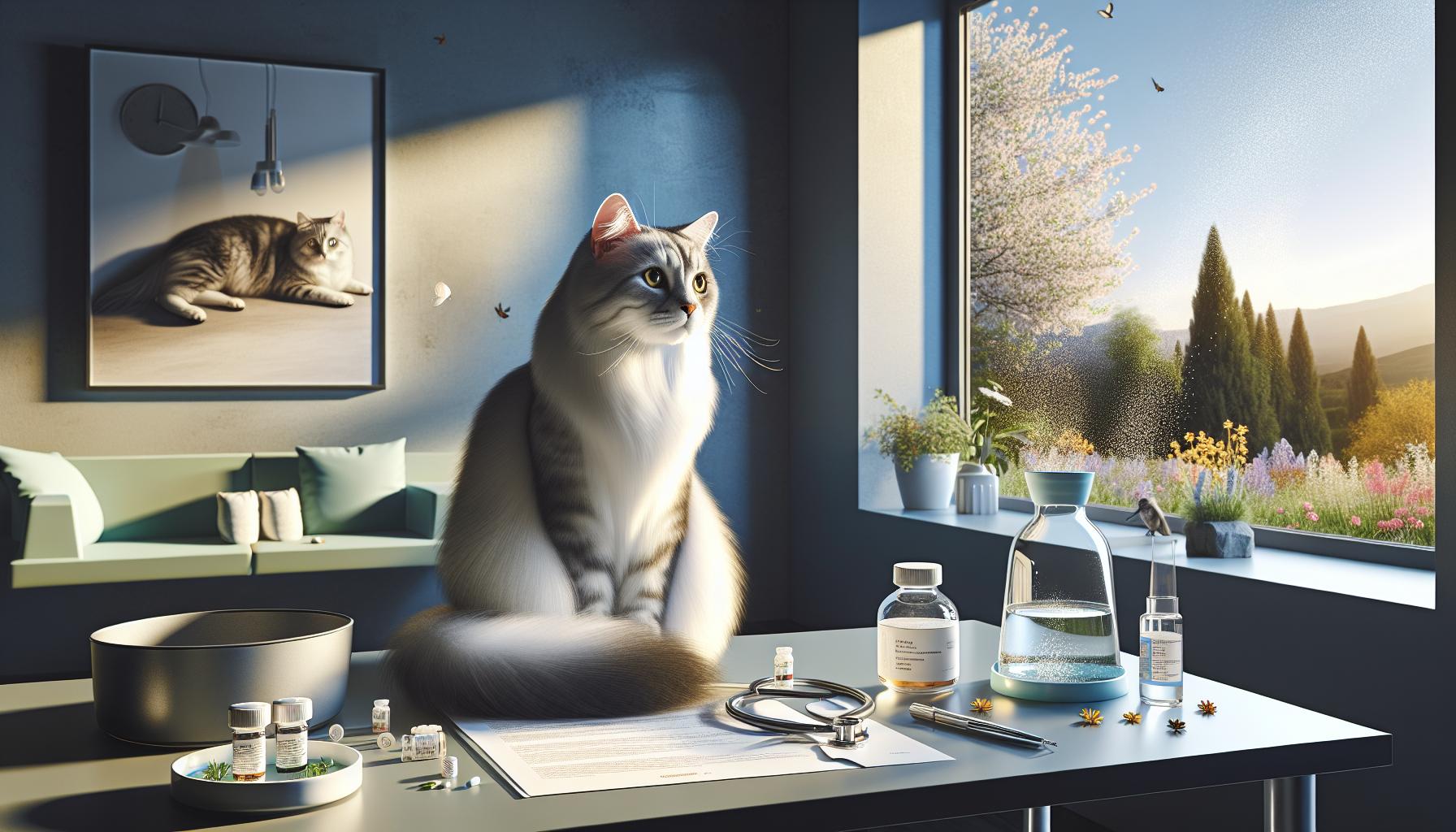
How Seasonal Allergies Affect Your Cat’s Health
When cats experience seasonal allergies, their health can be significantly impacted not just physically, but also mentally and emotionally. Just like people, cats can suffer from uncomfortable symptoms such as sneezing, itching, and inflammation, which can disrupt their daily lives. Imagine your feline friend constantly pawing at their face or rolling on the carpet trying to find relief. This behavior isn’t just annoying for them; it can lead to secondary health issues if left unaddressed.
One of the primary physical effects of seasonal allergies in cats is irritation of their skin and respiratory system. Cats may develop dermatitis or hot spots as a result of excessive scratching and biting, leading to infections that require veterinary treatment. Respiratory symptoms can manifest as chronic sneezing, coughing, nasal discharge, or wheezing. If a cat’s allergy symptoms become severe, they may experience fatigue or a decrease in appetite, causing a decline in their overall health. Such physical manifestations signal that the body’s immune system is in overdrive, responding to allergens as if they were threats.
Behavioral Impacts and Emotional Health
On a behavioral level, allergy symptoms can cause increased anxiety or stress in cats. If they feel constantly uncomfortable, they may withdraw from interaction or hide more often. Cats are sensitive creatures, and their emotional well-being is closely tied to their physical health. Owners often report that their usually playful pets become irritable or lethargic during allergy season, affecting the human-animal bond. It’s crucial to recognize these changes as signs that your cat may need additional attention, care, or even a professional evaluation.
To help mitigate these effects, there are several actionable steps you can take. First, monitor your cat’s symptoms closely; note any patterns that appear to correlate with environmental changes. Keeping your home clean-frequently vacuuming to minimize dust mites and using air purifiers-can help reduce allergen exposure. Regular grooming can also remove allergens from their coat, preventing them from transferring to their skin. If symptoms persist or worsen, consult a veterinarian, who may recommend antihistamines or other treatments to provide relief.
Empowering your cat through understanding and proactive care can lead to a healthier and happier life, allowing them to enjoy the season rather than suffer from it. By being vigilant about allergy signs and committed to providing support, you can ensure your feline companion remains as comfortable and engaged as possible, regardless of the time of year.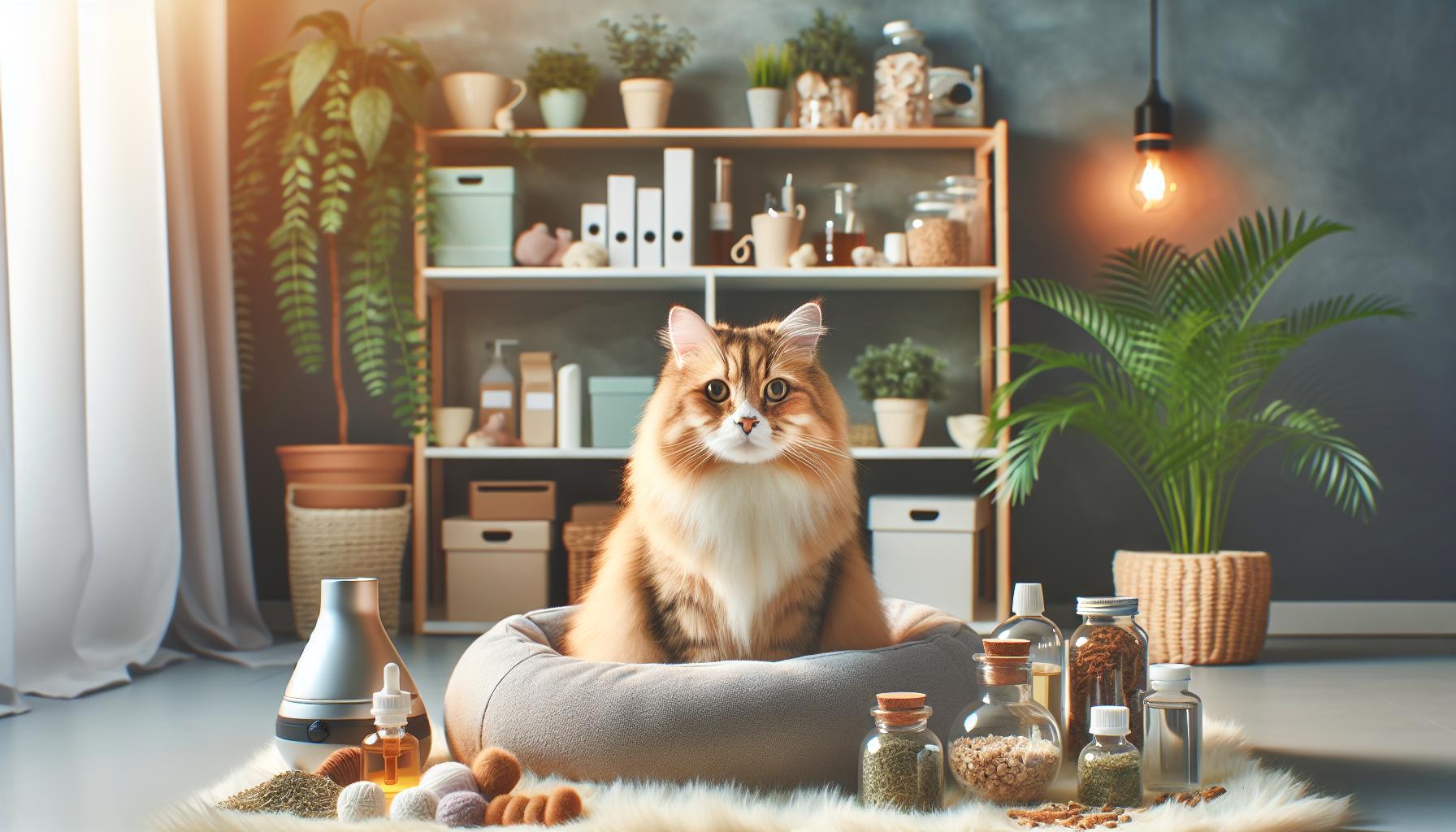
Natural Remedies for Allergies in Cats
When cats are faced with seasonal allergies, many pet owners seek natural remedies to help alleviate their furry friends’ discomfort. These more holistic approaches not only aim to reduce allergy symptoms but also support overall health and well-being. Incorporating these remedies can provide your cat with relief while avoiding potential side effects from pharmaceuticals.
One of the most effective natural remedies is adding omega-3 fatty acids to your cat’s diet. These fatty acids possess anti-inflammatory properties that can help soothe irritated skin and reduce itching. You can find omega-3s in fish oil supplements, or consider serving portions of fish like salmon, ensuring it’s cooked and free of any seasoning. Additionally, daily grooming sessions can be beneficial, as brushing your cat helps remove allergens from their coat and skin while distributing natural oils that nourish their skin.
Another remedy worth considering is a natural antihistamine. Quercetin, found in foods like apples, onions, and broccoli, can help stabilize mast cells and prevent allergic reactions. Although it’s often beneficial, consult your veterinarian for an appropriate dosage or a high-quality supplement specifically formulated for cats.
Herbal remedies such as calendula and aloe vera can also be useful for treating skin irritations or hot spots that arise from excessive scratching. Calendula can be applied topically in the form of a cream or ointment to help heal damaged skin, while aloe vera soothes the area and aids in recovery. However, ensure that any product you use is safe for cats, avoiding those with artificial fragrances or harmful chemicals.
Lastly, consider the environment in which your cat lives. Utilizing air purifiers can significantly reduce airborne allergens, while regularly cleaning your home, such as vacuuming and dusting, helps keep allergen-related irritants at bay. These natural approaches not only foster a healthier living space for your cat but also contribute to their general happiness and comfort during allergy season. By being attentive and proactive, you can enhance your cat’s quality of life while managing their seasonal allergies effectively.
Veterinary Treatments for Feline Allergies
When seasonal allergies strike, they can leave your feline friend feeling miserable. To ease their suffering, veterinary treatments can provide significant relief, often working in tandem with natural remedies for a comprehensive approach. Understanding these options is essential for pet owners seeking effective solutions.
One common veterinary approach to managing feline allergies includes the use of antihistamines such as diphenhydramine or cetirizine. These medications can mitigate allergy symptoms by blocking histamine release, which contributes to itching and inflammation. However, it’s crucial to consult your veterinarian before administering any over-the-counter medications, as they can provide guidance on safe dosages specific to your cat’s size and health status.
Corticosteroids may also be prescribed for cats with more severe allergic reactions. These medications can rapidly reduce inflammation and alleviate severe itching. While corticosteroids are effective, they are typically recommended for short-term use due to potential side effects with long-term administration. Your veterinarian will help weigh the benefits against the risks, ensuring the chosen treatment aligns with your cat’s overall health and needs.
In some cases, your veterinarian might suggest allergy testing, which can be performed through skin or blood tests. Identifying specific allergens can lead to tailored treatment plans, including immunotherapy or allergy shots. This is particularly beneficial for cats with chronic or recurring allergies, as it aims to desensitize them to particular allergens over time.
Regular follow-ups with your veterinarian are essential for monitoring your cat’s progress and adjusting treatment as needed. Keeping an open line of communication regarding any changes in your cat’s symptoms can lead to more effective management of their allergies, ultimately enhancing their quality of life during allergy season. By understanding and utilizing veterinary treatments effectively, you can bring much-needed relief to your furry friend during challenging allergy seasons.
Managing Your Cat’s Allergies at Home
Managing a cat’s allergies at home can feel like navigating a labyrinth, but with the right strategies, you can make a significant difference in your feline friend’s comfort. Seasonal allergies can provoke symptoms ranging from sneezing and itching to more severe reactions, and managing these at home involves establishing a supportive environment and using effective remedies. One common approach is to create a clean living space. Regularly vacuuming and dusting can help eliminate allergens such as pollen, dust mites, and mold spores that may trigger your cat’s allergy symptoms. Using air purifiers with HEPA filters can further improve air quality, capturing particles that may otherwise aggravate their condition.
In addition to environmental management, consider the grooming regimen you maintain for your cat. Regular brushing not only prevents matting but also reduces the amount of allergen-laden fur around your home. Bathing your cat occasionally can help remove harmful particles from their coat, though consult your vet for recommendations on how often this should be done and which products are safe for them. If your cat tends to chew or scratch at irritated areas, employing an Elizabethan collar can prevent self-inflicted injury while you work on alleviating the underlying causes.
Natural remedies, such as omega-3 fatty acids found in fish oil, can also play a role in reducing inflammation associated with allergies. Be sure to incorporate these into your cat’s diet gradually and consult your veterinarian for appropriate dosages. Additionally, providing your cat with a diet rich in antioxidants-like blueberries and spinach-can support their immune system and may lessen allergic responses over time.
Finally, don’t underestimate the importance of attention and observation. Keeping a journal of your cat’s allergy symptoms can help you identify triggers and patterns, leading to more effective management. By taking these proactive steps, you not only help your cat cope with seasonal allergies but also strengthen the bond you share with your cherished companion.
Preventive Measures to Reduce Allergens
To ensure your feline friend enjoys a comfortable life free from the discomfort of seasonal allergies, proactive measures can significantly minimize allergens in your home. One of the first steps is to create a designated “clean zone” where your cat spends most of its time. This space should be free of dust, allergens, and any irritants. Regular vacuuming using a vacuum equipped with a HEPA filter can effectively remove dander, dust mites, and pollen. Don’t forget to include areas where your cat likes to sit or rest, as these can harbor hidden allergens.
Another effective strategy is to manage the outdoor allergens that might invade your home. During peak allergy seasons, consider keeping windows closed to prevent pollen from entering, and wipe your cat’s paws with a damp cloth after outdoor play. This small step can significantly reduce the amount of pollen and other irritants that get tracked inside. Moreover, using air purifiers with HEPA filters throughout the house can help capture airborne allergens, improving overall air quality and providing relief for both you and your cat.
Grooming and Bathing
Establishing a regular grooming routine can also play a crucial role in minimizing allergens. Frequent brushing not only reduces shedding but also helps eliminate allergens from your cat’s fur before they spread around the house. Depending on your cat’s coat type, using grooming tools specifically designed for their needs can enhance this process. Additionally, bathing your cat, when advised by a veterinarian, can further help remove allergens that cling to their fur, providing immediate relief from irritation.
The use of natural cleaning products is another vital preventive measure. Strong chemical cleaners can aggravate respiratory conditions and worsen allergy symptoms in sensitive cats. Opt for pet-safe, hypoallergenic soaps and cleaning agents to maintain a clean environment with less risk of triggering allergies. By adopting these practices, you can create a sanctuary that promotes your cat’s health and well-being while successfully reducing the potential for irritating seasonal allergy symptoms.
The Importance of Regular Vet Check-ups
Regular veterinary check-ups are essential to the overall health and well-being of your cat, especially when it comes to managing seasonal allergies. These appointments allow veterinarians to monitor any signs of allergies, such as excessive itching, sneezing, or skin irritations, which can often go unnoticed if not observed closely. In fact, many pet owners assume that these symptoms are just natural behaviors or minor annoyances, but they could indicate underlying allergies that necessitate a more in-depth examination and intervention.
During a vet visit, your veterinarian can perform diagnostic tests that help distinguish between allergies and other health issues, such as infections or skin conditions that mimic allergy symptoms. These tests might include skin scrapes, blood tests, or elimination diets designed to identify specific allergens affecting your cat. Such expertise can lead to tailored treatment plans that not only alleviate your cat’s discomfort but also enhance their quality of life.
Building a Healthier Future
Regular check-ups also provide an opportunity to discuss preventive measures with your veterinarian. They can recommend environmental changes, such as installing air purifiers or adjusting your cat’s diet to boost their immune system and better manage allergy symptoms. For instance, introducing omega-3 fatty acids into your cat’s diet may improve skin health, potentially reducing allergy flare-ups.
Another advantage of routine vet visits is the chance to stay updated on the latest treatments and products available for allergic reactions. As veterinary medicine evolves, new therapies and medications emerge, and your veterinarian can guide you in choosing the most effective options for your feline friend. By maintaining an open line of communication with your veterinarian, you empower yourself with knowledge and strategies to combat the challenges of seasonal allergies while ensuring your cat enjoys a happier and healthier life.
In summary, regular veterinary visits are not just about check-ups; they are integral to understanding and managing your cat’s health needs, especially regarding seasonal allergies. Being proactive can not only address current issues but also prevent future complications, ensuring your pet’s well-being for years to come.
How to Differentiate Allergies from Other Conditions
Many pet owners often find themselves puzzled when their cats display symptoms like itching, sneezing, or gastrointestinal upset, uncertain whether these signs stem from allergies or other health conditions. Understanding how to differentiate between seasonal allergies and other potential issues is crucial for ensuring your feline friend receives the appropriate care. Seasonal allergies may mimic the symptoms of various disorders, including infections, parasites, or even food sensitivities. This overlap can lead to misunderstandings and misdiagnoses if not addressed properly.
One of the first steps in pinpointing the cause of your cat’s symptoms is observing their onset and triggers. Allergies typically manifest during specific seasons and are often related to environmental factors, such as pollen, mold spores, or dust mites. In contrast, infections caused by parasites like fleas or ticks might present with localized itching or skin infections and are often accompanied by other signs such as lethargy or loss of appetite. When evaluating symptoms, consider keeping a detailed record of when they occur, what your cat has been exposed to, and any other behaviors that accompany the reactions.
Diagnostic Steps to Consider
If you suspect your cat is suffering from allergies, it’s advisable to consult with your veterinarian. They might perform several diagnostics to help clarify the situation:
- Physical Examination: A thorough examination can reveal signs of scratching, ear infections, or skin irritations indicative of allergies.
- Allergy Testing: Veterinarians can conduct skin or blood tests to identify specific allergens.
- Elimination Diet: If a food allergy is suspected, switching your cat to a hypoallergenic diet for a period can help determine if food plays a role in the observed symptoms.
- Skin Scraping or Fecal Tests: These tests can rule out parasitic infections that may cause similar symptoms.
By understanding these key differences and working closely with your veterinarian, you can navigate the challenges posed by seasonal allergies or any other condition more effectively. Early and accurate diagnosis not only leads to better treatment outcomes but also allows for a healthier and happier life for your beloved cat.
Understanding the Role of Nutrition in Allergy Management
Nutrition plays a crucial role in managing seasonal allergies in cats, potentially minimizing the severity of their symptoms and supporting overall health. Just as in humans, proper nutrition can help bolster the immune system, which may alleviate the impact of allergens such as pollen, dust, or mold. Cats that receive a balanced diet rich in essential nutrients can be better equipped to cope with environmental stressors, thus reducing their allergic reactions.
To effectively manage allergies through nutrition, consider incorporating high-quality proteins and essential fatty acids, particularly omega-3 and omega-6 fatty acids. These nutrients help to maintain skin health and reduce inflammation, which can be a significant issue for allergic cats. For instance, including fish oil or flaxseed oil in your cat’s diet can promote a healthier coat and skin barrier, reducing the likelihood of irritation caused by allergens. It’s also vital to ensure that your cat’s diet is free of ingredients that might trigger food allergies, which can sometimes accompany seasonal allergies. Conducting a thorough review of ingredient lists on commercial cat foods and opting for limited ingredient diets can be beneficial.
Practical Steps for Optimal Nutrition
Managing your cat’s nutritional needs doesn’t have to be overwhelming. Here are some actionable steps you can take:
- Consult Your Vet: Before making major changes to your cat’s diet, consult with your veterinarian to rule out food allergies and ensure the new diet meets all nutritional needs.
- Choose Quality Ingredients: Look for cat food that lists high-quality proteins and is free from artificial preservatives and fillers. Whole meats and fish should be at the top of the ingredient list.
- Monitor and Adjust: Keep an eye on how your cat responds to dietary changes. If symptoms improve, you may be on the right track. If not, additional adjustments may be necessary.
- Consider Supplements: Omega fatty acid supplements can be a great addition to your cat’s diet during allergy season. Always select veterinarian-recommended brands.
Through thoughtful nutritional strategies, you can help support your cat’s health during allergy season. By providing a well-rounded diet and being mindful of triggers, you can empower your feline friend to feel more comfortable and active, navigating allergy challenges with greater ease.
When to Seek Emergency Care for Allergies
When it comes to seasonal allergies in cats, recognizing when to seek emergency care is crucial for their well-being. Allergies can sometimes escalate quickly, leading to severe reactions that require immediate intervention. If your cat exhibits symptoms such as extreme lethargy, difficulty breathing, excessive drooling, or swelling of the face and throat, these are strong indicators that you should seek veterinary assistance right away. For instance, a cat that suddenly starts wheezing or has a marked inability to catch its breath could be experiencing an anaphylactic reaction, which is a life-threatening emergency.
Here are key signs that your cat might need urgent care:
- Sudden Onset of Breathing Difficulties: Rapid or labored breathing can indicate a serious allergic reaction.
- Severe Swelling: Puffiness around the face, muzzle, or throat can constrict airways.
- Extreme Lethargy or Weakness: If your cat seems unusually tired or incapable of standing, it may be a sign of distress.
- Persistent Vomiting or Diarrhea: Gastrointestinal distress alongside other allergy symptoms should prompt immediate veterinary attention.
- Cyanosis: A bluish tint to the tongue or gums often signals a lack of oxygen and requires urgent care.
In these situations, swift action can be life-saving. If you observe any combination of these symptoms, do not hesitate to call your veterinarian or visit an emergency animal clinic. Bring along any relevant information such as your cat’s medical history and any potential allergen exposures to help the veterinary team provide the best care.
Being proactive and aware of your cat’s health can make a significant difference, allowing you to navigate seasonal allergies with confidence while keeping your feline friend safe. Always trust your instincts; if something feels off, it’s better to err on the side of caution. Prompt care ensures the best outcome for your cat and can alleviate the stress of allergy-related emergencies.
Myths and Facts About Cat Allergies
Understanding the truth behind cat allergies is essential for any cat owner, especially as seasonal changes bring about various environmental triggers. Many pet parents hold misconceptions that can lead to unnecessary worry or ineffective management strategies. For instance, one common myth is that cats cannot suffer from seasonal allergies. In reality, just like humans, many cats experience reactions to pollen, mold, and dust mites, leading to symptoms such as itching, sneezing, and even gastrointestinal upset. Recognizing these signs is the first step in helping your feline friend find relief.
Another prevalent misconception is that allergies are always food-related. While food allergies do exist in cats, seasonal allergies are often more common and can present similar symptoms. It’s important to differentiate between the two through veterinary assessment. A skilled veterinarian will be able to advise on proper allergy testing and help identify specific allergens affecting your cat. This knowledge empowers you to take actionable steps, such as implementing changes in your home’s environment, like using air purifiers, to reduce allergen exposure.
Some owners believe that if a cat isn’t showing immediate symptoms, they must not have allergies, which can be misleading. Allergies can sometimes be chronic and develop over time, resulting in subtle symptoms that can be easily overlooked. Regular check-ups with the vet, especially during peak allergy seasons, can help catch any issues before they escalate into more serious concerns.
Additionally, it’s crucial to demystify the notion that all allergy management requires prescription medications. While many effective treatments are available, including antihistamines and steroids, natural remedies can also play a role in alleviating symptoms. Options such as omega-3 fatty acid supplements or topical soothing treatments can provide relief and support your cat’s overall health. Always consult with your veterinarian before starting any new treatments to ensure they are safe and appropriate for your pet.
By understanding these myths and the facts behind them, you can better equip yourself to manage your cat’s seasonal allergies, ensuring they remain healthy and comfortable throughout the allergy season.
Frequently Asked Questions
Q: What are the symptoms of seasonal allergies in cats?
A: Symptoms of seasonal allergies in cats include sneezing, itchy skin, watery eyes, and excessive grooming. Cats may also develop inflamed ears or respiratory issues. If your cat displays any of these signs, consult your veterinarian for proper diagnosis and treatment. For further details, see “Signs Your Cat May Have Seasonal Allergies.”
Q: How can I tell if my cat has allergies or a cold?
A: To differentiate between allergies and a cold, observe your cat’s symptoms. Allergies often cause itching and red skin, while colds may present with nasal discharge and a lack of appetite. If symptoms persist, consult a vet for an accurate diagnosis. Additional insights can be found in “How to Differentiate Allergies from Other Conditions.”
Q: What natural treatments can I use for my cat’s allergies?
A: Natural treatments for cat allergies include omega-3 fatty acids, antihistamines, and reducing exposure to allergens through regular cleaning. Consult your vet before starting any new treatment. For more information, refer to “Natural Remedies for Allergies in Cats.”
Q: Why do cats develop seasonal allergies?
A: Cats develop seasonal allergies due to their immune systems reacting to environmental allergens, such as pollen, dust, and mold. These reactions can vary based on the cat’s genetics and exposure. Understanding triggers is key in managing allergies effectively.
Q: Can indoor cats get seasonal allergies?
A: Yes, indoor cats can experience seasonal allergies as they may still be exposed to airborne allergens such as pollen that infiltrate the home. Regular cleaning and air purification can help minimize exposure. Check out “Common Triggers of Feline Seasonal Allergies” for more details.
Q: When should I take my cat to the vet for allergies?
A: You should take your cat to the vet for allergies if symptoms worsen, persist for more than a week, or if your cat is showing signs of distress. Early intervention can prevent complications. More on this can be found in “When to Seek Emergency Care for Allergies.”
Q: Are there specific breeds prone to allergies?
A: Some cat breeds, like Siamese and Burmese, may be more prone to allergies due to their genetic predisposition. However, any breed can develop allergies. Regular health check-ups can help manage and monitor allergy risks.
Q: What role does diet play in managing feline allergies?
A: Diet plays a crucial role in managing feline allergies. A balanced diet, rich in omega-3 fatty acids, can help reduce symptoms. Additionally, hypoallergenic diets may be recommended for allergic cats. Explore “Understanding the Role of Nutrition in Allergy Management” for more insights.
Wrapping Up
As you navigate the challenges of seasonal allergies in your feline friend, remember that awareness is the first step toward providing relief. Recognizing symptoms early can make all the difference in ensuring your cat remains comfortable and happy. If you’re still unsure about your cat’s specific needs, don’t hesitate to seek advice from your veterinarian, who can offer tailored solutions.
Explore our related articles on cat allergy treatments and common symptoms of allergies in pets to gain more insights. Additionally, sign up for our newsletter to stay updated on the latest pet care tips and resources. Your four-legged companions deserve the best, and with the right information, you can give them the relief they need while ensuring their health remains a top priority. Share your thoughts or experiences in the comments below, and let’s continue this journey together – your kitty’s well-being is worth every effort!