


As allergy season approaches, many individuals find themselves battling congestion, sneezing, and discomfort. While conventional medications can provide relief, natural remedies like ginger are gaining attention for their potential benefits. Known for its anti-inflammatory properties, ginger may offer a supportive option for those seeking alternative ways to manage allergic reactions.
Exploring the connection between ginger and allergy relief is vital, especially for those who prefer natural solutions or experience side effects from pharmaceuticals. Understanding how ginger works within the body could empower you to find holistic approaches to alleviate your allergy symptoms effectively.
Join us as we delve into whether ginger truly helps with allergies and uncover its potential role in promoting a healthier lifestyle while navigating the challenges of allergy season. Your journey towards natural relief starts here.
Exploring Ginger’s Allergy-Relief Properties
Despite the growing prevalence of allergies, many people remain unaware of alternative remedies that can offer relief. Ginger, a spice revered for its medicinal properties, has garnered attention for its potential role in alleviating allergy symptoms. This remarkable root contains compounds known as gingerols and shogaols, which exhibit anti-inflammatory effects that may help soothe the immune system’s reaction to allergens. By incorporating ginger into your wellness routine, you can tap into a natural ally in the fight against seasonal and food-related allergies.
One way ginger can be beneficial is through its ability to combat symptoms associated with allergic reactions, such as inflammation and respiratory discomfort. The anti-inflammatory properties of ginger work to reduce swelling and congestion, making it easier to breathe during allergy season. For those suffering from food allergies, ginger may also help mitigate gastrointestinal discomfort, providing a sense of relief from nausea and digestive distress. Integrating ginger infusions, teas, or even ginger powder into meals can enhance its effectiveness.
To maximize the benefits of ginger, consider incorporating it in various forms, such as fresh ginger root, powdered ginger in your cooking, or ginger tea. These methods ensure that you can easily integrate this powerful ingredient into your diet. Regular consumption may help strengthen your immune response over time, potentially lowering the severity of allergic reactions as you become more attuned to this natural remedy. Additionally, pairing ginger with other known anti-inflammatory foods like turmeric or omega-3-rich fish may amplify its effects for a holistic approach to allergy management.
In conclusion, while ginger is not a cure-all for allergies, its properties can provide meaningful support when integrated into your daily routine. As you explore its potential benefits, remember to stay mindful of how your body reacts and consult with healthcare providers when necessary. The journey to allergy relief is often multifaceted, and ginger may just be a welcoming addition to your arsenal.
Understanding Allergies: Causes and Symptoms
Allergies are like unwelcome guests that can disrupt daily life, with symptoms ranging from mild irritation to severe discomfort. Understanding the causes of allergies is crucial in managing them effectively. Allergies occur when the immune system reacts to a substance-known as an allergen-that most people tolerate without issue. Common allergens include pollen, pet dander, dust mites, and certain foods. When the body encounters these triggers, it mistakenly identifies them as harmful, prompting an immune response that results in a variety of symptoms.
The symptoms of allergies can manifest in various ways, often depending on the type of allergen involved. Respiratory allergies can lead to symptoms such as sneezing, nasal congestion, and itchy eyes, significantly impacting one’s quality of life. Food allergies, on the other hand, may cause gastrointestinal distress, skin rashes, or even anaphylaxis in severe cases. It’s essential to recognize the signs of an allergic reaction:
- Respiratory Symptoms: Sneezing, runny or stuffy nose, itchy throat, and coughing.
- Skin Reactions: Rashes, hives, or eczema.
- Digestive Issues: Nausea, vomiting, or diarrhea, particularly with food allergies.
- Systemic Reactions: Anaphylaxis, which is life-threatening and requires immediate medical attention.
Identifying these symptoms early can empower individuals to take proactive measures, such as avoiding known allergens or seeking medical advice before symptoms escalate. Keeping a journal of allergy triggers and reactions can also help in managing symptoms more effectively and might reveal patterns that could inform treatment decisions.
By gaining a deeper understanding of allergies and their symptoms, individuals can better navigate their allergic responses, opening the door to potential relief strategies, including natural remedies like ginger. Recognizing the interplay between body and allergens is the first step in managing allergies and finding solutions that promote well-being.
The Science Behind Ginger’s Antihistamine Effects
Emerging research suggests that ginger may serve as a natural ally for those grappling with allergies, particularly through its antihistamine properties. Histamine, a compound released during allergic reactions, is primarily responsible for the uncomfortable symptoms such as sneezing, itching, and congestion. By inhibiting the release of histamine in the body, ginger could potentially lessen these reactions. This effect is particularly significant for people who endure seasonal allergies or sensitivities to environmental triggers.
The active compounds in ginger, such as gingerols and shogaols, have demonstrated anti-inflammatory properties, which may contribute to reducing the intensity of allergic responses. These compounds work by modulating the immune system’s activity, helping to suppress the overreaction that leads to allergy symptoms. In laboratory studies, ginger extracts have shown promise in decreasing inflammation and histamine release, suggesting a mechanism that could provide relief for allergy sufferers. For those dealing with respiratory issues, incorporating ginger into their diet might not just enhance flavor but also assist in easing discomfort.
To harness ginger’s potential in managing allergy symptoms, consider incorporating it into your daily routine. Fresh ginger can be brewed into tea, added to smoothies, or used in cooking. Even small amounts can provide a boost-try incorporating ginger into meals like stir-fries or soups. For targeted relief, ginger tea can be particularly soothing; simply steep fresh ginger slices in hot water with a splash of lemon or honey to create a comforting drink that may also help alleviate allergy symptoms.
Always consult a healthcare provider before making significant changes to your allergy management plan, especially if you’re considering natural remedies like ginger. While many people tolerate ginger well, some might experience adverse effects. By understanding both the potential benefits and the need for cautious integration of ginger into your health regimen, you can take proactive steps toward managing allergies more effectively.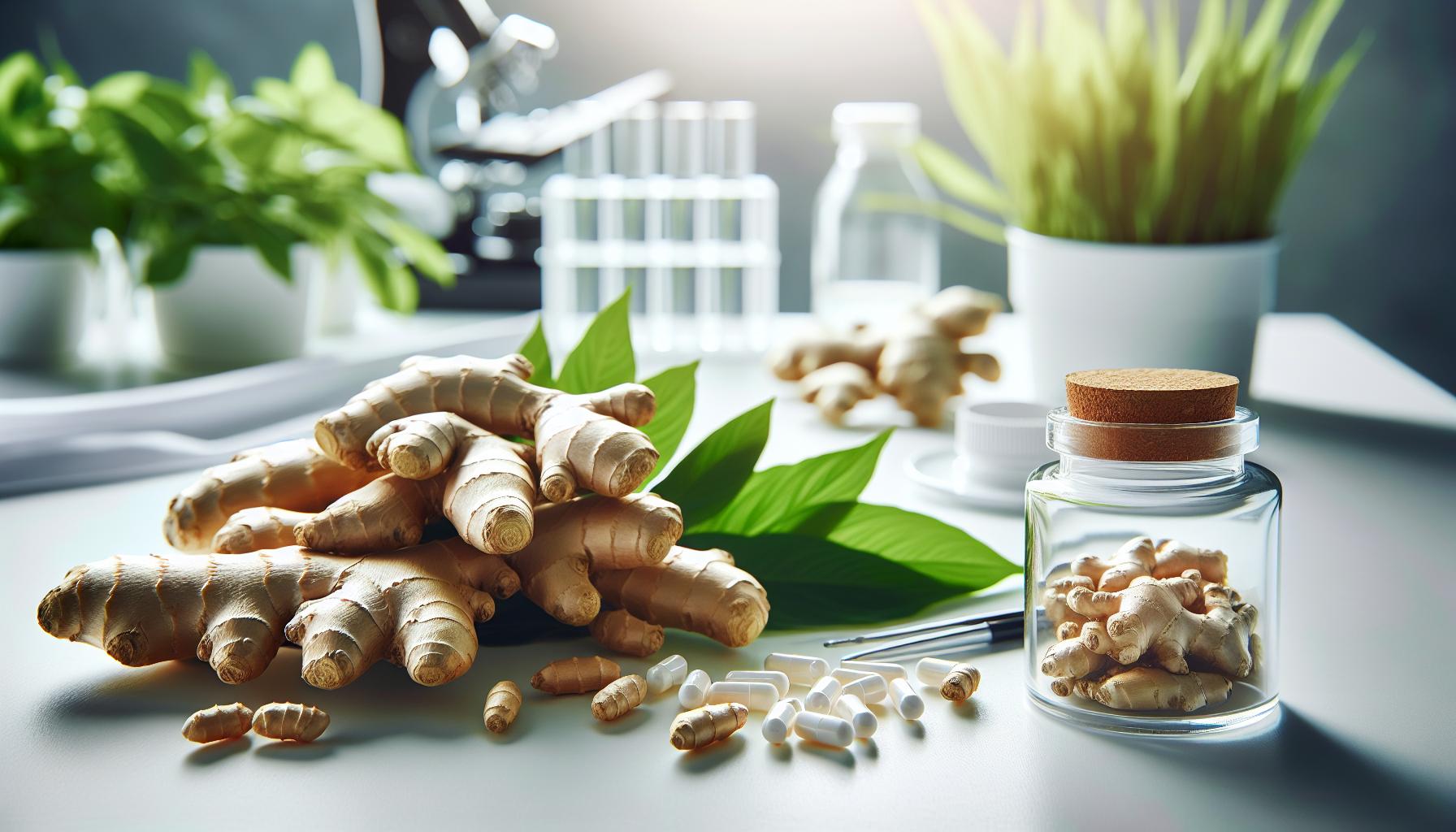
Natural Remedies: Ginger vs. Other Allergy Treatments
Many allergy sufferers are on the lookout for effective yet natural remedies to alleviate their symptoms. Ginger has emerged as a popular choice, celebrated not only for its culinary uses but also for its potential health benefits. Unlike conventional allergy treatments, which often involve antihistamines and other medications, ginger offers a natural alternative with its own unique properties. This botanical powerhouse may provide similar relief without the common side effects often associated with pharmaceutical options, such as drowsiness or jitters.
When comparing ginger to traditional allergy treatments, several factors should be considered. Prescription and over-the-counter antihistamines, like cetirizine or loratadine, work by blocking the action of histamine-one of the primary culprits behind allergy symptoms. However, they may lead some individuals to experience side effects, including dry mouth, fatigue, or headaches. In contrast, ginger contributes to reducing inflammation and may inhibit histamine release, potentially leading to fewer adverse effects for those who are sensitive to mainstream medications. Incorporating ginger into your routine could be as simple as drinking ginger tea or adding fresh ginger to meals, allowing for easy integration into your lifestyle.
Yet, it’s crucial to recognize that while ginger can be helpful, it may not replace more potent medications in severe cases of allergies. For some, allergies can trigger serious reactions, such as anaphylaxis, which requires immediate medical intervention. In such situations, traditional treatments like epinephrine auto-injectors are indispensable. Therefore, using ginger should be viewed as a complementary tool in one’s allergy management plan.
Ultimately, the key to managing allergies may lie in a holistic approach that combines both natural remedies like ginger with conventional treatments. By understanding and evaluating the effectiveness of various remedies, you can empower yourself to take charge of your allergy management. Always consider consulting with healthcare professionals to tailor a plan that best suits your needs, ensuring a balanced and comprehensive strategy that incorporates both the natural benefits of ginger and the effectiveness of traditional allergy medications.
How to Use Ginger for Allergy Relief
Ginger is not just a flavorful addition to your meals; it has potential therapeutic benefits that can aid those grappling with allergies. The active compounds in ginger, such as gingerol and shogaol, are known for their anti-inflammatory and antioxidant properties, which can play a role in alleviating allergy symptoms. By reducing inflammation in the airways and inhibiting the release of histamines, ginger may help provide relief from common allergy-related issues like sneezing, itching, and nasal congestion.
One of the simplest ways to harness ginger’s benefits is by brewing a soothing ginger tea. To make this, you can slice fresh ginger root and steep it in hot water for 10-15 minutes. Adding a touch of honey or lemon not only enhances the flavor but also provides additional soothing effects. Drinking this tea regularly during allergy season can be a comforting ritual that might help keep symptoms at bay.
Incorporating ginger into your diet can also be accomplished through various culinary methods. Adding fresh ginger to stir-fries, soups, or smoothies is an excellent way to increase your intake seamlessly. You could also consider creating ginger-infused vinegar or using ginger essential oil in a diffuser to enjoy its aroma and potential therapeutic properties. For those who prefer supplements, ginger capsules are available, but it’s advisable to consult with a healthcare professional before starting any new supplement regimen to ensure it aligns with your health needs.
It’s important to remember that while ginger can provide support, it should be part of a broader allergy management plan. Combining ginger with other natural remedies, staying hydrated, and avoiding known allergens can further enhance your relief efforts. As you explore ginger’s potential, consider maintaining a journal to track your symptoms and any improvements you experience, which can aid in understanding how this natural remedy works for you.
Ginger Preparation Methods for Allergy Management
One of the most appealing aspects of ginger is its versatility in preparation methods, making it easy to incorporate into your daily routine for allergy management. Whether you prefer sipping a warm beverage, enhancing your meals, or experimenting with infused oils, there’s a ginger preparation that can fit your lifestyle and preferences. These methods not only boost your intake of this beneficial root but can also offer a soothing way to combat the discomforts of allergies.
Ginger Tea
One of the simplest and most effective ways to harness ginger’s anti-inflammatory properties is by brewing a comforting ginger tea. To prepare, slice fresh ginger root (about one to two tablespoons) and steep it in boiling water for 10-15 minutes. This tea can be enjoyed hot or cold, with the option to add honey for sweetness or lemon for an extra vitamin C boost. Drinking ginger tea regularly during allergy season can provide a gentle, therapeutic effect on your respiratory system.
Incorporating Ginger into Meals
Adding fresh ginger to your meals is another great way to enjoy its benefits. You can easily integrate ginger into various dishes by:
- Stir-fries: Grate or mince ginger and sauté it with vegetables and proteins for a flavorful twist.
- Soups: Add slices of ginger to broths to enrich the flavor while reaping its soothing qualities.
- Smoothies: Blend fresh ginger into your favorite smoothies for a spicy kick and immune support.
These culinary applications not only enhance flavor but also serve as gentle, supportive remedies that can help mitigate allergy symptoms.
Ginger Infusions
For those looking for a concentrated form of ginger, try creating ginger-infused vinegar or oils. To make ginger-infused vinegar, slice fresh ginger and combine it with apple cider vinegar in a jar. Let it steep for a couple of weeks, shaking it occasionally. This infusion can be used as a salad dressing or as a digestive aid. Ginger-infused oils can also be made for use in cooking or as a massage oil, providing a relaxing aroma alongside its potential therapeutic effects.
Supplement Options
If you find it difficult to incorporate enough ginger into your daily diet, you may consider ginger supplements. These are available in capsule or extract form and can offer a concentrated dose of ginger’s beneficial compounds. However, it’s wise to consult with a healthcare professional before starting any supplement regimen to ensure that it aligns with your individual health needs.
By embracing these preparation methods, you can seamlessly incorporate ginger into your life as a supportive ally in managing allergy symptoms. Tailoring these approaches to suit your preferences and experimenting with new recipes can make the process enjoyable, helping you feel empowered in your allergy management journey.
Safety and Side Effects of Ginger Consumption
Ginger is celebrated for its myriad health benefits, particularly for its potential to alleviate allergy symptoms. However, like any natural remedy, it comes with considerations regarding safety and potential side effects. It’s essential to be informed so that you can incorporate ginger into your allergy management plan effectively and safely.
While many people tolerate ginger well, some may experience mild gastrointestinal discomfort, including heartburn, diarrhea, or stomach upset. To minimize these effects, start with small amounts and gradually increase your intake based on your comfort level. Drinking ginger tea or adding it to meals can be a gentle introduction. It’s also wise to avoid excessive consumption, as high doses, particularly in supplement form, could lead to increased risk of side effects.
For individuals with specific health conditions, such as those on blood-thinning medication or those with gallbladder issues, it’s crucial to consult a healthcare professional before significantly increasing ginger intake. Ginger has natural anticoagulant properties and can potentially enhance the effects of blood thinners, leading to an increased risk of bleeding. Pregnant or nursing individuals should also seek medical advice regarding the appropriate use of ginger, as while it can provide relief from nausea, high amounts may not be recommended.
Incorporating ginger thoughtfully can offer therapeutic benefits without overwhelming your system. Keeping a food diary or noting how your body responds to ginger can be an effective way to gauge its effects on your allergies while ensuring you use it safely. If at any point you experience adverse reactions, discontinue use and consult a healthcare provider.
By being proactive and informed, you can enjoy the natural relief that ginger offers for allergies while minimizing the risks associated with its consumption. This balanced approach empowers you to take control of your allergy symptoms with confidence.
Personal Stories: Ginger Success in Allergy Relief
In the quest for natural remedies to manage allergies, many individuals have shared transformative experiences with ginger that highlight its potential benefits. One common story comes from Emily, a 32-year-old teacher whose seasonal allergies often left her battling itchy eyes and a runny nose during the spring blooms. Desperate for relief, she began incorporating ginger tea into her daily routine. To her surprise, after just a week, Emily noticed a significant reduction in her symptoms. She found that the warm, spicy tea not only soothed her throat but also seemed to lessen her allergy flare-ups, making her days more enjoyable.
Similarly, Mike, a long-time asthmatic, discovered a unique way to integrate ginger into his diet. After hearing about the anti-inflammatory properties of ginger, he started adding fresh ginger slices to his smoothies. As his consumption of ginger increased, Mike reported fewer incidents of asthma attacks triggered by allergens, particularly pollen. He attributes this improvement to ginger’s ability to combat inflammation in the respiratory system, allowing him to breathe easier during allergy season. His newfound approach has empowered him, and he now encourages others to consider natural remedies alongside traditional treatments.
A common thread among these testimonials is the versatility of ginger in various forms-whether as tea, in smoothies, or even as a spice in savory dishes. People echo the sentiment that incorporating ginger into meals is not only easy but also delicious, making it a practical choice for anyone looking to manage their allergies naturally. The key takeaway from these personal stories is that while ginger may not work for everyone, many have found it to be a supportive ally in their journey towards allergy relief.
For those curious about trying ginger, starting with small amounts-like a cup of ginger tea or adding grated ginger to a favorite recipe-can be a gentle introduction. Keeping a journal to track any changes in allergy symptoms can also help individuals determine if ginger benefits their specific condition. Ultimately, these stories highlight a sense of hope; by embracing natural remedies like ginger, many have taken positive steps toward living more comfortably despite their allergies.
Expert Opinions: What Studies Say About Ginger
In recent years, the natural world has captivated researchers, and ginger has emerged as a subject of interest for its potential role in alleviating allergic reactions. Various studies suggest that ginger’s bioactive compounds may possess properties that offer relief from allergy symptoms. Specifically, ginger contains polyphenols, specifically gingerols and shogaols, which have been found to inhibit the release of histamine-a key player in allergic responses. This mechanism could explain why some individuals report reduced symptoms like sneezing and nasal congestion when incorporating ginger into their diets.
Research has highlighted ginger’s anti-inflammatory characteristics, which can further contribute to its effectiveness in managing allergies. For example, a study published in the Journal of Ethnopharmacology noted that ginger extract significantly reduced markers of inflammation in animal models, suggesting that similar effects might occur in humans. Inflammation not only aggravates common allergy symptoms but can also lead to more severe conditions such as asthma. Consequently, consuming ginger might help mitigate both the immediate discomfort of allergies and the underlying inflammation that exacerbates symptoms.
To leverage ginger’s potential benefits, consider integrating it into your daily routine in various forms, such as ginger tea, fresh ginger slices in smoothies, or as a spice in cooking. For those exploring ginger as a remedy, it’s beneficial to start with small amounts, gradually increasing as tolerated. Maintaining a journal to track any changes in symptoms can help gauge its effectiveness. Furthermore, it’s essential to consult healthcare professionals when incorporating new treatments into your allergy management plan, particularly if you are on medications or have pre-existing health conditions.
As research progresses, the anecdotal evidence surrounding ginger’s efficacy continues to grow. While it’s not a one-size-fits-all solution, many individuals suffering from allergies have found solace in ginger, often leading them to discuss natural remedies with others facing similar challenges.
Integrating Ginger into Your Allergy Management Plan
Incorporating ginger into your allergy management plan can be a refreshing and flavorful way to potentially alleviate symptoms while promoting overall health. Many individuals with allergies are often seeking natural remedies and, as research suggests, ginger may offer not only soothing properties but also a proactive approach to managing their symptoms. With its rich array of bioactive compounds like gingerols and shogaols, ginger presents a promising avenue for those who prefer holistic methods alongside conventional treatments.
To effectively integrate ginger into your routine, consider these practical steps:
- Daily Ginger Tea: Brew a cup of ginger tea each morning. Simply steep fresh ginger slices in hot water for at least ten minutes. This not only hydrates you but also delivers anti-inflammatory benefits right from the start of your day.
- Add to Meals: Grate or slice fresh ginger into stir-fries, salads, or soups. Its zesty flavor enhances dishes while potentially diminishing inflammation and histamine responses.
- Ginger Supplements: If you find cooking with ginger challenging, consider taking ginger supplements. However, consult a healthcare professional before starting any new supplement to ensure it fits well with your personal health plan.
- Smoothie Boost: Blend ginger with fruits such as mango, pineapple, or banana in smoothies. This is not only refreshing but can provide a delicious dose of ginger without overwhelming your palate.
Keep a journal to monitor how your body responds to ginger. Note any changes in your allergy symptoms, including frequency and severity. Documenting this can provide insight into your personal effectiveness and help identify the ideal amounts and preparation methods that yield the best results for you.
It’s crucial to remember that while ginger can support your allergy management strategy, it isn’t a cure-all. Collaboration with your healthcare provider ensures a well-rounded approach, particularly if you’re using other allergy medications or therapies. By combining ginger with other holistic practices-such as maintaining a balanced diet, engaging in regular physical activity, and ensuring good hydration-you can create a comprehensive plan that addresses both the symptoms and root causes of your allergies.
Incorporating ginger into your lifestyle not only holds promise for alleviating allergies but also fosters a sense of empowerment over your health choices. Celebrate small victories in symptom reduction, and remain open to fine-tuning your strategies as you learn what works best. Your journey toward managing allergies can be supported by the natural goodness of ginger, alongside informed medical guidance.
Lifestyle Tips to Enhance Ginger’s Effects on Allergies
Incorporating ginger into your daily routine can significantly enhance its potential benefits for alleviating allergy symptoms. To maximize these effects, consider blending ginger with other lifestyle changes that promote overall well-being and support your body’s natural defenses against allergens. Leveraging its anti-inflammatory properties alongside mindful practices can create a holistic approach to allergy management that is both empowering and effective.
- Stay Hydrated: Drinking plenty of water helps thin mucus and can alleviate some allergy symptoms. Infuse your water with slices of ginger and lemon for an added boost of flavor and health benefits.
- Balanced Diet: A diet rich in antioxidants can support immune function and reduce inflammation. Pair ginger with foods like berries, leafy greens, and omega-3 fatty acids found in fish to bolster its effects.
- Regular Exercise: Engaging in physical activity can help strengthen your immune system. Activities like yoga or brisk walking not only enhance your overall health but may also provide relief from stress, which can exacerbate allergy symptoms.
- Mindfulness and Stress Reduction: Stress can negatively impact your immune response. Incorporate mindfulness practices such as meditation or deep-breathing exercises into your routine to reduce stress levels, making you less susceptible to allergy flare-ups.
- Maintain Clean Spaces: Keeping your living environment clean can help minimize exposure to allergens. Regularly dust and vacuum, and consider using air purifiers to reduce airborne allergens. Adding ginger essential oil to your cleaning routine can also refresh your space.
Integrating these tips with your ginger consumption can create a synergistic effect. For instance, taking a ginger-infused bath after a workout can soothe muscles while the warm water helps relieve tension and potentially relax your immune response to allergens. Document any changes in your symptoms as you implement these lifestyle changes alongside ginger to identify what works best for you.
Remember, the journey to managing allergies is personal, and while ginger can be a powerful ally, it’s important to listen to your body and consult with healthcare professionals to ensure a comprehensive approach. This way, you not only tackle allergy symptoms holistically but also empower yourself to take charge of your health and wellness journey.
When to Seek Professional Help for Allergies
Recognizing is crucial for effective management and relief. Allergies can range from mild to severe, and the line between manageable symptoms and a medical emergency can sometimes blur. For example, while sneezing and a runny nose might be manageable with home remedies like ginger, other symptoms, such as swelling of the throat or difficulty breathing, can indicate a serious allergic reaction requiring immediate intervention.
If your allergy symptoms persist despite using natural remedies, such as ginger, or if you find them worsening, it’s essential to consult a healthcare professional. Persistent symptoms may indicate that your allergies are not adequately controlled, which can lead to complications over time, such as sinus infections or asthma flares. Additionally, if you experience any of the following symptoms, it’s important to seek medical advice promptly:
- Severe headache or facial pain: This may suggest sinusitis or other complications.
- Rash or hives: Skin reactions can escalate and should be evaluated.
- Chest tightness or wheezing: These could signal asthma or anaphylaxis, particularly if coupled with other allergic reactions.
- Difficulty swallowing or dizziness: These symptoms are particularly concerning and may indicate a severe allergic reaction.
In addition to recognizing serious symptoms, think about consulting an allergist if you’re struggling to identify specific allergens or if your symptoms interfere with daily activities or quality of life. A specialist can conduct tests to pinpoint triggers and recommend targeted treatments, which may include medication or immunotherapy to provide longer-term relief.
Creating an action plan that includes both natural remedies like ginger and medical advice can empower you to take control of your allergies. Tracking your symptoms and any potential triggers can provide invaluable information for your healthcare provider. Remember, addressing allergies is often a collaborative effort that balances at-home management techniques with professional guidance for the best possible outcomes.
Faq
Q: Can ginger reduce allergy symptoms?
A: Yes, ginger may help reduce allergy symptoms due to its anti-inflammatory and antihistamine properties. Incorporating ginger into your daily diet, such as in teas or smoothies, can aid in managing symptoms like congestion and sneezing.
Q: How does ginger work against allergies?
A: Ginger works against allergies by blocking the release of histamines and reducing inflammation. Its active compounds, like gingerol, may help alleviate symptoms related to allergic reactions, providing natural relief.
Q: What is the best way to consume ginger for allergies?
A: The best ways to consume ginger for allergies include fresh ginger tea, ginger-infused soups, or smoothies. Regular consumption of these preparations can enhance its allergy-relief effects and improve overall health.
Q: Are there any side effects of using ginger for allergies?
A: While ginger is generally safe, excessive consumption may lead to side effects such as digestive upset or heartburn. It’s recommended to start with small amounts and consult a healthcare professional if adverse effects occur.
Q: Can ginger interact with allergy medications?
A: Yes, ginger can interact with certain medications, especially blood thinners, increasing the risk of bleeding. It’s essential to consult a healthcare provider before combining ginger with allergy medications to ensure safety and effectiveness.
Q: How quickly can ginger provide relief from allergies?
A: Ginger may provide relief from allergy symptoms within a few hours after consumption. However, regular intake is essential for ongoing benefit, particularly during allergy season.
Q: Is ginger effective for all types of allergies?
A: Ginger is most effective in relieving symptoms associated with common allergies, such as pollen or dust mites. However, its efficacy can vary between individuals and different allergy types.
Q: How much ginger should I take for allergy relief?
A: Typically, consuming about 1-2 inches of fresh ginger root or around 1-2 teaspoons of ginger powder daily may be beneficial for allergy relief. Adjust based on personal tolerance and health needs, and consult a healthcare provider for personalized advice.
The Conclusion
In exploring whether ginger helps alleviate allergies, we’ve uncovered that this remarkable root may offer natural relief through its anti-inflammatory properties. While it isn’t a standalone treatment, incorporating ginger into your routine could be a positive step for your health. If you’re seeking more ways to manage allergy symptoms, consider reading about the numerous benefits of ginger on digestion and its role in reducing nausea Healthline or delve into how ginger assists with managing menstrual symptoms Verywell Health.
Don’t let allergies dictate your life! Now is the perfect time to experiment with ginger as a part of your allergy management plan and observe the changes it brings. Curious about more holistic options? Subscribe to our newsletter for the latest tips on natural health solutions or explore our dedicated resources on allergy management and other herbal remedies. Your journey to relief starts here-take the first step today!


