

For many pet lovers, the joy of companionship can be overshadowed by frustrating allergy symptoms. Did you know that allergies to pets are one of the most common triggers for respiratory issues, affecting millions of households? Understanding how long these allergic reactions can last and what you can do about them is essential for managing your health while keeping your beloved pet close.
In this article, we’ll explore the typical timeline for pet allergy symptoms, empowering you with knowledge about what to expect and how to navigate this challenging terrain. Whether you’re experiencing sneezing fits or itchy eyes, you’ll find actionable steps to alleviate symptoms, enabling you to enjoy your furry friend’s presence without compromising your well-being. Your journey towards relief begins here-let’s uncover the path to a happier, healthier environment.
Understanding Pet Allergy Symptoms: What to Expect
Experiencing allergy symptoms due to pets can be a daunting and frustrating journey. Pet allergies are typically caused by proteins found in animal saliva, skin, urine, and dander. When these allergens are inhaled or come into contact with the skin, they can trigger a cascade of symptoms that range in severity from mild discomfort to significant health challenges. Recognizing what to expect when dealing with these allergies is the first step in effectively managing them.
Common symptoms of pet allergies include sneezing, runny or stuffy nose, itchy and watery eyes, and skin reactions such as hives or rashes. Some individuals may also experience asthma-like symptoms, such as wheezing, coughing, and difficulty breathing, particularly if they have a pre-existing respiratory condition. It’s important to note that while these symptoms can appear almost immediately after exposure to the allergen, others might only develop after prolonged exposure over days or weeks.
A significant factor influencing the duration of these symptoms is the level of allergen exposure. For instance, if a pet spends a lot of time in a particular room, the accumulation of dander and other allergens can lead to persistent symptoms for anyone sensitive to those triggers. Conversely, symptoms may resolve more quickly if exposure is minimized, such as through regular cleaning and using air purifiers to reduce airborne allergens. Understanding these nuances can empower individuals to take proactive measures to alleviate their symptoms, such as establishing pet-free zones in the home and implementing regular grooming and cleaning routines.
As you navigate the challenges of pet allergies, recognizing these symptoms and understanding their triggers is crucial. By taking practical steps to manage exposures and seeking support when needed, individuals can coexist with their beloved pets while minimizing discomfort and creating a healthier living environment.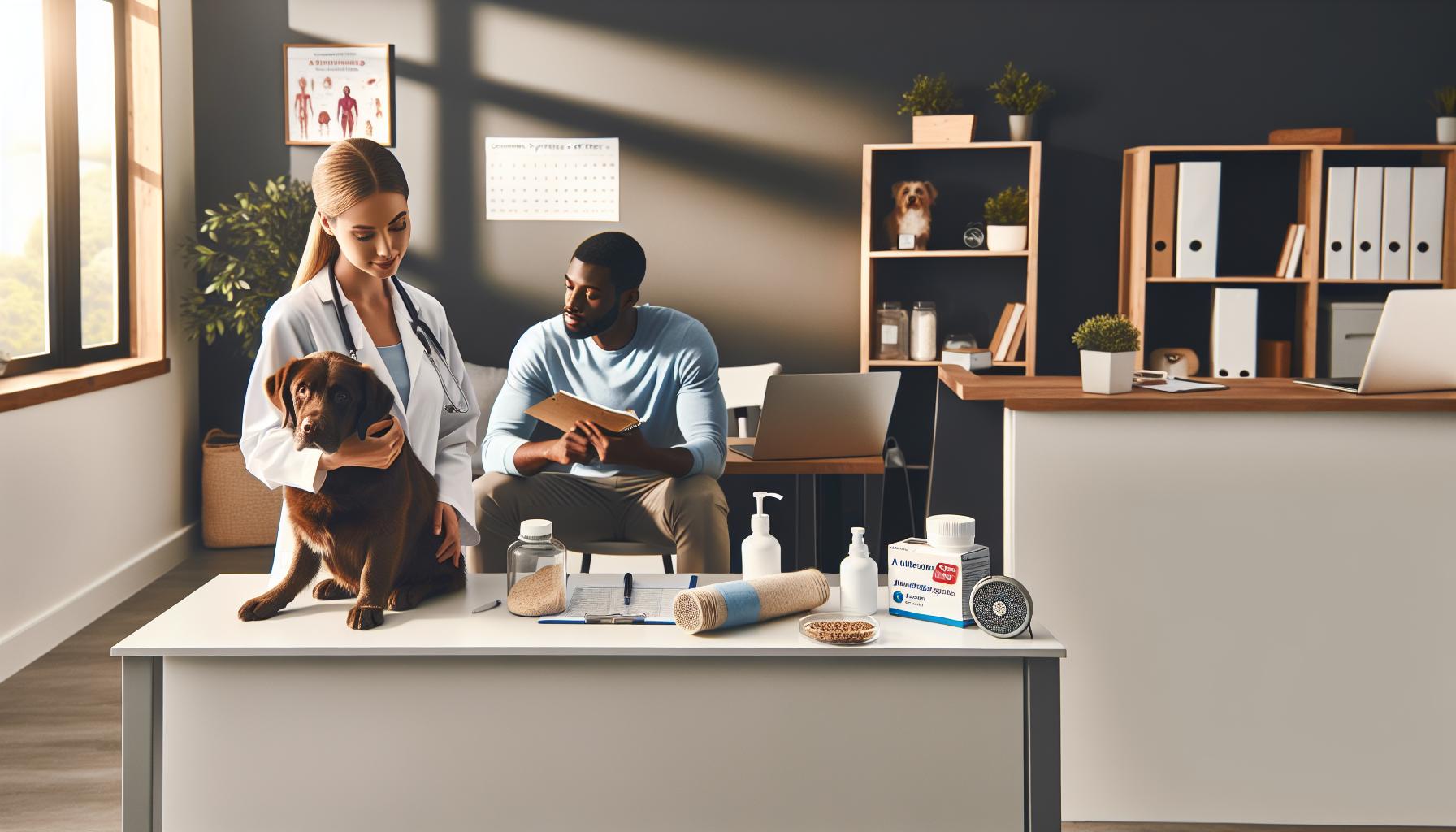
Common Symptoms of Pet Allergies: A Detailed Overview
Experiencing pet allergies can feel overwhelming, especially as the symptoms can manifest in various ways, affecting daily life and overall well-being. Those who are sensitive to pet allergens may notice symptoms appearing shortly after coming into contact with an animal, or they could develop progressively as prolonged exposure accumulates. This aspect of pet allergies highlights the importance of understanding one’s body and the signs it exhibits.
Some of the most common symptoms associated with pet allergies include:
- Sneezing and Nasal Congestion: Frequent sneezing or a stuffy/runny nose is a typical response as the body attempts to expel allergens.
- Itchy, Watery Eyes: Allergic conjunctivitis can cause redness, itching, and excessive tearing, making it hard to focus on daily tasks.
- Skin Reactions: Contact with pet allergens can lead to hives, rashes, or eczema flare-ups, particularly for those with sensitive skin.
- Respiratory Issues: Individuals who have asthma or other respiratory conditions may experience increased wheezing, coughing, and difficulty breathing when exposed to pet dander.
Additionally, some people might notice less obvious symptoms such as fatigue, headaches, or a general feeling of malaise. These symptoms can be frustrating, creating challenges in enjoying time with pets or leading to necessary lifestyle adjustments. For example, maintaining a strict cleaning schedule, using HEPA air filters, and establishing pet-free zones in the home can significantly reduce exposure to allergens. Regular grooming of pets can also help in minimizing dander and saliva but must be done with caution to avoid triggering symptoms in sensitive individuals.
Recognizing and addressing these symptoms early can equip individuals with the knowledge to manage their allergies effectively. By adopting proactive strategies and integrating small changes in daily routines, it’s possible to find a way to coexist peacefully with beloved pets while mitigating allergic reactions.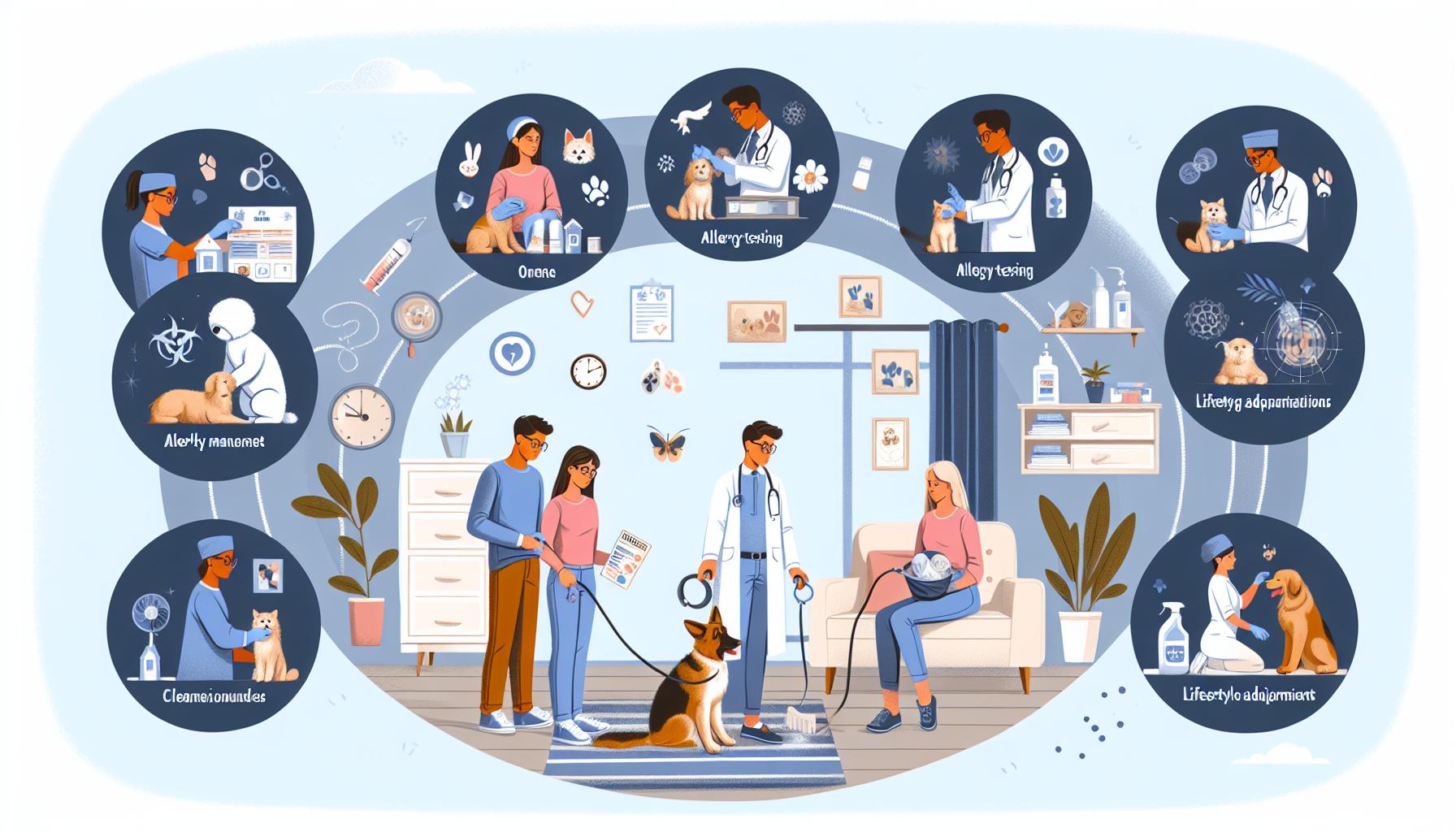
Timeline of Pet Allergy Symptoms: From Onset to Resolution
Experiencing pet allergy symptoms can be an unpredictable journey, often beginning shortly after exposure to allergens and potentially lingering for varying durations. Understanding the progression and resolution of these symptoms is crucial for managing your reactions effectively. Typically, symptoms may surface within minutes to hours after coming into contact with allergens such as pet dander, saliva, or urine. For some individuals, this means immediately sneezing or experiencing itchy eyes as they interact with a beloved pet. In others, however, symptoms may not appear until several days of prolonged exposure, which can accentuate the feeling of frustration and confusion.
Once symptoms begin, the timeline for recovery can vary significantly depending on several factors, including the individual’s sensitivity, the amount of allergen present, and whether any proactive measures are taken to mitigate exposure. For instance, if you quickly remove yourself from the allergen source and implement rapid cleaning strategies (like vacuuming and using air filters), you may notice relief within a few hours. Conversely, without any immediate intervention, symptoms could persist for days or even weeks, particularly in cases where chronic exposure has exacerbated the allergic response.
To establish a clearer timeline, consider the typical durations for common symptoms:
- Nasal Congestion and Sneezing: Often peak within the first 24 hours and can subside in a few days with appropriate interventions.
- Itchy, Watery Eyes: These may linger during allergic reactions but can improve substantially once allergens are removed.
- Skin Reactions: Hives and eczema might take longer to resolve, especially if itching continues due to irritants in the environment.
- Respiratory Symptoms: Wheezing and shortness of breath can persist for an extended period, particularly for those with pre-existing conditions like asthma.
Recognizing that everyone’s experience with allergies is unique allows for a tailored approach to manage symptoms effectively. Keeping a diary of symptoms can help identify patterns and pinpoint specific triggers, facilitating appropriate responses. While immediate exposure reduction can lead to rapid improvement, long-term health strategies such as allergy testing and potential immunotherapy can further assist in building resilience against allergens over time. Empowering yourself with this knowledge transforms the experience from one of helplessness to one where informed decisions can lead to significant relief and a better quality of life in the presence of pets.
Factors Influencing Duration of Symptoms
The duration of pet allergy symptoms isn’t just a straightforward timeline; it’s influenced by a variety of individual factors that can shape how long and how intensely symptoms persist. One prominent factor is the individual’s sensitivity to allergens. Some people are highly reactive, experiencing severe symptoms even with minimal exposure to pet dander, while others may tolerate more without noticeable discomfort. It’s not uncommon for those with a history of allergies to present heightened sensitivity, leading to longer-lasting symptoms following exposure.
Another critical element is the level of allergen present in the environment. Homes with pets that are not regularly groomed or cleaned may harbor higher concentrations of dander, which can prolong symptom duration. If allergies are triggered by a beloved pet, the emotional attachment can complicate decisions about cleaning habits and allergen management. For instance, those who maintain a strong bond with their animals might neglect certain cleaning routines, inadvertently prolonging their discomfort. Quick action, such as thorough vacuuming and washing surfaces, can make a significant difference in how fast one begins to feel relief.
Furthermore, the management strategies implemented post-exposure can dramatically affect recovery times. Individuals who adopt immediate relief measures-like using antihistamines or nasal sprays-often notice quicker alleviation of their symptoms. In contrast, delayed responses or inadequate relief strategies may result in prolonged suffering. Beyond immediate relief, integrating long-term strategies such as regular air filtration, scheduled pet grooming, and allergy testing can pave the way for a brighter future.
Consistency in managing the living environment is also essential. Understanding the roles of air filtration systems, hypoallergenic pet products, and dedicated cleaning schedules empowers individuals to take proactive steps in reducing their allergenic load. Creating a pet-friendly space that also considers allergy concerns means striking a balance between companionship and health, leading to more manageable durations of symptoms.
Managing Pet Allergy Symptoms: Immediate Relief Strategies
The sudden onset of pet allergy symptoms can be both alarming and uncomfortable, leaving many seeking immediate relief as they navigate their day-to-day lives alongside beloved pets. The good news is that there are several effective strategies to alleviate these symptoms promptly, allowing you to regain comfort without significant delay. Recognizing the signs of an allergic reaction and knowing how to respond can empower you to manage allergic reactions more effectively.
One of the most straightforward and accessible tactics for immediate relief is the use of over-the-counter antihistamines. These medications work by blocking histamine, a substance in the body that contributes to allergic symptoms. Popular options include cetirizine (Zyrtec) and loratadine (Claritin), which can reduce sneezing, itching, and runny nose. Additionally, nasal sprays containing corticosteroids, like fluticasone (Flonase), can quickly decrease inflammation and nasal congestion. It’s wise to take these medications as soon as symptoms start for optimal effectiveness.
Environmental Adjustments
Making quick adjustments to your environment can also foster relief. Immediately removing yourself from the exposure source is ideal to reduce ongoing allergen intake. For instance:
- Shower and Change Clothes: After spending time with your pet, showering and changing into clean clothes can remove allergens from your skin and hair.
- Clean the Living Space: Use a vacuum equipped with a HEPA filter to help minimize airborne pet dander. Dust surfaces with a moist cloth to trap allergens rather than sending them into the air.
- Air Quality Improvements: Consider using an air purifier with a HEPA filter. This can significantly reduce airborne allergens in your home.
Making these adjustments not only provides immediate relief but also contributes to long-term strategies for better allergen management.
Natural Remedies
In addition to pharmacological approaches, some natural remedies may offer soothing effects. Saline nasal sprays can help rinse allergens from your nasal passages, easing congestion and irritation. Similarly, staying hydrated by increased water intake can thin mucus and promote clearer breathing. For some, steam inhalation using a bowl of hot water and a towel to create a tent may also relieve sinus pressure and discomfort.
By implementing these immediate relief strategies, you can empower yourself to manage pet allergies effectively, leading to a more comfortable coexistence with your furry friends. Having a proactive approach not only alleviates current symptoms but also cultivates an environment that minimizes future reactions. Remember, swift action is key to reducing discomfort and restoring normalcy in your daily life.
Long-Term Strategies for Pet Allergy Management
Navigating the world of pet allergies can be daunting, especially when trying to enjoy the companionship of your furry friend while managing adverse reactions. Understanding long-term strategies for managing pet allergies is crucial, as these approaches can significantly enhance quality of life while minimizing symptoms. Establishing a comprehensive plan, tailored to your needs, empowers you to coexist with pets more comfortably.
Consistency in cleaning and environmental control is paramount. Regularly vacuuming your home with a HEPA-filter vacuum cleaner can capture allergens effectively, while washing your pet’s bedding and your linens frequently minimizes the buildup of dander. Additionally, consider designating pet-free zones, particularly in your bedroom, to reduce allergen exposure and promote a better night’s sleep. Using barrier covers for pillows and mattresses can also help in reducing allergen accumulation.
Moreover, developing a daily routine that includes personal allergy management techniques can be beneficial. For example, try to shower and change clothes after spending time with your pet, which removes allergens from your skin and clothing. Utilizing air purifiers equipped with HEPA filters in commonly used rooms can reduce the concentration of airborne allergens, making your home environment more hospitable. It may also be useful to limit your pet’s access to upholstered furniture, as fabrics can trap dander.
Incorporating natural anti-inflammatory foods into your diet can also help manage allergy symptoms. Omega-3 fatty acids, found in fatty fish and flaxseeds, can help reduce inflammation and may provide some relief from allergic responses. Staying hydrated and maintaining a balanced diet can enhance overall immune function, potentially leading to a reduced sensitivity to allergens over time.
Staying proactive by monitoring your symptoms and keeping in touch with an allergist can provide further insights into managing pet allergies. Regular follow-ups can help you adjust your management plan based on your current condition. In some cases, immunotherapy may be recommended for long-term relief, gradually desensitizing your body to specific allergens. Engaging in open conversations with healthcare providers about your experiences can lead to personalized advice and additional coping strategies, ensuring a sustainable relationship with your beloved pets.
When to Seek Medical Help for Pet Allergies
Experiencing pet allergies can sometimes feel overwhelming, particularly when symptoms seem to linger or worsen despite various management strategies. It’s crucial to recognize when these reactions may require professional medical assistance. If you find that your allergy symptoms are persistent, severe, or unresponsive to over-the-counter medications, seeking help from a healthcare provider can lead to a more tailored approach to treatment.
Recognizing Severe Symptoms
Allergy symptoms can range from mild to severe. Symptoms that warrant immediate medical attention include:
- Difficulty breathing: If you experience wheezing, shortness of breath, or tightness in your chest, you may be dealing with a serious allergic reaction known as anaphylaxis. This requires urgent care.
- Swelling: Sudden swelling of the face, lips, tongue, or throat can indicate an allergic reaction that must be addressed promptly.
- Prolonged symptoms: If your symptoms, such as nasal congestion, sneezing, or skin reactions, persist beyond a week without improvement, it may be time to consult an allergist.
- Impact on daily life: If allergy symptoms interfere significantly with your daily activities, sleep, or overall quality of life, it’s beneficial to discuss this with a medical professional.
Additionally, if you experience symptoms that fluctuate in severity or if you new symptoms develop that seem unrelated, such as headaches or gastrointestinal issues, a healthcare professional may provide insights or further testing options.
Practical Steps to Take
It’s essential to advocate for your health when dealing with pet allergies. Document your symptoms and any triggers you notice in correlation with your pet. This information can guide your medical provider in developing a comprehensive plan which may include prescription medications, allergy testing, or even immunotherapy options for long-term relief.
In summary, while pet allergies can be challenging, recognizing when to seek medical help is crucial in managing your health effectively. By understanding the signs that indicate a need for professional intervention, you empower yourself to take control of your allergy journey, ensuring that you can enjoy the companionship of your furry friends while managing any adverse reactions.
The Role of Allergen Exposure in Recovery Time
Exposure to allergens plays a pivotal role in determining the duration of pet allergy symptoms. When individuals with pet allergies come into contact with allergens-such as pet dander, saliva, or urine-their immune system may react, leading to the inflammation of the nasal passages, eyes, or skin. The more frequent or high the level of exposure to these allergens, the more prolonged and severe the symptoms can be. It’s crucial to understand this relationship, as managing allergen exposure effectively can lead to quicker recovery times.
In many cases, the type of pet and environment also significantly affect recovery timelines. For instance, homes with multiple pets or inadequate cleaning routines might have higher allergen concentrations, extending symptoms well beyond the initial exposure period. Conversely, reducing exposure by implementing strategies such as frequent cleaning, using air purifiers, and designating pet-free zones can diminish allergen levels, helping to alleviate symptoms more swiftly. For example, a family that consistently keeps their living space clean and enforces a no-pets policy in bedrooms may notice a significant reduction in allergy symptoms within days.
Moreover, the timing of allergen exposure relative to the onset of symptoms is critical. If exposure occurs just before allergy season-where pollen levels rise along with other allergens-the combined effect can lead to a more sustained, compounded allergic response. Recognizing these patterns can empower individuals to take proactive measures. Keeping a symptom diary could provide insights into potential triggers and help identify the right moments to minimize exposure.
Ultimately, the key takeaway is that managing allergen exposure is essential for recovery. By diligently limiting contact with known allergens and maintaining a clean environment, individuals can help shorten the duration of their allergy symptoms and enhance their overall well-being.
Debunking Myths About Pet Allergy Recovery
Many pet owners assume that once they are diagnosed with pet allergies, their life with furry companions is irrevocably altered. This misconception can lead to feelings of helplessness and limit the potential for cohabitation with pets. However, understanding the reality of pet allergy recovery can empower individuals, allowing them to enjoy the companionship of their pets while managing their allergies effectively.
One common myth is that all pet allergies are permanent and unmanageable. In truth, many individuals experience fluctuations in their allergic responses. For instance, factors such as the frequency and level of exposure, seasonal variations in allergens, and even dietary changes can influence symptom severity. Thus, while some individuals may have persistent symptoms, others may find that their allergies improve over time with appropriate management strategies, such as allergen avoidance and medical treatment.
Another misconception is that regular cleaning is sufficient to eliminate all allergens. While maintaining a clean environment is crucial, it is not the only solution. Allergens can become deeply embedded in carpets, upholstery, and even air filters, which means that routine cleaning alone might not suffice. It is important to incorporate additional strategies such as using high-efficiency particulate air (HEPA) filters, frequent vacuuming with specialized equipment, and establishing designated pet-free areas in the home. By combining these approaches, allergy sufferers can significantly reduce exposure to allergens and improve their symptoms.
Furthermore, some may believe that medications like antihistamines are the only way to cope with pet allergies. While antihistamines can provide relief, they are not the only option. There are also alternative treatments, such as allergy shots (immunotherapy) that can help desensitize the immune system to specific allergens over time. This means that with dedication, individuals can progressively build immunity and possibly reduce their dependence on medications.
Ultimately, the journey to managing pet allergies does not mean giving up on the joy of having pets. By debunking these myths and understanding the nuances of allergy recovery, individuals are better equipped to navigate their experiences, reclaim their lives, and continue to enjoy the companionship of their beloved pets with hope and clarity.
Natural Remedies and Treatments for Pet Allergies
While navigating the challenges of pet allergies, many individuals seek natural remedies and treatments that can complement their traditional medical approach. Incorporating these holistic strategies can enhance your overall well-being and potentially reduce allergy symptoms over time. From dietary adjustments to lifestyle changes, embracing a multifaceted approach may provide the relief you seek.
One natural avenue to explore is the integration of specific dietary supplements known for their anti-inflammatory properties. Omega-3 fatty acids, commonly found in fish oil, can support your immune system and reduce inflammation linked to allergic responses. Adding omega-rich foods such as salmon or flaxseeds to your diet could yield benefits. Additionally, local honey has been praised for its potential to lessen seasonal allergies; consuming it regularly may help your body acclimate to local pollen and reduce sensitivity over time.
Cleaning and Air Quality Improvements
Creating a pet-friendly environment involves more than just keeping your space tidy. Implementing high-efficiency particulate air (HEPA) filters in your home can significantly reduce airborne allergens and improve air quality. Regular cleaning, including vacuuming with HEPA filters and using damp cloths to minimize dust, is imperative. Establishing designated pet-free zones, particularly in bedrooms, can also provide much-needed respite from allergens.
Moreover, incorporating natural cleaning products can decrease exposure to harsh chemicals that might exacerbate allergy symptoms. Essential oils, such as eucalyptus or tea tree oil, have antimicrobial properties and may aid in purifying the air when used in diffusers. Remember, however, to ensure that these oils are safe for pets before use.
Mindfulness and Stress Management
Sometimes, managing allergies requires a holistic approach that includes mental well-being, as stress can exacerbate allergic reactions. Techniques like yoga, meditation, and deep-breathing exercises can help calm the nervous system and may lower the intensity of allergy symptoms by promoting relaxation. These practices, combined with a healthy diet and clean living environment, can create a supportive framework for managing pet allergies effectively.
Utilizing these natural remedies and treatment strategies can empower you in your journey toward relief from pet allergies. By actively engaging in your health and exploring both dietary and environmental modifications, you can cultivate a more harmonious life with your beloved pets and mitigate the impact of allergies.
Preventing Future Allergic Reactions: Tips and Tricks
Ensuring a harmonious coexistence with your pet while managing allergies requires proactive strategies that can significantly reduce the likelihood of allergic reactions. By integrating simple yet effective practices into your daily routine, you can create an environment that minimizes allergen exposure and enhances your comfort. These preventive measures extend beyond basic cleaning; they encompass lifestyle choices, pet care, and home modifications that work collectively to safeguard your health.
Establishing Pet-Free Zones
Creating designated areas in your home where pets are not allowed can serve as a sanctuary for allergy sufferers. Consider establishing pet-free zones, especially in bedrooms and other high-traffic areas where you spend significant time. This can dramatically reduce allergen accumulation in spaces where relaxation and rest are prioritized. To reinforce this strategy, equip these zones with air purifiers featuring HEPA filters, which can help remove airborne allergens, ensuring a cleaner air quality that is crucial for respiratory health.
Regular Pet Grooming and Cleaning
Consistent grooming routines for your pets can play a vital role in limiting allergens. Regular baths and brushing can significantly reduce dander and loose fur, which are common sources of allergic reactions. Depending on the breed, consider working with a professional groomer who can effectively manage shedding and skin health. Accompanying this effort, maintain a rigorous cleaning schedule throughout your home-vacuum carpets and upholstery frequently, wash bedding regularly, and use damp cloths to trap dust and allergens rather than dispersing them into the air.
Implementing Allergy-Friendly Products
When selecting cleaning supplies and personal care products, aim for those labeled as hypoallergenic or free of harsh chemicals. Many traditional household cleaners can heighten allergic responses due to their strong fragrances and irritating components. Opting for natural cleaning alternatives or creating your own using basic ingredients like vinegar and baking soda can reduce the chemical load in your environment. Additionally, consider using allergen-proof casings for pillows and mattresses to minimize exposure during sleep.
Monitoring Indoor Air Quality
Investing in a high-quality air filtration system can make a profound difference in reducing allergens in your environment. Alongside HEPA filters, routinely check and replace air filters in your heating and cooling systems to maintain effective air purification. To further enhance airflow, regular maintenance on HVAC systems is recommended to prevent dust and pet hair from spiraling into circulation. Keeping windows open when possible can also allow fresh air to flow through, benefiting overall indoor air quality.
By implementing these practical strategies, you can transform your living space into a refuge that supports your well-being while allowing you to enjoy the companionship of your pet. Staying proactive and mindful of these preventative measures can significantly lessen the impact of pet allergies on your daily life, creating opportunities for a more harmonious relationship with your furry friends.
Understanding Allergy Testing: What You Need to Know
Allergies can significantly impact daily life, especially for pet owners. Understanding the testing process for pet allergies is crucial in gaining clarity on the cause of symptoms and determining the best management strategies. Allergy testing typically consists of skin prick tests and blood tests, both designed to identify specific triggers. These tests measure the immune system’s response to various allergens, including those from pets like dogs and cats.
During a skin prick test, tiny amounts of allergens are introduced to the skin using a small needle. If you’re allergic, a localized reaction-like redness or swelling-will occur, indicating sensitivity. Blood tests, on the other hand, measure the level of IgE antibodies produced in response to specific allergens. While skin tests are often preferred for their immediacy and sensitivity, blood tests may be recommended for those with severe skin conditions or compromised immune systems.
Once testing identifies specific allergens, a physician can create a customized treatment plan that may include avoidance strategies, medications, or allergen immunotherapy. It’s essential to keep in mind that test results don’t always encompass the entire picture of your allergies. Some people may have reactions to allergens not tested, highlighting the importance of collaborating with your healthcare provider to assess symptoms holistically.
For anyone suffering from pet allergies, seeking allergy testing can lead to more effective management strategies and a better understanding of your condition. If you suspect you have a pet allergy, consider consulting an allergist to explore your options and develop a tailored approach that brings relief and enhances your quality of life.
FAQ
Q: How long do pet allergy symptoms typically last?
A: Pet allergy symptoms can last for hours to days, depending on exposure. If you are continuously around the pet, symptoms may persist until either the allergen is removed or you seek appropriate treatment. Regular cleaning and allergy medications may help reduce duration as discussed in the timeline section of the article.
Q: What are the signs that pet allergy symptoms are improving?
A: Signs of improvement in pet allergy symptoms include reduced sneezing, decreased nasal congestion, and less skin irritation. If symptoms begin to diminish after removing exposure to allergens or after starting treatment, this is a positive indicator of recovery.
Q: Why do some people have longer-lasting pet allergy symptoms?
A: Some individuals may experience prolonged symptoms due to additional factors such as heightened sensitivity, other underlying allergies, or chronic respiratory issues. Understanding these factors can help manage and anticipate symptom duration as explored in the factors influencing duration section of the article.
Q: How can I speed up recovery from pet allergy symptoms?
A: To expedite recovery, immediately limit exposure to allergens by keeping pets out of certain areas, employing air purifiers, and using antihistamines as needed. The article’s management section offers detailed strategies for immediate relief and long-term symptom control.
Q: When should I see a doctor for pet allergy symptoms?
A: You should consult a doctor if symptoms persist despite home management, worsen, or are accompanied by severe reactions like difficulty breathing. Early medical intervention can provide better treatment options to alleviate symptoms effectively.
Q: Can pet allergy symptoms mimic other conditions?
A: Yes, pet allergy symptoms can resemble other respiratory conditions like colds or asthma, including sneezing, coughing, and wheezing. An accurate diagnosis is critical, and this is addressed in the allergy testing section of the article.
Q: How do environmental factors affect pet allergy symptoms?
A: Environmental factors, such as humidity or season, can exacerbate pet allergy symptoms. For instance, high humidity can increase mold and dust mite levels, worsening allergic reactions. The article’s section on factors influencing duration provides further insights into these influences.
Q: Are there any lifestyle changes that can help reduce pet allergy symptoms?
A: Yes, lifestyle changes such as regular cleaning, using hypoallergenic pet products, and maintaining air quality can significantly help. The article offers additional tips in both the managing and preventing allergic reactions sections, emphasizing practical steps for long-term relief.
In Retrospect
Navigating pet allergies can be challenging, but understanding how long symptoms last and the timeline for recovery is crucial for regaining comfort and peace in your home. Remember, your journey doesn’t end here; exploring effective allergy management strategies can empower you to live harmoniously with your beloved pets. If you’re feeling overwhelmed, check our Pet Allergy Management Guide and consider reading about How to Create a Pet-Friendly Space to minimize allergens in your environment.
Take action today-sign up for our newsletter for expert tips and insights straight to your inbox. By staying informed, you’ll not only improve your quality of life but also foster a healthier relationship with your furry companions. Be sure to share your thoughts in the comments below; your experiences can help others facing similar challenges. Let’s build a supportive community together, so everyone can enjoy the companionship of pets without the fuss of allergies!