

Hummus, a beloved dish made primarily from chickpeas and tahini, is a staple in many diets for its flavor and nutritional benefits. However, for those with a sesame allergy, enjoying this creamy delight can feel nearly impossible. You’re not alone in navigating this challenge; millions share similar concerns about food safety and enjoyment.
Luckily, there are safe, satisfying alternatives that allow you to relish hummus without the worry. Exploring these options not only broadens your culinary choices but also empowers you to indulge in creative, tahini-free dips that everyone-regardless of dietary restrictions-can enjoy. Join us as we dive into safe ways to enjoy hummus, ensuring your snacking remains both delicious and allergy-friendly.
Alternatives to Sesame in Hummus Recipes
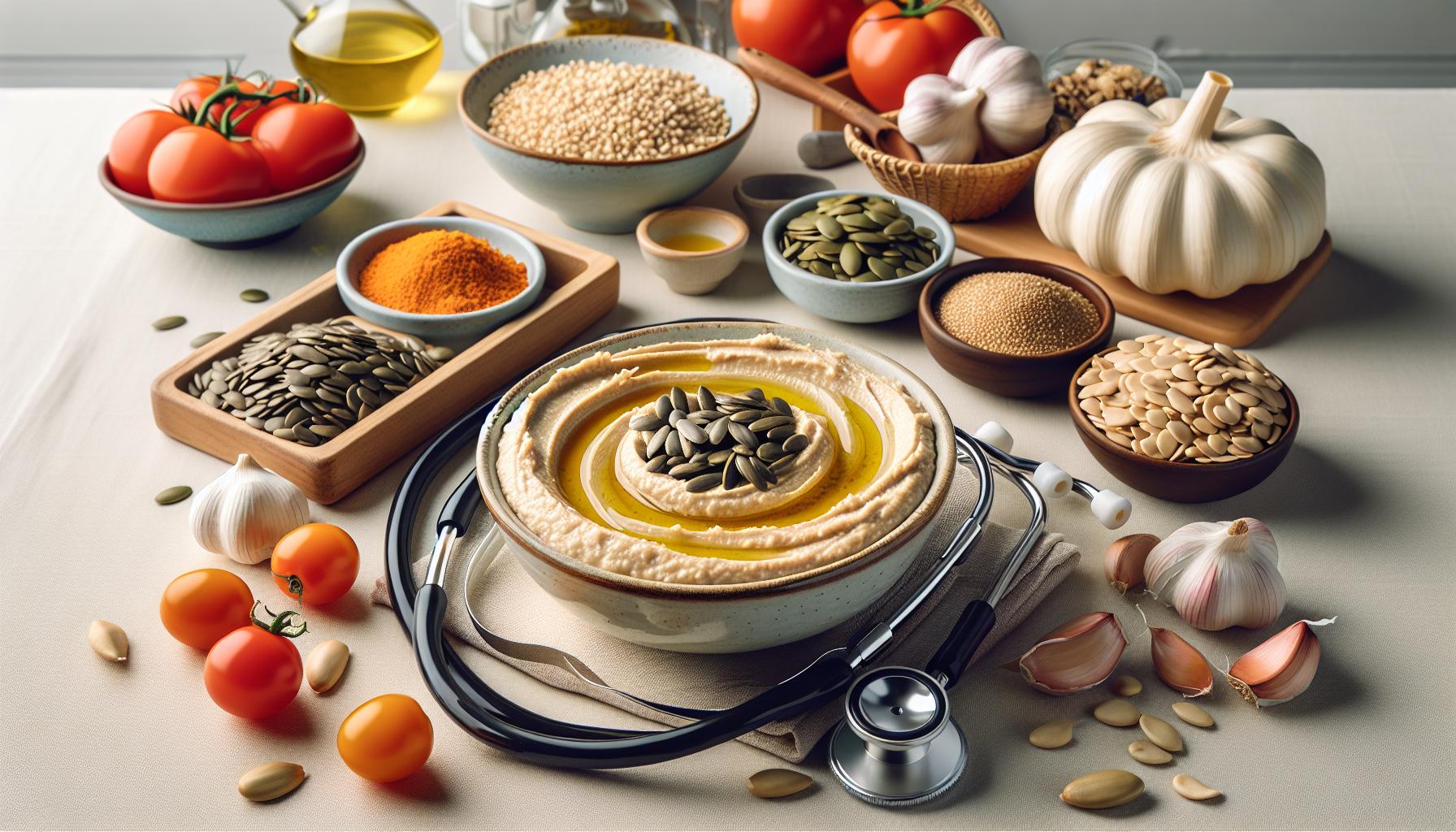
When creating hummus without sesame, it’s important to consider both flavor and texture to ensure a delicious alternative. One of the most popular substitutions for tahini, the traditional sesame paste used in hummus, is sunflower seed butter. Not only does it provide a creamy consistency similar to tahini, but it also adds a slightly nutty flavor that complements the chickpeas perfectly. Sunflower seed butter is widely available and often less likely to trigger allergic reactions in those sensitive to sesame.
Another excellent alternative is to use pumpkin seed paste, often referred to as pepita butter. This nut-free option brings a rich taste and a vibrant green color, making your hummus not only unique in flavor but visually appealing as well. You can also create a tahini-less hummus by simply increasing the amount of olive oil or adding a small amount of coconut milk. These ingredients help achieve the desired creaminess while contributing their own flavors.
For those looking to enhance their hummus with additional nutrition without sesame, consider incorporating blended beans such as cannellini or navy beans, which offer a creamy texture and light flavor. Alternatively, experimenting with various spices like cumin, smoked paprika, or fresh herbs can elevate the taste of your hummus, making it flavorful and exciting without any sesame.
Ultimately, creating a sesame-free hummus can be an enjoyable culinary journey. By leveraging these alternatives, one can still savor a delightful spread or dip while accommodating dietary restrictions related to sesame allergies.
Summary of Alternatives
| Substitute | Flavor Profile | Texture |
|---|---|---|
| Sunflower Seed Butter | Nutty | Creamy |
| Pumpkin Seed Paste | Rich and Earthy | Smooth |
| Olive Oil | Fruity | Liquid but creamy when blended |
| Coconut Milk | Sweet and Creamy | Creamy |
| Blended Beans (e.g., Cannellini) | Mild | Very Creamy |
Understanding Sesame Allergies and Risks
Sesame allergies are increasingly recognized as a significant concern, affecting individuals across various age groups and backgrounds. In fact, sesame is among the top allergens in many countries, leading to serious allergic reactions, including anaphylaxis. This risk makes it essential for those with sesame allergies to be vigilant, especially when enjoying popular foods like hummus, which traditionally contains tahini, a sesame seed paste. Understanding the potential risks associated with sesame exposure can empower individuals to make safe and informed dietary choices.
Symptoms of a sesame allergy can vary widely, ranging from skin reactions such as hives and eczema to more severe gastrointestinal and respiratory issues. The severity of these symptoms often depends on individual sensitivities and the amount of sesame consumed. For example, a person with a mild allergy may experience only skin irritations after accidentally consuming a small amount, while another individual might face life-threatening reactions even from minimal exposure. Therefore, it is crucial for those with this allergy to not only identify sesame-containing ingredients but also to understand how to effectively avoid cross-contamination.
Those navigating food options should be aware of the prevalence of sesame in many processed foods and dining settings. Hummus, as a traditional Middle Eastern dip, often has tahini as a key ingredient, which means enjoying this delicious spread typically requires alternatives. In practical terms, reading food labels meticulously and asking detailed questions when dining out is essential to prevent accidental exposure. For instance, when purchasing pre-made hummus, looking for brands clearly labeled as “sesame-free” can offer a degree of reassurance. Notably, restaurants can be unpredictable, so always articulating your allergy when ordering can be vital in ensuring your safety.
Incorporating an understanding of sesame allergies into everyday life doesn’t have to be daunting. As you explore new hummus recipes or pre-packaged options, keep in mind that alternatives like sunflower seed butter or pumpkin seed paste not only provide similar flavors and textures but also allow you to enjoy this beloved dish without fear. By being proactive and informed, individuals with sesame allergies can fully partake in the culinary experience while prioritizing their health and safety.
How to Identify Safe Hummus Brands
Identifying safe hummus brands is crucial for anyone with a sesame allergy, as even trace amounts can lead to serious allergic reactions. One effective strategy is to focus on brands that explicitly market their products as “sesame-free.” Look for labels that include allergen statements or certifications, which often appear on the packaging. It’s also beneficial to seek out products with clear ingredient lists, ensuring that there are no sesame-derived ingredients, such as tahini or sesame oil.
When shopping, consider reaching out to the manufacturer directly. Many companies are open to inquiries about their allergen practices and can provide information on cross-contamination risks. In addition, you can rely on online communities or forums where others share their experiences with specific brands, which can guide your decision-making process.
Another option involves exploring niche brands or local producers who prioritize allergen-free options. These smaller companies may cater specifically to the needs of consumers with allergies and often provide transparency regarding their ingredients and manufacturing processes. Another approach is to check for hummus varieties that substitute tahini with alternatives like sunflower seed butter or roasted red peppers, which can provide similar creaminess and flavor without the sesame risk.
Lastly, consider making your hummus at home. This empowers you to control every ingredient, ensuring that it’s entirely sesame-free. Recipes can be easily tailored to include safe, nutritious ingredients while avoiding allergens altogether. By knowing what to look for and being proactive in your shopping, you can continue to enjoy delicious hummus without worrying about sesame contamination.
Creative Hummus Recipes Without Sesame
When faced with a sesame allergy, enjoying hummus can feel daunting, but creative alternatives help keep your snacking and meal prep delicious and enjoyable. There are numerous ways to craft flavorful hummus without tahini or any sesame ingredients while maintaining that creamy texture and satisfying taste.
Start by exploring nut and seed butters as substitutes. Sunflower seed butter is an excellent choice that provides a similar creaminess without the risk of sesame. Blend canned chickpeas, lemon juice, garlic, olive oil, and salt with sunflower seed butter for a rich, nutty flavor that still embodies the essence of traditional hummus. Another innovative option is to incorporate roasted red peppers. They add a touch of sweetness and depth; roasting enhances their flavor, making them a delightful additive to a hummus base of chickpeas and olive oil.
Using legumes beyond chickpeas can also open up avenues for creative hummus recipes. Consider making a white bean hummus by swapping chickpeas with cannellini beans. Combine the beans with garlic, olive oil, lemon juice, and fresh herbs like rosemary or thyme for an aromatic twist. Pea and mint hummus is another refreshing take: blend cooked peas with lemon, mint leaves, and a dash of olive oil. It’s vibrant in color and flavor, offering a unique option that’s perfect for spring and summer gatherings.
Finally, don’t forget the power of spices and herbs. Incorporate cumin or smoked paprika for a warm, smoky flavor profile, or fresh herbs such as basil or cilantro for a refreshing kick. Experimenting with different ingredients allows you to enjoy hummus in various forms while adhering to dietary restrictions, ensuring that your culinary adventures remain exciting and flavorful.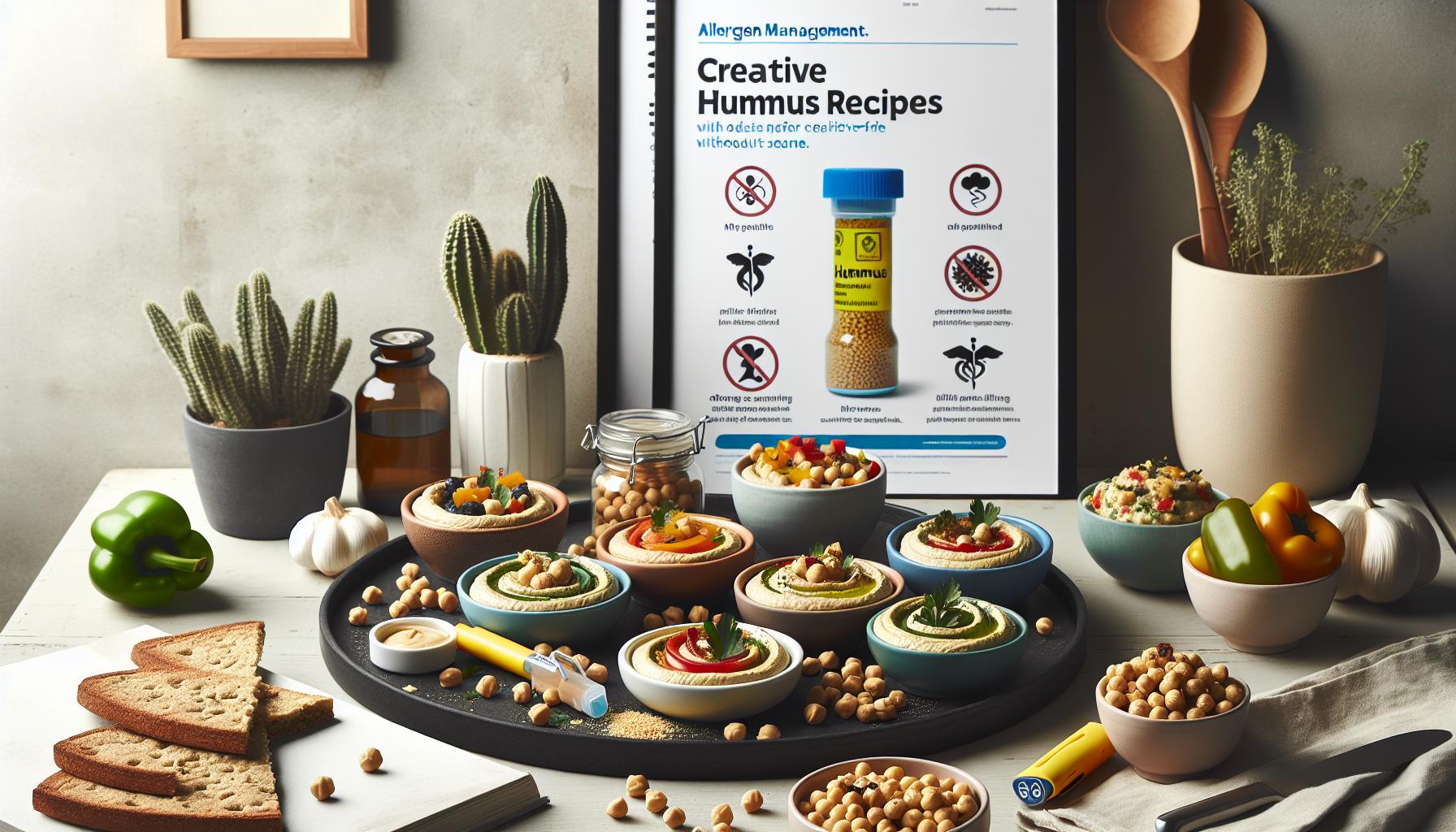
Nut-Free and Sesame-Free Dips You’ll Love
When it comes to enjoying robust flavors without the risk of sesame allergies, there’s a world of nut-free and sesame-free dips that can elevate your snack routine. Whether you are sensitive to sesame or just looking for alternatives, these options will ensure your taste buds are satisfied while keeping safety in mind.
Start with classic bean-based dips. A favorite is black bean dip, made by blending cooked black beans, lime juice, garlic, and spices. This dip packs a protein punch and a satisfying texture that can easily rival traditional hummus. Another delightful choice is white bean and herb spread. Combine cannellini beans with fresh herbs like parsley and a splash of lemon juice for a refreshing, creamy alternative that’s perfect for spreading on bread or crackers.
Furthermore, exploring vegetable-based dips can lead to new and exciting tastes. Avocado dip, for example, is creamy and full of healthy fats. Simply mash ripe avocados with lime juice, cilantro, and garlic for a zesty treat. For those who enjoy a bit of spice, a roasted carrot dip can be a surprising hit. Roast carrots until golden, then blend them with tahini alternatives, garlic, and cumin for a smoky, flavorful dip that’s sure to impress.
Another creative avenue is to utilize fruit-based dips for a sweet twist. Combine pureed ripe mango or pineapple with yogurt or silken tofu, and add a hint of lime juice for a tropical flavor. These fruity dips can be a refreshing change, especially when paired with fresh vegetables or tortilla chips.
Incorporating various textures and flavor profiles in dips can bring joy to your snacking experience while avoiding the dangers of sesame. Feel empowered to experiment with ingredients that cater to your taste and dietary needs, allowing you to enjoy flavorful, safe options without compromise.
Shopping Tips for Allergy-Friendly Ingredients
Finding allergy-friendly ingredients can feel like navigating a maze, especially when you need to avoid common allergens like sesame. However, with attentive shopping and strategic choices, you can create delicious meals without worry. Start by examining the packaging closely: always look for labels that state “sesame-free” or “allergen-free,” as these can give you peace of mind. It’s also beneficial to familiarize yourself with different brands that are known to prioritize allergen safety. Many small-batch or specialty brands often provide clearer ingredient transparency compared to larger companies, so consider exploring local shops or farmer’s markets for fresh options.
When making your grocery list, focus on whole, unprocessed foods as the foundation of your meals. Whole ingredients such as fresh vegetables, beans, lentils, and grains are naturally free from sesame and can be transformed into delightful dips. Additionally, when selecting packaged foods, prioritize those made with alternative bases like sunflower or pumpkin seeds, which can replace sesame tahini in hummus. Here are some helpful tips to keep in mind:
- Know the Terminology: Sometimes, food labels might list sesame by its alternative names, such as “sesame oil” or “sesame seed paste.” Learning these can help you make informed choices.
- Use Allergen-Free Apps: Take advantage of technological solutions by using allergen identification apps that allow you to scan barcodes and find out whether products are safe for you.
- Consult Staff: Don’t hesitate to ask grocery store staff about potential allergens. Many are trained to assist customers with dietary restrictions.
- Double-Check Ingredients: Just because a product seems safe, it’s wise to double-check ingredients, as formulations can change.
Implementing these strategies will not only enhance your shopping experience but will also empower you to create allergen-free recipes that are satisfying and safe. By turning your attention to the diversity of available ingredients, you’ll discover a wealth of options that allow you to enjoy vibrant flavors without the fear of allergic reactions.
DIY Hummus: Ingredients You Can Trust
Making your own humus is a rewarding way to control ingredients and ensure a sesame-free product. With just a few simple components, you can whip up a delicious and creamy dip that serves as a perfect substitute for traditional hummus. By opting for nut and sesame alternatives, you not only protect your health but also open the door to exploring new flavors and textures in your recipes.
To create a sesame-free version of hummus, start with a base of beans or legumes. Classic choices include canned chickpeas or white beans like cannellini, which blend smoothly and provide a great source of protein. If you’re looking for a creamier texture, consider adding a bit of silken tofu. The combination of beans and tofu creates a rich, velvety foundation that holds up well to bold spices and fresh ingredients.
For that signature hummus flavor, you can enhance your recipe with various alternatives to tahini. Sunflower seed butter or pumpkin seed puree are excellent substitutes that contribute nuttiness without the risk of allergens. Incorporating fresh ingredients like lemon juice, garlic, and olive oil will elevate the flavors. Here’s a simple guide to a sesame-free hummus recipe:
- 1 can of chickpeas (drained and rinsed)
- 2 tablespoons sunflower seed butter
- 2 tablespoons olive oil
- 1 tablespoon lemon juice
- 1 clove garlic (minced)
- Salt to taste
- Water as needed for consistency
Blend all ingredients in a food processor until smooth, adding water gradually until the desired creaminess is achieved. This simple mix yields a delicious dip that is both allergy-friendly and satisfying. Feel free to customize by adding roasted reds, herbs, or spices to enhance the flavor palette.
Preparing your own hummus not only helps you avoid allergens but also empowers you to experiment with flavors that resonate with your preferences. Whether you enjoy it with fresh veggies, on a wrap, or as part of a cheese board, making hummus at home opens up a world of possibilities-safely and deliciously.
Navigating Restaurant Choices with Sesame Allergies
Dining out with a sesame allergy can be a challenge, especially when navigating menus that prominently feature foods like hummus. Many Mediterranean and Middle Eastern restaurants use tahini, a paste made from sesame seeds, as a core ingredient in their hummus recipes. However, with some awareness and preparation, you can enjoy your dining experience safely while still savoring dishes that may be similar in flavor or texture.
Before making a restaurant choice, it’s beneficial to research establishments that are known for their allergy-friendly practices. Many modern eateries are increasingly aware of allergies and may even offer dedicated menus or options. When you arrive, don’t hesitate to speak directly with the staff. Begin by clearly stating your sesame allergy and ask about the specific ingredients used in their hummus. Some restaurants may provide hummus made from alternative bases, such as white beans or even avocado, which can be equally satisfying and delicious.
When scanning the menu, look for hummus alternatives, such as babaganoush (eggplant dip) or tzatziki (yogurt-based sauce), as they typically do not contain sesame. Additionally, many places feature fresh, vibrant salads that can be a delightful and safe option. If you do choose to order hummus, firmly request to confirm that it is sesame-free, reiterating your allergy and asking if they can prepare it without tahini. It’s essential to emphasize that cross-contamination is also a concern, so inquire about how they clean their utensils and preparation surfaces.
Actionable Steps for Safe Dining
- Do Your Research: Check restaurant reviews or their website for allergy-friendly options.
- Communicate Clearly: Speak directly with your server about your sesame allergy and confirm ingredients.
- Explore Alternatives: Look for dips like babaganoush or tzatziki and fresh salads as safe choices.
- Emphasize Safety: Ask about preparation methods to avoid cross-contamination.
Navigating restaurants when you have a sesame allergy doesn’t mean missing out on enjoyable meals. With the right approach, you can find satisfying alternatives and enjoy a variety of flavors without compromising your health. Empower yourself with knowledge, and don’t hesitate to advocate for your safety while dining out.
Increasing Awareness of Allergies in Food Prep
Awareness of food allergies, such as sesame allergies, is critical in both home cooking and commercial food preparation. As the prevalence of allergies continues to rise, it’s essential for chefs, home cooks, and food manufacturers to understand the implications of ingredient selection and cross-contamination. Sesame, a common ingredient in many dips, sauces, and snack foods, poses significant risks for those with allergies. By prioritizing allergy awareness, the food community can create safer dining experiences and enhance the accessibility of diverse cuisines for individuals with dietary restrictions.
One practical step in increasing awareness involves proper training for all food preparation staff regarding allergen management. This includes understanding which dishes contain allergens, recognizing the severity of reactions, and implementing best practices to avoid cross-contamination. Establishments can adopt a clear labeling system, ensuring that menus are explicitly marked with potential allergens. Also, having a dedicated allergen representative can provide customers with a reliable source of information regarding their meal choices.
In addition to training, engaging with consumers through awareness initiatives can foster a more inclusive dining culture. For example, restaurants can host workshops or information sessions that educate the public about food allergies and safe dining practices. Food manufacturers can also consider transparency in ingredient sourcing and manufacturing processes by sharing allergen information through packaging and marketing materials. Collaborative efforts aimed at greater awareness can significantly benefit communities by reducing risks and promoting safe consumption.
Ultimately, raising awareness is not just about compliance with regulations but fostering an environment where individuals with allergies can enjoy food without fear. By empowering both consumers and food service professionals with knowledge, it becomes feasible to navigate the culinary world safely and confidently. Simple actions, such as clear communication and proactive measures, can make a profound difference in the lives of those managing food allergies, ensuring they can participate fully in the joys of dining and sharing meals.
Tips for Communicating Your Allergy Safely
When living with a sesame allergy, effective communication about your dietary restrictions is paramount to ensure safety while dining out or enjoying meals prepared by others. A striking statistic reveals that nearly 3% of adults have a food allergy, making it crucial to express these concerns clearly and confidently. Whether in a restaurant setting or during gatherings with friends and family, knowing how to articulate your needs can significantly reduce the risk of allergic reactions and enhance your overall dining experience.
One of the best approaches is to be upfront and specific about your allergy right from the start. When making a reservation or arriving at a restaurant, consider saying, “I have a severe allergy to sesame, and I need to ensure that my meal is completely free of any sesame ingredients or cross-contaminated surfaces.” This clarifies the potential risks and sets a serious tone for your safety. Additionally, don’t hesitate to ask questions about menu items. Inquire about sauces, marinades, or potential sesame oil usage, as these can often be overlooked even by well-meaning staff.
Utilizing Visual Aids can also be immensely helpful. Consider carrying a card that details your allergy in multiple languages if you find yourself traveling or dining in multicultural restaurants. This card can effectively communicate your needs, making it easier for staff to understand the severity of your allergy without the risk of language barriers. Furthermore, you can use smartphone apps that allow you to display your allergy information quickly, ensuring that everyone involved in your meal preparation is aware of your dietary needs.
Lastly, educating those around you about your allergy can build understanding and support. For example, when sharing meals with friends or family, take the opportunity to explain what types of foods to avoid and why sesame can be particularly dangerous. By fostering an environment of awareness and respect for your needs, you not only make it safer for yourself, but you also empower others to be more mindful about food allergies in general. Building this culture of communication not only eases your dining experience but also contributes to a more inclusive atmosphere for everyone around you.
Hummus Pairings: Enjoy Without Worry
While living with a sesame allergy can be challenging, enjoying hummus with safe pairings can elevate your snacking experience without worry. The good news is that you can create delicious combinations that complement hummus and keep your meals exciting. The key to enjoying hummus safely lies in knowing what foods pair well while adhering to your dietary restrictions.
Fresh vegetables are a classic and vibrant accompaniment. Consider a colorful platter with cucumbers, bell peppers, carrots, and celery sticks for crunch. These veggies not only add texture but also serve as healthy, nutrient-rich alternatives to conventional chips. Additionally, the natural sweetness of roasted sweet potatoes or steamed broccoli can make for delightful dipping experiences. For a more unusual twist, you could try fresh radishes or zucchini slices, which offer a refreshing bite.
Fruits can provide a surprising yet delicious pairing with hummus. Slices of apple or pear can bring a hint of sweetness that balances the savory notes of hummus beautifully. For a Mediterranean flair, try pairing hummus with olives or marinated artichokes, which can add complexity to the flavor profile. If you’re in the mood for grains, opt for toasted pita chips made from allergy-safe sources or rice crackers, which can provide that satisfying crunch without the risk of sesame contamination.
When planning meals or snacks, consider making your own sesame-free hummus varieties to enjoy with these pairings. You might incorporate ingredients like avocado, roasted red peppers, or even black beans to create unique flavors. Each of these options can mimic the creamy and satisfying texture of traditional hummus while remaining completely safe for those with sesame allergies.
Always read labels and prioritize fresh, whole ingredients to minimize allergies and cross-contamination risks. With a little creativity and care, you can transform hummus into a delightful part of your meals, making gatherings or quiet nights at home both enjoyable and safe.
Boosting Flavor in Hummus with Safe Additives
To create flavorful hummus without sesame, embracing safe additives can transform your dish from ordinary to extraordinary. The good news is that a variety of alternatives not only enhance taste but can also introduce new textures and health benefits to your hummus. Delight in the possibilities that come from experimenting with various ingredients to boost flavor, ensuring that your hummus remains safe and delicious.
One of the easiest ways to elevate the flavor of sesame-free hummus is by using high-quality olive oil. A drizzle of extra virgin olive oil not only enhances richness but also lends a fruity note that complements the base of chickpeas. Additionally, consider incorporating roasted garlic instead of raw for a sweeter, mellower taste that seamlessly blends into the mix. Spice enthusiasts can add a pinch of smoked paprika or cumin for warmth and character, making your hummus pop with personality. For a bright finish, squeeze in a bit of fresh lemon juice or zest for a citrusy zing that lifts the overall flavor profile.
Flavor-Boosting Ingredients
Here are some ingredients that can amplify your hummus while keeping it safe for those with sesame allergies:
- Avocado: Creamy texture with added nutrients.
- Roasted Red Peppers: Sweet and smoky flavor that brightens up the dip.
- Sunflower Seed Butter: A nut-free alternative that offers a rich, nutty taste.
- Herbs: Fresh basil, cilantro, or parsley can add an aromatic lift.
- Spices: Experiment with za’atar, chili powder, or even turmeric for vibrant color.
- Beans: White beans or black beans can create a unique twist on traditional hummus.
Incorporating these ingredients into your hummus recipes can lead to exciting combinations that not only taste fantastic but also cater to your dietary needs. The versatility of hummus makes it a fun dish to customize; whether you have an affinity for spicy flavors or seek out something more savory, there’s a safe and scrumptious option for everyone. Each flavorful addition not only enhances your dish but also reassures you that enjoying hummus can remain an exciting and secure part of your meals. Engage with these alternatives confidently, knowing they simplify the process of flavor enhancement while keeping safety at the forefront.
Frequently asked questions
Q: What ingredients can I use to replace tahini in hummus?
A: You can replace tahini with sunflower seed butter or pumpkin seed butter for a nut-free alternative. Alternatively, using olive oil combined with ground sesame seeds (if tolerated) can also work. For more ideas, check the “Alternatives to Sesame in Hummus Recipes” section of the main article.
Q: Are store-bought hummus brands safe for sesame allergies?
A: Not all store-bought hummus is safe for those with sesame allergies. Always read ingredient labels carefully for tahini or sesame oil. Look for brands specifically marked as sesame-free or check the “How to Identify Safe Hummus Brands” section for more detailed guidance.
Q: How can I make hummus without chickpeas for a different flavor?
A: You can create a delicious hummus alternative by using cooked white beans or lentils instead of chickpeas. Blend them with olive oil, lemon juice, garlic, and your choice of spices for a new twist. Explore the “Creative Hummus Recipes Without Sesame” section for more unique ideas.
Q: What should I do if I experience an allergic reaction after eating hummus?
A: If you suspect an allergic reaction to hummus, stop eating it immediately and seek medical help if symptoms worsen. Always carry an epinephrine auto-injector if prescribed. For preventive measures, refer to “Tips for Communicating Your Allergy Safely.”
Q: Can I eat hummus at restaurants with a sesame allergy?
A: Yes, but you need to communicate your allergy clearly to restaurant staff. Ask about their hummus and any possible cross-contamination with sesame. The “Navigating Restaurant Choices with Sesame Allergies” section offers useful tips for safe dining out.
Q: What are good pairings for hummus without sesame?
A: Pair your sesame-free hummus with sliced vegetables, pita bread, or cheese for a tasty snack. Experiment with olives or pickles for a zesty contrast. For more pairing ideas, see the “Hummus Pairings: Enjoy Without Worry” section for inspiration.
Q: How can I enhance the flavor of homemade hummus without tahini?
A: Add ingredients like garlic, roasted red peppers, or herbs such as cilantro and parsley to enhance your hummus’ flavor without using tahini. For tips on flavor boosting, refer to the “Boosting Flavor in Hummus with Safe Additives” section in the main article.
Q: Where can I find allergy-friendly ingredients for my hummus?
A: Many grocery stores now offer allergy-friendly sections. Look for products labeled as nut-free and sesame-free. Online vendors also provide specialty ingredients. Check the “Shopping Tips for Allergy-Friendly Ingredients” section for more guidance on sourcing safe options.
Key Takeaways
Navigating a sesame allergy shouldn’t mean missing out on delicious humus alternatives! Remember, incorporating safe substitutes like sunflower seed tahini or creamy avocado can keep your meals tasty and healthy. Don’t hesitate-try out our homemade hummus recipes that cater to allergies today! Explore our allergy-friendly recipes and dive into our guide on safe snacking options for even more ideas.
We invite you to share your experiences or ask questions in the comments below. Your engagement helps build a supportive community for others facing similar challenges. If you found this guide helpful, consider signing up for our newsletter for the latest updates on safe eating and delicious recipes tailored just for you. Your journey to enjoying nutritious, safe meals starts here-let’s embrace the adventure together!