


Navigating food allergies while traveling can feel overwhelming, especially in a foreign country like South Korea, where the culinary landscape is rich and diverse. Understanding how to effectively communicate your multiple food allergies is vital for ensuring a safe and enjoyable dining experience. Misunderstandings can lead to serious health risks, making it essential for travelers to confidently express their dietary needs.
Imagine sitting down at a bustling restaurant, surrounded by the tantalizing scents of authentic Korean cuisine, yet feeling anxious about what you can eat. This guide will empower you with practical phrases and essential tips to clearly communicate your allergies, helping you focus on the joy of exploring new flavors without compromising your safety. Whether it’s avoiding common allergens or finding alternative dishes, you’ll be better equipped to savor every moment of your culinary adventure in Korea.
Understanding Food Allergies in Korea: Key Terms and Phrases

Understanding food allergies is critical for a safe and enjoyable dining experience, particularly in a culture like Korea, where food plays a central role in socializing and traditions. Knowing how to articulate your allergies effectively can significantly reduce the risk of cross-contamination and ensure that you have options that suit your dietary needs. Here are some key terms and phrases that will be invaluable for communicating your food allergies in Korea effectively.
Essential Terms for Allergy Communication
Familiarizing yourself with specific vocabulary is important. Here are some essential terms to help you navigate conversations about food allergies:
- 알레르기 (alleureugi) – Allergy
- 음식 (eumsik) – Food
- 안전 (anjeon) – Safe
- 조리 방법 (jori bangbeob) – Cooking method
- 재료 (jaeryo) – Ingredients
- 우유 (uyu) – Milk
- 땅콩 (ttangkong) – Peanut
- 글루텐 (geuluten) – Gluten
- 계란 (gyeran) – Egg
- 새우 (saeu) – Shrimp
Phrases to Use
When dining out, here are some practical phrases you can use to express your allergies:
- 저는 알레르기가 있습니다 (jeoneun alleureugiga isseumnida) – I have allergies.
- 이 음식에 _____이(가) 들어 있나요? (i eumsike _____i(ga) deureo innayo?) – Does this food contain _____?
- 저는 _____을(를) 먹을 수 없습니다 (jeoneun _____eul(reul) meogeul su eopseumnida) – I cannot eat _____.
- 안전한 음식을 원합니다 (anjeonhan eumsigeul wonhamnida) – I want safe food.
These phrases will help ensure that restaurant staff understand your dietary restrictions and can take the necessary precautions in food preparation.
Contextual Awareness
It’s essential to also recognize that cultural attitudes towards food allergies can vary. In some instances, individuals may not fully understand the severity of allergies. Therefore, approaching conversations with a friendly demeanor and a willingness to explain your needs can facilitate better communication. Remember, while many Korean restaurants are accustomed to accommodating dietary restrictions, clear communication is key to preventing misunderstandings.
By utilizing this vocabulary and these phrases, you can navigate dining in Korea with greater confidence. Being prepared enables you to enjoy the rich culinary experiences the country has to offer while keeping your health and safety a priority.
Essential Vocabulary for Communicating Allergies
Understanding the nuances of communicating food allergies can significantly enhance your dining experience in Korea, a country known for its vibrant culinary traditions. When faced with multiple allergies, being equipped with the right terms can help bridge any communication gap, ensuring that restaurant staff handle your food safely. Thus, having a solid grasp of essential vocabulary becomes paramount for both your safety and enjoyment at meal times.
To start, familiarize yourself with key terms that will be instrumental in navigating conversations with food service staff. Here are some vital words to know:
- 알레르기 (alleureugi) – Allergy
- 음식 (eumsik) – Food
- 안전 (anjeon) – Safe
- 조리 방법 (jori bangbeob) – Cooking method
- 재료 (jaeryo) – Ingredients
- 우유 (uyu) – Milk
- 땅콩 (ttangkong) – Peanut
- 글루텐 (geuluten) – Gluten
- 계란 (gyeran) – Egg
- 새우 (saeu) – Shrimp
Knowing how to structure your requests is equally important. Here are some phrases you might find useful:
- 저는 알레르기가 있습니다 (jeoneun alleureugiga isseumnida) – I have allergies.
- 이 음식에 _____이(가) 들어 있나요? (i eumsike _____i(ga) deureo innayo?) – Does this food contain _____?
- 저는 _____을(를) 먹을 수 없습니다 (jeoneun _____eul(reul) meogeul su eopseumnida) – I cannot eat _____.
- 안전한 음식을 원합니다 (anjeonhan eumsigeul wonhamnida) – I want safe food.
These phrases will empower you to communicate your dietary restrictions clearly, reducing the likelihood of misunderstandings.
Moreover, approaching conversations about allergies with a collaborative attitude can foster a more positive experience. Expressing gratitude for their assistance can further enhance staff willingness to accommodate your needs. It’s beneficial to remember that many Koreans are eager to help, as they value hospitality highly. By equipping yourself with essential vocabulary and phrases, you position yourself to navigate Korea’s eclectic food scene with confidence and enjoyment, all while prioritizing your well-being.
Cultural Attitudes Toward Food Allergies in Korea
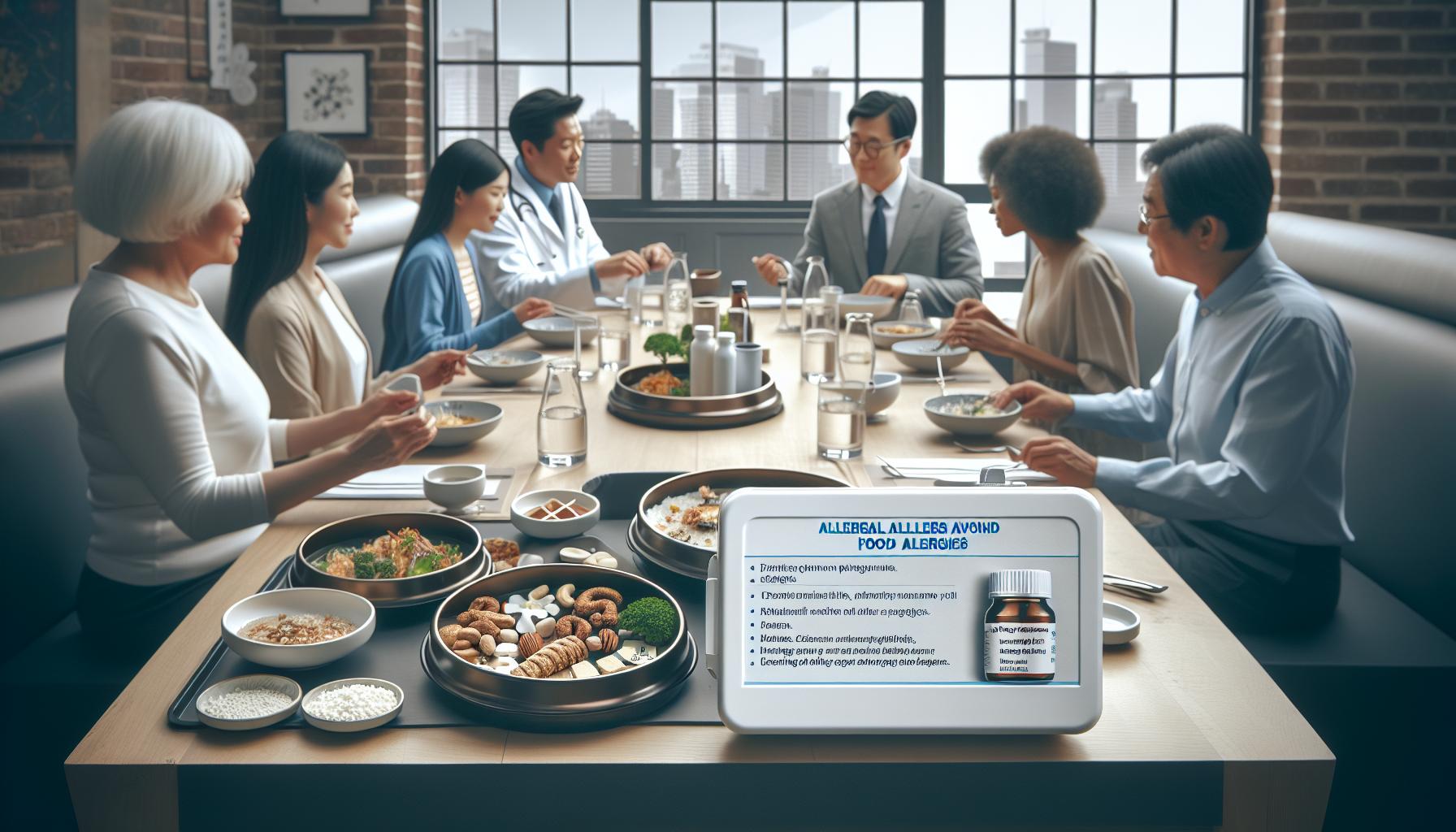
In a society renowned for its communal dining and rich culinary traditions, the understanding of food allergies in Korea is gradually evolving. Historically, food allergies were often met with skepticism; many people perceived them as mere dietary preferences rather than legitimate health concerns. However, awareness is increasing thanks to global influences and education. Today, more Koreans recognize that food allergies can pose serious risks, leading to improved attitudes toward accommodating those with dietary restrictions.
It’s essential to approach the topic of food allergies with cultural sensitivity. In Korea, meals are traditionally communal, and sharing food is a cherished practice. This can sometimes make it difficult for those with allergies to navigate dining situations. Nonetheless, the growing emphasis on health and wellness has prompted more restaurants and chefs to pay attention to customer needs, including those related to food allergies. Many establishments are now more willing to modify dishes to accommodate requests, especially in urban areas where international influences are prominent.
When dining out, consider expressing your dietary restrictions in a way that highlights your desire to enjoy the local cuisine while ensuring your safety. Phrasing your allergies as “I would love to try this dish, but I have an allergy to _____” can elicit a more positive response from the staff. This approach helps to frame your needs in a way that respects the cultural values of hospitality and sharing, encouraging staff to take extra care in preparing your meal.
To navigate Korea’s vibrant culinary landscape safely, it is beneficial to seek out restaurants that explicitly cater to allergy-friendly options. Many popular dining destinations now offer customizable menus or are more open to adapting their dishes. Utilizing local resources, such as food allergy support groups or online forums, can also provide insights into which venues are most accommodating. By fostering these connections, individuals with food allergies can confidently engage with the local food scene while prioritizing their health and well-being.
Navigating Restaurant Menus: Tips for Allergy-Friendly Choices
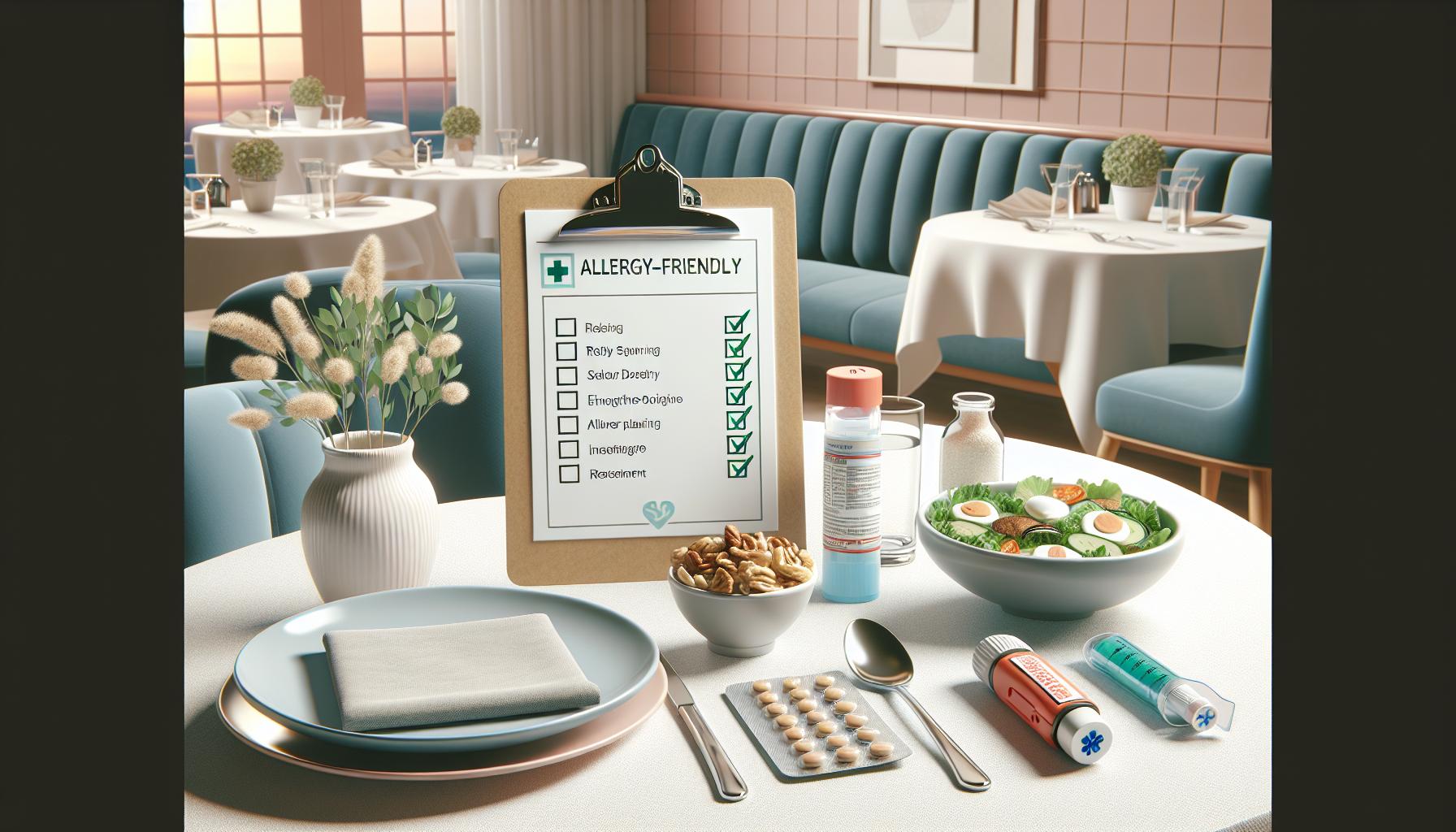
When navigating the vibrant culinary landscape in Korea, being proactive about your food allergies can greatly enhance your dining experience and safety. The key to enjoying delicious meals while safeguarding your health lies in effectively communicating your needs and understanding menu options. Many dishes in Korea are often prepared with a variety of ingredients that could trigger allergic reactions, so having a strategic approach to dining out is crucial.
One of the most effective strategies is to familiarize yourself with common ingredients found in Korean cuisine that may pose risks. Fermented sauces, such as gochujang (red pepper paste) and doenjang (soybean paste), often contain allergens like soybeans, wheat, or sesame. Additionally, many dishes might include hidden ingredients in marinades or broths. Therefore, when you receive a menu, don’t hesitate to ask detailed questions about specific items. A simple phrase like, “Can you tell me what’s in this dish?” can initiate a helpful dialogue. This not only demonstrates your interest in the cuisine but also encourages staff to engage with you regarding your allergies.
As you review the menu, look for symbols or keywords that indicate allergy-friendly dishes. Many restaurants are increasingly adopting clear labeling practices. Vegetarian, gluten-free, or no MSG labels can sometimes indicate that the dish is less likely to contain common allergens. Additionally, opting for simple preparations, like grilled meats or vegetable dishes, can minimize the risk of exposure to allergens typically found in more complex recipes. Communicating in Korean can greatly enhance this process; phrases such as “Naneun [allergen] eul ilhgo isseumnida” (I am allergic to [allergen]) can help convey your situation clearly.
Empowering Communication
Empowering yourself with language can significantly enhance your dining experience. Prepare a small card with translations of your allergies that you can show to the staff. For example, if you are allergic to nuts, you can write, “Naneun ddeulgeun-namul eul ilhgo isseumnida” (I am allergic to nuts). This visual aid can prompt a more detailed discussion about your dietary restrictions and is particularly useful in busy restaurants where verbal communication might be challenging.
Ultimately, the goal is to create an environment where you can enjoy your meal while minimizing risks. By taking the initiative to understand menu options, asking informed questions, and employing helpful communication tools, you pave the way for a delicious and safe dining experience in Korea. Engage openly with restaurant staff, as many are eager to assist diners in accommodating their dietary needs, reflecting a growing acknowledgment of food allergy awareness in the country.
How to Effectively Communicate Your Allergies to Staff

When dining out in Korea, effectively communicating your food allergies to restaurant staff can be the difference between a safe dining experience and a potentially dangerous situation. Many dishes in Korean cuisine are rich in ingredients that may be unfamiliar to non-locals, which makes it all the more important to be clear and specific about your dietary restrictions. Utilizing simple yet direct language can help bridge any communication gaps. Start with a straightforward introduction: “Naneun [your name] imnida,” followed by your allergy statement, such as “Naneun [allergen] eul ilhgo isseumnida” (I am allergic to [allergen]). This approach not only expresses your dietary needs but also establishes rapport with the staff.
It’s advantageous to prepare for your visit by writing down your allergies in Korean on a card. For example, if you have multiple allergies, your card might read: “Naneun gireum, suyeong, geurigo gochugaru eul ilhgo isseumnida,” indicating you are allergic to seafood, nuts, and chili pepper, respectively. Presenting this visual aid allows staff to quickly understand your restrictions and helps facilitate a more detailed dialogue about safe menu choices, especially in busy restaurant environments where verbal communication can be challenging.
During your conversation with the staff, ask specific questions like, “Eotteohge jega jhansim homicide?” (Is this dish safe for me?) This not only demonstrates your diligence but also encourages the staff to double-check ingredients and preparation methods. Remember to maintain a polite tone, as eating out in Korea is often seen as a social activity, and a friendly approach goes a long way in ensuring cooperation.
Additionally, consider enhancing your communication toolbox with common phrases that address various allergens, such as gluten, dairy, peanuts, or shellfish. Establishing a list of allergies in both English and Korean will enable you to effectively articulate your needs while reducing the risk of a misunderstanding. With these strategies, you can navigate menus with confidence and enjoy Korea’s rich culinary landscape while safeguarding your health.
Visual Aids and Allergy Cards: Your Safety Toolkit
While navigating the culinary landscape of Korea, having visual aids and allergy cards can significantly enhance your safety and confidence while dining out. Food allergies can pose real challenges, especially when the language barrier makes it difficult to effectively communicate your dietary needs. One simple yet powerful tool at your disposal is an allergy card that clearly lists all your food allergies in both English and Korean.
Creating a card before heading out to eat can make all the difference. This card should be concise and easy to read, ensuring that restaurant staff can quickly grasp your restrictions. For example, a well-prepared card might state: “Naneun gireum, suyeong, geurigo gochugaru eul ilhgo isseumnida,” translating to “I am allergic to seafood, nuts, and chili pepper.” Presenting this card, especially in busy restaurants, helps bridge communication gaps and allows for a more focused discussion about safe dining options without the fear of missing critical information in translation.
Moreover, consider tailoring your card based on specific dining environments. If you’re heading to a street vendor, the card may need to be simpler, focusing solely on your most concerning allergens. In contrast, a sit-down restaurant may allow for a more detailed description of your allergies and specific dishes to avoid. Visual aids such as images of the allergens can also provide immediate clarity, helping staff serve you safely.
Be proactive and ensure that your card is laminated or placed in a protective sleeve to maintain its readability. Remember, bringing a friend or translator who speaks Korean can be immensely helpful too, as they can provide additional assurance if needed. By preparing these visual aids, you empower yourself to enjoy Korea’s vibrant food scene while successfully managing your allergies with greater ease.
Common Korean Dishes and Their Allergy Components
Understanding the common dishes prevalent in Korean cuisine is essential for anyone with food allergies. Many traditional foods contain allergens that can trigger severe reactions, yet it’s also possible to enjoy delicious meals with proper caution. Familiarizing yourself with these dishes not only aids in making safer dining choices but also enhances your culinary experience in Korea.
Korean dishes often feature ingredients that may not be immediately obvious. Here are some popular items along with their potential allergenic components:
| Dish | Common Ingredients | Possible Allergens |
|---|---|---|
| Bulgogi (Marinated Beef) | Beef, soy sauce, sesame oil, garlic | Soy, sesame |
| Kimchi | Cabbage, chili pepper, garlic, fish sauce | Fish, shellfish, sulfur dioxide (preservatives) |
| Japchae (Stir-Fried Noodles) | Sweet potato noodles, vegetables, soy sauce, sesame oil | Soy, sesame |
| Tteokbokki (Spicy Rice Cakes) | Rice cakes, fish cakes, gochujang (red chili paste) | Fish, wheat |
| Samgyeopsal (Grilled Pork Belly) | Pork belly, sesame oil, garlic | Soy (if dipping sauces are added), sesame |
When dining out, it’s crucial to be vigilant about these mainstays of Korean food culture. Particularly, dishes like kimchi can contain fish sauce or shellfish, which might not be apparent at first glance. Always ask about the specific ingredients used and whether any sauces or marinades contain allergens. If you’re trying new foods, don’t hesitate to inquire further and ensure any modifications align with your dietary needs.
In the vibrant food scene of Korea, being proactive is key. Consider sharing your allergies with your hosts or restaurant staff as you navigate the menu. This not only helps them accommodate your needs, but it can also lead to discovering modified dishes that can still bring joy and satisfaction to your dining experience. By understanding these common dishes and their ingredients, you can participate more fully in Korea’s culinary delights while safeguarding your health.
Finding Safe Dining Options: Recommended Restaurants
When navigating the culinary landscape of Korea, finding safe dining options can feel daunting, especially with the complexities of food allergies. However, there are restaurants that prioritize allergen awareness and cater to those with dietary restrictions, allowing you to enjoy the vibrant flavors of Korean cuisine without worry. Many dining establishments are increasingly becoming aware of the importance of accommodating patrons with allergies, enabling them to provide delicious meals that align with your safety requirements.
One solid approach is to seek out places known for their customizable menus, as these establishments are often more willing to accommodate specific allergen concerns. Look for restaurants that emphasize fresh ingredients and transparency about their preparations. Popular spots like Sanchon, located in Insadong, not only serve traditional temple food but can also modify dishes to exclude certain allergens upon request. Another option is Plant Café, a vegan-friendly venue that prides itself on using whole, unprocessed ingredients, making it easier to avoid common allergens.
When dining out, it’s beneficial to reach out to restaurants in advance. A phone call or a message through social media can inform the staff of your allergies, allowing them to prepare a safe dining experience. In addition, utilizing local resources like food allergy support groups or forums can lead you to recommendations for restaurants that have successfully catered to others with similar dietary needs.
To further ensure your safety, consider using visual aids or translation cards that clearly state your allergies in Korean. This provides an additional layer of clarity for the staff, making it easier for them to assist you appropriately. Engaging with restaurant staff positively can foster an environment of trust, making it more likely they will take your concerns seriously and work to provide a delicious and safe meal. By being proactive and informed, you can savor the varied culinary delights Korea has to offer, all while keeping your health and safety in mind.
Emergency Procedures: What to Do If You Have an Allergic Reaction
Experiencing an allergic reaction while dining out can be alarming, especially in a foreign country. Understanding what steps to take can make all the difference in a critical moment. First and foremost, if you have a known allergy and begin to experience symptoms such as hives, swelling, difficulty breathing, or gastrointestinal distress, it is essential to act quickly and decisively.
Immediate Actions
Begin by informing those around you, including dining companions and restaurant staff, about your allergic reaction. If you carry an epinephrine auto-injector (like an EpiPen), use it right away. This can help stabilize your condition while medical assistance is on the way. If symptoms persist or worsen, do not hesitate to call for emergency medical services immediately, or have someone take you to the nearest hospital.
Communicating Your Situation
When notifying restaurant staff or emergency personnel about your reaction, clear communication is crucial. Use simple phrases or your allergy cards in Korean to describe your allergies and symptoms. For example, using phrases like “I have a severe allergy to [allergen]” and “I am having an allergic reaction” can help convey the urgency of your situation. If possible, keep relevant contact information handy, such as local emergency numbers or the location of the nearest hospital.
Post-Reaction Care
Once you have received treatment and are feeling better, consider following up with local resources for allergy support. This can include contacting local food allergy associations or community groups for guidance on how to navigate dining options safely in the future. Sharing your experiences can also help raise awareness among locals and travelers, contributing to a safer environment for everyone.
In summary, being proactive about your allergies and knowing the steps to take during an emergency can empower you to enjoy your culinary experiences in Korea while keeping your health a priority. Always remember, your safety comes first, and seeking help promptly will ensure you can continue to explore the vibrant dining scene.
Engaging with Locals: Building Trust for Allergy Awareness
Engaging with locals about food allergies can be pivotal in your dining experience, fostering understanding and ensuring your safety. Acknowledge that many people may not fully grasp the seriousness of food allergies; bridging this knowledge gap is essential. Building trust with locals starts with clear communication and respectful dialogue about your specific allergies. For example, when you arrive at a restaurant, take a moment to explain your allergies in a simple and relatable way; saying, “I have a strong reaction to peanuts and seafood, so I must ensure my food is prepared separately” can make your needs comprehensible.
One effective strategy is to share a bit about your experiences and concerns, as this personal touch can evoke empathy and prompt staff to take your allergies seriously. Approach conversations with patience and a friendly demeanor, as locals are often willing to help once they understand the implications of your allergies. Additionally, consider bringing a translation card that lists your allergies in both English and Korean. This not only facilitates clarity but also serves as a reliable reference for restaurant staff.
To further enhance trust, consider participating in local food allergy events or support groups if available. Engaging with communities that share similar concerns can provide invaluable insights and shared experiences. For instance, culinary classes focused on allergy-friendly cooking can be a great way to meet locals while learning safe cooking tips. By showing that you are proactive about your health and respectful of local cultures, you will likely encourage others to be more attentive and accommodating to your needs. Remember, the key is mutual understanding; when locals see your commitment to safety, they are more inclined to support you in creating a safe and enjoyable dining experience.
Resources and Associations for Food Allergy Support in Korea
Navigating food allergies while dining out can be a daunting experience, especially in a country where culinary traditions may include common allergens. Fortunately, numerous resources and associations in Korea are dedicated to supporting individuals with food allergies, providing vital information and community backing to navigate dining circumstances safely.
One of the foremost organizations is the Korean Academy of Allergy and Clinical Immunology (KAAI), which offers educational resources about food allergies and connects patients with specialists. They frequently host seminars and workshops that detail management practices and emergency procedures for allergies, contributing to greater awareness among both the public and healthcare providers. Additionally, they can guide you to allergists who can address specific concerns and offer tailored advice.
Local communities can be instrumental in supporting those with food allergies. Engaging with groups such as the Korean Food Allergy Association can be beneficial. This organization provides an online platform where individuals can share their experiences, learn about safe dining practices, and connect with others facing similar challenges. They also advocate for increased awareness about food allergies in schools and restaurants, working towards a more informed public that understands the seriousness of these conditions.
Finding Support and Information
When it comes to practical support, online forums and social media groups can be invaluable. Consider joining:
- Korean Expat Parents Community: Many parents share experiences regarding food allergies in local schools and dining venues, making it a rich resource for advice.
- Food Allergy Support Groups: Look for support and awareness initiatives through platforms like Meetup or local health centers, which often feature community events focused on allergy-friendly cooking.
In addition to peer support, utilizing translation applications can bridge the communication gap when dining out. Korean phrases describing your allergies can be stored digitally, allowing for quick and clear communication with restaurant staff. This empowerment through knowledge and preparation not only enhances your dining experience but also raises awareness among locals, fostering a culture of safety and understanding around food allergies.
Emergency Preparedness
Ensure that you are prepared for emergencies by connecting with local healthcare facilities that specialize in allergy treatment. Hospitals in urban areas often have departments dedicated to dealing with allergic reactions, and being informed about their location is crucial. Carrying an emergency plan or card detailing your allergies and necessary actions in case of an allergic reaction can significantly improve your safety while dining.
By leveraging these resources and building a network of support, you can confidently explore Korea’s culinary landscape, knowing that help and understanding are readily available.
Frequently asked questions
Q: How can I communicate my multiple food allergies when dining out in Korea?
A: You can effectively communicate your multiple food allergies in Korea by using essential phrases like “I am allergic to…” followed by the specific allergens. It’s also helpful to carry visual aids or allergy cards written in Korean to ensure clear understanding with restaurant staff.
Q: What should I do if a restaurant does not understand my allergies in Korea?
A: If a restaurant staff member doesn’t understand your allergies, remain calm and patient. Use visual aids, try another staff member, or show an allergy card. If there’s still confusion, consider choosing a different restaurant for your safety.
Q: Are there any common Korean ingredients that can trigger allergies?
A: Yes, some common Korean ingredients that can trigger allergies include sesame, peanuts, shellfish, and wheat. It’s crucial to inquire about dish components, especially in traditional meals, to avoid potential allergens.
Q: What cultural attitudes exist around food allergies in Korea?
A: In Korea, food allergies may not be fully understood by all, but awareness is increasing. Locals are generally willing to help if you explain your situation clearly. Building rapport with restaurant staff can lead to better accommodations.
Q: How can I find allergy-friendly restaurants in Korea?
A: To find allergy-friendly restaurants in Korea, use local food apps that feature user reviews, or look for international chain restaurants known for dietary accommodations. Additionally, consult your article’s section on “Finding Safe Dining Options” for recommendations.
Q: When is the best time to inform restaurant staff about my food allergies in Korea?
A: Inform restaurant staff about your food allergies as soon as you are seated, preferably before ordering. This ensures they understand your needs and can suggest safe dining options tailored to your allergies.
Q: What emergency procedures should I follow if I have an allergic reaction in Korea?
A: If you experience an allergic reaction in Korea, remain calm and use your emergency medication if available. Seek medical help immediately, and inform a nearby staff member to assist you. Knowing the location of the nearest hospital in advance can also be beneficial.
Q: How can I build trust and rapport with restaurant staff regarding my food allergies?
A: Building trust with restaurant staff involves friendly communication and showing appreciation for their assistance. Explain your allergies clearly, express gratitude for their efforts, and be patient, encouraging them to ask questions for better understanding.
The Conclusion
Navigating food allergies while dining out in Korea can be daunting, but armed with the right phrases and knowledge, you can enjoy your meals safely and confidently. Remember, preparation is key-don’t hesitate to carry a translation card or use a translation app. Your health and safety depend on clear communication, so take action today by bookmarking this guide and exploring related articles like “Essential Korean Phrases for Travelers” and “How to Read Korean Food Labels.”
As you embrace your culinary adventures in Korea, consider joining our newsletter for ongoing tips and resources tailored for allergy-aware travelers. Your safety is our priority, and we’re here to support you every step of the way. Share your experiences in the comments below-your insights could help fellow travelers! Let’s keep the conversation going, and together, we can make dining out a safe and enjoyable experience for everyone.


