


Flea allergy dermatitis in cats can be a distressing condition, causing intense itching and discomfort. Did you know that even a single flea bite can trigger a severe allergic reaction in sensitive cats? This is not just an annoyance; it can lead to serious skin issues, including infections from persistent scratching.
Understanding how to manage and soothe these allergic reactions is crucial for maintaining your cat’s health and happiness. In this guide, we’ll explore effective home remedies that can provide relief for your feline friend and help you tackle the discomfort that comes with flea allergies. Whether you’re a seasoned pet owner or new to caring for cats, you’ll find valuable strategies to ease their suffering and promote healing. Let’s dive into the solutions that can bring your cat back to their playful self!
Understanding Flea Allergy Dermatitis in Cats
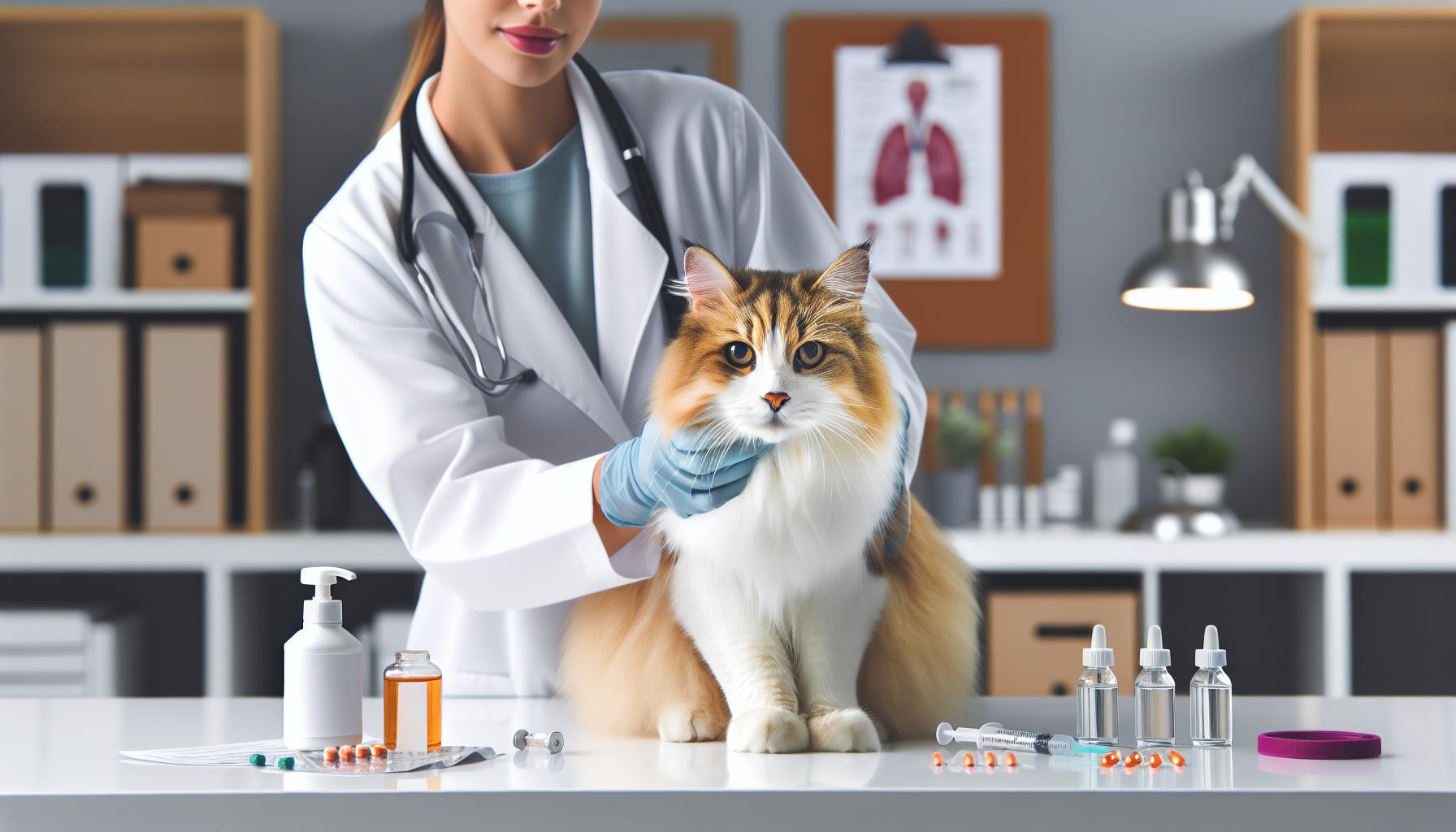
Flea allergy dermatitis is a common yet distressing condition faced by many cats, stemming primarily from an allergic reaction to flea saliva. When a flea bites, it injects saliva into the skin, which can trigger intense itching, redness, and inflammation in sensitive cats. Understanding this condition is vital not only for cat owners but also for ensuring that felines receive the appropriate care they need to lead comfortable lives.
A cat suffering from flea allergy dermatitis may exhibit a variety of symptoms, including excessive grooming, hair loss, and visible skin irritation. You might notice your feline friend scratching incessantly or developing scabs and hot spots, particularly around the neck and base of the tail, where fleas are often concentrated. Recognizing these signs early can be critical for effective management. If left untreated, flea allergies can lead to secondary infections, compounding the discomfort your pet experiences.
To help your cat cope with flea allergy dermatitis, take proactive steps in your home environment and grooming routines. Regularly inspect your cat for fleas and keep up with flea prevention medications as recommended by your veterinarian. Creating a flea-free environment includes thorough cleaning of bedding, carpets, and upholstered furniture. Employing vacuuming and washing techniques helps eliminate flea eggs and larvae, significantly reducing future infestations. This dual approach not only addresses the immediate symptoms but also works toward a longer-term solution to keep your cat healthy and happy.
Recognizing Symptoms of Flea Allergies
It’s estimated that flea allergy dermatitis affects a significant number of cats, making awareness of its symptoms critical for timely intervention and management. Affected cats often display behaviors that reflect their discomfort, including excessive grooming that can lead to bald patches and skin lesions. It’s essential for pet owners to be vigilant and recognize the warning signs that indicate their feline friend may be suffering from fleas.
One of the most common symptoms is intense itching, which may lead to obsessive scratching or biting at the skin. You might notice your cat rolling on the floor, rubbing against furniture, or constantly licking its paws. Additionally, look for areas of hair loss, particularly around the neck, base of the tail, and belly, which are common hotspots for flea activity. If your cat develops red, inflamed skin or scabs, it’s a clear indication that an allergic reaction is occurring. These signs can escalate quickly and cause further complications, such as infections if not addressed promptly.
Monitoring your cat’s behavior is crucial. If you observe your pet becoming more irritable or lethargic, it may be a response to discomfort from allergies. Keep in mind that some cats may also exhibit secondary symptoms, including weight loss or an unkempt appearance due to the stress of itching and grooming. All of these factors combined can lead to a decrease in your cat’s overall quality of life, emphasizing the importance of early recognition and treatment.
To effectively manage flea allergies, perform regular checks. Keep an eye out for fleas or flea dirt (tiny black specks) on your cat’s skin or fur. Utilize a fine-toothed comb during grooming sessions to help spot fleas and assess your cat’s condition more closely. When you notice any symptoms, swift action can be taken to soothe discomfort and prevent further complications, ensuring your cat remains healthy and happy.
Home Remedies to Alleviate Flea Allergy Symptoms

One of the most encouraging aspects of managing flea allergy dermatitis in cats is the plethora of home remedies that can offer relief and improve your cat’s quality of life. Many pet owners find themselves overwhelmed when dealing with intense itching and discomfort, but simple, natural interventions can make a significant difference. For instance, regularly bathing your cat with a gentle, hypoallergenic shampoo can help soothe irritated skin and reduce itching. Consider adding oatmeal to bathwater; it’s well-known for its skin-calming properties. After bathing, gently pat your cat dry with a soft towel rather than rubbing, as this could exacerbate irritated skin.
Another effective home remedy involves the use of natural oils. Coconut oil, for example, can be applied topically to the affected areas of your cat’s skin. Its moisturizing properties not only help heal the skin but also offer antibacterial benefits, reducing the risk of secondary infections from excessive scratching. Similarly, applying a diluted solution of apple cider vinegar can provide immediate relief for itchy areas, given its anti-inflammatory properties. It’s crucial to ensure the solution is well-diluted, as undiluted vinegar might irritate your cat’s sensitive skin.
Dietary considerations can also play a vital role in managing flea allergy dermatitis. Incorporating omega-3 fatty acids into your cat’s diet through fish oil supplements can support skin health and reduce inflammation. Additionally, providing a balanced diet rich in antioxidants will help bolster your cat’s immune system. Speak with your veterinarian about the best dietary changes for your feline friend, and consider looking for hypoallergenic foods specifically designed for sensitive skin.
Creating a peaceful environment at home is just as important. Frequent vacuuming and washing your cat’s bedding can help reduce the presence of fleas and alleviate allergy symptoms. Invest in a good quality vacuum cleaner to remove flea eggs and larvae effectively, and consider using washable covers for your furniture. These practical steps not only provide immediate relief for your cat but also promote a healthier living space by controlling flea populations, ultimately leading to a more comfortable environment for both you and your beloved pet.
Preventative Measures Against Flea Allergies

Creating a barrier against flea allergies involves proactive measures that can significantly reduce the likelihood of flare-ups for your cat. Flea allergy dermatitis is not just a seasonal issue; the lifelong discomfort can emerge anytime. Understanding how to prevent infestations is crucial for safeguarding your feline from these pesky pests.
Regular veterinary check-ups are essential in monitoring your cat’s health and ensuring they remain free from flea colonies. Discuss with your vet about year-round preventative medications like topical treatments or oral pills that can keep fleas at bay. These products disrupt the flea life cycle, preventing eggs and larvae from populating your home. Above all, ensure that your cat’s flea treatments are specifically designed for their weight and age; incorrect dosages can cause health issues.
Maintaining a clean environment goes hand-in-hand with topical treatments. Consider the following simple yet effective habits:
- Frequent Vacuuming: Vacuum your home regularly, focusing on high-traffic areas where your cat tends to spend time. Pay special attention to corners, under furniture, and surfaces where your cat lounges.
- Laundering Bedding: Wash your cat’s bedding and any fabric they frequently come into contact with in hot water at least once a week to eliminate eggs and larvae.
- Use Flea Collars: Invest in vet-recommended flea collars for additional preventative measures. These collars can help repel fleas effectively.
- Outdoor Control: If your cat goes outside, maintain your yard by mowing regularly and removing debris where fleas can breed. Consider treating outdoor areas with environmentally safe insecticide.
Additionally, attending to your cat’s grooming needs plays a significant role in prevention. Regular brushing not only helps to keep your cat’s coat looking tidy but also allows you to check for flea presence. Use a fine-toothed flea comb to remove any lurking fleas, eggs, or larvae. This preventative grooming can become a part of your bonding routine and provide an early warning system for any potential issues.
By establishing these straightforward yet powerful preventative measures, you can create a safer and more comfortable living environment for your feline companion, ensuring that they live a happy and itch-free life.
Natural Treatments: Oils and Essences for Relief
Natural remedies using essential oils can provide soothing relief for cats suffering from flea allergy dermatitis, allowing you to address their discomfort in a gentle yet effective manner. While these natural treatments are not a substitute for conventional veterinary care, they can complement a holistic approach to managing your cat’s symptoms. Essential oils such as lavender, chamomile, and peppermint possess anti-inflammatory and calming properties that may help alleviate itching and irritation caused by flea bites.
Before applying any oil, it’s crucial to dilute them properly. Essential oils are potent, and undiluted application can lead to skin irritation or toxicity in pets. A simple dilution can include mixing a few drops of your chosen oil with a carrier oil like coconut or sweet almond oil. Apply the mixture to a small area of your cat’s skin first to test for any adverse reactions. If there are no signs of discomfort within 24 hours, you can proceed to apply it to areas affected by itching.
Safe Essential Oils for Cats
When considering essential oils for your cat, some widely recognized options include:
- Lavender Oil: Known for its calming effects, it can soothe skin irritations and help reduce anxiety that may stem from discomfort.
- Chamomile Oil: This oil promotes healing and can help with inflammation, making it a great option for irritated skin.
- Peppermint Oil: It can provide a cooling sensation and may help deter fleas when used in diluted forms.
Alongside essential oils, using natural products like apple cider vinegar can also bring relief. Dilute apple cider vinegar with equal parts water and apply it to your cat’s fur to help soothe itchy skin and repel fleas. Not only does it act as a natural antiseptic, but it also balances the pH level of your cat’s skin, potentially alleviating further irritation.
Integrating these natural treatments requires careful observation and a gentle approach, as not all cats respond the same way. By empowering yourself with knowledge about these soothing solutions, you can contribute positively to your cat’s well-being while effectively managing the discomfort of flea allergy dermatitis. Always consult your veterinarian before starting any new treatment to ensure it’s suitable for your cat’s specific health needs.
Creating a Flea-Free Home Environment

is essential for providing your cat with relief from flea allergy dermatitis. Not only do fleas pose a direct threat to your pet’s comfort, but they can also contribute to ongoing skin issues, leading to more serious health concerns. By implementing effective strategies, you can significantly reduce the risk of flea infestations and create a sanctuary for your feline friend.
Start with thorough cleaning routines to eliminate fleas and their eggs. Regularly vacuum carpets, rugs, and upholstered furniture, paying special attention to areas where your cat spends time. Dispose of the vacuum bag or empty the canister outside to prevent any escaping fleas from re-entering your home. Washing bedding-both yours and your pet’s-weekly in hot water can also help eradicate flea larvae and eggs, providing an additional layer of protection.
Incorporating flea prevention products into your home is another critical step. Use flea traps or natural repellents such as diatomaceous earth sprinkled in your home’s low-traffic areas. This non-toxic powder absorbs moisture and can kill fleas upon contact. You can also consider using specialized flea collars or sprays designed for indoor use to create a barrier against these pests. Be sure to choose products that are safe for both cats and humans.
Lastly, maintaining your yard can play a pivotal role in keeping fleas at bay. Regularly mow your lawn and trim back shrubs to reduce shady areas where fleas thrive. Consider introducing beneficial insects, like nematodes, which feed on flea larvae, into your outdoor space. By addressing the outdoor environment alongside your indoor efforts, you can create a comprehensive strategy for a flea-free haven, giving your cat the comfort and relief they deserve.
Dietary Adjustments to Support Skin Health
To support your cat’s skin health, especially when dealing with flea allergy dermatitis, dietary adjustments can play a crucial role. Providing your feline companion with the right nutrients can bolster their skin barrier and overall health, potentially lessening the severity of allergic reactions and helping them recover more quickly from flare-ups. A well-balanced diet rich in essential fatty acids, vitamins, and minerals can promote healthy skin and coat.
Essential Fatty Acids
Incorporating foods high in omega-3 and omega-6 fatty acids is particularly beneficial. These essential fatty acids help reduce inflammation, maintain skin moisture, and enhance the overall skin barrier function. Consider adding the following to your cat’s diet:
- Fish oil: Salmon or sardine oil are excellent sources of omega-3s.
- Flaxseed oil: A plant-based option rich in omega-3 fatty acids.
- Soybean oil: Contains omega-6 fatty acids that are crucial for skin health.
Consult your veterinarian regarding the appropriate dosage of these oils to incorporate into meals, as too much can lead to digestive upset.
High-Quality Protein Sources
A high-protein diet from quality sources is essential to support skin repair and overall vitality. Choose pet foods that list real meat as the first ingredient, and consider including:
- Chicken
- Turkey
- Beef
These proteins provide the necessary amino acids that aid in the production of new skin cells and help your cat maintain a healthy coat.
Vitamins and Minerals
When it comes to skin health, certain vitamins and minerals are beneficial. For example, vitamin E and zinc play significant roles in maintaining skin integrity. You can enhance your cat’s diet by:
- Including fruits like blueberries and cranberries (in moderation), which are rich in antioxidants.
- Ensuring the diet is fortified with vitamins or considering supplements if recommended by your vet.
Ultimately, adjusting your cat’s diet requires patience and observation. Keep track of your cat’s reactions to dietary changes and consult your veterinarian to ensure these adjustments align with their specific health needs. With the right nutritional support, you can significantly improve your cat’s comfort and resilience against flea allergy dermatitis.
When to Consult a Veterinarian
Flea allergy dermatitis can be an uncomfortable and distressing condition for your cat, often leading to excessive scratching, biting, and inflammation. While many pet owners will attempt to treat this condition at home with various remedies, there are crucial moments when consulting a veterinarian becomes essential for the well-being of your feline friend. If you notice that the symptoms persist despite your efforts, it’s time to seek professional help.
If your cat exhibits severe symptoms, such as extensive hair loss, persistent bleeding from self-inflicted wounds, or signs of infection like pus or a foul odor, you should consult a veterinarian right away. These symptoms often indicate that the allergic reaction has escalated beyond what basic home care can address. Furthermore, a vet can determine if your cat is experiencing secondary infections due to constant scratching, which can quickly complicate the situation and require more intensive treatment.
Another critical reason to consult with a vet is if your cat is not responding to over-the-counter treatments or home remedies. For example, if you’ve tried natural options like oatmeal baths or topical soothing gels without any improvement, your veterinarian can recommend prescription treatments that might be more effective. They can perform skin tests to differentiate between flea allergies and other possible skin conditions, ensuring a tailored approach that can provide relief.
Regular check-ups are also important to monitor the overall health of your cat, especially if they have a history of allergies. Discuss any recurrent symptoms or behavioral changes during these visits, as this can help your veterinarian make informed decisions about long-term care strategies. In conclusion, while home remedies can offer temporary relief, a veterinarian’s expertise is invaluable in managing flea allergy dermatitis effectively, ensuring your cat’s comfort and health for the long run.
Exploring Over-the-Counter Solutions
Over-the-counter (OTC) solutions can provide valuable support in managing flea allergy dermatitis in cats, bridging the gap between immediate relief and long-term care. With various options available, understanding which products can effectively reduce symptoms is crucial for pet owners seeking to soothe their furry friends. Many OTC treatments focus on alleviating itching, reducing inflammation, and promoting skin healing-every bit essential in helping your cat regain comfort and a better quality of life.
One of the most common over-the-counter solutions is anti-itch sprays or creams formulated specifically for pets. These products often contain hydrocortisone or similar anti-inflammatory agents that can help soothe irritated skin. When choosing a topical treatment, ensure it is safe for cats-some human products may contain harmful ingredients. Always follow the instructions for application to avoid overuse, which can lead to further skin irritation.
Another effective category of OTC solutions are oral antihistamines, which can help manage allergic reactions and improve your cat’s overall comfort. While not all cats respond the same to antihistamines, products like diphenhydramine (Benadryl) are commonly used for relieving allergy symptoms in pets. Consult with your veterinarian about the appropriate dosage based on your cat’s weight, as an improper dose can lead to adverse effects.
In addition to topical and oral treatments, consider medicated shampoos designed for pets with dermatitis. These shampoos can not only clean the skin but also soothe irritation and moisture to dry, flaky skin. Look for shampoos containing ingredients like oatmeal or aloe vera, which are known for their calming properties. Regular bathing with these gentle formulas can help reduce the amount of allergens and irritants on your cat’s skin, thereby promoting healing.
It’s important to monitor your cat’s reaction to any new treatment. While OTC solutions can provide relief, they should ideally be used in conjunction with a comprehensive flea management program that includes topicals or environmental controls to address the underlying causes of flea allergies. Empower yourself with knowledge and options to give your cat the comfort they deserve on their journey to recovery.
The Role of Regular Grooming in Allergy Management
Regular grooming plays a pivotal role in managing flea allergy dermatitis in cats, acting as both a preventive and therapeutic measure. By establishing a consistent grooming routine, you can help alleviate discomfort associated with itching and inflammation, while also reducing the number of allergens that come into contact with your cat’s skin. Grooming not only allows for better skin health but also creates an opportunity for you to observe any changes or worsening of symptoms early.
During grooming sessions, use a high-quality brush or comb specifically designed for your cat’s coat type to minimize pain and promote comfort. This process helps remove loose hair and dander, significantly reducing allergens in the environment. Pay particular attention to areas where fleas tend to hide, such as behind the ears, under the chin, and along the tail. This vigilance not only helps eliminate any present fleas but also identifies any flea bites or skin irritations that may require further attention.
Incorporating bathing into your grooming routine can further relieve symptoms of flea allergy dermatitis. Use gentle, hypoallergenic shampoos that are suitable for pets to soothe inflamed skin. Bathing your cat regularly helps remove flea eggs, larvae, and debris, creating a less hospitable environment for fleas. This practice assists in calming irritated skin and promoting a healthier coat, so consider scheduling baths bi-weekly, or as necessary, based on your cat’s needs and lifestyle.
Finally, the emotional aspect of grooming shouldn’t be underestimated. Regular interaction fosters strong bonds between you and your cat, instilling a sense of security during moments of discomfort. Make grooming a positive experience by offering treats and gentle praise, which can help reduce anxiety and distress associated with allergy flare-ups. By turning grooming into a loving routine, you empower yourself to effectively manage your cat’s flea allergy dermatitis while enhancing the overall well-being of your furry companion.
Healing Your Cat’s Skin: Topical Treatments Explained
Topical treatments can be a powerful ally in the battle against flea allergy dermatitis in cats, alleviating the discomfort caused by severe itching and inflammation. With the right approach, these treatments can foster healing and provide significant relief. Pet owners often find themselves seeking effective options to soothe their feline companions, and understanding the variety of topical solutions available makes this task much easier.
One of the most common topical treatments are corticosteroid creams, which help reduce inflammation and itchiness. When applied carefully to the affected areas, these creams can offer rapid relief from the discomfort associated with flea bites. Always consult with your veterinarian before using corticosteroids, as they should be prescribed based on your cat’s specific condition to ensure safe and effective use.
Another effective option includes antiseptic and healing gels. These products are formulated to cleanse and soothe irritated skin while promoting healing. Many contain ingredients like aloe vera or calendula, which are known for their soothing properties. Applying these gels can help prevent secondary infections that might arise from excessive scratching, creating a dual benefit of healing and protection.
For more holistic approaches, consider using natural oils such as coconut oil or tea tree oil (diluted). These oils possess natural antimicrobial properties and can help keep the skin moisturized and promote healing. Remember to apply only a small amount at a time, and always conduct a patch test to ensure your cat does not have a reaction to the oil.
Incorporating topical treatments into a regular care routine can significantly enhance your cat’s comfort. However, it’s crucial to monitor the application carefully and avoid any areas where your cat may lick off the product. By creating a supportive environment, not only can you address immediate symptoms effectively but also contribute positively to your cat’s overall skin health. Through thoughtful care and vigilance, you can empower yourself to manage your cat’s flea allergy dermatitis confidently, keeping their well-being at the forefront.
Empowering Cat Owners: Tips for Allergy Management
It can be incredibly disheartening to see your feline friend suffering from flea allergy dermatitis. As a cat owner, understanding how to manage this condition not only gives you peace of mind but also enhances your cat’s quality of life. The good news is that there are practical steps you can take to alleviate your cat’s discomfort and prevent future flare-ups.
One of the most effective strategies involves regular grooming sessions. Not only does grooming help to remove fleas and their eggs, but it also promotes healthy skin and coat. Use a fine-toothed flea comb to catch any remaining fleas and provide a soothing experience for your cat. This is also a great opportunity to check for any signs of irritation or skin infections that may require further care.
Adopting a multi-faceted approach is crucial. Consider implementing a combination of home remedies and dietary adjustments. For instance, adding omega-3 fatty acids to your cat’s diet can improve skin health and reduce inflammation. Additionally, maintaining a clean environment is vital-regular vacuuming, washing your cat’s bedding, and using flea prevention products can help create a flea-free zone in your home.
Moreover, educate yourself about the available topical treatments and natural remedies. Ingredients like oatmeal can soothe irritated skin and reduce itching. You might apply a colloidal oatmeal bath or use pet-safe shampoos that contain this ingredient to help calm your cat’s skin. Always consult with your veterinarian before starting any new treatments to ensure they are appropriate for your cat’s specific condition.
By taking these proactive measures, you empower yourself and ensure that your cat receives the best care possible. Balancing empathy with practical solutions not only strengthens your bond but also provides a dedicated path toward managing flea allergy dermatitis effectively. Remember, your vigilance and responsiveness can make all the difference in your cat’s comfort and overall well-being.
Frequently Asked Questions
Q: How can I naturally relieve my cat’s flea allergy dermatitis?
A: To naturally relieve flea allergy dermatitis in cats, try techniques such as oatmeal baths, which soothe irritated skin, and applying coconut oil for moisturizing effects. Additionally, incorporating fish oil into your cat’s diet can help promote skin health from the inside out. For more remedies, refer to the section on home remedies.
Q: What common household items can help soothe my cat’s itchy skin?
A: Common household items like diluted apple cider vinegar can be applied to itchy areas to relieve discomfort. Alternatively, aloe vera gel provides soothing relief without harsh chemicals. Be sure to consult the section on natural treatments for additional options.
Q: When is the best time to treat my cat for fleas?
A: The best time to treat your cat for fleas is before peak flea season, typically in spring and summer. Regular preventative measures, such as monthly flea treatments, can help keep your cat flea-free. For further insights, check out the preventative measures section.
Q: What dietary changes can help improve my cat’s skin condition?
A: To improve your cat’s skin condition, consider adding omega-3 fatty acids found in fish oil or flaxseed oil to their diet. These nutrients help reduce inflammation and support skin health. For more dietary tips, explore the dietary adjustments section.
Q: Can I use essential oils to treat my cat’s flea allergies?
A: Yes, certain essential oils like lavender and chamomile can be used to repel fleas and soothe skin irritation. However, always dilute oils and consult with a vet to ensure safety. Additional essential oil options can be found in the natural treatments section.
Q: How can I prevent flea allergy dermatitis from recurring?
A: To prevent flea allergy dermatitis from recurring, maintain a regular flea control routine, keep your home environment clean, and regularly groom your cat. Implementing these strategies can significantly reduce the risk of infestations. See the preventative measures section for more details.
Q: What are the first signs my cat shows if they have flea dermatitis?
A: The first signs of flea allergy dermatitis include intense scratching, biting at the skin, and red or inflamed patches. If you notice these symptoms, it’s crucial to address the flea issue immediately. More detailed symptoms can be found in the article’s symptoms section.
Q: How often should I groom my cat to manage flea allergies?
A: Regular grooming is essential; aim to groom your cat at least once a week. This helps remove fleas and debris and distribute natural oils for healthier skin. For further advice on grooming, refer to the grooming management section of the article.
Wrapping Up
By following these home remedies, you can significantly alleviate the discomfort your cat experiences from flea allergy dermatitis. Remember, consistent application and monitoring of your cat’s condition are key to managing this allergy effectively. If symptoms persist or worsen, don’t hesitate to consult your veterinarian for tailored treatment options.
For deeper insights, explore our articles on preventing fleas in your home and natural treatments for itchy skin. Joining our newsletter is another way to receive expert tips and stay updated on feline health issues.
Your cat’s comfort is just a few steps away-take action today! Share your experiences in the comments below or connect with fellow cat owners facing similar challenges. Together, we can ensure our furry friends lead happy, healthy lives.


