

Did you know that just like humans, cats can also suffer from allergies? Identifying whether your feline friend has allergies is essential, as it can significantly impact their quality of life. Allergies in cats can manifest through various symptoms, including itching, sneezing, and skin irritations, making it crucial for owners to recognize these signs early on.
As a caring cat owner, understanding how to spot the symptoms of allergies can lead to timely intervention and relief for your pet. Whether it’s seasonal allergens, food sensitivities, or environmental irritants, being informed equips you to take actionable steps in managing their health effectively. This guide will walk you through the key signs every owner should be aware of, empowering you to ensure your cat remains happy and healthy. Read on to discover the vital signs that could indicate your cat is struggling with allergies and how to respond.
Recognizing Common Cat Allergy Symptoms
Many cat owners may not realize that their furry companions can experience allergic reactions similar to humans. These reactions can manifest in various ways, but being aware of the common symptoms is crucial for timely intervention and effective management. Cats suffering from allergies may display signs of discomfort that can affect their daily lives, shedding light on the importance of monitoring their health closely.
One of the most common indicators of allergies in cats is itchy skin, often resulting in excessive scratching, biting, or licking of specific areas of their body. This can lead to inflammation or the development of hotspots-localized areas of skin irritation. Other external signs include sneezing, coughing, and watery eyes, which may occur more frequently during certain times of the year or in specific environments. Vomiting and diarrhea can also accompany allergies, especially when the triggers are related to food.
To help pinpoint the underlying issues, look for changes in your cat’s behavior or habits. Keep a record of when and where symptoms occur; for example, do they worsen after being outdoors or during certain seasons? Such observations can be invaluable when discussing concerns with your veterinarian. Providing a thorough history of symptoms will facilitate a more accurate diagnosis, ensuring your cat receives the appropriate care and treatment needed to alleviate their allergy-related discomfort.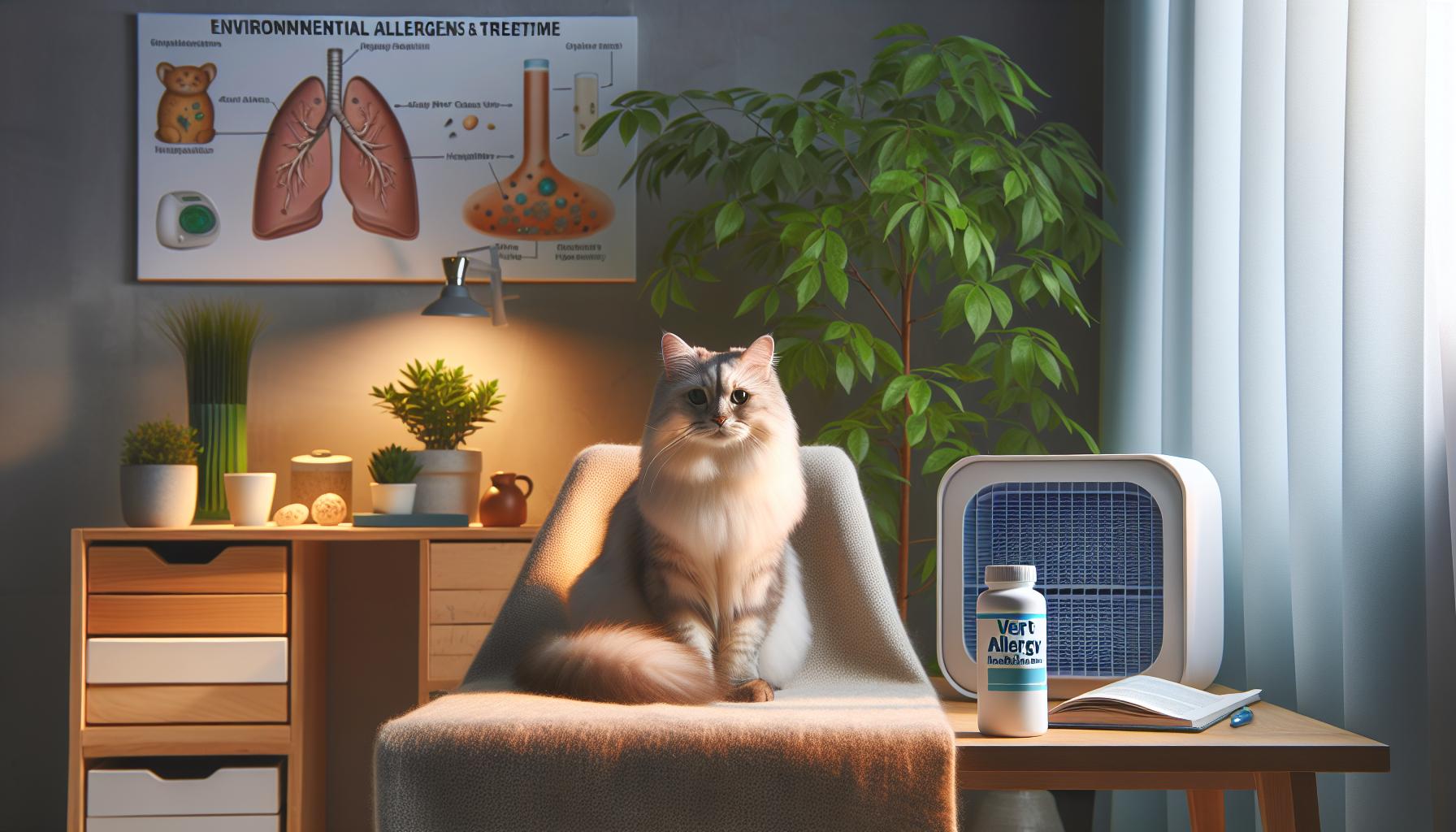
Understanding Environmental Allergens for Cats
Understanding the environmental factors that can trigger allergies in cats is crucial for any pet owner wishing to maintain their feline’s health and well-being. Cats can be particularly sensitive to a variety of environmental allergens, which often manifests as discomfort and distress. One notable fact is that about 10-15% of cats suffer from environmental allergies, making it a common health issue that can arise during any season.
Common environmental allergens include dust mites, pollen from grasses and trees, mold spores, and even certain household chemicals. These particles can be airborne or settle in your home, often hiding in carpets, bedding, and upholstery. For instance, if your cat exhibits symptoms such as sneezing, itchy skin, or watery eyes, it may be linked to allergens present in their environment. You might notice these symptoms increase during specific times of the year, such as spring when pollen counts rise.
To help your cat cope, begin with a few practical steps. Regularly clean your living space to minimize dust and potential allergens. Use air purifiers to reduce airborne particles and consider hypoallergenic bedding for their sleeping areas. Additionally, keeping your windows closed during high pollen seasons is a simple method to limit exposure to outdoor allergens. If you suspect that certain household products might be aggravating your cat’s allergies, such as scented candles or harsh cleaners, opting for unscented or natural alternatives can create a more allergy-friendly environment.
Monitoring your cat’s behavior during different seasons or following cleanings can provide insights into their sensitivities. Keeping a journal of symptoms and potential triggers is a valuable tool not only for noticing trends but also for discussions with your veterinarian. By being proactive and informed, you can significantly enhance your cat’s quality of life and provide relief from the burdens of environmental allergies.
Food Allergies: Signs Your Cat May Be Suffering
Food allergies in cats can be a hidden struggle, often mistaken for other ailments. As a responsible pet owner, recognizing the signs that your feline friend may be suffering from food allergies is essential for ensuring their health and comfort. Unlike environmental allergies, food allergies often manifest themselves in ways that can be subtle and easily overlooked. Observing your cat’s behavior, physical condition, and eating habits can provide vital clues.
One of the most common indicators of food allergies is gastrointestinal upset. Symptoms might include vomiting, diarrhea, and signs of discomfort after meals. If you notice that your cat frequently grooms itself or has red, inflamed skin, these may also be signs of a food allergy, as certain proteins in their diet can trigger adverse reactions. Additionally, watch for hair loss or patchy fur, which can occur due to excessive scratching or biting in response to itchy skin. Tracking these symptoms can help you identify patterns that align with specific foods.
To effectively manage potential food allergies, consider implementing an elimination diet under veterinary supervision. This involves removing common allergenic ingredients from your cat’s diet and then gradually reintroducing them one at a time. Key ingredients often implicated in food allergies include dairy, beef, chicken, and fish. By carefully monitoring your cat’s reactions to these reintroduced foods, you may be able to pinpoint the specific allergen and adapt their diet accordingly.
Caring for a cat with food allergies requires patience and awareness. Regular veterinary check-ups are crucial to maintaining a proper diet and managing any health complications that may arise. Keep an open line of communication with your veterinarian, sharing your observations and any changes you notice in your cat’s behavior or health. With diligent care and adjustment, you can help your cat lead a happy, allergy-free life, ensuring they get the nutrition they need without unwanted reactions.
The Impact of Seasonal Allergies on Cats
Seasonal allergies can be a significant source of discomfort for cats, often arising during specific times of the year when pollen from trees, grasses, and weeds is abundant. Cats can develop sensitivity to these allergens, leading to a range of symptoms that can impact their overall quality of life. Pet owners may notice that their feline companions display increased itching, sneezing, and excessive grooming, especially during spring and fall. Understanding the impact of seasonal allergies on your cat is crucial for recognizing symptoms and implementing effective management strategies.
When exposed to environmental allergens, a cat’s immune system may overreact, resulting in inflammation and itching. Common symptoms include:
- Itchy Skin: Cats may scratch, chew, or lick their bodies excessively, leading to hair loss and skin infections.
- Eye Discharge: Allergies can cause watery or red eyes, which might be mistaken for other issues.
- Respiratory Issues: Coughing, wheezing, or nasal congestion may occur, although these symptoms are less common than skin reactions.
For example, a cat that normally enjoys lounging in the grass may suddenly start to exhibit uncomfortable behaviors during high pollen seasons. To help manage these allergies effectively, consider the following strategies:
Actionable Steps for Management
- Limit Outdoor Exposure: During peak pollen seasons, restrict your cat’s outdoor activities. Instead, engage them in indoor play to keep them stimulated.
- Regular Grooming: Frequent brushing can help remove pollen trapped in your cat’s fur before it has a chance to irritate their skin.
- Clean Living Environment: Regularly vacuum and clean your home to minimize indoor allergens, particularly during high pollen seasons.
- Consult Your Veterinarian: If your cat shows persistent signs of allergies, a vet can provide appropriate treatments such as antihistamines or corticosteroids.
Taking swift action can ease your cat’s discomfort during allergy seasons. Remember, recognizing these signs early and addressing them proactively can lead to a more comfortable life for your feline friend, ensuring they can enjoy the outdoors without the burden of allergies. If your cat’s symptoms worsen or become challenging to manage, don’t hesitate to seek veterinary care for tailored solutions.
How to Differentiate Allergies from Other Conditions
Identifying whether your cat has allergies can be a daunting task, especially since many symptoms can overlap with other medical conditions. Conditions such as infections, parasites, or skin diseases can mimic the signs of allergies, making it crucial for pet owners to be vigilant observers. For example, a cat suffering from a bacterial skin infection may exhibit excessive grooming, similar to what a cat with allergies might display. Recognizing the differences between these conditions involves paying attention to specific signs and behaviors.
To differentiate between allergies and other conditions, start by observing the timing and triggers of your cat’s symptoms. Allergies often present themselves seasonally or in relation to specific environmental factors. If your cat’s itching worsens in spring or fall, or after exposure to certain substances like chemicals or grasses, this suggests an allergic response. In contrast, if symptoms are persistent year-round, consider other possibilities such as food intolerances or chronic skin infections that require different management.
Here are some points to consider when assessing your cat’s condition:
- Check for Patterns: Identify if the symptoms vary with changes in environment or diet. Seasonal allergies typically follow predictable patterns.
- Inspect the Skin: Allergic reactions often result in red, inflamed, or flaky skin. Look for areas of intense irritation or infection, where parasites or bacterial issues might be the cause.
- Monitor Behavior: Cats with allergies may show signs of discomfort like sneezing, coughing, or pawing at their face. If behavioral changes are sudden or severe, it might indicate something beyond allergies.
- Grooming Habits: Excessive grooming can occur due to discomfort from various causes. Track if your cat’s grooming behavior aligns with other typical allergy signs, such as ear infections or watery eyes.
If you suspect that your cat is struggling with allergies or another condition, keeping a detailed log of symptoms and their occurrences can be immensely helpful. This information can guide your veterinarian in making an accurate diagnosis, enabling a more effective treatment plan. Don’t hesitate to consult your veterinarian for further evaluation, as they can perform tests to discern allergies from other health issues, ensuring your cat receives the appropriate care. Taking proactive steps is vital; early recognition can lead to better outcomes for your furry friend.
When to Consult Your Veterinarian About Allergies
Observing your cat engage in persistent scratching or witness watery eyes can be distressing and a sure sign that something isn’t quite right. While some level of itching or sneezing may seem minor, it’s important to recognize when symptoms warrant a trip to the veterinarian. Prolonged or severe allergy symptoms not only disrupt your cat’s quality of life but could potentially indicate a deeper issue that needs addressing.
If your cat’s symptoms include excessive grooming, hair loss, or recurrent ear infections, this might suggest allergies or another underlying condition. Additionally, if you notice your cat experiencing difficulty breathing, swelling around the face, or an abnormal appetite-these can be signs of more serious allergic reactions that require immediate veterinary attention. Prompt consultation can help prevent worsening conditions and ensure your feline friend receives the right care.
Consider bringing your cat to the veterinarian if you observe any of the following situations:
- Persistent Symptoms: If your cat’s itching or sneezing continues despite minimal changes in their environment, it’s time for professional advice.
- Increased Discomfort: Signs of pain, significant behavioral changes, or if your cat seems to be losing weight are critical indicators that your vet should examine.
- Severe Reactions: Signs like swelling, hives, or difficulty breathing need immediate medical attention, as they can indicate anaphylaxis or other serious disorders.
Maintaining a detailed diary with observations of your cat’s symptoms can also assist the veterinarian in diagnosing the problem accurately. This proactive step not only helps to identify patterns but also empowers you as a pet owner. Remember, early intervention is the key to effectively managing allergies and ensuring your cat can live comfortably and happily. Taking these signs seriously can lead to tailored treatment, helping your furry companion enjoy a better quality of life.
Home Remedies for Managing Cat Allergies
For cat owners navigating the challenges of allergies, home remedies can offer comfort and relief to your furry friend. Starting with simple adjustments in your cat’s environment and diet can make a significant difference. For example, regular cleaning to minimize dust, pollen, and pet dander is essential. Vacuuming often and using an air purifier can greatly reduce airborne allergens, creating a cleaner and healthier living space.
Another effective strategy is to consider outdoor exposure. If your cat suffers from seasonal allergies, limiting outdoor time during high pollen times can help reduce allergic reactions. After outdoor play, a gentle wipe down with a damp cloth can remove lingering pollen and irritants from their fur. Also, consider using hypoallergenic cat shampoos for regular baths-this can soothe the skin and minimize allergens. Ensure that the shampoo is safe for cats, as some human products can be harmful.
Diet is another pivotal aspect in managing allergies. Some cats benefit from an elimination diet, where you gradually introduce new foods while monitoring for allergic reactions. Look for limited-ingredient diets or foods specifically formulated for sensitive systems. Adding omega-3 fatty acids, available in fish oil supplements, may help decrease inflammation and improve skin health, providing additional support for your cat’s immune system.
While home remedies can alleviate symptoms, it’s vital to remain vigilant. Keep track of your cat’s symptoms and any improvements you notice, as this information can be invaluable for discussions with your veterinarian. If your cat’s condition shows no signs of improvement, or if symptoms worsen, seeking professional veterinary advice is crucial to ensure a comprehensive treatment plan tailored to your pet’s specific needs.
Diagnosing Cat Allergies: Tests and Procedures
Determining whether your cat has allergies can be a complex journey, requiring careful observation and testing to pinpoint the specific allergens wreaking havoc on your furry friend’s health. Accurate diagnosis is essential for effective treatment, as various conditions can mimic allergy symptoms. Engaging a veterinarian is your first step. They will generally conduct a thorough physical examination and review your cat’s medical history, noting symptoms like itchiness, respiratory issues, or gastrointestinal problems.
Key Diagnostic Tests
The most common methods to diagnose cat allergies include:
- Skin Tests: Similar to allergy tests for humans, a veterinarian may perform skin prick tests to identify specific allergens. Tiny amounts of potential allergens are injected into the skin to observe reactions.
- Blood Tests: These tests can measure the presence of IgE antibodies linked to allergic reactions. They help detect hypersensitivity to various environmental allergens such as pollen, dust mites, or certain foods.
- Elimination Diets: If food allergies are suspected, a veterinarian may recommend an elimination diet, where common allergens are removed from your cat’s diet and gradually reintroduced to identify intolerances.
Each method has its benefits and limitations. For instance, skin tests provide immediate results, but they may not be suitable for all cats, especially those with skin conditions. Blood tests are more universally applicable but may cost more and sometimes take longer to yield results.
When to Consult a Veterinarian
It’s crucial to consult with your veterinarian if your cat exhibits persistent symptoms such as excessive scratching, frequent sneezing, or digestive disturbances. Documenting your observations, such as when symptoms worsen or improve, can provide valuable insights for your vet.
When navigating allergy symptoms, time is of the essence. An accurate diagnosis leads to a tailored treatment plan that can significantly improve your cat’s quality of life, allowing them to enjoy their days free from the discomfort of allergies. Remember, by addressing these issues with professional guidance, you are taking proactive steps towards a healthier, happier cat.
Effective Treatment Options for Cat Allergies
Identifying the right treatment for cat allergies can feel overwhelming, but understanding the available options empowers pet owners to enhance their cat’s quality of life. Effective management typically involves a combination of strategies tailored to your cat’s specific needs, which can range from environmental modifications to medical interventions. Addressing the signs of allergies promptly can lead to significant improvements and fewer discomforts for your feline friend.
Environmental Management
One of the first steps in treating allergies is to minimize your cat’s exposure to allergens. Regular cleaning-such as vacuuming carpets and upholstery, washing bedding, and using air purifiers-can help reduce the presence of dust mites, mold, and pollen. If your cat is allergic to certain materials, consider upgrading to hypoallergenic alternatives for bedding or litter. Additionally, ensuring that your home is well-ventilated can help control airborne allergens affecting your pet.
Medical Treatments
When environmental management alone isn’t enough, various medical treatments may provide relief. These can include:
- Antihistamines: Often prescribed to manage symptoms like itching and sneezing, antihistamines can be an effective first-line treatment.
- Corticosteroids: In cases of severe allergic reactions or inflammation, corticosteroids may be prescribed for short-term relief.
- Immunotherapy: This treatment involves gradually exposing your cat to small amounts of the allergens causing their symptoms, aiming to desensitize their immune system over time.
- Fatty Acid Supplements: Omega-3 and Omega-6 fatty acid supplements can help improve skin health and reduce inflammation, providing support during allergic flare-ups.
It’s crucial to consult with your veterinarian to determine the best course of action and avoid treatments that could harm your cat.
Long-term Solutions
In addition to immediate treatments, long-term management plays a vital role in controlling allergies. This can include creating a routine for regular veterinary check-ups to monitor your cat’s condition and adjusting treatments as needed. Keeping a diary of your cat’s symptoms and any triggers can also provide valuable information to help tailor your approach. Educating yourself about potential allergens-whether environmental or dietary-will further empower you as a caretaker.
By utilizing a holistic approach that combines environmental adjustments and medical treatments, cat owners can significantly alleviate allergy symptoms and improve their pet’s overall well-being. With patience and perseverance, managing allergies in cats is entirely achievable, leading to happier, healthier lives for both pets and their owners.
Preventative Strategies to Minimize Allergic Reactions
Creating a comfortable environment for a cat can significantly reduce the likelihood of allergic reactions, both for the feline and the humans in the household. Simple changes in the everyday setting can have a lasting impact, promoting a healthier and more enjoyable living space for everyone. One of the first preventive strategies involves maintaining a rigorous cleaning routine. Frequent vacuuming, dusting, and washing of your cat’s bedding can significantly cut down on dust mites, dander, and other potential allergens. Using HEPA filters in your vacuum cleaner and air purifiers helps trap airborne particles, creating a purer atmosphere.
Another critical aspect is diet management. Providing your cat with a high-quality, balanced diet tailored to their specific needs can aid in bolstering their immune system. Pay attention to any food sensitivities-introducing new foods gradually and monitoring your cat for any adverse reactions can help pinpoint potential allergens in their diet. Consult your veterinarian for recommendations on hypoallergenic food options if your cat exhibits symptoms suggesting food allergies.
Additionally, consider your cat’s grooming routines. Regular brushing helps remove loose fur and dander, which can alleviate some allergy triggers. For cats that tolerate baths, using a gentle shampoo designed to remove allergens can also contribute to a more comfortable coat and skin condition. If your cat struggles with excessive licking or scratching, consider protective measures like soft collars to prevent further irritation.
Finally, it’s essential to monitor your cat’s environment for common allergens such as pollen or mold. Keeping windows closed during high pollen seasons and using dehumidifiers can effectively minimize exposure to environmental triggers. Creating a dedicated, allergy-friendly zone in your home where your cat can retreat for rest-equipped with clean bedding and fewer allergens-can provide a safe haven when symptoms flare up.
By putting these strategies into action, cat owners empower both themselves and their pets to live more comfortably despite the challenges of allergies. Taking proactive steps not only eases the daily lives of allergic cats but also strengthens the bond between pet and owner, fostering a healthier, happier environment for all.
Creating an Allergy-Friendly Home for Your Cat
Creating a supportive environment for your cat can significantly alleviate the discomfort associated with allergies, making your home a sanctuary for both you and your furry friend. Consider this: a well-maintained living space not only enhances your cat’s quality of life but also brings peace of mind to you as an owner. An effective strategy is to establish a regular cleaning routine. Aim for frequent vacuuming using high-efficiency particulate air (HEPA) filters, as they are adept at capturing dust, dander, and other allergens that can trigger symptoms. Don’t overlook washing your cat’s bedding and toys weekly; clean linens can drastically reduce allergen buildup and promote a comfortable resting place.
Grooming and Diet Management
Incorporating a dedicated grooming regimen into your pet care routine can also be beneficial. Regular brushing helps to control the amount of loose fur and dander that may accumulate, reducing airborne allergens. For cats that enjoy it, occasional baths with hypoallergenic shampoos can further aid in removing potential irritants from their coat. A nutritional strategy is equally vital; providing a balanced diet tailored to your cat’s specific needs can support their immune system. Consider consulting your veterinarian about the best food options if you suspect your cat may have food sensitivities contributing to allergic reactions.
Creating Safe Spaces and Monitoring Environmental Triggers
Another essential aspect of fostering an allergy-friendly home involves minimizing exposure to environmental allergens. Establish a safe space in your home specifically for your cat-preferably a quiet area with clean bedding, limited access to dust, and minimal foot traffic. During high pollen seasons, it’s prudent to keep windows closed and invest in air purifiers that filter out allergens. Additionally, being proactive about potential triggers, such as mold or household chemicals, can vastly improve your cat’s living conditions. Regularly check areas that may harbor moisture, and consider using dehumidifiers in particularly humid environments.
Through these thoughtful actions, cat owners can create a nurturing atmosphere that not only addresses their pets’ allergy concerns but also enhances the overall bond between pet and owner. Adapting your home in these ways not only eases the day-to-day life of an allergic cat but also fosters a happier, healthier environment conducive to their well-being.
Long-term Management and Support for Allergic Cats
Managing allergies in cats requires a vigilant and compassionate approach, recognizing that these furry friends often cannot communicate their discomfort in words. For many cat owners, understanding how to navigate this journey can be daunting, but with the right strategies, you can significantly enhance your cat’s quality of life. Long-term management involves a combination of environmental control, nutritional support, and regular veterinary care, ensuring that your cat remains healthy and comfortable despite their sensitivities.
One effective way to support your cat is by establishing a predictable routine that includes regular check-ups with your veterinarian. This not only helps in monitoring your cat’s health but also enables early detection of any new allergy symptoms that may arise. Your vet can recommend long-term treatments such as antihistamines or corticosteroids, based on the specific allergies your cat has. For example, a cat with a confirmed flea allergy may benefit from a more rigorous flea prevention plan, while another with food sensitivities could require a specially formulated diet. Adhering to your veterinarian’s guidance on treatment plans is crucial for maintaining your cat’s well-being.
Additionally, environmental modifications play a significant role in managing allergies. Creating an allergy-friendly home can involve multiple strategies, such as implementing high-efficiency particulate air (HEPA) filters in your HVAC system and using sealed encasements for mattresses and pillows to reduce dust mite exposure. Consider establishing a consistent cleaning schedule that minimizes allergens around your home-vacuuming with a HEPA filter, washing cat bedding weekly, and using air purifiers can all greatly contribute to a healthier indoor environment.
To further bolster your cat’s immune system, ensure their diet is rich in essential nutrients. Consulting with a veterinarian about dietary needs will help address any potential food allergies and ensure your cat gets the right balance of proteins, fats, and vitamins. Some owners have found success with novel protein diets or limited ingredient diets, which can help identify and eliminate triggers.
Lastly, while managing your cat’s allergies can be a long-term commitment, the bond and emotional well-being you foster through these efforts will be rewarding. Engaging in regular play and providing a relaxing environment can alleviate stress, which is beneficial for both you and your furry companion. By working collaboratively with your veterinarian and taking proactive steps, you can create a positive pathway to support and protect your allergic cat effectively.
Faq
Q: What are the most common allergens that affect cats?
A: The most common allergens for cats include pollen, dust mites, mold spores, and certain foods like beef, dairy, and fish. Understanding these allergens is essential in identifying potential triggers for your cat’s allergic reactions, as mentioned in the section on environmental allergens.
Q: How can I differentiate between a cold and allergies in my cat?
A: To differentiate between a cold and allergies, observe if your cat has a runny nose without any fever or lethargy, common with allergies. Cold symptoms typically accompany fever and are often resolved in a few days. For detailed conditions, consult the section on differentiating allergies from other issues.
Q: Can I use human allergy medications for my cat?
A: No, you should not use human allergy medications for your cat without veterinary guidance. Many human medications can be toxic to cats. It’s best to consult your veterinarian for safe and effective treatment options for your pet’s allergies.
Q: When do cat allergies typically occur?
A: Cat allergies can occur at any time, but seasonal allergies are most common in spring and fall due to pollen. Keeping track of your cat’s symptoms during these times may provide more insight into their triggers, as explained in the seasonal impact section of the article.
Q: Are certain cat breeds more prone to allergies?
A: Yes, some cat breeds such as Siamese, Burmese, and Abyssinians may be more prone to allergies due to their genetic predispositions. Understanding your cat’s breed can help you anticipate potential allergy issues and take preventive measures.
Q: What steps can I take at home to help my allergic cat?
A: Creating an allergy-friendly environment involves regularly cleaning your cat’s space, using air purifiers, and avoiding known allergens. Consider discussing home remedies with your veterinarian for more tailored solutions as covered in the home remedies section.
Q: What are the signs of food allergies in cats?
A: Signs of food allergies include persistent itching, gastrointestinal upset, and skin irritations. If you suspect a food allergy, consult Your veterinarian to conduct elimination tests, which are discussed in the food allergies section of the article.
Q: How long does it take for an allergy to show symptoms in cats?
A: Allergy symptoms can manifest within minutes to days after exposure, depending on the allergen. Monitoring your cat closely after suspected exposure can help link symptoms to specific allergens, as noted in the signs section of the article.
Final Thoughts
Recognizing the signs of allergies in your cat is crucial for their well-being and comfort. If you’ve noticed excessive scratching, watery eyes, or unusual sneezing, these may be signals that it’s time to consult your veterinarian. Early detection can lead to effective treatment plans, ensuring your furry friend can enjoy life without discomfort. Don’t let allergy symptoms go unchecked – seek professional advice and explore potential dietary adjustments or environmental changes that could alleviate their distress.
For more insights into pet health, check out our articles on “Common Allergens for Cats” and “How to Improve Your Cat’s Environment to Reduce Allergies.” If you found this information helpful, consider signing up for our newsletter for regular updates on cat care and health tips. Join the conversation by sharing your experiences in the comments below – your story might inspire another pet parent navigating similar challenges. Together, let’s ensure our beloved cats lead happy, healthy lives!