Eyelash extensions are a popular beauty enhancement, but for some, the glue used to apply them can lead to allergic reactions, causing irritation and discomfort. Understanding how to recognize and treat an eyelash glue allergy is crucial for anyone who values eye health but also loves the convenience and aesthetics of lash enhancements.
If you’ve ever experienced itching, redness, or swelling around your eyes after a lash appointment, you’re not alone. Many individuals face this frustrating issue, which can distract from the beauty you intended to achieve. However, there are effective solutions to alleviate these symptoms and bring relief, allowing you to enjoy your lashes without distress.
In this guide, we will delve into practical steps you can take to treat and manage eyelash glue allergies, empowering you to reclaim comfort without sacrificing your beauty routine. Let’s explore how you can find quick relief and keep your eyes looking their best!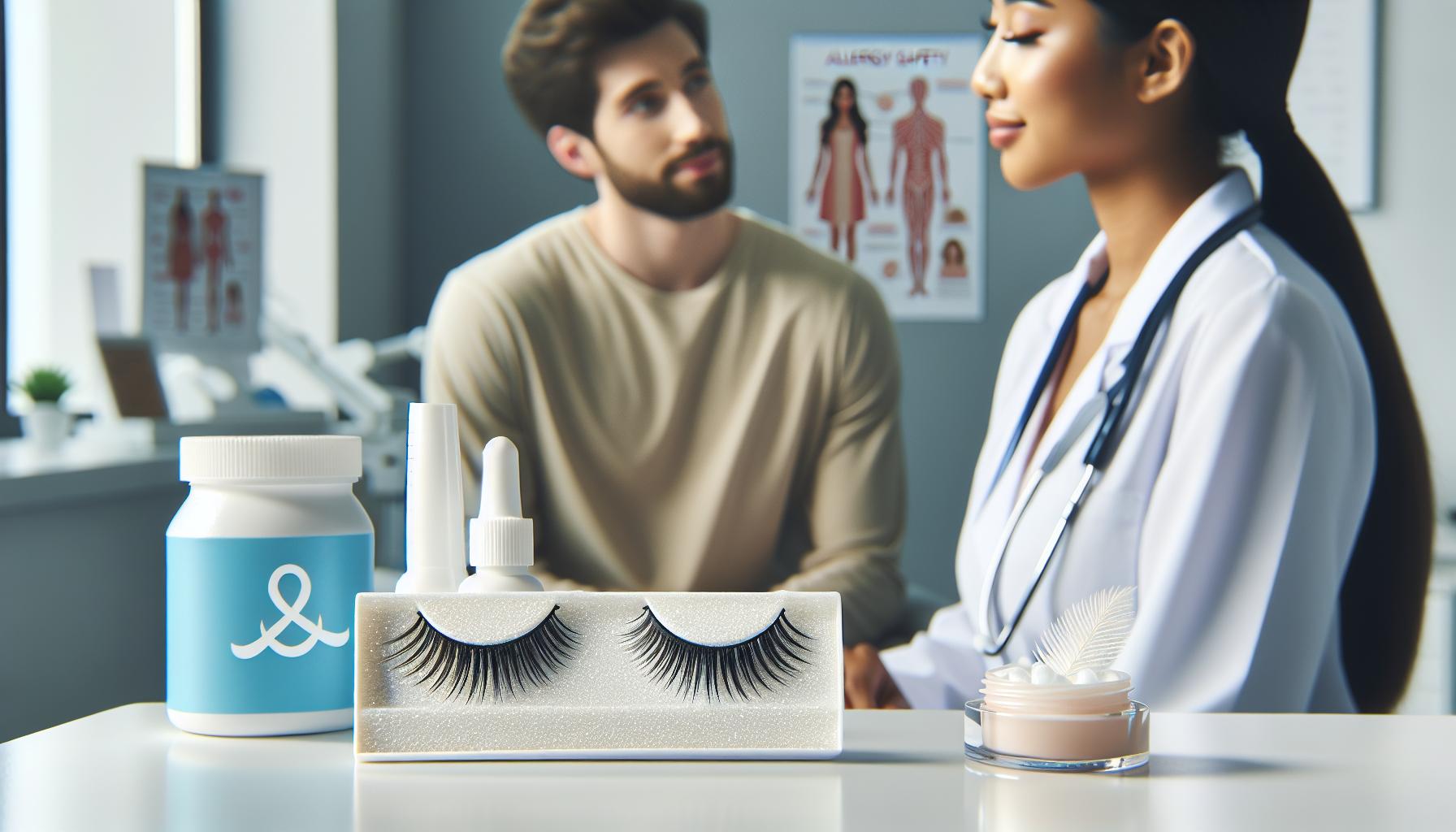
Causes of Eyelash Glue Allergies and Symptoms
Eyelash glue allergies can be a frustrating challenge, particularly for those who rely on eyelash extensions or false lashes to enhance their beauty. The primary culprits behind these allergic reactions are the ingredients found in many eyelash adhesives, particularly cyanoacrylate. This strong bonding agent, while effective for securing lashes, can trigger sensitivities or allergic responses in some individuals. Symptoms can manifest quickly, often appearing within minutes to hours after application, making it crucial to recognize these signs early.
Common symptoms of an eyelash glue allergy include redness, itching, swelling, and a burning sensation around the eyes. In more severe cases, individuals may experience watery eyes, conjunctivitis, or even rashes on the eyelids. Understanding these symptoms can empower individuals to act promptly, avoiding further complications. If you notice any of these signs, it’s advisable to immediately remove the lashes and flush the eyes with water. For those who frequently use eyelash products, keeping a close eye on any new or worsening symptoms can aid in identifying allergies before they escalate.
Being aware of these causes and symptoms not only helps in immediate cares but also in making informed choices moving forward. Consider opting for hypoallergenic eyelash glue options or consulting with a dermatologist if you have a history of sensitivities. Knowing what to look out for can lead to a more comfortable experience with lash enhancements, ensuring that beauty does not come at the cost of your eye health.
Recognizing Allergic Reactions in Your Eyes
Recognizing the signs of an allergic reaction in your eyes can be both urgent and challenging, especially for those who enjoy eyelash enhancements. An allergy to eyelash glue may manifest through various symptoms that can swiftly impact your comfort and daily activities. It’s essential to stay attuned to your body’s signals.
Common reactions may include redness and swelling around the eyes, accompanied by persistent itching or a burning sensation. These symptoms can escalate quickly, often within minutes to hours of applying the adhesive. You might also notice excessive tearing or even crustiness around the eyelids. In severe cases, skin rashes may develop, or the eyes could show signs of conjunctivitis, which could worsen without prompt attention. Understanding these reactions is the first step in managing them effectively.
If you suspect an allergic reaction, it’s crucial to act fast. Start by gently removing any lashes or extensions and rinsing your eyes with clean water to help alleviate irritation. Keeping a diary of when and how symptoms occur can be beneficial; it allows you to identify potential triggers related to certain brands or ingredients in eyelash glue. This proactive approach can assist in avoiding future allergic responses.
Being vigilant about your eye health is key. Consider consulting with a healthcare provider for tailored advice and possible allergy testing. The sooner you recognize the symptoms of an eyelash glue allergy, the sooner you can mitigate the discomfort and enjoy beauty treatments without worry.
Immediate Relief Measures for Irritated Eyes
Experiencing irritation in your eyes after using eyelash glue can be distressing, yet immediate and effective relief is within your reach. The first step is to remove any eyelash extensions carefully. This prevents further exposure to the irritant and can bring immediate relief from discomfort. Wash your hands thoroughly and use a gentle approach to avoid further irritation to the delicate skin around your eyes.
Once the lashes are off, rinse your eyes with clean, lukewarm water for at least 15 minutes. This can help flush out any remaining adhesive and soothe the irritation. If you have access to saline solution, this can also be beneficial for rinsing your eyes, as it mimics the natural moisture of your eyes and can help alleviate dryness.
To further combat the discomfort, you can apply a cold compress to the area around your eyes. Simply take a clean cloth, dampen it with cold water, and lay it over your eyes for 10-15 minutes. This cooling effect can significantly reduce swelling and provide soothing relief. If the irritation persists, artificial tears or lubricating eye drops can offer relief from any dryness or burning sensations, making your eyes feel more comfortable.
Lastly, if these measures do not improve your symptoms within a few hours, or if they worsen, it’s crucial to consult with a healthcare professional. They can provide guidance on effective treatments and may recommend antihistamines or other medications to help manage your allergic reaction effectively. Prioritizing your eye health during such situations empowers you to take control while ensuring your beauty routine remains enjoyable and safe.
Best Home Remedies for Eyelash Glue Allergy
Experiencing an allergic reaction to eyelash glue can be distressing, but there are several effective home remedies that can help alleviate the discomfort. These remedies not only provide immediate relief but also promote healing, allowing you to get back to your beauty routine without unnecessary delay.
To start, a simple yet powerful approach is to use natural soothing agents. Cold chamomile tea bags can work wonders; brew them, refrigerate, and then place them over your closed eyes for 10-15 minutes. Chamomile has anti-inflammatory properties that can reduce swelling and irritation. Another option is cucumber slices; their cooling effect can hydrate the skin and help soothe redness.
Another home remedy involves creating a saline solution. Mix one teaspoon of salt in a cup of clean, distilled water, and use this to gently rinse your eyes. The saline solution can help flush out allergens and soothe your irritated eyes. Additionally, maintaining hydration is crucial, so consider drinking plenty of fluids and incorporating omega-3 fatty acids into your diet to support overall skin and eye health.
For those seeking relief from dryness or irritation, applying aloe vera gel can be highly beneficial. This natural moisturizer has soothing properties, making it ideal for calming inflamed skin. Ensure you use pure aloe vera gel, free from added fragrances or dyes, to avoid further irritation. Just apply a small amount around the eyes and let it absorb.
Lastly, consider elevating your head while sleeping to promote drainage and reduce puffiness associated with allergic reactions. Using an extra pillow can minimize swelling, making your mornings more comfortable. Given the uniqueness of each allergic response, always proceed with caution and perform a patch test when trying new remedies. If symptoms persist or worsen, seeking professional help may be the best course of action.
When to Seek Professional Help for Eye Allergies
Experiencing persistent symptoms after using eyelash glue can be frustrating and concerning. Understanding when to consult a healthcare professional is vital for ensuring your eye health and overall well-being. If you notice severe symptoms such as significant swelling, intense redness, or a rash around your eyes, these may indicate a more serious allergic reaction that requires immediate attention. An allergic response can escalate quickly, and early intervention often leads to better outcomes.
Recognizing signs that go beyond mild irritation is crucial. If your eyes feel excessively itchy or painful, or if you experience blurred vision, you should seek help promptly. In some cases, individuals may also develop symptoms like persistent tearing or and hypersensitivity to light, which can disrupt daily activities and diminish quality of life. If over-the-counter remedies and home treatments prove ineffective within a day or two, don’t hesitate to consult a specialist who can provide targeted therapies or medications to alleviate symptoms.
Another factor to consider is the potential for secondary infections. If you observe any discharge, crusting, or increasing discomfort, it’s important to reach out to a healthcare provider. These symptoms can signal infection resulting from damaged skin or impaired eye function due to the allergy. Additionally, if this is not your first encounter with an eyelash glue allergy, consulting with an allergist can be beneficial. They can offer insights into specific triggers and suggest alternative products that are less likely to cause reactions, ensuring you can safely continue to enjoy your beauty routines.
In conclusion, while home care can be effective for mild symptoms, always prioritize your health and seek professional help when faced with severe or escalating symptoms. Your eyes are delicate, and taking the proactive step to consult a professional can help prevent further complications and provide peace of mind.
Preventing Future Eyelash Glue Reactions
To minimize the risk of future reactions to eyelash glue, it’s crucial to adopt a proactive approach every time you plan to enhance your lashes. One of the most effective strategies is to conduct a patch test before applying glue to your eyelids. By applying a small amount of adhesive to the inner arm or behind the ear, you can observe for any reactions 24 hours before your eyelash application. This simple step can serve as an early warning system for potential allergies.
Additionally, choosing high-quality products is essential. Not all eyelash glues are created equal, and many contain harsh chemicals that can aggravate sensitive eyes. Look for glues specifically labeled as hypoallergenic or formulated for sensitive skin. These products often avoid common irritants like formaldehyde and parabens, reducing the likelihood of adverse reactions. Consulting with beauty professionals about their recommendations can also guide you toward safer options.
Incorporating gentle application techniques can further mitigate risks. For instance, use a minimalist approach to glue application, ensuring that only a small amount is used and applied precisely. This limits exposure to your eyelids and minimizes the chances of glue running into the eyes. Moreover, refrain from using excessive force when removing lashes; opt for products designed for gentle removal, which reduces skin irritation and subsequent allergic response.
Lastly, maintaining a clean environment when applying eyelash extensions is key. Dust, dirt, and contaminants can worsen irritation and trigger allergic reactions. Ensure all tools are sanitized and your workspace is free from potential allergens before starting your beauty routine. By putting these practices in place, you can enjoy beautiful lashes without the burden of allergic reactions, embracing an effective and safer beauty routine.
Choosing Hypoallergenic Eyelash Glue Options
Choosing the right eyelash glue can significantly impact your overall experience with eyelash extensions, especially if you’re prone to allergies. Opting for hypoallergenic eyelash glue is not just a recommendation but a necessary step for those who have sensitive eyes or a history of allergic reactions. Hypoallergenic formulas are specifically designed to minimize the risk of irritation, often omitting harsh chemicals like formaldehyde and parabens that are commonly found in regular glues. By selecting a glue tailored for sensitive individuals, you can enjoy the beauty of eyelash extensions without the worry of adverse reactions.
When searching for hypoallergenic options, look for products backed by dermatological testing, or those that come with a dermatologist’s approval. Brands that focus on high-quality ingredients typically provide better results for individuals with sensitivities. Check labels carefully and seek glues that mention they are “free from irritants” or specifically state their suitability for sensitive areas. Speaking with a professional beautician can also offer insights into the best products for your situation, as their recommendations can enhance your safety during application.
To further reduce risk, consider conducting a patch test even with hypoallergenic products. Apply a small amount of the glue to the inner wrist or another less sensitive area and wait 24 hours to see if any irritation occurs. This simple precaution can alert you to any potential issues before you apply it near your eyes.
In addition to these strategies, combine your choice of glue with low-irritation application techniques. A gentle hand during the application process, along with using minimal glue, can significantly decrease the risk of the product interacting negatively with your skin and eyes. By taking the time to choose carefully and apply gently, you can protect your eye health while enjoying beautiful lashes that enhance your look.
Long-Term Care for Eye Health Post-Allergy
Your eyes are not just windows to your soul; they also reveal your overall health. After experiencing an eyelash glue allergy, it’s essential to adopt a comprehensive approach to long-term eye health. This ensures not only relief from current symptoms but also the prevention of future reactions.
To start, maintain a consistent regimen of gentle eye care. Use a mild, hypoallergenic cleanser suitable for sensitive skin to wash your eyelids daily. This helps remove any residual glue or allergens that could cause irritation. Additionally, incorporating cooling compresses made from chamomile tea bags or aloe vera gel can soothe any lingering inflammation. Regularly applying artificial tears can also keep your eyes moisturized and alleviate dryness, which can exacerbate irritation.
Regular Check-Ups
Schedule regular visits to your eye care specialist. They can monitor your eye health and provide personalized recommendations post-allergy. Keep them informed about any new products you plan to use, especially cosmetics or eye care items. This helps them identify potential irritants specific to your sensitivities.
Nourishing Your Eyes
Don’t forget the impact of nutrition on eye health. Incorporate foods rich in omega-3 fatty acids, antioxidants, and vitamins A, C, and E into your diet. These nutrients not only support overall eye function but also help in repairing any damage that may have occurred due to previous allergies.
Creating an Allergy-Free Environment
Moreover, modifying your living space can significantly help. Reduce exposure to common allergens like dust and pet dander, which could worsen your sensitivity. Regular cleaning and maintaining optimal humidity levels can create a more soothing environment for your eyes.
By following these recommended practices, you can significantly enhance your eye care regimen and promote long-term eye health after an allergic reaction to eyelash glue. Remember that each person’s sensitivities can differ, so it’s crucial to tailor your approach to your unique needs and to seek continuous guidance from professionals. Empower yourself with knowledge and care, ensuring your eyes always reflect not only beauty but also health.
Understanding the Ingredients in Eyelash Glue
Eyelash glue is essential for those who want to achieve a glamorous look with extensions or false lashes, but understanding its ingredients can help you mitigate the risk of allergic reactions. Many popular eyelash adhesives contain a combination of cyanoacrylate compounds, which are fast-drying adhesives that bond the lashes securely. However, these compounds, while effective, can also be potent irritants for sensitive individuals. Often, they are combined with additional ingredients like formaldehyde or resins, which can exacerbate allergy symptoms in some users.
To better navigate the world of eyelash adhesives, pay close attention to product labels. Ingredients to watch for include:
- Cyanoacrylate: The main bonding agent that provides a strong hold but may cause reactions in sensitive individuals.
- Formaldehyde: Sometimes used as a preservative, it can lead to irritation or allergic reactions.
- Resins and polymers: These can enhance the adhesive’s effectiveness but may contribute to allergy risk.
- Fragrances: Addition of scents can cause discomfort for those with allergy sensitivities.
Seek out hypoallergenic options that specifically state they are free from harsh chemicals and irritants. Many brands now offer formulations made with gentle, skin-friendly ingredients designed to minimize adverse reactions. Testing a small amount of the glue on your skin prior to application can help identify potential allergic reactions before you apply it around your eyes.
Education about these ingredients empowers you to make wise choices, ultimately protecting your eye health. If you’re prone to allergies, it may be time to switch to a reputable product formulated for sensitive skin or consult with a specialist who can recommend suitable options. Remember, vigilance in ingredient awareness can go a long way in maintaining both beauty and comfort.
Alternative Beauty Solutions for Sensitive Eyes
For those struggling with eyelash glue allergies, discovering alternative beauty solutions can transform irritation and frustration into comfort and confidence. Imagine achieving stunning eye looks without the distress of allergic reactions. You don’t need to feel limited by traditional methods; there are effective options to explore that cater to sensitive eyes.
One popular alternative is using magnetic lash systems. These lashes are applied with tiny magnets rather than glue, significantly reducing the risk of allergic reactions. They come in various styles and can be reused, making them both a cost-effective and healthy choice. To apply, simply sandwich your natural lashes between the top and bottom magnetic bands. It’s a hassle-free option that allows you to enjoy beautiful lashes without exposure to potentially irritating adhesives.
Another option worth considering is lash serums formulated to enhance your natural lashes. These serums often contain nourishing ingredients like biotin and peptides, which promote growth and thickness without the need for extensions or heavy makeup. Regular use can lead to naturally fuller, healthier-looking lashes that require little to no additional enhancement. When selecting a lash serum, opt for those labeled hypoallergenic and free from harsh chemicals, making sure they suit your sensitivity needs.
For those who prefer a more immediate approach without the use of lashes, consider using mascara specifically designed for sensitive eyes. Many brands now offer formulas that are ophthalmologist-tested and free from common irritants, which can add volume and length without causing discomfort. Look for options labeled as hypoallergenic, fragrance-free, and suitable for contact lens wearers to ensure the best experience for your delicate eye area.
Lastly, always keep in mind that consulting a dermatologist or an allergist can provide you with personalized insights and recommendations tailored to your specific needs. They can suggest products that are safer for your skin type and diagnose any allergies accurately, giving you peace of mind as you explore alternative beauty methods. By choosing carefully and embracing these adaptations, you can enjoy beautiful results without compromising your comfort and health.
Tips for Safe Eyelash Application Techniques
Applying eyelash extensions or falsies can be a beautiful enhancement, but for those with sensitivities or prior allergic reactions, safety during application is paramount. Understanding the technique can not only prevent irritations but ensure the beauty of the lashes is maintained without discomfort. Here are several strategies to consider for a safer application experience.
First, always prioritize hygiene. Begin by thoroughly washing your hands and ensuring that the application area is clean. Using sanitized tools can prevent the introduction of bacteria, which could exacerbate any allergic reactions. Additionally, clients should ensure their lashes are clean and free from makeup, oils, or residues before application. This not only improves adhesion but also minimizes irritation.
Another essential tip is to patch-test any new adhesive prior to full application. Apply a small amount of the glue to a discreet area near the eye, and wait 24 hours to see if any reaction occurs. This simple step can save you from significant discomfort or an allergic reaction during the full application. Use products specifically labeled as hypoallergenic, as many traditional glues contain harsh chemicals that can trigger sensitivities.
Communication with your technician is key. If you’ve had reactions in the past, let them know as they might offer specialized techniques or products tailored to your needs. They can customize the application process to avoid areas that may have been overly sensitive and suggest alternatives like finer lashes or less adhesive in sensitive areas.
Lastly, consider the environment during the application. Opt for well-ventilated spaces to help dissipate fumes, particularly if you’re sensitive to certain smells.
Taking these precautions assures not only your comfort but can also transform the application process into a more enjoyable experience while allowing you to proudly flaunt your beautiful lashes.
Lifestyle Changes to Minimize Allergies
Making lifestyle changes can significantly minimize the impact of eyelash glue allergies and enhance overall eye health. One effective approach is to reevaluate your beauty regimen. For instance, consider eliminating products with harsh chemicals or artificial fragrances, which can exacerbate sensitivities. Instead, opt for natural alternatives in your makeup and skincare routines. Ingredients like aloe vera and chamomile can be soothing and help prevent irritation.
Another important change involves your environment. Dust and allergens in the air can trigger or worsen eye allergies, so maintaining a clean and dust-free living space is essential. Regular vacuuming, using air purifiers, and keeping windows closed during high pollen seasons can help create a more comfortable atmosphere. Hydration is also key; drinking plenty of water not only keeps your body hydrated but can also support the overall health of your skin and eyes.
Stress management is another crucial factor in minimizing allergic reactions. High-stress levels can weaken the immune system, making you more susceptible to allergies. Incorporating mindfulness practices such as yoga, meditation, or deep-breathing exercises can significantly reduce stress. Engaging in regular physical activity is beneficial as well, promoting better overall health and helping to maintain a balanced immune response.
Additionally, paying attention to your diet can make a difference. Foods rich in omega-3 fatty acids, such as fish and flaxseeds, as well as fruits and vegetables high in vitamins C and E, can help reduce inflammation and support skin and eye health. Keeping a food diary can help identify any potential food sensitivities that might contribute to your allergic reactions.
By implementing these lifestyle changes, you can empower yourself to manage your eyelash glue allergies effectively while also promoting a general sense of well-being. Prioritizing your health and comfort will lead you to a more enjoyable beauty experience.
Faq
Q: What are the symptoms of an eyelash glue allergy?
A: Symptoms of an eyelash glue allergy typically include redness, itching, swelling, and irritation around the eyes. These reactions may occur immediately after application or develop over time. If you experience severe symptoms such as blistering or severe discomfort, seek medical attention promptly.
Q: How can I quickly relieve irritation from eyelash glue?
A: For fast relief from eyelash glue irritation, rinse your eyes gently with saline solution or clean water. Apply a cool compress to reduce swelling, and consider using over-the-counter antihistamines to alleviate itching. If symptoms persist, consult a healthcare professional for further advice.
Q: Can I use makeup after having an allergic reaction to eyelash glue?
A: It’s best to avoid using makeup until your symptoms have completely resolved. Applying makeup, including mascara or eyeshadow, can exacerbate irritation. Focus on soothing the area with home remedies or prescribed treatments before resuming your beauty routine.
Q: What are safe alternatives to traditional eyelash glue?
A: Hypoallergenic eyelash glues are a safer alternative for individuals with sensitivities. Look for products labeled as “formaloe-free” or “sensitive skin-friendly.” Always perform a patch test before full application to ensure compatibility with your skin.
Q: How long do allergic reactions to eyelash glue last?
A: The duration of an allergic reaction to eyelash glue can vary. Mild reactions may fade within a few hours, while more severe responses could take several days to resolve. If a reaction lasts longer than a few days, consult a healthcare provider for assessment and treatment options.
Q: What should I do if my eyes swell after eyelash extension application?
A: If your eyes swell after applying eyelash extensions, remove them immediately if possible and rinse your eyes with cool water. Applying a cold compress can help reduce swelling. If the reaction worsens or doesn’t improve within a few hours, contact a healthcare professional.
Q: How can I prevent future allergic reactions to eyelash glue?
A: To prevent future allergic reactions, choose hypoallergenic products and avoid those containing formaldehyde or latex. Always perform a patch test before applying adhesive near your eyes. Additionally, take breaks from eyelash extensions to allow your skin to recover.
Q: Are there any specific lifestyle changes to help manage eyelash glue allergies?
A: Yes, maintaining a clean skincare routine and ensuring your eyelash tools are sanitized can reduce allergy flare-ups. Additionally, consider a balanced diet rich in omega-3 fatty acids and antioxidants to support skin health, which may help mitigate allergic responses over time.
Key Takeaways
If you’re dealing with an eyelash glue allergy, know that relief is within reach! By following the steps outlined in this guide, you can soothe your irritated eyes and restore your comfort. Don’t let allergies hold you back-consider seeking expert advice or trying hypoallergenic lash products to prevent future irritation. For more insights, check out our articles on “Choosing the Right Eyelash Products” and “Top Remedies for Eye Irritation” to enhance your beauty routine without the risk.
Act now to safeguard your eye health and explore our extensive resources that can empower your next steps in beauty care. Share your experiences or questions in the comments below, and remember to subscribe to our newsletter for ongoing tips and updates. Together, we can navigate eyelash care safely and effectively, ensuring your eyes remain as beautiful as they are healthy!