


Waking up with itchy eyes, sneezing, or congestion can feel like a cruel start to the day, especially for those who suffer from allergies. Many people wonder: are allergies worse in the morning? Understanding the causes of morning allergy flare-ups is crucial for managing symptoms and enhancing daily comfort.
As pollen levels rise overnight and indoor allergens like dust mites accumulate, mornings can become particularly challenging. This article delves into why your allergies might be more aggressive at the start of the day and offers practical solutions to ease your symptoms, helping you seize the day with less discomfort. With the right knowledge and strategies, it’s possible to wake up feeling refreshed instead of ravaged by allergies. Keep reading to uncover effective tips that can transform your mornings and improve your quality of life.
Are Allergies Worse in the Morning? Understanding the Early Symptoms
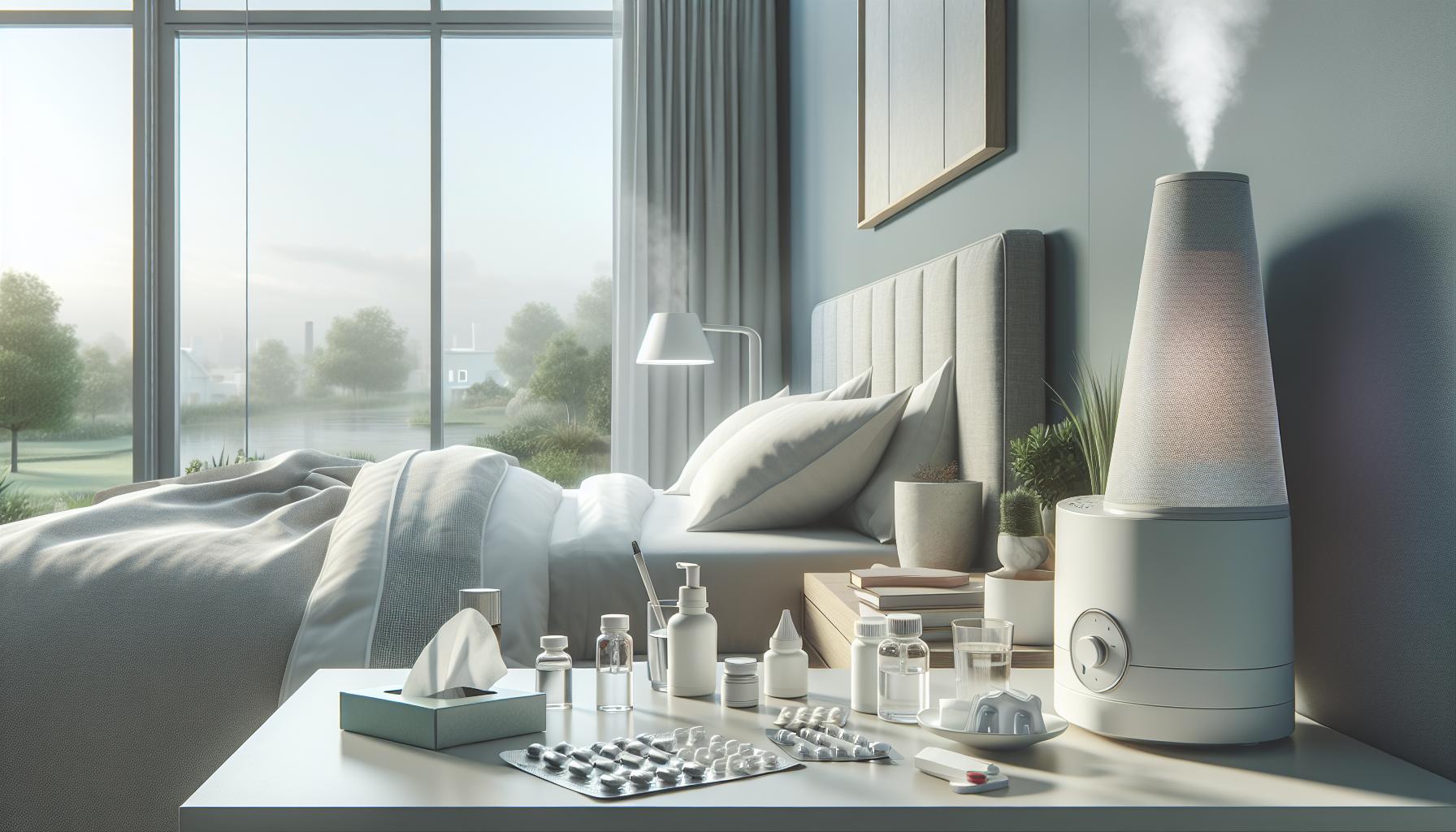
While many people look forward to the morning as a fresh start to the day, for millions suffering from allergies, this time can be laden with challenges. It’s common for allergy sufferers to experience heightened symptoms upon waking, a phenomenon driven by several factors including indoor allergens that accumulate while we sleep. Dust mites, pet dander, and mold spores are often at their peak in the early hours, leading to a cascade of uncomfortable reactions. Understanding this can empower individuals to manage their symptoms more effectively and begin the day with greater ease.
Morning allergy symptoms often manifest in various forms: nasal congestion, sneezing, itchy eyes, and even headaches. These symptoms arise as the body reacts to allergens that can linger on bedding, pillows, and carpets. For instance, if your sleep environment isn’t well maintained, you might find yourself waking up with a stuffy nose or itchy throat, significantly impacting your mood and productivity for the day ahead. Recognizing these patterns is crucial; monitoring your symptoms can help identify specific triggers that worsen upon waking.
To address these early morning challenges, consider implementing practical steps to mitigate exposure to allergens during the night. Regularly washing bed linens in hot water, using hypoallergenic pillow and mattress covers, and ensuring your bedroom is well-ventilated can significantly reduce the presence of allergens. Moreover, using an air purifier designed for allergens can enhance your sleep environment and improve your overall morning experience. By taking proactive measures, you can reclaim your mornings and enjoy them free from the burden of allergy symptoms.
The Science Behind Morning Allergy Symptoms
Waking up to a stuffy nose or sneezing fits can feel like a cruel joke when you’re trying to start your day on the right foot. For many people, morning allergy symptoms are not merely an inconvenience but a daily struggle that can set a negative tone for the day ahead. This phenomenon is often attributed to the body’s intricate response to allergens that accumulate overnight. During the hours of rest, common triggers such as dust mites, pet dander, and mold spores can proliferate, leading to an unusual spike in symptoms as you transition from the restful state of sleep to wakefulness.
The human immune system operates on a delicate clock, and during the night, you might be more sensitive to specific allergens. At night, allergens can become airborne and more easily inhaled when you move around or when there is a drop in airflow as your home cools down. Each breath can increase your exposure, particularly if your sleeping area is not properly maintained. While you sleep, your body also undergoes various physiological changes, including changes in hormone levels and the regulation of inflammation, which can heighten your sensitivity to allergens.
To combat these morning allergy challenges, it’s essential to understand the specific triggers at play. Regular cleaning routines can effectively reduce allergen levels in your sleeping environment. For instance, washing your sheets and pillowcases in hot water once a week can help eliminate dust mites, while using allergen-proof covers on pillows and mattresses can create a barrier against exposure. Furthermore, ensuring good airflow in your bedroom-by keeping windows open when possible or using an air purifier-can drastically improve indoor air quality and your overall comfort upon waking.
Moreover, consider the timing of your medication. If you suffer from perennial allergies, taking antihistamines before bed can help minimize morning symptoms. Consulting with a healthcare provider about personalized strategies for managing your allergies can also make a significant difference. Initiating these proactive measures can empower you to reclaim your mornings and enjoy a fresh start instead of dreading the onset of allergy symptoms.
Common Morning Triggers for Allergies
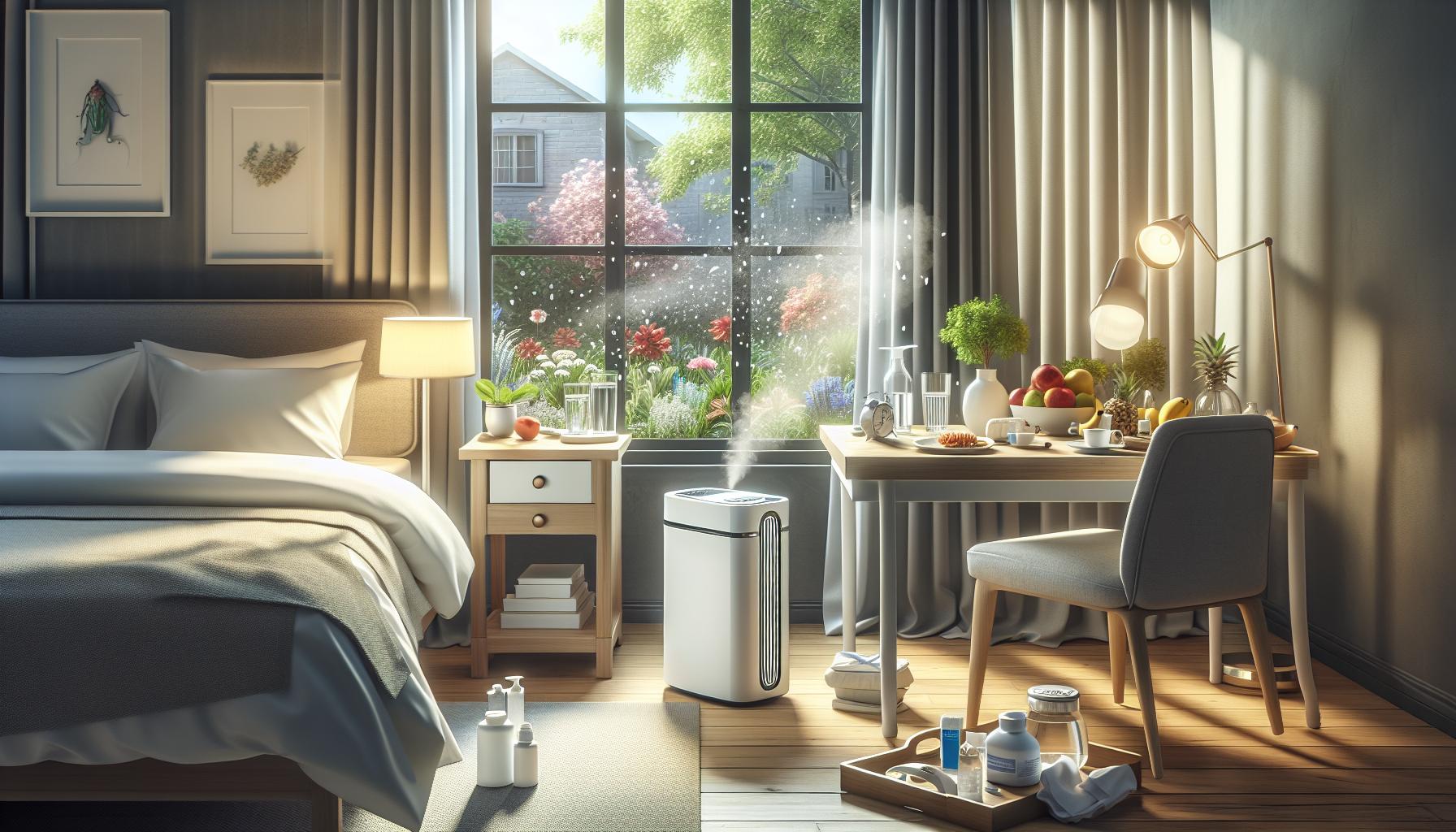
Waking up with a congested nose or itchy eyes is a reality for many individuals, but what causes these distressing symptoms? One major factor that plays a critical role in morning allergy flare-ups is the range of allergens present in our environment while we sleep. During the night, common irritants like dust mites, pet dander, and mold spores can accumulate and become significantly more concentrated, leading to heightened sensitivity upon waking. Understanding these triggers can help empower allergy sufferers to find relief.
Key Morning Allergy Triggers
- Dust Mites: These microscopic creatures thrive in warm, humid environments like beds and upholstery. They feed on dead skin cells and can proliferate in bedding, pillows, and carpets. Regularly washing bedding in hot water and using dust mite-proof covers can mitigate this issue.
- Pet Dander: For pet owners, fur and skin flakes can be significant allergens. Even if pets are kept out of bedrooms, dander can spread throughout the home. Regular bathing of pets and frequent vacuuming using a HEPA filter can help reduce allergic reactions.
- Mold Spores: Molds thrive in damp areas of the home, such as bathrooms and basements, but can also accumulate in bedding or any fabric. Ensuring good ventilation and using a dehumidifier in high-humidity areas can reduce mold growth.
- Pollen: Depending on the season, outdoor pollen levels can peak in the early morning. Keeping windows closed and using air conditioning can help prevent pollen from entering your home, especially during high pollen seasons.
- Indoor Air Quality: Poor indoor air quality can exacerbate allergies. Common sources of pollutants include tobacco smoke, household cleaning products, and even off-gassing from furniture. Utilizing air purifiers and committing to non-toxic cleaning supplies can provide a healthier environment.
By understanding these triggers, individuals can take actionable steps to reduce their exposure. Maintaining a clean and allergen-free zone can significantly improve morning experiences and set a positive tone for the rest of the day. Through everyday cleaning practices and lifestyle adjustments, relief is within reach.
How Sleep Patterns Impact Allergies
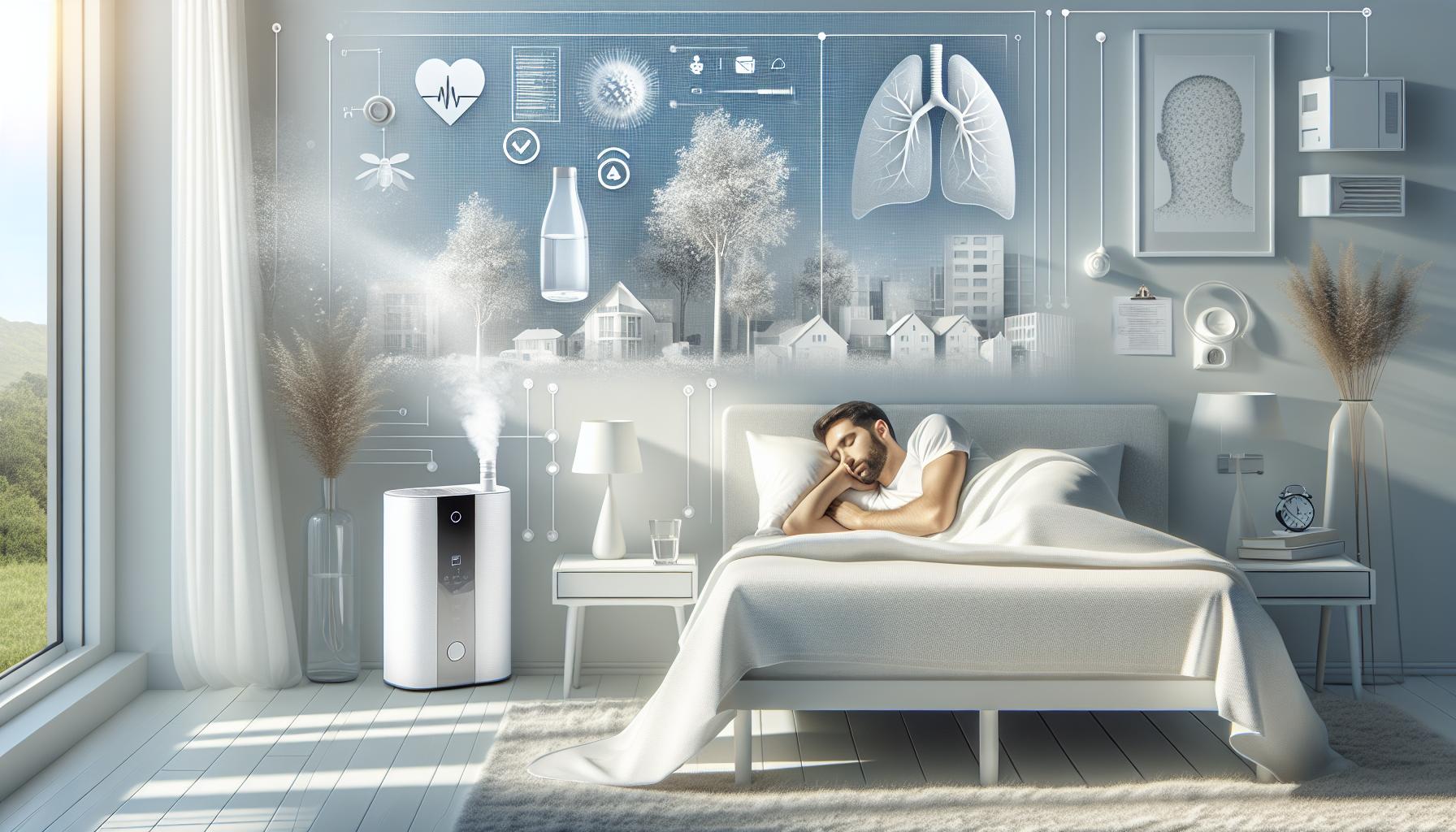
Sleep patterns play a critical role in the severity of allergies, especially in the morning. When individuals experience disrupted or insufficient sleep, their immune systems can become hyper-reactive, making them more susceptible to allergens. Studies have shown that poor sleep quality can increase histamine levels in the body, which may exacerbate allergy symptoms such as nasal congestion, sneezing, and itchy eyes. It’s essential to recognize that the restorative phases of sleep are crucial for immune regulation. Lack of adequate rest might not only trigger allergies but can also increase overall sensitivity to allergens.
To mitigate the impact of sleep on allergies, it’s vital to establish a consistent sleep routine. Aim for 7 to 9 hours of quality sleep per night, ideally maintaining a regular sleep schedule by going to bed and waking up at the same time each day. Using a comfortable mattress and pillows, along with hypoallergenic bedding, can significantly reduce exposure to allergens during the night. Keeping the bedroom dark, cool, and quiet can also help enhance sleep quality, which in turn can reduce allergy symptoms.
Another aspect of sleep that influences morning allergies is the sleeping environment itself. A cluttered bedroom can harbor dust and pet dander, while high humidity levels encourage mold growth – both of which can worsen allergies. Regularly cleaning the bedroom, using an air purifier, and ensuring proper air circulation can create a more conducive environment for alleviating allergy symptoms. Furthermore, limit screen time before bed to improve sleep quality; the blue light emitted from devices can interfere with the body’s natural sleep cycle.
In conclusion, understanding the relationship between sleep patterns and allergies can empower individuals to take actionable steps towards improving their morning comfort. By prioritizing good sleep hygiene and a clean sleeping environment, allergy sufferers can reduce the severity of their symptoms and enjoy a more restful night of sleep, leading to better mornings.
Effective Strategies to Alleviate Morning Allergies
Navigating the challenges of morning allergies can often feel like a daunting task, especially when waking up to sneezing, congestion, or itchy eyes becomes the norm. However, there are practical and effective strategies you can implement to help alleviate these frustrating symptoms and reclaim your mornings.
One beneficial approach is establishing a solid morning routine. Begin your day with a glass of water to help thin mucus, making it easier to breathe. Incorporate gentle stretching or light exercise to stimulate circulation and promote better airflow in your nasal passages. Following your morning routine with a warm shower can also aid in soothing symptoms, as the steam helps to open up airways and can relieve nasal congestion.
Enhance Your Indoor Environment
Creating a welcoming and allergen-reduced indoor environment is crucial. Start by addressing potential allergen sources in your home. Invest in high-quality air purifiers equipped with HEPA filters, which can effectively trap airborne allergens like pollen, dust mites, and animal dander. Regularly wash bedding in hot water and use encasements on pillows and mattresses to minimize exposure to dust mites.
Furthermore, consider controlling humidity levels within your space. Maintaining humidity between 30% and 50% can prevent the growth of mold and reduce dust mites. Dehumidifiers can be a valuable asset in areas prone to moisture, keeping your living environment comfortable and allergen-free.
Utilizing Medications Wisely
For many, over-the-counter medications such as antihistamines can provide swift relief. When taken before bed, they can diminish the severity of symptoms upon waking. In cases of more severe allergies, consulting with a healthcare provider about prescription options or allergy shots may be warranted. It’s also helpful to keep a personal health diary to track your symptoms and treatments, ensuring you find the right match for your individual needs.
Adaptation to environmental changes is an ongoing process. As seasons shift, so do the allergens in the air, which can influence morning symptoms. Staying informed about local pollen counts and avoiding outdoor activities during peak times can significantly decrease exposure. By taking these proactive steps, you can transform your mornings from a struggle against allergies into a time of renewed energy and clarity.
Medications and Natural Remedies for Morning Allergies

Mornings can often be a battleground for allergy sufferers, with symptoms like sneezing, congestion, and itchy eyes making waking up a challenge. Fortunately, both medications and natural remedies provide powerful tools for managing these frustrating morning allergies, offering you a chance to regain control and enjoy your day right from the start.
Understanding Medications
Over-the-counter antihistamines are a common go-to for many, as they can provide quick relief from allergy symptoms. Options such as cetirizine and loratadine can be particularly effective when taken in the evening, helping to mitigate those morning symptoms as they take effect overnight. Nasal corticosteroids, like fluticasone, can also be a game changer; they work by reducing inflammation in the nasal passages and are best used daily for consistent relief. For more severe cases or if symptoms persist, consulting a healthcare provider about prescription-strength options or allergy shots may be advisable.
Embracing Natural Remedies
In addition to conventional medications, various natural remedies can complement your routine and ease morning allergies. For instance, saline nasal rinses can help flush out allergens and mucus, providing immediate relief for congested nasal passages. Incorporating local honey into your diet may gradually increase your body’s tolerance to local pollen, although this is more of a long-term strategy. Other options include herbal supplements such as butterbur, which has shown promise in alleviating allergy symptoms, but it’s essential to discuss these with a healthcare provider before starting.
Practical Tips for Relief
Integrating lifestyle changes can significantly enhance your morning experience. Here are some actionable strategies:
- Keep windows closed during high pollen seasons to limit exposure.
- Shower in the morning to wash away any allergens that may have accumulated overnight.
- Use hypoallergenic bedding and wash it regularly to minimize dust mites.
- Stay hydrated to thin mucus and reduce congestion.
Recognizing that each individual responds differently to treatments is crucial. Keeping a symptom diary can help track which methods work best for you, allowing for a more personalized approach to managing your morning allergies. With these tools and strategies at your disposal, you can transform those challenging mornings into opportunities for renewed energy and well-being.
Creating an Allergen-Free Morning Environment
Creating a comfortable, allergen-free morning environment can significantly impact how you feel when you wake up. By addressing common allergens found in homes, you can reduce the likelihood of waking up with congestion, sneezing, or itchy eyes. Many allergy sufferers are unaware that the environment they create while sleeping plays a pivotal role in triggering their symptoms the following day.
Start by ensuring your bedroom is a sanctuary from allergens. Invest in hypoallergenic bedding, including pillowcases and mattress covers that are resistant to dust mites and other allergens. Regularly wash your bedding in hot water (at least 130°F or 54°C) to eliminate any dust mite buildup. Additionally, consider using air purifiers equipped with HEPA filters that can capture small particles, including pollen, dust, and pet dander, providing cleaner air while you sleep.
It’s also crucial to consider indoor humidity levels. Keeping humidity between 30% and 50% can discourage dust mite growth and mold, both common allergens. Using a dehumidifier can help maintain these levels, especially during humid months. Be proactive about cleaning surfaces as well; routine dusting and vacuuming with a vacuum that has a HEPA filter can significantly cut down on allergens present in your environment.
Lastly, implementing a no-shoes-in-the-house policy can prevent outdoor allergens from creeping into your sanctuary. A simple shoe rack near the entrance encourages family members and guests to leave their shoes at the door, minimizing the pollutants tracked into the home. By taking these steps, you can create a morning environment that fosters health and well-being, allowing you to start your day without the burden of allergy symptoms.
The Role of Indoor Air Quality in Allergy Management
Creating a healthy living environment is crucial for those plagued by morning allergies, as the air quality indoors significantly affects symptoms. Studies show that indoor air can be up to five times more polluted than outdoor air, leading to a host of issues for sensitive individuals. Factors such as dust mites, pet dander, mold, and pollen can accumulate overnight, only to exacerbate allergy symptoms in the morning when you wake up. Understanding how to manage indoor air quality can make a significant difference in alleviating discomfort.
To begin improving air quality, consider investing in high-efficiency particulate air (HEPA) filters for your HVAC system or using stand-alone air purifiers. These devices effectively capture allergens, reducing their concentration. Regular maintenance, such as changing filters and ensuring the systems are clean, is also essential for optimal performance. Additionally, incorporating houseplants, like peace lilies and spider plants, can help purify the air naturally, though it’s important to choose plants that are not known allergens themselves.
Maintaining appropriate humidity levels is another powerful tool in fighting allergens. High humidity encourages mold growth and dust mites, two common triggers for allergy sufferers. Using a dehumidifier can help keep indoor humidity between 30% and 50%, reducing these allergens’ presence. Consider monitoring humidity levels regularly with a hygrometer, adjusting as needed to promote a healthier home environment.
By taking these proactive measures, individuals can greatly improve their indoor air quality, leading to a clearer, more comfortable morning. Creating a sanctuary free from allergens not only helps alleviate immediate symptoms but also promotes long-term health and well-being. Making these adjustments can empower allergy sufferers to reclaim their mornings with renewed vigor, transforming how they start each day.
When to Seek Professional Help for Allergies
Many individuals with allergies may experience exacerbated symptoms in the morning, often leading to a question that weighs heavily on their minds: when should I seek professional help? Understanding the right moment to consult a healthcare provider can be pivotal in managing your symptoms and improving your quality of life. If you find that your morning allergy symptoms-such as sneezing, congestion, or red, itchy eyes-are consistently severe, it might be time to consider professional evaluation. Allergies that trigger debilitating reactions, even after making environmental changes and trying over-the-counter remedies, may indicate that you require a more tailored treatment approach.
For many, the urgency to seek assistance grows when symptoms begin to interfere with day-to-day activities. Are you waking up exhausted due to disrupted sleep caused by nighttime allergy flare-ups? Do you notice that your coping strategies, such as antihistamines or home remedies, are no longer effective? If your strategy isn’t working, there could be underlying complexities such as asthma, sinus infections, or other related issues that necessitate the expertise of an allergist or a healthcare professional. It’s important to advocate for yourself; never hesitate to discuss persistent or worsening symptoms with a doctor.
Furthermore, specific signs warrant immediate medical attention. These include but are not limited to:
- Severe difficulty breathing or wheezing
- Swelling of the face, lips, or throat
- Rapid heartbeat or a feeling of impending doom
- Symptoms that don’t respond to typical treatments
These symptoms may signal a more serious allergic reaction, such as anaphylaxis, which requires urgent care.
Consultation with a healthcare professional allows for a comprehensive evaluation that may include allergy testing, a review of your medical history, and possibly a referral to a specialist. Armed with this information, you can create a targeted action plan, which might entail prescription medications, immunotherapy, or other advanced treatments designed to minimize your morning miseries. Remember, you are not alone in navigating the challenge of allergies; seeking professional guidance is a proactive step toward reclaiming those precious morning hours and enhancing your overall well-being.
Lifestyle Changes to Reduce Morning Allergy Severity
Making simple lifestyle adjustments can significantly alleviate morning allergy symptoms and enhance your overall well-being. A proactive approach to your daily routine can equip you to tackle allergens right from the start of your day. For instance, consider adjusting your sleeping arrangements. Washing your sheets in hot water weekly, and using allergen-proof covers for pillows and mattresses can substantially reduce exposure to dust mites-common culprits for morning allergies. Additionally, maintaining low humidity in your bedroom can discourage mold growth.
Morning routines can also play a crucial role in managing allergy symptoms. Try to limit outdoor exposure early in the day, especially during high pollen seasons. When you do go outside, wearing sunglasses can help protect your eyes from allergens. Upon returning indoors, make it a habit to change clothes and shower to wash away any pollen that may have clung to you, thereby reducing the risk of allergen ingestion or inhalation внутри your home.
Smart Home Adjustments
Creating a healthier indoor environment can drastically lessen allergic reactions. Investing in a high-efficiency particulate air (HEPA) filter for your home can effectively trap airborne allergens. Regular cleaning with a vacuum equipped with a HEPA filter, dusting surfaces with damp cloths, and ensuring good airflow in your living space can also minimize dust buildup. Consider placing air purifiers in your bedroom to filter the air while you sleep, ensuring you wake up breathing cleaner air.
Lastly, consider your morning intake. Staying hydrated and possibly integrating anti-inflammatory foods into your breakfast can support your immune system. Foods rich in omega-3 fatty acids, like chia seeds or walnuts, can be beneficial. Regularly drinking warm beverages, such as herbal tea, can help soothe irritated nasal passages and may offer relief from congestion. These small yet impactful changes can reframe your morning experience, empowering you to face the day with renewed energy and reduced allergy challenges.
Understanding Seasonal Variations in Morning Allergies
As the seasons change, so too do the triggers for morning allergies, prompting many people to experience intensified symptoms at different times of the year. For instance, while spring is often celebrated for its blooms, it also unleashes a wave of pollen from trees and flowers that can wreak havoc on sensitive individuals. Morning exposure to these allergens can be particularly pronounced because pollen counts tend to be higher during the early hours. During this time, stagnant air allows pollen to collect close to the ground, increasing the likelihood of inhalation as we step outside to greet the day.
Common Seasonal Allergens:
- Spring: Tree pollens (maple, oak, and birch) are primary culprits.
- Summer: Grass pollen becomes prevalent, with species such as Bermuda and Timothy grass causing widespread discomfort.
- Fall: Ragweed is notorious for spreading its pollen, often continuing well into November, which can overlap with other allergens.
- Winter: Indoor allergens, like dust mites and mold, can exacerbate conditions as people stay indoors more frequently.
Understanding these patterns can empower allergy sufferers to take proactive measures. For instance, monitoring local pollen forecasts can help you plan your outdoor activities. If you know that pollen levels will be high, consider taking allergy medications before heading out and limiting exposure during peak times, typically early mornings. Additionally, keeping windows closed at night and using air purifiers indoors can help filter out allergens and reduce your symptoms when you wake up.
It’s also worthwhile to note that changes in lifestyle and behavior in different seasons can affect allergy outcomes. For instance, those who engage in gardening or outdoor sports may unknowingly increase their exposure to allergens during peak times, making it essential to modify habits accordingly. Incorporating a daily routine that includes showering and changing after outdoor activities can drastically reduce the number of allergens you bring into your home, therefore providing a more comfortable morning experience. By remaining vigilant and adjusting your strategies as your environment changes, you can navigate through the seasonal variations in allergies with greater ease.
Real-Life Experiences: Managing Morning Allergy Challenges
Experiencing morning allergies can be a frustrating way to start the day, often leaving individuals feeling foggy, congested, and fatigued. Many allergy sufferers share similar encounters each sunrise, making it a universal struggle that feels isolating. One common story comes from Jenna, a 32-year-old suburbanite who finds herself sneezing and struggling to breathe every time spring rolls around. She discovered that her discomfort peaked around dawn, coinciding with her local pollen counts rising as the sun began to warm the air. By recognizing this pattern, Jenna implemented a few strategies that not only helped reduce her symptoms but also improved her overall quality of life.
Creating a daily morning routine that accounts for environmental factors can significantly mitigate the impact of allergies. For Jenna, this meant adjusting her habits by keeping windows tightly shut during the night to prevent allergens from seeping indoors. She also found relief in showering first thing in the morning to wash away any pollen that may have clung to her hair and skin during nighttime hours. Another effective adjustment was using a saline nasal rinse, which helped clear her nasal passages of any lingering allergens, making it easier to start her day with a clearer head. As she learned from discussions in local allergy support groups, these simple yet effective strategies have empowered many, curbing their morning allergy symptoms while boosting their morning energy.
Additionally, understanding the importance of indoor air quality has become a game changer for many dealing with allergies. Like Jenna, countless individuals have incorporated air purifiers into their homes, especially in bedrooms, to capture particulates such as dust mites, pet dander, and pollen. For those who are sensitive to humidity, using a dehumidifier can also minimize mold growth and dampness, which are notorious triggers for allergic reactions. These small investments contribute to creating a comfortable living environment and can lead to groundbreaking improvements in how one feels throughout the day.
Finally, sharing experiences and strategies within local communities and online forums fosters a sense of camaraderie and support for those struggling with morning allergies. People exchange tips about the best time to venture outdoors, effective medications to try, and natural remedies that offer solid relief. As Jenna notes, “It’s not just about managing my allergies; it’s about connecting with others who understand what I’m going through.” Being proactive, modifying one’s routine, and finding community support are key elements in managing the challenges presented by morning allergies, allowing individuals to embrace their days more fully and with less discomfort.
Faq
Q: Why are allergy symptoms worse in the morning?
A: Allergy symptoms can be worse in the morning due to accumulation of allergens in the bedroom overnight, such as dust mites and pet dander. Additionally, pollen levels are often higher in the early hours, exacerbating symptoms. Creating an allergen-free environment can help alleviate these effects.
Q: What common allergens affect people in the morning?
A: Common morning allergens include dust mites, mold, pet dander, and pollen. These allergens may be particularly concentrated in indoor settings, especially in bedrooms, leading to increased symptoms upon waking.
Q: How can sleep quality impact morning allergies?
A: Poor sleep quality can worsen morning allergy symptoms by increasing inflammation in the body. Inadequate rest can also heighten sensitivity to allergens. Ensuring a good night’s sleep can mitigate this effect.
Q: Are there specific foods that worsen morning allergy symptoms?
A: Certain foods, like dairy or eggs, may exacerbate inflammation and mucous production, worsening morning allergy symptoms. Monitoring dietary intake and opting for anti-inflammatory foods can be beneficial.
Q: When is the best time to take allergy medications?
A: Taking allergy medications just before bed can be effective, as they work to reduce symptoms during peak exposure times in the morning. Consult your doctor for personalized advice on timing and dosage.
Q: How can I reduce indoor allergens before waking up?
A: To reduce indoor allergens, consider using hypoallergenic mattress and pillow covers, regularly washing bedding, and maintaining low humidity levels. Vacuuming frequently, especially with a HEPA filter, can also help significantly.
Q: What is the role of air filters in managing morning allergies?
A: High-efficiency particulate air (HEPA) filters can trap allergens like dust mites and pollen, improving indoor air quality. Running air purifiers, particularly in the bedroom, can help reduce exposure during the night.
Q: When should I see a doctor for morning allergies?
A: Seek medical advice if your morning allergy symptoms significantly disrupt your daily activities or do not improve with over-the-counter treatments. A healthcare provider can suggest tailored treatment plans, including allergy testing and prescription medications.
Final Thoughts
If you’ve been struggling with morning allergy symptoms, remember that you’re not alone, and there are effective strategies to find relief. Understanding the causes behind why allergies may feel worse in the morning can empower you to make proactive changes. Consider implementing simple adjustments like keeping windows closed at night or using air purifiers to reduce indoor allergens. For more in-depth insight, check out our articles on managing seasonal allergies and tackling common indoor triggers.
Don’t let allergies dictate your day-take charge of your health now! Subscribe to our newsletter for the latest tips and resources tailored to your needs, and feel free to share your experiences in the comments below. Your journey is important, and together, we can build a community of support. Explore our related topics to better manage your symptoms and improve your quality of life. Remember, relief is just a click away!


