Did you know that allergies can lead to unexpected symptoms beyond sneezing and itching? Blurry vision is one such issue that many people overlook. If you’ve experienced foggy eyesight during allergy season, you’re not alone; this frustrating condition can stem from common allergens that irritate your eyes and cause inflammation.
Understanding how allergies affect your vision is crucial for finding relief and protecting your overall eye health. By recognizing the connection between allergens and visual disturbances, you can take proactive steps to manage your symptoms effectively. In this article, we’ll explore the ways allergies can influence your vision and share practical tips to safeguard your eyes from irritants. Stay tuned to empower yourself with the knowledge you need to combat the blurry haze of allergy season.
Understanding the Link Between Allergies and Blurry Vision
Allergies can manifest in various forms, and while sneezing and congestion are often the most recognized symptoms, many people are surprised to learn that allergies can also lead to blurry vision. This phenomenon occurs when allergens trigger an immune response that causes inflammation in the eyes, resulting in discomfort and compromised clarity of vision. When the body encounters allergens-such as pollen, dust mites, or pet dander-the immune system releases histamines, which can lead to eye symptoms like redness, itchiness, and swelling. This inflammatory response can disturb tear production and distribution, leading to blurred eyesight, especially during peak allergy seasons.
The link between allergies and visual disturbances is made clearer when considering the mechanics of the eye. The surface of the eye, known as the cornea, is highly sensitive and can react strongly to allergens, causing the tissues to swell. This swelling can disrupt the normal light path entering the eye, resulting in a distorted or blurry vision. Additionally, dry eyes, a common annoyance for allergy sufferers, can exacerbate the issue as lack of adequate lubrication further impairs clarity. For instance, someone may find that their vision fluctuates significantly during allergy season, where activities like reading or driving become challenging without appropriate eye care.
Moreover, individuals with pre-existing eye conditions, such as astigmatism or dry eye syndrome, may find that their symptoms worsen during allergy flare-ups. Recognizing this interplay is essential for effective management. If you notice a consistent pattern of blurry vision alongside other allergy symptoms like a runny nose or itchy eyes, it may be beneficial to consult a healthcare professional. They can help determine whether your blurry vision stems from seasonal allergies or if another underlying issue needs attention. Understanding this connection can empower you to seek appropriate treatments and adjust your lifestyle to mitigate exposure to allergens, ultimately enhancing both your eye comfort and clarity.
Common Allergens That Cause Eye Irritation

With millions of allergy sufferers worldwide, the role of allergens in causing eye irritation is a concern many can relate to. Common allergens can significantly impact your eyes, leading to discomfort and blurry vision. Understanding these triggers is the first step toward finding relief and regaining eye clarity.
Common Eye Irritants
Allergens can be categorized into several groups, and each one interacts differently with our bodies, particularly affecting the eyes. Here are some of the most common culprits:
- Pollen: Seasonal allergies often stem from pollen produced by trees, grasses, and weeds. During peak allergy seasons, such as spring and fall, exposure to pollen can cause significant eye irritation, leading to symptoms like redness and swelling.
- Dust Mites: These microscopic creatures thrive in household environments, particularly in bedding and upholstered furniture. They produce droppings that can trigger allergy symptoms, including those affecting the eyes.
- Pet Dander: Proteins found in the skin flakes, saliva, and urine of furry pets can provoke an allergic response. For pet owners, close contact can lead to itchy and irritated eyes, worsening during peak shedding seasons.
- Mold Spores: Mold can grow in damp areas of the home and outdoors, releasing spores into the air. Inhaling or coming into contact with these spores can lead to allergy symptoms, including issues with eye clarity.
- Smoke and Pollution: Environmental irritants such as cigarette smoke and air pollution can worsen allergy symptoms, causing inflammation and discomfort in the eyes, sometimes resulting in blurred vision.
Awareness of these allergens allows individuals to take proactive steps in managing exposure, especially during peak seasons or in high-risk environments. For instance, those with pollen allergies can benefit from wearing sunglasses outdoors to shield their eyes from irritants, or using air purifiers to reduce indoor allergens.
Recognizing the sources of irritation can empower individuals to make informed choices, helping to alleviate symptoms and protect their vision. If challenges persist, seeking guidance from an eye care professional can provide tailored strategies to mitigate the impact of these allergens on eye health.
Symptoms of Allergies Affecting Your Vision

Experiencing blurry vision can feel unsettling, and when allergies are involved, the connection might not be immediately apparent. Allergies primarily target the immune system, leading to an overreaction to substances that may be harmless to others. This immune response can manifest in various symptoms, particularly affecting the eyes, where discomfort and visual disturbances often occur. Recognizing these symptoms can aid in timely interventions and relief.
Common indicators of allergies impacting vision include itchiness, redness, and swelling of the eyes, all of which can contribute to a blurred visual perception. Additionally, watery eyes may arise as a result of excessive tearing in response to allergens, further obscuring clarity. Those affected might find their vision intermittently hazy, especially during high pollen seasons or in environments laden with dust or pet dander. This blurriness can be exacerbated by rubbing the eyes, a common reaction to discomfort, which potentially worsens irritation and inflammation.
To manage and alleviate these symptoms effectively, it’s important to understand specific triggers associated with allergic responses. Keeping a symptom diary can be beneficial in identifying patterns, helping to pinpoint which allergens are most troublesome. For instance, individuals might notice that their vision worsens during spring due to pollen or after playing with pets. Such insights will inform decisions about exposure and create an action plan to minimize contact with known irritants, leading to an overall improvement in eye health and vision clarity.
Ultimately, being proactive about eye health means recognizing the signs of allergy-related discomfort. Should symptoms persist or worsen, seeking professional help from an eye care specialist can provide access to tailored treatments and strategies, enhancing both comfort and clarity in daily life.
How Allergies Impact Eye Health and Clarity
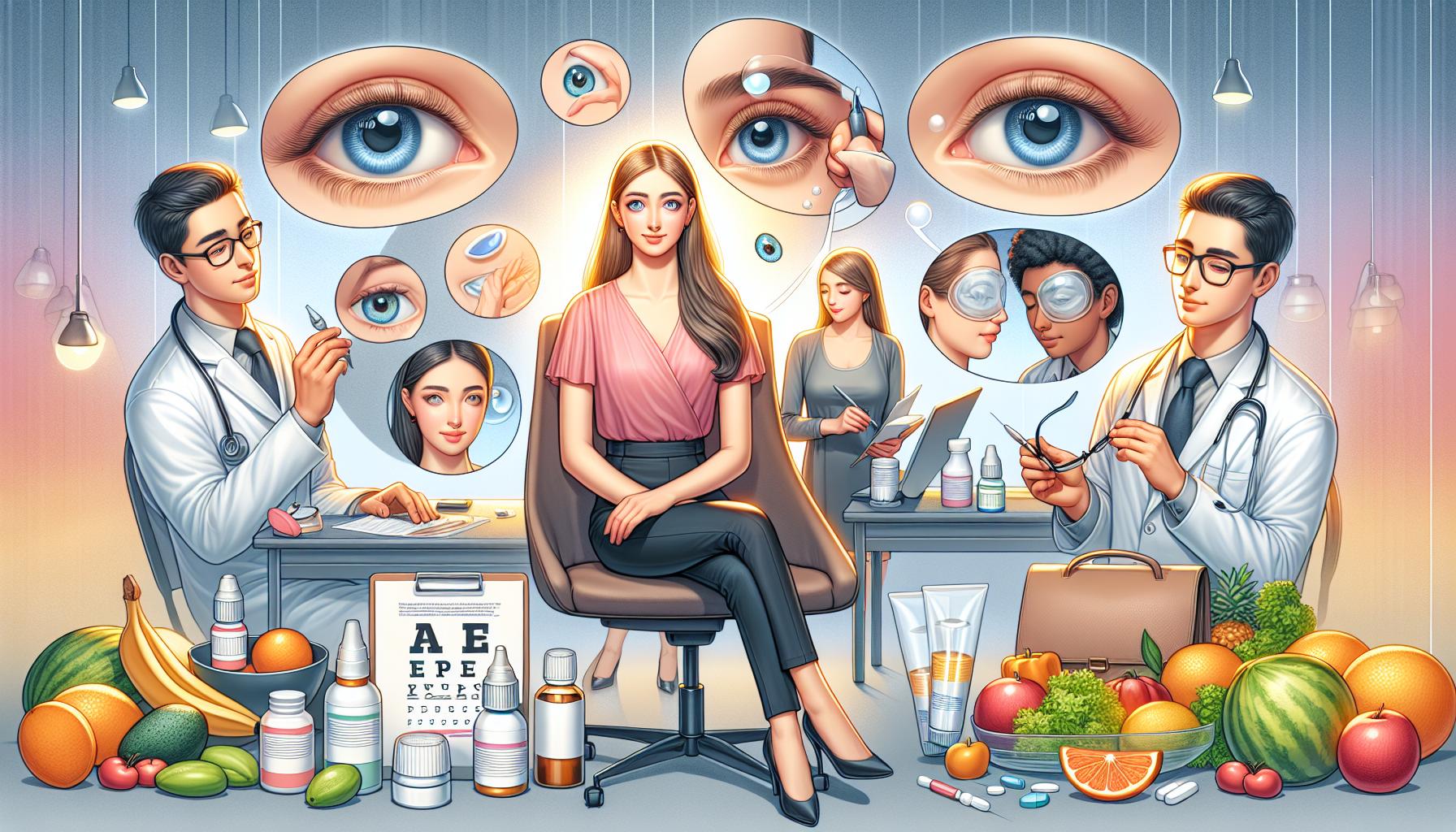
Experiencing discomfort in your eyes can be a telltale sign that allergies are at play. Many people are surprised to learn that allergies can affect not just nasal passages or skin but can significantly impact eye health and vision clarity. For those with hay fever or sensitivities to environmental allergens, such as pollen or pet dander, the eyes can become focal points of irritation. This irritation can lead to symptoms like redness, itchiness, and excessive tearing, which collectively obstruct clear vision.
The mechanism behind this ocular discomfort lies in the body’s immune response to allergens. When allergens are introduced, the immune system releases histamines, which can result in inflammation and swelling of the conjunctiva (the membrane covering the eyeball) and eyelids. As the protective tears are produced excessively, they may dilute the natural tears responsible for maintaining clarity, leading to blurred vision. Furthermore, rubbing the eyes in response to itchiness can exacerbate symptoms and lead to even more significant visual disturbances.
To personify this experience, imagine a day where you’re surrounded by blooming flowers or mowing your lawn, only to be met with watery eyes and a persistent urge to scratch that delicate area. Such instances often lead individuals to wonder how to manage these situations effectively. Here are some practical steps to mitigate eye-related allergy symptoms:
- Identify Triggers: Keeping a record of when and where symptoms worsen can help pinpoint specific allergens.
- Implement Protective Measures: Wearing sunglasses outdoors or using protective eyewear can keep allergens at bay.
- Maintain Clean Environments: Regular cleaning can reduce dust, mold, and pet dander exposure indoors.
- Use Artificial Tears: These can help rinse allergens from the eyes and restore moisture.
By acknowledging these challenges and taking proactive measures, individuals can not only enhance their comfort but also preserve their visual clarity despite the irritating presence of allergens. Recognizing the link between allergies and eye health empowers individuals to seek effective strategies and support, ensuring clearer vision in their daily lives.
Protective Measures Against Eye Irritants

Experiencing eye irritations during allergy season can feel overwhelming, but there are several effective strategies to protect your eyes from common irritants. Implementing these protective measures not only alleviates discomfort but also enhances overall visual clarity, allowing you to enjoy everyday activities without distraction.
One of the simplest yet most effective ways to shield your eyes from allergens is by wearing protective eyewear, especially during high pollen seasons or dust-filled environments. Sunglasses can act as a barrier against airborne particles, while wraparound styles offer extra coverage for your eyes. Additionally, consider using goggles when engaging in activities that stir up dust, like gardening or cleaning. This simple adjustment can drastically reduce exposure to irritants and provide relief from allergy symptoms.
Maintaining a clean living space is crucial in minimizing allergen exposure. Regularly dusting surfaces, vacuuming carpets with HEPA filters, and washing bedding in hot water can help remove potential irritants like pet dander, mold spores, and dust mites. Using an air purifier with a HEPA filter in your home can significantly improve indoor air quality, further protecting your eyes from allergens.
Another helpful strategy is to limit outdoor activities when allergen levels are high, typically in the mornings when pollen counts peak. If you must go outside, ensure to rinse your eyes with saline or artificial tears upon returning home. This not only washes away any trapped allergens but also helps restore moisture to your eyes, countering any drying effects caused by irritants.
Staying hydrated is also essential for maintaining eye health. Drinking plenty of fluids supports tear production, which is vital for keeping your eyes lubricated. In scenarios where your eyes feel particularly dry or irritated, using a humidifier can add moisture to the air, benefiting both your eyes and overall comfort within your environment.
By proactively implementing these protective measures, you can empower yourself to navigate allergy season with greater ease. Cultivating an allergen-aware routine makes it possible to maintain clarity in your vision and comfort in your eyes, setting the stage for a more enjoyable experience during those challenging months.
Home Remedies for Allergy-Related Blurry Vision
Many people are surprised to learn that simple changes at home can help alleviate the discomfort of allergy-related blurry vision. A multifaceted approach that incorporates natural remedies can provide significant relief. Consider starting with saline rinses. Flushing your eyes with a saline solution can help remove allergens and soothe irritation. This method is akin to giving your eyes a gentle wash, washing away particles that disrupt your vision.
Another effective home remedy is the use of cold compresses. Placing a cold, damp cloth over your closed eyes for about 10 to 15 minutes can reduce swelling and irritation. This simple action can promote comfort and clarity, especially after a long day outdoors or in a dusty environment. Moreover, cool water not only eases the discomfort but also can trigger a natural response to tear production, helping your eyes cope better with allergens.
Staying well-hydrated is essential in combatting allergy symptoms. Drinking plenty of water throughout the day keeps your body-and your eyes-hydrated. Dehydration can exacerbate symptoms like dryness and irritation, which can lead to blurry vision. Herbal teas, especially those with anti-inflammatory properties like chamomile or peppermint, can provide additional relief.
In terms of nutrition, certain foods can support eye health and reduce inflammation. Incorporate foods rich in omega-3 fatty acids, such as fatty fish and walnuts, and antioxidants found in colorful fruits and vegetables. These foods help combat dryness and irritation, providing a holistic way to improve eye comfort and clarity.
Embracing these home remedies not only empowers individuals suffering from allergy-related eye issues but also promotes a proactive approach to overall eye health. By integrating these practices into your daily routine, you may find your vision improving, allowing you to enjoy each day with clarity and comfort.
When to Seek Professional Help for Eye Issues
Experiencing blurry vision can be concerning, especially when it may be linked to allergies. While many allergic reactions cause mild eye irritation that can often be treated at home, some symptoms warrant a visit to a healthcare professional. If you notice consistent blurred vision, it’s essential to differentiate between common allergy symptoms and more serious conditions that could require medical intervention.
Recognizing when to seek professional help can empower you in managing your eye health. Consider making an appointment if you experience any of the following indicators:
- Prolonged Symptoms: If your blurry vision persists despite over-the-counter treatments such as antihistamines or eye drops, it may indicate a more serious underlying issue.
- Severe Discomfort: Intense pain, redness, swelling, or a sensation of something in your eye can signal the need for immediate evaluation.
- Light Sensitivity: If bright lights cause increased discomfort or you experience halos around lights, this could be a sign of a more significant problem.
- Vision Loss: Sudden or gradual loss of vision, even if accompanied by allergic symptoms, should never be ignored and requires immediate attention.
In real-world terms, imagine you’re preparing for an important meeting, but persistent blurry vision is making it difficult to read your notes or see your colleagues clearly. Do not hesitate to book an appointment with an eye care professional. They can provide a comprehensive examination to rule out serious conditions or prescribe the appropriate treatment to alleviate your symptoms.
Being proactive about your eye health can lead to better outcomes. Tracking your symptoms in a diary, including when they occur and their intensity, can aid your doctor in making a more accurate diagnosis. Remember, understanding your body’s signals is crucial, and addressing unusual or prolonged symptoms promptly can safeguard your vision and overall health.
Treatment Options for Allergies Causing Vision Problems
Allergies can be a significant and often overlooked contributor to vision problems, including blurry vision. When allergens interact with the eyes, they can induce inflammation and discomfort that may obscure clear sight. Understanding the treatment options available can empower you to tackle these symptoms effectively and regain clarity in your vision.
Over-the-counter antihistamines are a common first line of defense against allergy-induced eye discomfort. These medications work by blocking the effects of histamines released during an allergic reaction, thereby reducing symptoms like itching, redness, and swelling. Eye drops that contain antihistamines or anti-inflammatory components can also provide targeted relief. They soothe irritated eyes and can help restore comfort and clarity. In cases where over-the-counter options do not suffice, a healthcare provider may suggest prescription medications or stronger formulas tailored to your needs.
In addition to medications, it’s crucial to consider environmental modifications. Identifying and minimizing exposure to specific allergens is essential for long-term relief. Common allergens such as pollen, pet dander, or dust mites can often be mitigated through simple changes, such as using air purifiers, keeping windows closed during high pollen seasons, or regularly cleaning living spaces. Wearing protective eyewear while outdoors can also prevent allergens from entering your eyes and causing irritation.
Engaging in a routine that includes saline eye washes can help to rinse away allergens that may have settled on your eyes. These washes provide both immediate relief and act as a preventive measure for those who know they are prone to allergy-induced vision problems. If symptoms persist or worsen despite these interventions, seeking an allergist or an ophthalmologist’s expertise can lead you to more specialized treatments, including allergy shots or immunotherapy, which can provide more lasting solutions for sensitivities that affect your vision. Taking these steps can significantly improve your eye comfort and overall quality of life, allowing you the clarity needed for daily activities.
Lifestyle Changes to Minimize Allergen Exposure
Taking proactive steps to reduce allergen exposure can significantly improve your eye comfort and overall vision clarity. Simple lifestyle changes can make a big difference in minimizing the irritants that may lead to allergy-related blurry vision. Understanding that allergens like pollen, pet dander, and dust mites are often prevalent in everyday environments can help you take targeted measures to create a more allergen-free life.
Indoor Strategies
Creating a clean indoor environment is crucial. Regularly vacuuming with a HEPA filter vacuum can help trap allergens that might otherwise circulate in the air. Consider using anti-allergen covers on pillows and mattresses to reduce dust mite exposure, which is a common trigger for many allergy sufferers. Additionally, maintaining low humidity levels (ideally between 30% and 50%) with a dehumidifier can prevent mold from developing and dust mites from thriving.
Outdoor Awareness
Being mindful of the outdoor environment plays a significant role in managing allergies. On days when pollen counts are high, it’s wise to stay indoors, particularly during morning and early evening hours when these counts peak. If you must go outside, wearing wraparound sunglasses can offer a barrier against pollen entering your eyes. When returning indoors, change your clothes and shower to remove any pollen that may have collected on your skin or hair, which can further irritate your eyes.
Routine Adjustments
Your daily routine can also be adjusted to limit allergen exposure. Incorporating regular saline eye washes can help rinse allergens from your eyes, providing immediate relief and prevention. Implementing a cleaning schedule that includes dusting surfaces and washing curtains and bedding weekly can significantly reduce allergen accumulation in your home.
By integrating these lifestyle changes, you not only create an environment that is more comfortable and supportive of clear vision but also empower yourself to manage your allergies proactively. Recognizing the triggers and understanding how to mitigate them can lead to a more enjoyable and clearer daily experience.
The Role of Antihistamines in Eye Comfort
When dealing with itchy eyes, sneezing, and the frustratingly blurry vision that often accompany allergies, antihistamines can be a game changer. These medications work by counteracting the effects of histamines-substances your body releases in response to allergens that can trigger a cascade of uncomfortable symptoms. Understanding how antihistamines function can empower you to find relief and regain clarity in your daily visual experience.
Antihistamines come in various forms, including oral tablets, eye drops, and nasal sprays, making them versatile options for addressing allergy symptoms. Oral antihistamines are particularly popular for their convenience, but they can sometimes lead to drowsiness. For those specifically struggling with eye discomfort, antihistamine eye drops can directly alleviate symptoms like redness, itching, and watering, helping to restore clearer vision quickly. It’s essential to choose the right type based on your symptoms and lifestyle. For instance, if you’re sensitive to side effects, opting for non-sedating antihistamines may be ideal.
In addition to immediate symptom relief, antihistamines can also play a preventive role. If you know you’re going to be exposed to high pollen levels or other allergens, taking an antihistamine ahead of time can help minimize your allergic response. Moreover, combining these medications with other protective strategies, like wearing sunglasses outdoors, can further fortify your defenses against irritants.
For those seeking a more holistic approach, incorporating soothing remedies like cold compresses or saline rinses along with antihistamine use can significantly enhance comfort. Always consult with a healthcare professional to ensure you choose the appropriate medication and dosage for your specific needs, while also discussing any potential interactions with other treatments you’re currently using. Understanding and utilizing antihistamines effectively can greatly improve your eye comfort and clarity, allowing you to navigate your day with fewer obstacles.
Long-Term Effects of Allergies on Vision Health
Prolonged exposure to allergens can lead to significant long-term effects on vision health. Chronic allergies may result in persistent inflammation of the eyes, which could damage delicate tissues and disrupt overall eye function. For instance, continual irritation from histamines can contribute to complications such as allergic conjunctivitis or even more severe conditions like keratoconus, where the cornea becomes progressively thinner and changes shape, affecting vision clarity.
Individuals with untreated or poorly managed allergies often experience ongoing symptoms like redness, swelling, and watery eyes. Over time, these persistent symptoms may lead to excessive rubbing of the eyes, which can exacerbate irritation and increase the risk of infection. The repeated trauma from frequent rubbing can also lead to scarring or changes in the corneal surface, potentially necessitating medical intervention.
Strategies to Mitigate Long-Term Damage:
To safeguard against the long-term effects of allergies on vision, it is crucial to adopt proactive measures. Here are some actionable steps:
- Stay Informed: Understand your specific allergens and how they can affect your eyes.
- Regular Eye Exams: Schedule routine visits with an eye care professional to monitor your eye health and catch any emerging issues early.
- Manage Allergies Effectively: Use antihistamines, eye drops, or immunotherapy as recommended by healthcare providers.
- Limit Exposure: Implement lifestyle changes such as using air purifiers and minimizing outdoor activities during high pollen days.
- Hydrate and Protect: Maintaining hydration helps keep the eyes moist and less prone to irritation, while wearing UV-protective eyewear can shield them from environmental aggressors.
By taking these preventive steps, individuals can significantly reduce their risk of developing long-term eye health issues due to allergies, ultimately preserving their vision and enhancing overall quality of life. Understanding the connection between allergies and eye health empowers individuals to take control of their symptoms, ensuring clearer vision for the future.
Creating an Allergen-Free Home Environment
Creating a comfortable and allergen-free home environment can significantly reduce the irritants that lead to blurry vision and other allergy-related symptoms. A clean, organized space not only enhances the quality of your indoor air but also helps protect your eyes from allergens like dust, pet dander, and pollen. To get started, consider implementing the following strategies that can turn your home into a sanctuary from allergens.
- Regular Cleaning: Frequent dusting, vacuuming, and mopping can mitigate the presence of allergens. Utilize a vacuum cleaner equipped with a HEPA filter, which traps fine particles that traditional vacuums might release back into the air.
- Air Quality Management: Invest in air purifiers with HEPA filters to continuously cleanse the air of allergens. Placing these devices in common areas or bedrooms can help maintain a healthier living environment.
- Controlling Humidity: Keep humidity levels below 50% to discourage mold and dust mite growth. Use dehumidifiers in damp areas, like basements or bathrooms, and ensure proper ventilation throughout your home.
- Bedding Protection: Encase pillows and mattresses in dust-mite-proof covers. Wash bedding weekly in hot water to eliminate dust mites and allergens, ensuring a restful, irritation-free sleep.
- Minimize Clutter: Reduce fabric-covered furniture and clutter where dust and allergens accumulate. Opt for items that are easy to clean and hinder accumulation.
- Pollen Barriers: During pollen season, keep windows closed to prevent outdoor allergens from entering. Shower and change clothes after being outside to limit the transfer of pollen indoors.
With these simple yet effective measures, you can significantly enhance your indoor environment, making it more comfortable and less prone to eye irritation. Remember, creating an allergen-free home is a continuous effort that can lead to clearer vision and overall improved well-being. Every small change contributes to a healthier space that not only protects your eyes but promotes a lifestyle free from allergy-induced discomfort.
FAQ
Q: Can allergies really cause blurry vision?
A: Yes, allergies can cause blurry vision by leading to eye irritation, redness, and swelling. When the eyes react to allergens like pollen or pet dander, histamines are released, which may disrupt clear vision. To manage this, consider using antihistamines and avoiding known allergens.
Q: What are common allergens that affect vision?
A: Common allergens affecting vision include pollen, dust mites, mold spores, pet dander, and certain foods. These irritants can trigger allergic reactions, resulting in symptoms such as blurry vision and eye discomfort. Identifying and minimizing exposure to these allergens can help protect your eye health.
Q: How can I relieve allergy symptoms in my eyes?
A: To relieve allergy symptoms in your eyes, use over-the-counter antihistamine eye drops to reduce itching and redness. Additionally, applying a cold compress can help soothe irritation. Creating a clean environment by regularly dusting and using air purifiers will also minimize allergen exposure.
Q: When should I see a doctor for allergy-related vision issues?
A: You should see a doctor if blurry vision persists or worsens despite home treatments, or if you experience severe pain, swelling, or sensitivity to light. A professional evaluation can determine underlying causes and appropriate treatments for your symptoms.
Q: Are there home remedies for allergy-induced blurry vision?
A: Yes, home remedies for allergy-induced blurry vision include using a saline rinse to cleanse the eyes, applying cool compresses to reduce swelling, and drinking plenty of water to stay hydrated. Avoiding allergens in your environment is also crucial for relief.
Q: How do antihistamines help with allergy-related vision problems?
A: Antihistamines block the effects of histamines released during allergic reactions, reducing symptoms like itching, swelling, and redness in the eyes. Using oral antihistamines or eye drops can provide effective relief from allergy-related vision problems.
Q: What lifestyle changes can I make to reduce allergies?
A: To reduce allergies, consider lifestyle changes like maintaining a clean home environment, using HEPA filters, showering after being outdoors, and keeping windows closed during high pollen seasons. These steps can significantly lower allergen exposure and improve overall eye comfort.
Q: Can allergies lead to long-term vision damage?
A: Chronic allergies can potentially lead to long-term vision issues if untreated, as persistent inflammation may damage the eyes. Addressing allergies early with professional help and appropriate treatments is essential for preserving eye health and clarity.
Insights and Conclusions
Blurry vision from allergies can be a frustrating experience, but understanding its connection to irritants is crucial for managing your eye health. By taking immediate steps, such as minimizing exposure to allergens and keeping your living spaces clean, you can alleviate discomfort and protect your vision. Don’t let allergies hold you back-act now to safeguard your eyes!
For further insights, explore our articles on effective allergy management tips and the impact of seasonal changes on allergies. We invite you to join our newsletter for ongoing support and guidance on maintaining your eye health. If you have any questions or personal experiences, please share them in the comments below; your voice matters in our community. Remember, taking charge of your allergies not only enhances your vision but also improves your overall quality of life.