


Navigating allergies can be frustrating, often leading to a reliance on medications that can come with their own set of challenges. As more people explore the potential benefits of CBD for allergy relief, questions arise: Can you safely combine CBD with your allergy medications? Understanding how CBD interacts with common antihistamines and other treatments is crucial for maintaining your health and well-being.
Interactions between CBD and medications can alter how effectively your allergy treatments work, potentially increasing the risk of side effects. For many, finding relief without compromising their existing treatment is a priority. This article delves into safe practices for using CBD alongside allergy medications, helping you make informed decisions that align with your health goals. Whether you’re seeking alternatives or augmenting your current regimen, knowing the facts is your first step towards effective allergy management.
Understanding CBD and Allergy Medications
Understanding how CBD interacts with allergy medications represents a significant aspect for many individuals battling seasonal allergies or chronic allergic reactions. Cannabidiol (CBD), a compound derived from cannabis, has gained popularity for its potential anti-inflammatory and immune-modulating properties. These characteristics can be especially beneficial for allergy sufferers, as CBD may help reduce inflammation caused by allergic responses, such as those triggered by pollen or pet dander. However, it’s essential to understand not just the benefits, but also how CBD can interact with conventional allergy medications.
When considering the use of CBD in conjunction with allergy treatments, it’s vital to recognize the types of medications in question. Common allergy medications include antihistamines, decongestants, and corticosteroids. CBD interacts differently with these drugs due to its unique mechanism of action, which primarily involves the endocannabinoid system (ECS) in the body. For instance, CBD can enhance the effects of antihistamines, potentially providing a more significant reduction in allergy symptoms without the sedative side effects that some antihistamines may cause. However, users should exercise caution and consult with a healthcare provider, as each individual’s reaction to CBD and allergy medications can vary.
To navigate the integration of CBD into allergy management safely, individuals should take several actionable steps:
- Consult a Healthcare Provider: Before starting CBD, discuss with a doctor, especially if currently on allergy medications.
- Monitor Symptoms: Start with a low dose of CBD and gradually increase, carefully observing any changes in allergy symptoms or side effects.
- Choose High-Quality Products: Select CBD products that are third-party tested for purity and potency, focusing on those derived from organic sources.
By understanding these dynamics, allergy sufferers can better manage their symptoms while considering the potential benefits and interactions of adding CBD to their treatment regimens.
How CBD Interacts with Common Allergy Meds
Introducing CBD into your allergy management could open up a new avenue for relief, especially for those grappling with persistent symptoms. While traditional medications like antihistamines and corticosteroids effectively alleviate allergy symptoms, they can also come with various side effects. CBD (cannabidiol) offers a promising alternative or complement, with its anti-inflammatory properties potentially enhancing the effects of these conventional treatments. For instance, CBD can help reduce the inflammation that often contributes to allergic reactions, thereby possibly allowing for lower doses of antihistamines, which could result in fewer sedative side effects often reported by users.
Understanding how CBD interacts with common allergy medications is crucial for anyone considering this alternative treatment. Medications such as antihistamines work by blocking the action of histamine, a substance in the body that triggers allergy symptoms. CBD, on the other hand, interacts with the endocannabinoid system, which plays a role in regulating immune response and inflammation. This unique interaction may not only enhance the effects of allergy medications but also help modulate the body’s overall response to allergens. However, individuals may react differently; while some may find CBD improves their allergy symptoms, others might experience various side effects, necessitating a careful approach.
To safely incorporate CBD with allergy medications, consider these practical steps:
- Start Low and Go Slow: If you decide to try CBD, begin with a low dose, observing how your body responds before increasing the amount.
- Log Your Progress: Keep a journal of your symptoms, noting any changes in your allergy responses after using CBD in conjunction with your standard medication.
- Consult Healthcare Professionals: Before making any changes, discussing your plans with a healthcare provider can help tailor a safe and effective regimen.
Arming yourself with knowledge about how CBD interacts with various allergy medications can empower you to make informed decisions as you seek effective relief from allergy symptoms.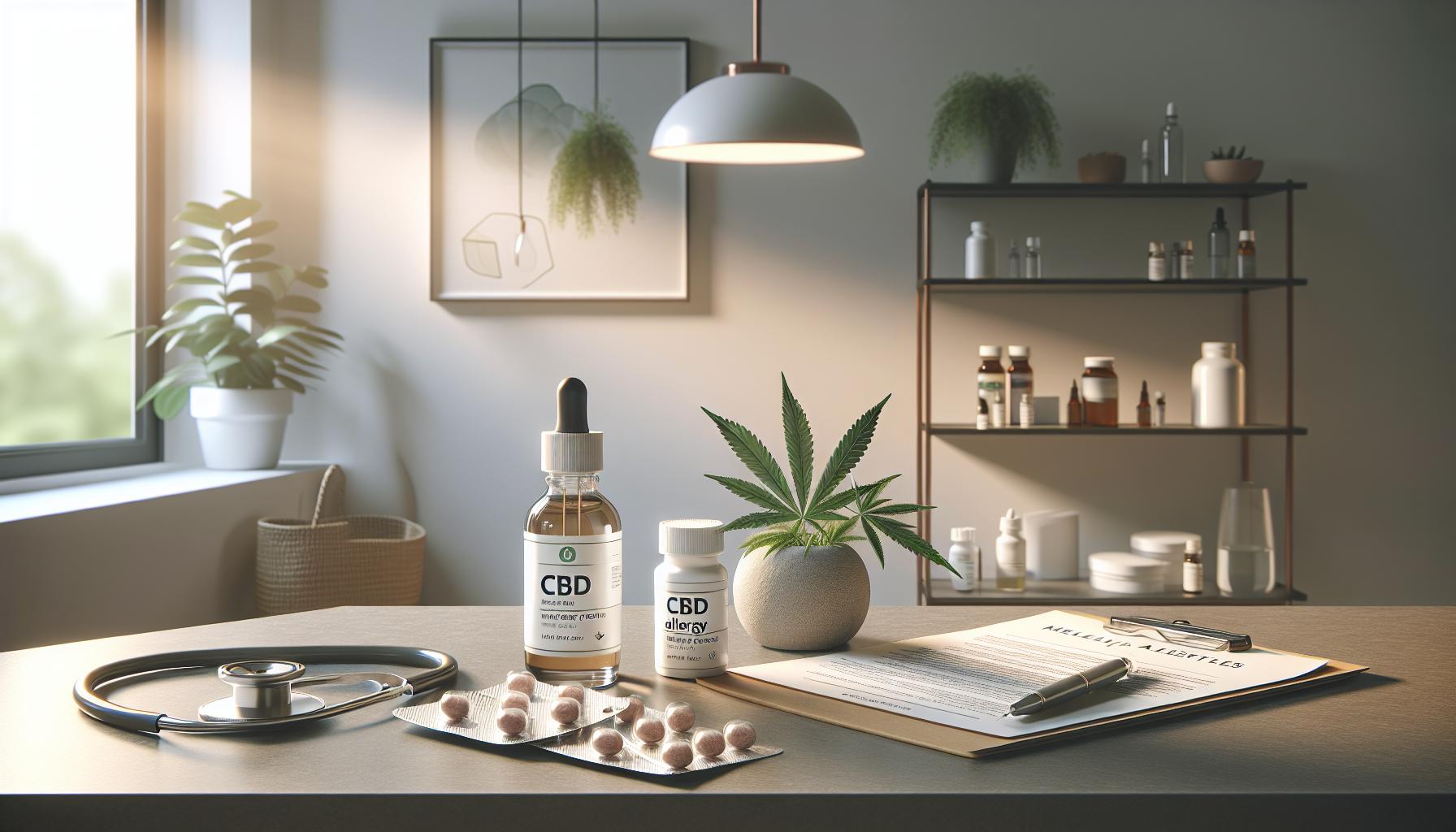
Potential Side Effects of Combining CBD and Allergy Treatments
Combining CBD with allergy medications can present some challenges and side effects that are important to understand. While many users report positive outcomes, such as reduced inflammation and enhanced relief from allergy symptoms, there are potential side effects that may arise from this combination. For instance, CBD can lead to sedation in some individuals, especially when taken alongside antihistamines, which are already known for their sedative properties. This synergy might leave some users feeling overly drowsy, impacting their daily activities.
There is also the possibility of gastrointestinal discomfort, which can range from mild nausea to changes in appetite. People using CBD oil may experience these gastrointestinal effects, which can be exacerbated by the presence of other medications. It is essential to monitor how your body reacts to this combination over time. For individuals who are taking multiple medications, like those used to manage allergies, the risk of interactions increases, making it even more crucial to be vigilant about side effects.
To mitigate adverse effects, consider these practical steps:
- Start with Low Doses: When introducing CBD, begin with the lowest effective dose and gradually increase it, while paying close attention to your body’s responses.
- Stay Hydrated: Ensuring you stay well-hydrated may help alleviate some side effects like dry mouth, which can occur alongside CBD use.
- Be Aware of Drug Interactions: Always consult with a healthcare provider or pharmacist about the potential for interactions between CBD and any allergy medications you are taking.
Understanding the potential side effects of combining CBD with allergy treatments can help you navigate your allergy management strategy effectively. By staying informed and cautious, you can enhance your likelihood of finding a balance that provides relief while minimizing unwanted effects.
Dosage Guidelines for CBD and Allergy Medications
Determining the right dosage of CBD when managing allergies is a nuanced process that can significantly enhance your symptom relief while minimizing side effects. Anecdotally, many users find that starting small and observing their body’s response is key. Typically, health experts recommend beginning with a low dose, usually around 5-10 mg of CBD, and then gradually increasing it by 5 mg every few days until you find the optimal level that alleviates your symptoms without causing adverse reactions.
As you adjust your dosage, it’s important to track specific outcomes related to your allergy symptoms. Consider maintaining a journal to note any changes in your condition, sleep quality, or any side effects experienced. For example, if you notice a reduction in sneezing and an increase in energy levels as you raise your CBD intake, this could indicate that you’re on the right track. However, if you start to feel overly sedated or experience gastrointestinal distress, it might be time to dial back the dosage.
Guidelines for Dosage Adjustment
When navigating the dosage adjustments, keep these practical steps in mind:
- Monitor Symptoms: Record your allergy symptoms and any side effects in a diary to identify patterns and establish a baseline.
- Consult Your Physician: Before making any significant changes to your dosage, discuss your plan with a healthcare provider, especially if you’re also on other allergy medications.
- Assess Tolerance: Understand that everyone’s body reacts differently to CBD. What works for one person may not work for another, so personal adjustments are crucial.
- Stay Consistent: Try to take CBD at the same time each day to maintain steady levels in your system, which can help ensure consistent results.
As you embark on this journey, it’s crucial to be patient with the process. Finding the right CBD dosage for allergy relief can take time and requires careful observation and adjustment. With dedication and care, you can tailor your approach to better suit your body’s needs, paving the way for a more comfortable allergy season.
Choosing the Right CBD Product for Allergy Relief
can be a transformative step for those seeking natural alternatives to manage their symptoms. Not all CBD products are created equal, and understanding the key factors for selection is vital to ensure effective relief. Start by looking for CBD oils or tinctures that are specifically marked as organic. Organic products are cultivated without pesticides and harmful chemicals, making them safer for those with food sensitivities or allergies. Additionally, third-party lab testing is essential as it confirms product purity and potency, ensuring what you’re consuming meets high-quality standards.
When considering the form of CBD, oils and tinctures allow for versatile dosing, which is important when starting out. This flexibility lets you adjust your intake based on your individual symptom relief. Capsules and edibles are convenient, but they often have longer onset times, which may not be ideal if you need immediate help with allergy symptoms. If rapid relief is a priority, vaping CBD may provide a quicker response-though this method is best approached with caution.
Understanding CBD Concentration
Another important factor is the concentration of CBD in the product. Some formulations are high in CBD but low in THC, which is ideal as it limits psychoactive effects while still leveraging the therapeutic benefits of cannabinoids. Look for broad-spectrum or isolate CBD products, as these will provide relief without the risk associated with THC. Always read product labels carefully to evaluate their CBD content and any additional ingredients, especially potential allergens.
Ultimately, personal experiences can guide your choice as well. Consider starting with lower concentrations and gradually moving up until you find what works best for you. Document how each product affects your symptoms in a journal-it can help refine your choices moving forward and empower you on your journey to finding effective allergy relief. With patience, product knowledge, and an understanding of your body’s needs, choosing the right CBD product can significantly impact your quality of life during allergy season.
Consulting Your Healthcare Provider About CBD Use
Navigating the complex landscape of allergy medication can be overwhelming, particularly when considering the addition of CBD to your regimen. A key step to ensure both safety and effectiveness is consulting your healthcare provider. They can offer personalized advice based on your medical history and current treatments, which is especially crucial when combining products that could potentially interact with each other.
It’s essential to openly discuss your symptoms, any current medications-including antihistamines or corticosteroids-and your interest in incorporating CBD. This conversation can illuminate potential synergies or risks you might not have considered. For instance, CBD may affect how your body metabolizes certain drugs, potentially altering their effectiveness or side effects. By providing your healthcare provider with all the relevant details, including the specific type of CBD product you are considering, you allow them to make informed recommendations tailored to your needs.
If you’re apprehensive about broaching the subject, consider preparing for the conversation by jotting down your questions and concerns. You might ask about the specific types of side effects to watch for when combining CBD with your current allergy medications, or inquire whether any particular allergies or conditions might contraindicate its use. Always feel empowered to seek clarity; a professional understanding of your treatment options can lead to a more effective management plan for your allergies.
Finally, remember that holistic approaches can take time to yield results. Your healthcare provider can help you establish a gradual plan for integrating CBD, allowing you to monitor its effects on your symptoms safely. This partnership not only ensures that you are making safe decisions regarding your health but also empowers you to take charge of your allergy management effectively.
Real-Life Experiences: CBD Users with Allergies
For many allergy sufferers, navigating the landscape of treatments can feel like an exhausting quest for relief. One of the emerging options that users are increasingly turning to is CBD, and their experiences provide valuable insights into its potential benefits and challenges. Stories shared by real-life users illustrate how CBD may complement traditional allergy medications and offer alternative pathways to managing symptoms.
Many users report a significant reduction in their allergy symptoms after incorporating CBD into their routine. For example, Sarah, a 32-year-old with seasonal allergies, experienced moderate relief from her symptoms after starting a CBD oil supplement alongside her antihistamine. She noted a marked decrease in the intensity of her itchy eyes and sneezing fits during peak pollen season. Sarah found that the calming effects of CBD also helped her manage anxiety about her allergies flaring up, allowing her to enjoy outdoor activities more freely.
However, experiences are not universally positive, and some users caution against potential interactions between CBD and their prescribed medications. James, who had been using corticosteroids for his allergies, reported feeling more drowsy and lethargic after adding CBD to his regimen. This prompted him to consult his healthcare provider, who advised adjusting the dosage of either his allergy medication or CBD, highlighting the importance of professional guidance when incorporating new supplements.
To help readers navigate their own experiences with CBD and allergy medication, consider starting with a low dosage of CBD and monitoring its effects on your symptoms closely. Here are some recommendations based on user experiences:
- Start Low and Go Slow: Begin with a lower concentration of CBD to assess how it interacts with your system before gradually increasing the dose.
- Track Your Symptoms: Keep a journal to document any changes in your allergy symptoms, side effects, and overall well-being.
- Consult Your Doctor: Always communicate with your healthcare provider about any new treatments you’re considering to avoid potential interactions and optimize your allergy management plan.
These narratives reinforce the importance of personalization in treatment. Each individual’s response to CBD varies, making informed discussions with healthcare professionals essential for finding a balance that works for you. In this journey, knowing you are not alone and hearing from others can empower you with hope and practical strategies to tackle allergies more effectively.
Research Insights: CBD in Allergy Management
Research indicates that CBD may have significant potential in managing allergic reactions due to its anti-inflammatory and immunomodulatory properties. Studies suggest that CBD can help reduce the inflammation associated with allergies, which is often the root cause of symptoms such as sneezing, itching, and respiratory discomfort. For example, some research has found that CBD helps regulate the immune response, potentially decreasing the severity of allergic reactions by balancing overactive immune responses.
One compelling aspect of CBD’s role in allergy management is its ability to work synergistically with conventional treatments. For instance, users of CBD have reported enhanced relief when combining it with antihistamines and corticosteroids, leading to improved control over allergy symptoms. This complementary relationship may enable individuals to lower their dosages of traditional medications, potentially alleviating concerns about side effects associated with long-term use.
However, it is crucial to remain informed and cautious. Current research is still in its early stages, and while preliminary findings are promising, further studies are needed to establish clear guidelines for CBD use alongside other allergy medications. Health professionals often recommend a cautious approach, emphasizing the importance of consulting with healthcare providers before integrating CBD into current treatment plans to avoid potential interactions and side effects.
To take actionable steps, consider the following recommendations based on emerging research insights:
- Stay Informed: Regularly review reliable studies and publications on CBD and its effects on allergies.
- Discuss with Your Doctor: Before starting CBD, have a thorough discussion with your healthcare provider about your specific allergies and current medications.
- Monitor Effects: Keep track of any changes in your symptoms once you start CBD, paying close attention to how it interacts with your existing allergy treatments.
By prioritizing research-backed information and professional guidance, you can optimize your approach to managing allergies, paving the way for improved wellness and symptom relief.
Alternative Allergy Treatments Alongside CBD
The growing interest in CBD as a potential treatment for allergies invites exploration of alternative therapies that can complement its properties. Many individuals struggling with allergies are aware of traditional options like antihistamines and corticosteroids, which often come with side effects and varying levels of efficacy. Therefore, it’s beneficial to consider additional natural treatments that can work alongside CBD to provide holistic relief.
One effective approach is the use of herbal remedies. For example, butterbur, a plant traditionally used to alleviate hay fever symptoms, has been shown in studies to reduce nasal congestion and other allergic reactions. Similarly, quercetin, a natural flavonoid found in many fruits and vegetables, possesses anti-inflammatory properties that may help stabilize mast cells and reduce histamine release, which is pivotal in allergic responses. These herbal alternatives can be explored alongside CBD for a multifaceted approach to treating allergies.
Dietary modifications can also play a crucial role in managing allergy symptoms. For instance, incorporating foods rich in omega-3 fatty acids, like flaxseeds and fatty fish, is known to support overall immune function and reduce inflammation. Additionally, adopting an anti-inflammatory diet-which includes plenty of fruits, vegetables, and whole grains-may help lessen the frequency and severity of allergic reactions.
Furthermore, practitioners often recommend nasal irrigation using saline solutions to help clear allergens from the nasal passages. This simple, non-invasive method can provide immediate symptom relief and can easily fit into a routine that also includes CBD.
Being proactive and informed can empower individuals to tailor their allergy management strategies. Combining these alternative treatments with CBD could lead to a more comprehensive and effective plan for managing allergy symptoms. Always remember to consult a healthcare professional before starting any new treatment regimen, especially to discuss interactions and create a plan tailored to your specific needs.
Legal Considerations Surrounding CBD Use
Navigating the legal landscape surrounding CBD can feel daunting, especially for those looking to incorporate it into their allergy management regimen. With varied regulations across different states and countries, it’s essential to understand what is permissible when considering CBD as a complementary treatment. In the United States, for example, the 2018 Farm Bill legalized hemp-derived CBD, making it federally acceptable as long as it contains less than 0.3% THC. However, individual states retain the authority to implement their own laws regarding the sale and use of CBD products, leading to significant differences that can affect consumers.
Prior to purchasing or using CBD, it’s wise to check local regulations to ensure compliance. In some states, only certain forms of CBD may be approved for therapeutic use, while others might impose stricter rules on labeling and marketing. Consider taking proactive steps, such as contacting local health departments or checking governmental websites for the latest information on CBD legality. Understanding these nuances not only protects consumers but also empowers them to make informed choices regarding their health.
Another critical element in the legal considerations of CBD use is the necessity for quality and tested products. Consumers should seek out brands that provide transparent lab results confirming the potency and purity of their CBD. This information can often be found on the company’s website or through direct customer service inquiries. As CBD products are not consistently regulated, ensuring that what you’re consuming is free from harmful contaminants or false advertising is paramount.
Lastly, it’s crucial to remember that while CBD is generally regarded as safe, the interaction with prescribed allergy medications can vary. Thus, anyone considering adding CBD to their allergy treatment plan should do so within the confines of legality and personal health conditions, ideally under the guidance of a healthcare provider. By being informed and diligent, individuals can harness the potential benefits of CBD responsibly and legally, helping to alleviate allergy symptoms while ensuring safety and compliance in their wellness journey.
Safety Tips for Taking CBD with Medications
While many people are exploring the possibility of using CBD to alleviate allergy symptoms, it’s essential to approach this addition with caution and knowledge. As with any new supplement, especially one that may interact with medications, understanding how to safely integrate CBD into your routine is vital for your health and well-being. Here are some key safety tips to consider if you’re thinking about taking CBD along with your allergy medications.
Consultation is Key
Before making any changes to your medication regimen, a conversation with your healthcare provider is crucial. Your doctor understands your medical history and can offer personalized advice on whether adding CBD could affect your current allergy treatments. This consultation will also help identify any potential interactions between CBD and your allergy medications, such as antihistamines or corticosteroids, ensuring you stay safe.
Start with a Low Dose
If your healthcare provider approves the use of CBD, begin with a low dose. This approach allows you to monitor your body’s reaction without overwhelming your system. Gradually increase the dosage if necessary, while remaining in touch with your healthcare provider about your progress and any side effects.
Watch for Side Effects
As you start taking CBD, be aware of how it affects your body in conjunction with your allergy medications. Some individuals may experience drowsiness, changes in appetite, or gastrointestinal discomfort. Keep a journal to track your symptoms and any adverse reactions that may arise when CBD is introduced into your routine.
Choose High-Quality Products
Not all CBD products are created equal. Look for brands that provide third-party lab testing to confirm the purity and potency of their products. Such tests can assure you that your CBD is free from harmful contaminants and contains the advertised levels of cannabinoids. Consulting trustworthy resources or customer reviews can also guide you to reputable brands.
Stay Informed About Interactions
CBD can interact with specific medications by influencing the way the liver metabolizes them. Be proactive in researching or asking your healthcare provider about potential interactions with specific allergy medications. Understanding these interactions ensures you are taking appropriate precautions while managing your symptoms.
By following these steps, you can thoughtfully integrate CBD into your allergy treatment plan. Your journey to better health should be informed and intentional, ultimately leading to improved comfort and relief from allergy challenges.
Frequently Asked Questions About CBD and Allergies
For many individuals dealing with allergies, the emergence of CBD as a potential relief option raises numerous questions about its safety and effectiveness, particularly in conjunction with traditional allergy medications. Understanding how CBD interacts with these treatments can significantly impact the journey toward allergy management. Here are some frequently asked questions that provide clarity on this topic.
Can I take CBD with my allergy medications?
Yes, many people do combine CBD with allergy medications. However, it is crucial to consult with your healthcare provider first. CBD can interact with certain drugs, affecting their metabolism, particularly those processed by the liver. This interaction might enhance or reduce the effectiveness of your medication, so personalized medical advice is essential.
What are the potential side effects of combining CBD with allergy treatments?
While CBD is generally well-tolerated, its combination with allergy medications can lead to side effects like increased drowsiness, changes in appetite, or gastrointestinal discomfort. It’s vital to monitor how you feel and report any adverse reactions to your healthcare provider. Keeping a symptom diary can help track both the benefits and side effects, paving the way for informed adjustments to your regimen.
How do I choose the right CBD product for my allergies?
Selecting a high-quality CBD product is paramount. Look for brands that offer third-party lab testing, ensuring the product is free of harmful contaminants and accurately labeled for cannabinoid content. Full-spectrum CBD oils may provide additional benefits due to the entourage effect, where multiple cannabinoids work together to enhance overall effectiveness. Always consider your personal allergies and sensitivities when choosing a product.
What research exists on CBD and allergy management?
Research on CBD’s efficacy for allergies is still developing, but preliminary studies suggest that CBD may help reduce inflammation, which is often a primary concern for allergy sufferers. It appears to work well alongside conventional treatments, such as antihistamines or corticosteroids, providing a complementary approach to managing symptoms. Staying informed about new studies can empower your decision-making as you explore this alternative treatment.
In conclusion, integrating CBD into your allergy management plan can be a promising avenue for relief, provided you take informed steps and work closely with your healthcare provider. With the right approach, you can navigate the complexities of allergies with a newfound sense of control and well-being.
FAQ
Q: Can CBD interact with allergy medications?
A: Yes, CBD can interact with some allergy medications by altering how the body metabolizes these drugs. It’s essential to consult your healthcare provider to avoid potential complications, especially if you are currently taking antihistamines or corticosteroids. For more on interactions, see our section “How CBD Interacts with Common Allergy Meds.”
Q: What should I know before taking CBD with allergy meds?
A: Before combining CBD with allergy medications, it’s crucial to discuss this with your doctor, as CBD may affect drug metabolism. They can help guide you on dosing and potential side effects. Refer to the “Consulting Your Healthcare Provider About CBD Use” section for more details.
Q: Are there specific allergy medications I should avoid with CBD?
A: Certain allergy medications, particularly those broken down by liver enzymes, may interact with CBD. Medications like diphenhydramine and loratadine could be affected. Always consult with a healthcare professional regarding specific medications you take.
Q: How can I find the right dosage of CBD to take with allergy meds?
A: Start with a low dose of CBD and gradually increase while monitoring your body’s response, especially if you are on allergy medications. It’s beneficial to consult your healthcare provider for personalized dosage recommendations, as discussed in “Dosage Guidelines for CBD and Allergy Medications.”
Q: What are the side effects of combining CBD with allergy treatments?
A: Side effects can include increased drowsiness, changes in appetite, or digestive issues. In some cases, CBD might enhance the sedative effects of certain allergy medications. Keep track of any unusual symptoms and consult your doctor if they arise.
Q: Can CBD help manage allergy symptoms effectively?
A: While some users report relief from allergies when using CBD, research is still ongoing. Its anti-inflammatory properties may be beneficial, but consult with your healthcare provider to discuss if it’s a suitable option for you. See “Research Insights: CBD in Allergy Management” for more information.
Q: Is it safe to use CBD oil for allergies at the same time as antihistamines?
A: Using CBD oil with antihistamines is generally considered safe, but specific interactions may occur. Always consult your doctor for advice tailored to your situation and check the section “Safety Tips for Taking CBD with Medications” for additional guidance.
Q: Where can I find quality CBD products suitable for allergy relief?
A: Quality CBD products can be found through reputable retailers or online marketplaces. Look for products that provide third-party lab testing results and detailed ingredient lists to ensure safety and efficacy. For guidance, check out “Choosing the Right CBD Product for Allergy Relief.”
In Conclusion
In conclusion, while CBD holds promise for alleviating allergy symptoms, it’s crucial to proceed with caution, especially when combined with allergy medications. Always consult your healthcare provider to ensure safety and discuss any potential interactions. For more insights, check out our articles on CBD and drug interactions, as well as how to effectively manage allergy symptoms with alternative treatments. Don’t miss the chance to join our newsletter for the latest in health tips and trends! Share your experiences in the comments below, and let’s foster a community focused on navigating allergies together. Your journey toward relief starts now-explore our resources and empower yourself today!


