

Did you know that the food you eat might be responsible for those stubborn breakouts? Many people struggle with acne, often attributing it to hormonal changes or skincare routines, but recent insights reveal a potential hidden culprit: food allergies. This connection between what you consume and skin health is gaining attention, as food allergy reactions can lead to unexpected skin issues.
Understanding how your body reacts to certain foods can empower you to take control of your acne. If you’ve noticed a pattern linking specific meals with skin flare-ups, you’re not alone. By delving into the relationship between food allergies and acne, you can uncover strategies that might help mitigate your skin concerns and enhance your overall well-being. Continue reading to explore the fascinating interplay between diet and dermatology, and find practical steps towards clearer skin.
Understanding Food Allergies and Their Impact on Skin Health
The connection between food allergies and skin health is a growing area of interest for both individuals suffering from skin issues and healthcare professionals. When the immune system mistakenly identifies a food protein as harmful, it triggers an allergic reaction that can manifest in numerous ways, including on the skin. This response often results in inflammation, which is a key factor in the development of acne. While it’s well recognized that common allergens like dairy and gluten can contribute to skin health issues, not everyone experiences these connections in the same way. Understanding your body’s reactions to specific foods is crucial in managing skin conditions like acne.
Individuals who experience skin issues often report a variety of symptoms beyond just rashes or hives-persistent acne can also occur. This may be due to inflammatory responses in the body that are initiated by the consumption of allergenic foods. For instance, dairy products have been linked to increased acne severity due to the hormones and compounds they contain. This connection underscores the importance of listening to your body and observing how specific foods impact your skin health over time.
To address these challenges proactively, maintaining a food diary can be a practical first step. Track what you eat alongside any changes in your skin’s condition, which can help identify potential triggers. Additionally, embracing a diet rich in anti-inflammatory foods, such as leafy greens, berries, and healthy fats, can support your overall skin health. Collaborating with a healthcare professional or nutritionist can provide guidance tailored to your specific needs, enabling a more personalized approach to managing both food allergies and acne.
Ultimately, navigating the complexities of food allergies and their impact on skin health can be daunting, but it also offers an opportunity for empowerment. By understanding and addressing food-related triggers, individuals can take proactive steps toward clearer skin and overall better health.
The Science Behind Acne: Causes and Contributors
While many attribute acne solely to hormonal fluctuations or skincare routines, emerging research highlights a connection between food allergies and skin health problems, including acne. The intricate interplay between our immune system and skin inflammation is crucial in understanding this phenomenon. When the body mistakenly identifies certain food proteins as harmful, it can trigger immune responses that not only affect overall health but also manifest prominently on the skin.
A significant contributor to acne is the inflammatory process that occurs when the body encounters an allergen. Food allergies can lead to the release of histamines and other inflammatory mediators, causing skin cells to react. This inflammation may contribute to sebaceous gland overactivity, increasing oil production and pore clogging, both of which can exacerbate acne conditions. Notably, dairy products, often linked to acne flare-ups, contain hormones and bioactive molecules that can influence sebaceous gland activity. For some individuals, these dietary components can exacerbate pre-existing conditions, sculpting a cycle of persistent breakouts.
For those suspecting a food-related cause for their acne, it’s essential to approach the situation intentionally. Keeping a detailed food diary might reveal patterns between food intake and skin changes. Analyzing the timing of breakouts in relation to specific foods consumed can illuminate potential triggers. Moreover, adopting an anti-inflammatory diet rich in fruits, vegetables, and omega-3 fatty acids can not only improve general health but also soothe skin inflammation. Consulting a healthcare provider or nutritionist can provide additional support and help tailor dietary strategies to individual needs.
The complexity of acne’s origins highlights a broader spectrum of contributing factors beyond simple myths about diet. By understanding the connection between food allergies and acne, individuals can advocate for a holistic approach to their skincare journey, integrating dietary adjustments with conventional treatments for clearer, healthier skin.
Exploring the Relationship Between Allergens and Acne
Understanding the connection between food allergies and acne can empower individuals to take control of their skin health. Recent studies suggest that allergens can significantly influence skin conditions, leading to inflammation that exacerbates acne outbreaks. When the body misinterprets certain food proteins as harmful, it launches an immune response, resulting in the release of histamines and other inflammatory substances. This cascade of reactions not only affects overall well-being but also manifests visibly on the skin, leaving many to wonder how they might break this cycle.
Food allergies often lead to increased oil production due to the subsequent inflammation, which can clog pores and create a breeding ground for acne-causing bacteria. Specific foods have garnered attention for their potential links to acne. For instance, dairy products can stimulate hormonal changes that exacerbate the sebaceous gland’s activity, contributing to breakouts. This understanding doesn’t solely rest on anecdotal evidence; emerging research supports the idea that certain dietary patterns can create or worsen skin issues for some individuals.
To identify personal triggers, it can be beneficial to maintain a food diary. By logging daily meals and any subsequent skin reactions, you can begin to establish connections that might offer clarity about which foods to limit or avoid. Pay close attention to patterns-do breakouts follow the consumption of specific items like cheese or chocolate? Alongside keeping a food diary, an anti-inflammatory diet rich in whole foods-such as fresh fruits, leafy greens, nuts, and fatty fish-can help mitigate inflammatory responses and promote overall skin health.
Ultimately, recognizing the potential link between allergens and skin conditions opens a pathway for personalized dietary changes. With thoughtful experimentation and careful observation, individuals can begin to identify their unique triggers, enabling proactive strategies to manage not only acne but overall skin vitality.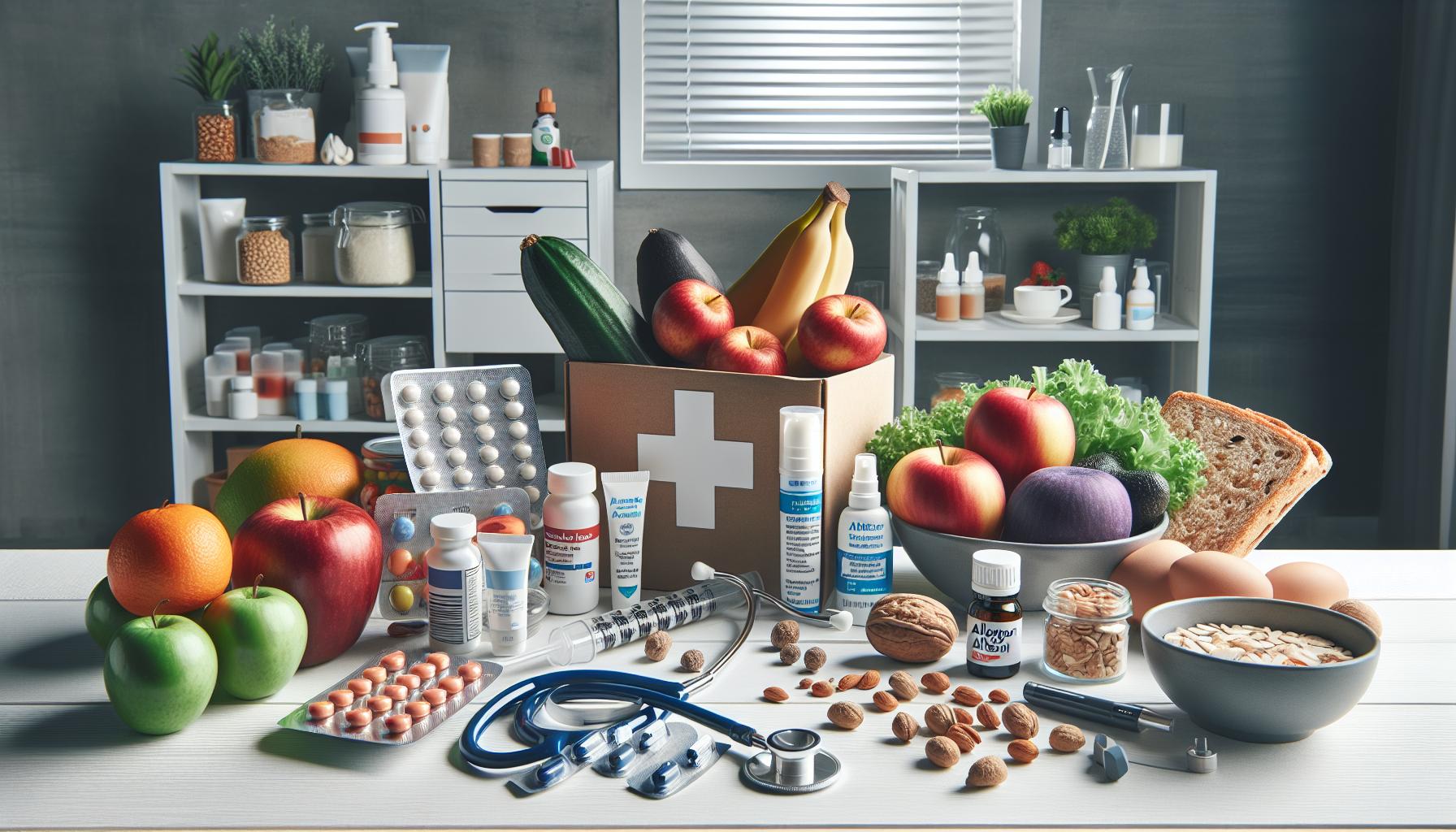
Common Food Allergies Linked to Skin Issues
Certain food allergies have emerged as significant players in the ongoing battle against skin issues, particularly acne. While conventional wisdom often points to hormones and bacteria as primary culprits, emerging research suggests that dietary triggers may be at the heart of many skin flare-ups. Understanding which foods can potentially exacerbate breakouts empowers individuals to take proactive steps toward clearer skin.
Among the most common allergens linked to acne are dairy products. Numerous individuals report a noticeable increase in breakouts after consuming milk, cheese, or yogurt. This could be due to hormones found in dairy that may stimulate oil production in the skin, leading to clogged pores. Similarly, gluten, a protein found in wheat, barley, and rye, has been implicated in skin conditions for some people, especially those with non-celiac gluten sensitivity. Eliminating gluten from the diet may lead to improvements for those affected.
Another category worth noting includes highly processed foods. Foods high in refined sugars and unhealthy fats, such as fast food, not only contribute to systemic inflammation but can also trigger acne. A study highlighted that a diet heavy in such ingredients increases the likelihood of developing acne. Many individuals have noticed improvements in their skin after reducing sugar and processed foods, paving the way for a more balanced and healthful diet.
To navigate these potential triggers, adopting a systematic approach can be beneficial. Keeping a food diary can help identify harmful patterns, allowing individuals to correlate specific foods with their skin reactions. Emphasizing an anti-inflammatory diet rich in fruits, vegetables, lean proteins, and healthy fats not only reduces the risk of flare-ups but also nurtures overall skin health. Such mindful dietary adjustments are crucial in reclaiming control over acne and enhancing skin vitality.
Identifying Symptoms: Acne Triggered by Food Allergies
Understanding how to recognize symptoms linked to food allergies is vital, especially since these symptoms can manifest on the skin in the form of acne. For many, the connection between dietary choices and skin health might seem elusive, yet consistent patterns often reveal troubling trends. When food allergies are at play, the skin can become a canvas for the underlying inflammation triggered by consuming allergenic foods. Symptoms can go beyond acne itself, often including characteristics like redness, swelling, and itchiness, signifying an immune response that deserves attention.
When evaluating symptoms, it’s essential to consider the timing of your breakouts. Acne that appears soon after consuming specific foods is a strong indicator of a potential food allergy. Common foods that might trigger such responses include dairy products, gluten, and certain nuts. For individuals who notice that their skin flares up following these foods, it can be beneficial to maintain a detailed food diary. This tool allows you to track food intake alongside any skin reactions, creating a clearer picture of potential triggers.
Moreover, differentiating between types of acne is crucial. Acne mechanica, which can result from irritation, may occur in those with allergies if they inadvertently aggravate the skin, while allergic acne may be characterized by more severe, cystic lesions. Unlike typical acne, allergic responses can present with lesions that are not only inflamed but also cause unique sensations. Consulting a dermatologist for an accurate diagnosis can provide clarity, enabling targeted treatment strategies for both the allergy and the resulting acne.
To navigate this challenging landscape, recognizing patterns and seeking professional guidance can empower individuals toward effective management of their skin health. With this approach, many can achieve improvement through simple dietary changes and informed decisions. The journey toward clearer skin involves not only understanding allergies’ role in acne but also taking proactive steps to address them.
Dietary Changes: How to Manage Food Allergies
Recognizing that certain foods may be linked to acne can be daunting, yet making dietary adjustments can lead to significant improvements in skin health. Identifying and managing food allergies is a proactive step individuals can take to minimize acne flare-ups and overall inflammation in the body. By focusing on a diet that is mindful of potential allergens, you can create an environment conducive to clearer skin.
Start with a basic understanding of your dietary triggers. Keeping a food diary is a practical approach-record what you eat and note any skin reactions within a few hours or days. This method not only highlights potential food allergies but also aids in identifying patterns between diet and skin changes. Common culprits may include dairy, gluten, and high-sugar items, which can exacerbate inflammatory responses in sensitive individuals. By progressively eliminating these foods from your diet and observing the impact on your skin, you’ll gain valuable insights into what works for you.
It’s important to replace allergenic foods with nutritious alternatives that support skin health. For instance, if dairy is a trigger, consider incorporating fortified plant-based milks or yogurt alternatives. Leafy greens, nuts (if not allergic), berries, and omega-3 rich foods like fatty fish can help decrease inflammation and promote overall skin vitality. Additionally, staying hydrated by drinking plenty of water throughout the day can aid in flushing out toxins and supporting healthy skin regeneration.
Lastly, consider consulting with a healthcare provider or nutritionist. They can help you navigate the complexities of food allergies and dietary adjustments. For those dealing with severe reactions, guidance from a professional will ensure that you maintain a balanced diet while avoiding allergens. Education on label-reading and understanding ingredient lists is also vital in managing your condition successfully. With these strategies in place, you’re empowered to take control of your skin health, paving the way for clearer skin and a healthier, happier you.
Testing for Food Allergies: What You Need to Know
Understanding whether food allergies could be the hidden culprit behind your acne can be a transformative journey. Diagnosis is essential, as ignoring potential allergies may prolong skin issues and overall discomfort. Medical professionals have various methods for testing food allergies, and recognizing your options is the first step toward clear skin.
One of the most common approaches is the skin prick test, where small amounts of allergens are introduced to your skin via tiny pricks. If there is a reaction, such as swelling or redness, it signifies a sensitivity to that allergen. Another method is the blood test, measuring specific antibodies like IgE that react to allergens in your food. Both methods provide valuable insights but discussing the best option with a healthcare provider is crucial to get tailored advice based on your health history.
Elimination diets can further augment your testing process. This involves systematically removing suspected allergens from your diet for a set period-commonly two to six weeks-and then gradually reintroducing them one at a time. During this time, closely monitor any changes in your skin’s condition. Keeping a detailed food diary is also beneficial, allowing you to pinpoint troublesome foods by correlating dietary intake with breakout timing. Don’t overlook the importance of maintaining open dialogue with professionals throughout this process; they can provide guidance on safely conducting these trials.
Lastly, while navigating food allergies, remember that finding a solution may take time and patience. The goal isn’t just to identify allergens but to cultivate a healthier relationship with food that supports overall well-being and skin health. Armed with the right knowledge and strategies, you’re empowered to reclaim control over your skin and foster a thriving, vibrant life.
Holistic Approaches to Acne Treatment
While the connection between food allergies and acne might seem surprising, a holistic approach to treatment can pave the way for clearer skin and improved overall health. Understanding that both physical and emotional well-being play crucial roles in skin health is essential. Integrating various strategies can not only address acne but also enhance your overall quality of life.
One effective holistic approach involves making dietary adjustments that prioritize anti-inflammatory foods. Incorporating a variety of fresh fruits, vegetables, whole grains, lean proteins, and healthy fats can significantly impact your skin’s appearance. Foods rich in omega-3 fatty acids, like salmon and walnuts, can help reduce inflammation, while antioxidants found in berries and leafy greens may protect your skin from oxidative stress. Consider creating meal plans that avoid common allergens, such as dairy and gluten, which are often linked to acne flare-ups. It can be empowering to discover new recipes and foods that align with your skin goals.
Mind-Body Connection
The mind-body connection is another vital component of a holistic treatment plan. Stress has a well-documented impact on skin health, often exacerbating conditions like acne. Techniques such as yoga, meditation, and mindfulness can help manage stress levels and foster a sense of calm, which may, in turn, benefit your skin. Regular physical activity also supports stress reduction and promotes healthy circulation, delivering essential nutrients and oxygen to your skin.
In addition, exploring natural remedies can offer additional support. For instance, topical treatments containing ingredients like green tea extract, honey, or witch hazel may provide soothing effects and reduce inflammation. Additionally, understanding how to create a skincare routine that respects and nurtures your skin can lead to improved results. It’s vital to choose products free of irritants and preservatives, as harsh chemicals can trigger allergic reactions and worsen acne.
Adopting a holistic view of acne treatment can feel overwhelming, especially when balancing dietary changes and lifestyle modifications. However, taking small, actionable steps can lead to significant improvements. Start with one dietary change or a short daily meditation session, and build from there. By creating a supportive environment and maintaining open communication with healthcare providers, you can take control of your skin health and embark on a transformative journey toward clearer skin and vibrant well-being.
The Role of Inflammation in Acne Development
Chronic inflammation emerges as a significant player in the development of acne, often exacerbated by factors such as food allergies. When the immune system reacts to certain foods as if they were harmful pathogens, it triggers a cascade of inflammatory responses. This can result in the increased production of sebum and the overgrowth of skin cells, creating an environment conducive to acne formation. Understanding this connection highlights the importance of addressing inflammation not just for overall health, but specifically for maintaining healthy skin.
To manage inflammation effectively, it’s crucial to identify and eliminate trigger foods from your diet. Common allergens like dairy, gluten, and certain nuts can provoke inflammatory responses that manifest as acne. Incorporating anti-inflammatory foods can make a significant difference. Focus on:
- Omega-3 Fatty Acids: Consuming fatty fish like salmon, walnuts, and flaxseeds can help reduce inflammation.
- Fruits and Vegetables: Berries, spinach, and kale are rich in antioxidants, which combat oxidative stress.
- Whole Grains: Quinoa and brown rice can help stabilize blood sugar levels and reduce inflammation.
Engaging in a regular exercise routine can also diminish inflammation. Physical activity promotes circulation, enhancing the delivery of oxygen and nutrients to your skin while supporting the immune system. Additionally, staying hydrated and managing stress through mindfulness practices like yoga or meditation can further aid in reducing inflammatory responses.
Taking actionable steps to monitor your body’s reactions to various foods can be empowering. Keeping a food diary to identify correlations between what you eat and your skin condition may provide valuable insights. If you suspect food allergies are impacting your skin, it might be worthwhile to consult with a healthcare professional who can guide you through allergy testing and dietary adjustments. This holistic approach not only improves skin health but also enhances overall well-being, fostering a positive cycle of resilience against acne.
Successful Acne Management: Beyond Avoiding Allergens
A holistic approach to managing acne extends well beyond simply avoiding allergens; it involves a comprehensive lifestyle that addresses all contributing factors to skin health. While food allergies can trigger inflammatory responses that exacerbate acne, understanding how to balance your diet and integrate other healthy habits is essential for optimal skin condition. Many individuals find that adopting a more nutritious, whole-foods-focused diet not only helps reduce breakouts but also enhances their overall well-being.
Incorporating foods rich in nutrients and antioxidants can be a game-changer. For instance, anti-inflammatory foods such as fatty fish, berries, and leafy greens can provide the nutrients necessary to combat oxidative stress and inflammation. Consider adding a variety of these foods into your meals:
- Fatty Fish: Salmon and mackerel are high in omega-3 fatty acids, known for their anti-inflammatory properties.
- Berries: Blueberries and strawberries are packed with antioxidants that can help repair skin damage and reduce inflammation.
- Leafy Greens: Spinach and kale are not only nutrient-dense but also help support your immune system.
Another crucial aspect of managing acne effectively is staying adequately hydrated. Water plays a fundamental role in maintaining skin elasticity and flushing out toxins, which can otherwise contribute to acne. Aim for at least eight glasses a day and consider incorporating herbal teas, which can offer additional antioxidants and hydration.
In addition to dietary changes, establishing a regular skincare routine can further prevent breakouts. Choose non-comedogenic products that won’t clog pores, and consider consulting with a dermatologist for personalized recommendations. Natural remedies like tea tree oil or aloe vera gel can also offer soothing effects without harsh chemicals.
Remember, the journey to clearer skin is often multifaceted. Keeping a food and symptom diary may provide insights into which dietary choices affect your skin negatively, allowing for more informed decisions. This proactive approach not only helps in reducing acne but empowers you to take control of your skin health. Joining support groups or online communities where others share their experiences might also provide encouragement and additional strategies for managing acne and food allergies. By combining dietary vigilance with good hydration, skincare, and community support, achieving clear and healthy skin is within reach.
Real-Life Stories: Overcoming Acne and Allergies
In a world where clearer skin often feels elusive, many individuals discover the transformative power of identifying food allergies linked to their acne. Take the story of Sarah, a young woman who battled persistent breakouts for years. Despite trying numerous topical treatments and a variety of skincare routines, her acne remained stubbornly present. It wasn’t until she attended a wellness seminar that she decided to dig deeper into her diet and potential food sensitivities. After keeping a meticulous food diary, Sarah noticed a pattern-dairy and gluten seemed to correlate with flare-ups.
With this newfound insight, Sarah began experimenting with an elimination diet, carefully removing these foods while simultaneously incorporating nourishing options rich in omega-3 fatty acids and antioxidants. Within weeks, her skin began to transform. Breakouts significantly reduced, and her confidence surged as she felt more secure in her appearance. Sarah’s journey underscores the importance of being attuned to your body’s signals and how dietary adjustments can make a substantial difference.
Jessica’s experience further illustrates this connection. After discovering her allergy to peanuts, she implemented changes not just in her eating habits, but also in her overall wellness routine. She focused on hydration, ensuring she drank plenty of water and herbal teas to support her skin health. With a dedicated approach that included calming natural remedies like aloe vera gel alongside her modified diet, Jessica found her acne not only diminished but her general skin condition improved remarkably.
These stories emphasize key actions anyone can take if they suspect food allergies might be impacting their skin. Keeping a food and symptom diary can reveal patterns and triggers, while consulting with healthcare providers or nutritionists helps in crafting personalized dietary plans. Joining community support groups, both online and offline, can provide motivation and invaluable advice from those who have walked a similar path. A proactive, compassionate approach to understanding the body can empower each individual on their journey to healthier skin.
Consulting Professionals: When to Seek Help
Persistent acne that doesn’t respond to traditional treatments can be frustrating, especially when it may be linked to food sensitivities or allergies. Understanding when to seek professional help is crucial for anyone experiencing this confusing skin issue. Consulting professionals can provide clarity, personalized guidance, and effective strategies that empower individuals to manage their acne more effectively.
One important step is to start with a healthcare provider, such as a primary care physician or a dermatologist, who can help rule out underlying conditions contributing to acne. These experts can evaluate your skin and medical history, potentially identifying patterns related to food intake. If food allergies are suspected, they may refer you to an allergist for further testing. This may include skin prick tests or blood tests to determine specific food sensitivities or allergies. Knowing exactly what triggers your body’s allergic response is key in creating a successful management plan.
Beyond medical professionals, seeking advice from a registered dietitian can be an invaluable resource. These specialists can help design an elimination diet tailored to your needs, ensuring you still receive essential nutrients while identifying potential allergens. Documenting your food intake alongside your symptoms can reveal critical correlations that help your dietitian craft a plan that could bring significant relief. Sharing experiences within support groups-whether online or offline-can also foster community and provide insights from those who’ve faced similar challenges.
To further enhance your acne management strategy, consider integrating holistic approaches discussed with your healthcare team, such as stress management techniques, skincare routines, and dietary adjustments. These can complement medical treatment and lead to improved overall skin health. Remember, it’s essential to approach your health journey with patience and compassion, recognizing that professional support can be a game-changer in achieving clearer, healthier skin.
Frequently Asked Questions
Q: Can food allergies directly cause acne outbreaks?
A: While food allergies may not directly cause acne, they can lead to skin inflammation and other reactions that may exacerbate existing acne. Managing food allergies effectively can help reduce flare-ups. See the section on the relationship between allergens and acne for more insights.
Q: What are the most common food allergies that can trigger acne?
A: Common food allergies linked to skin issues include dairy, nuts, gluten, and shellfish. Identifying and eliminating these potential triggers from your diet may help improve skin conditions. Explore the article’s section on common food allergies connected to skin issues for more details.
Q: How can I identify if food allergies are causing my acne?
A: To identify if food allergies are contributing to acne, keep a food diary, tracking what you eat and any skin changes. Consult with a healthcare provider for allergy testing and professional evaluation to get actionable feedback on your situation.
Q: How long does it take to see improvement in acne after eliminating food allergens?
A: Improvement in acne after removing food allergens may take several weeks, as it allows inflammation to subside and skin to heal. Monitor your skin’s response and consider dietary changes outlined in the article for effective management.
Q: Are there specific dietary recommendations for acne prone skin?
A: Yes, a balanced diet rich in anti-inflammatory foods, such as fruits, vegetables, and healthy fats, can support skin health. Avoid known allergens and processed foods to see potential improvements in acne. Check the dietary changes section in the article for specific suggestions.
Q: Can eating certain foods worsen acne despite not having an allergy?
A: Yes, some foods, such as sugar and dairy, may exacerbate acne symptoms in individuals without known allergies. Adopting a low-glycemic diet can help manage acne effectively. For in-depth strategies, refer to the section on successful acne management.
Q: What holistic treatments are effective for acne related to food allergies?
A: Holistic treatments may include dietary modifications, herbal supplements, and stress management techniques. These approaches can enhance overall skin health and reduce inflammation caused by food sensitivities. Explore the holistic approaches section for more insights.
Q: When should I consult a professional about acne and food allergies?
A: You should consult a healthcare professional if acne persists despite dietary changes or if you suspect severe food allergies. A dermatologist or allergist can provide tailored advice and testing options for effective management. Review the consulting professionals section for guidance.
Concluding Remarks
Understanding the link between food allergies and acne can be a game changer for many seeking clear skin. Remember, common triggers like dairy, high-glycemic foods, and processed snacks might be contributing to your breakouts. If you suspect food sensitivities, consider tracking your diet and symptoms to identify potential offenders. Don’t let uncertainty hold you back-explore our resources on managing food allergies and gut health’s impact on skin to empower your skincare journey.
Ready to take action? Sign up for our newsletter for expert tips tailored to your skin health needs or consult with a nutrition specialist today. Your path to clearer skin starts now-don’t miss out on further insights that could transform your approach! Engage with us in the comments below, share your experiences, and let’s build a community focused on finding solutions together.