


Pregnancy is a beautiful journey, but for some women, it can also bring unexpected challenges, such as the onset of allergies. Hormonal changes during this time can heighten sensitivities and trigger reactions that may never have been experienced before. Understanding how pregnancy influences your immune system and can alter your allergy profile is crucial for managing your health and comfort.
As your body adapts to support new life, you might find yourself dealing with itchy skin, nasal congestion, or even more severe reactions. These symptoms can strain your emotional and physical wellbeing, making it essential to stay informed. By exploring the connection between pregnancy and allergies, you can better prepare yourself for potential challenges, ensuring a smoother experience for both you and your baby.
Join us as we delve into the fascinating interplay of hormones and immune responses during pregnancy, uncovering practical tips and insights that can help you navigate this transformative time with confidence and ease.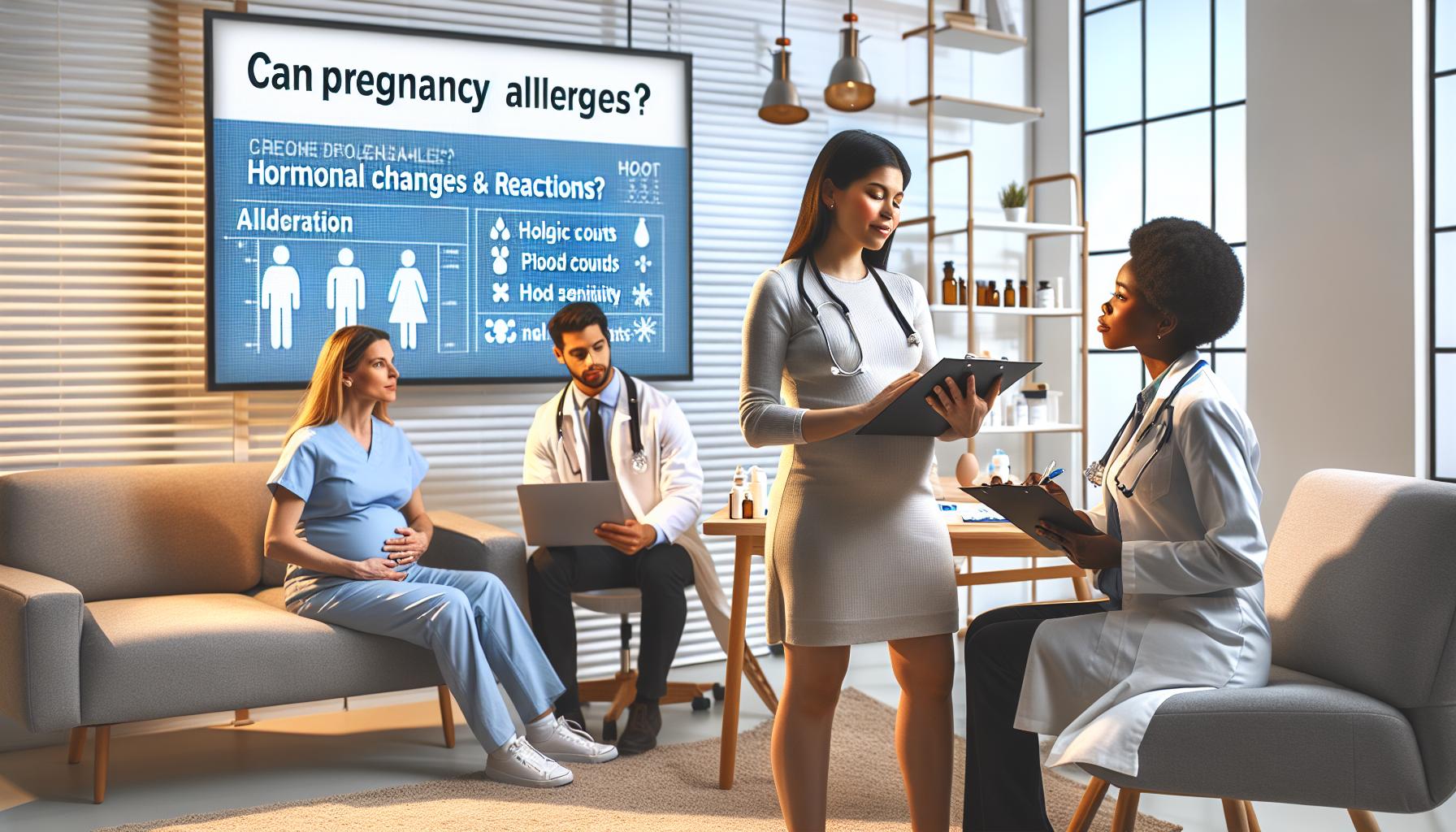
Hormonal Fluctuations and Their Allergic Impact
Pregnancy brings a myriad of changes to a woman’s body, and among these, hormonal fluctuations can significantly influence allergic responses. The elevated levels of hormones such as estrogen and progesterone during pregnancy can alter immune system functioning and may lead to either the enhancement or suppression of allergic reactions. For some women, this might mean a reprieve from seasonal allergies, while for others, it could trigger new sensitivities or worsen existing conditions.
As hormones fluctuate, the body’s immune response also undergoes adjustments aimed at protecting both mother and baby. The interplay between pregnancy hormones and mast cells-the cells that play a crucial role in allergic reactions-can be complex. For instance, during this period, mast cells are more readily activated, potentially increasing susceptibility to allergens like pollen, dust mites, or pet dander. It’s essential to monitor changes in allergy symptoms closely, particularly if you notice an uptick in sneezing, nasal congestion, or skin rashes.
To address these changes effectively, consider these steps:
- Keep a symptom diary: Document when your symptoms occur and any potential triggers. This can provide valuable insights when discussing your condition with a healthcare provider.
- Consult an allergist: If you have a history of allergies, it’s wise to connect with an allergist early in your pregnancy. They can offer tailored advice and treatment options based on your medical history.
- Explore natural remedies: Saline nasal sprays, humidifiers, and maintaining a clean home environment can help alleviate symptoms without introducing medications that could affect your baby.
Understanding how hormonal changes can impact allergy responses empowers pregnant women to navigate this challenging time more confidently. While the experience may vary from person to person, being proactive and informed can help manage symptoms and support overall well-being.
Common Allergies That May Surface During Pregnancy
As pregnancy progresses, many women may find themselves experiencing new allergies or heightened sensitivity to allergens they previously tolerated. This shift can be attributed to the significant hormonal fluctuations that occur during pregnancy, particularly the increase in hormones like estrogen and progesterone, which can impact the immune system and alter how the body reacts to various allergens.
Common allergens that may become problematic during pregnancy include pollen, dust mites, mold, pet dander, and certain foods. Sneezing, nasal congestion, rashes, and even respiratory issues can emerge or intensify due to these triggers. For instance, women who had mild seasonal allergies may notice that their symptoms worsen during peak pollen seasons. Similarly, those with a history of eczema might find that their skin sensitivities are exacerbated, leading to discomfort and irritation. Understanding these potential changes can empower expectant mothers to take proactive steps in managing their symptoms.
To effectively navigate these allergy challenges, it’s beneficial to reduce exposure to known allergens and enhance your environment. Here are some actionable strategies:
- Maintain a clean living space: Regularly dust and vacuum your home, using a vacuum equipped with a HEPA filter to minimize dust and dander. Consider using air purifiers to improve indoor air quality.
- Monitor outdoor conditions: Stay informed about pollen counts and limit outdoor activities on high pollen days. Wearing a mask outdoors can also reduce inhalation of allergens.
- Evaluate dietary choices: For those with food allergies or sensitivities, it is crucial to identify and avoid trigger foods. Keeping a food diary can be a helpful tool in tracking any adverse reactions.
By staying aware of potential allergens and their impact during pregnancy, women can navigate this sensitive time with greater confidence. Consulting with healthcare providers or allergists can provide personalized guidance and support, ensuring both mother and baby remain healthy and comfortable throughout the pregnancy journey.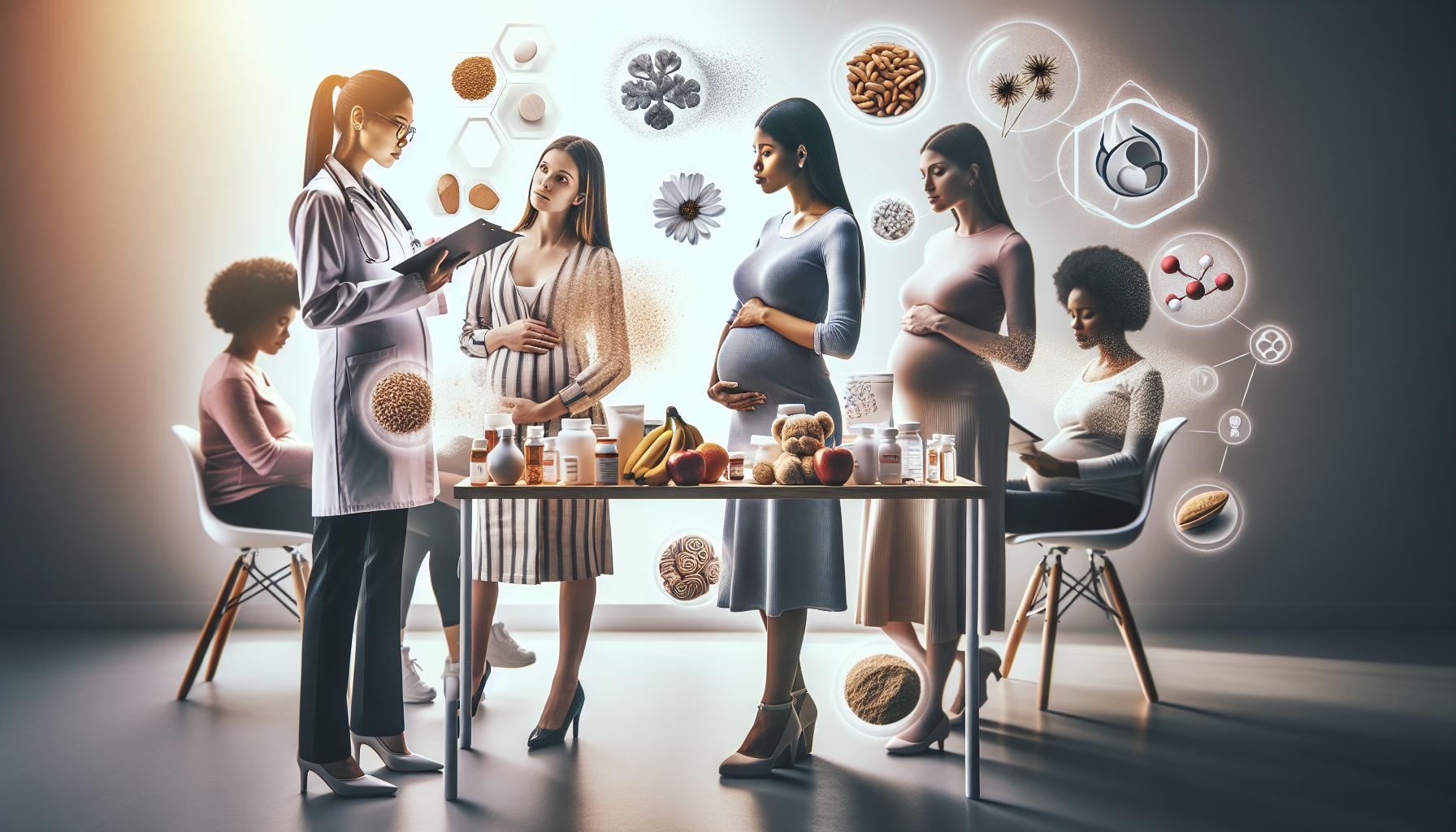
Understanding Pregnancy-Safe Allergy Treatments
While pregnancy can bring a host of beautiful changes, it can also introduce challenging allergy symptoms, leaving many expectant mothers seeking effective and safe relief. Understanding how to manage allergies during this delicate time is essential, not only for the mother’s well-being but also for the health of the developing baby. With the right strategies and insights, relief is possible without compromising safety.
First and foremost, consulting with healthcare providers is crucial when considering allergy treatments. Many traditional over-the-counter medications may not be suitable for pregnant women. For instance, certain antihistamines and nasal sprays can be used with caution, under the guidance of a doctor. Moreover, the second trimester is often the safest time for women to use some medications, as the baby’s major organs are already developed by this stage. Commonly recommended options may include:
- Saline nasal sprays: These can help relieve nasal congestion without the risks associated with medicated sprays.
- Notable antihistamines: Medications such as loratadine (Claritin) and cetirizine (Zyrtec) are generally considered safe during pregnancy, but always verify with a healthcare provider.
- Topical treatments: For skin-related allergies, corticosteroid creams might be prescribed for localized rashes, offering relief without systemic effects.
In addition to pharmacological approaches, natural remedies and lifestyle modifications can support allergy management effectively. Some mothers-to-be find that making simple changes in their environment can significantly reduce allergen exposure. For example:
- Using hypoallergenic bedding: This can minimize dust mite exposure, a common allergen.
- Incorporating air filters: HEPA filters in home HVAC systems can help trap allergens that might trigger symptoms.
- Practicing good hygiene: Regularly washing hands and showering after outdoor activities can reduce pollen transfer to skin and clothes.
Empowering expectant mothers to take control over their allergy symptoms involves understanding these treatments, both medical and holistic. With careful planning and a proactive approach, women can navigate allergy challenges during pregnancy, ensuring they remain healthy and focused on the joys of impending motherhood. Remember, communication with healthcare professionals remains paramount, guiding decisions that prioritize both maternal and fetal health.
The Role of Immune System Changes in Pregnancy
During pregnancy, the immune system undergoes significant changes that can drastically impact how a woman’s body responds to allergens. This transformation is primarily geared towards protecting the developing fetus while still allowing the mother to fend off infections. Interestingly, these immune adaptations can sometimes trigger or intensify allergic reactions, as the body recalibrates its response to allergens it previously tolerated.
As pregnancy progresses, hormone levels, particularly progesterone and estrogen, rise dramatically. These hormonal fluctuations can alter immune system function, shifting it from a more aggressive stance to one that is more tolerant of potential allergens. This immunological shift is crucial for accepting the presence of the fetus, which is genetically distinct from the mother. However, for some women, this shift might lead to increased sensitivity or even new allergic responses to substances such as pollen, dust mites, or certain foods.
Understanding these changes can empower expectant mothers to take proactive steps in managing allergies. Keeping a detailed diary of allergy symptoms can help identify triggers, making it easier to avoid them. Additionally, maintaining a clean and allergen-free environment is essential. Regular cleaning, using air purifiers, and incorporating low-allergen materials into the home can create a more comfortable living space.
With these strategies, pregnant women can navigate the complexities of their changing immune systems while minimizing allergy discomfort. Balancing the body’s altered defenses with thoughtful management and preventive measures can contribute to a healthier pregnancy experience. Embracing these changes with knowledge and proactive strategies can foster a positive mindset, allowing mothers-to-be to focus on the journey ahead with confidence.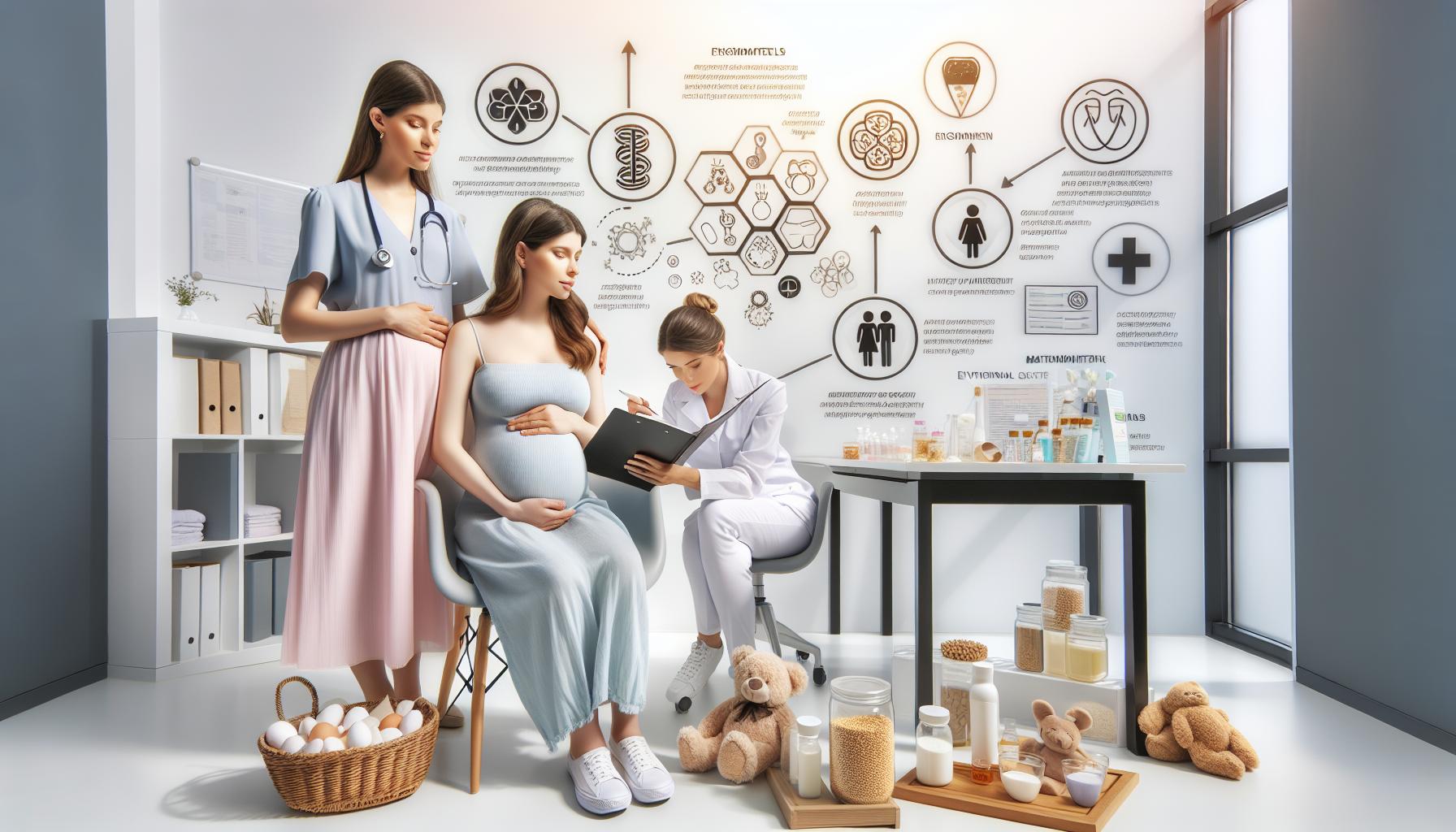
Environmental Factors and Allergy Triggers for Expecting Mothers
Pregnancy can significantly alter a woman’s sensitivity to environmental allergens, making it crucial to identify and manage potential triggers. Many expecting mothers may find that substances they previously tolerated well become problematic during this time. Common environmental triggers include dust mites, pet dander, mold, and pollen. Each of these can provoke allergic reactions that range from mild sneezing to more serious respiratory complications, emphasizing the need for vigilance in creating a supportive and allergen-free environment.
To mitigate exposure to allergens, consider implementing some practical strategies within your home. Start by maintaining a clean living space; regular vacuuming and dusting can dramatically reduce dust mite populations. Opt for hypoallergenic bedding and furniture, which can provide a more restful environment for sleep and relaxation. Using high-efficiency particulate air (HEPA) filters in your home’s heating and cooling systems can help trap airborne allergens, improving indoor air quality. Moreover, vigilant management of humidity levels can prevent mold growth, another common allergen that flourishes in damp areas.
Outdoor exposure is also a significant factor for pregnant women experiencing increased allergy symptoms. During peak pollen seasons, it may be beneficial to stay indoors on windy days or after heavy rains when pollen levels are elevated. If outdoor activities are unavoidable, taking measures such as wearing sunglasses and a hat can help shield your eyes and face from allergens. Showering and changing clothes after being outside can further limit the transfer of outdoor allergens into your home.
Empowering expectant mothers with knowledge about environmental factors can pave the way toward a more comfortable pregnancy. Planning ahead by tracing potential allergy sources and taking proactive measures can mitigate uncomfortable symptoms. By crafting a clean and controlled environment and adopting habits to reduce exposure, navigating the allergy challenges of pregnancy can be made significantly easier, allowing for a healthier and more enjoyable experience.
Identifying Food Allergies and Sensitivities in Pregnancy
Pregnancy is a time of extraordinary change, and for many women, it can also signal the onset of new food allergies or the intensification of existing sensitivities. Hormonal shifts during this period alter how the immune system responds, potentially making expectant mothers more susceptible to reactions from foods they have previously toleranted. Recognizing these changes is vital for maintaining both maternal and fetal health.
To start identifying potential food allergies and sensitivities, keeping a detailed food diary can be incredibly beneficial. Record what you eat, as well as any symptoms that arise, such as digestive discomfort, skin rashes, or respiratory issues. This practice allows you to observe patterns and pinpoint specific foods that may be triggering reactions. Consider common culprits like dairy, gluten, nuts, and seafood, as these are frequently associated with allergies or intolerances.
Steps to Identify Food Allergies
- Consult a Healthcare Professional: If you suspect food allergies, discussing these concerns with your healthcare provider is essential. They may recommend allergy testing or refer you to a specialist for further evaluation.
- Elimination Diet: Under the guidance of a healthcare professional, try an elimination diet. Remove suspected allergens from your diet for a few weeks, then gradually reintroduce them one at a time, monitoring for any adverse reactions.
- Educate Yourself: Understanding the difference between food allergies and food sensitivities is crucial. Allergies typically involve the immune system’s response, causing symptoms like hives or anaphylaxis, while sensitivities tend to result in digestive issues.
- Manage Overall Diet: Focus on a balanced diet rich in fruits, vegetables, whole grains, and lean proteins, which can help support overall health during pregnancy and potentially reduce sensitivity levels.
Identifying food allergies during pregnancy is not just about avoiding triggers; it also involves ensuring that you and your baby receive all the necessary nutrients. Balancing this need with potential intolerances can seem daunting, but with careful tracking, professional guidance, and a proactive approach, you can safeguard your dietary health throughout pregnancy. This period may pose challenges, but with knowledge and support, you can navigate food sensitivities and allergies effectively, paving the way for a healthy and enjoyable pregnancy experience.
Managing Existing Allergies While Pregnant
Managing allergies during pregnancy can feel particularly challenging, as hormonal changes can amplify reactions and make it harder to navigate dietary choices. For many women, existing allergies may worsen or new sensitivities may arise, requiring proactive management strategies to ensure both comfort and safety. It’s crucial to approach this situation with a blend of caution and empowerment, recognizing that there are practical steps to minimize allergic responses and maintain overall health.
To effectively manage existing allergies, start by keeping a comprehensive symptom diary. Documenting your food intake, environmental exposures, and any allergic reactions can help you and your healthcare provider identify potential triggers. For instance, if you’ve previously managed to eat dairy products without issues but notice increased discomfort during pregnancy, it may be time to reconsider your consumption. This record-keeping not only aids in identifying patterns but also helps in making informed decisions about dietary adjustments.
Regular consultation with healthcare professionals is vital. Early in your pregnancy, consider scheduling appointments with both your obstetrician and an allergist. They can collaborate to create a tailored management plan, including safe allergy medications, which can alleviate symptoms without compromising fetal health. For many women, allergy medications such as certain antihistamines may still be appropriate, but they should always be taken under medical advice.
In addition to medication management, explore dietary modifications that support overall well-being. Elimination diets can be beneficial but should be done cautiously under professional guidance to ensure you’re not inadvertently depriving yourself of essential nutrients during this crucial time. A balanced diet, rich in fruits, vegetables, and whole grains, can bolster your immunity and potentially reduce the frequency and severity of allergic reactions.
Finally, understand the importance of stress management. Pregnancy can be a time of heightened emotions, and stress is known to worsen allergy symptoms for many individuals. Incorporate relaxation techniques such as yoga or meditation to help keep stress levels in check. By taking proactive steps, such as seeking professional advice, maintaining a detailed health journal, and managing stress, you can navigate the challenges of existing allergies during pregnancy with confidence and care.
Alternative Therapies for Allergy Relief in Pregnancy
Many expecting mothers find themselves dealing with allergies in a way they never anticipated, with hormonal fluctuations potentially heightening sensitivities during pregnancy. While conventional allergy medications are sometimes safe to use under guidance, exploring alternative therapies can provide additional relief and comfort during this unique time. Natural remedies and holistic approaches might not only alleviate symptoms but also support overall wellness.
One popular approach is the use of he saline nasal sprays or neti pots to rinse allergens from the nasal passages. This practice can reduce congestion and irritation, effectively clearing out particles that trigger allergic reactions. Additionally, incorporating essential oils, such as lavender or eucalyptus, through diffusion or diluted topical application, may help clear sinuses and promote relaxation. However, ensure that any essential oils used are safe for pregnancy and well-tolerated.
Another promising method involves acupuncture, which has been shown to alleviate various pregnancy discomforts, including allergy symptoms. By seeking a qualified practitioner, pregnant women may experience tailored treatments that balance energy pathways and reduce the intensity of allergies without medication. Many patients report significant symptom relief and improved overall wellness following sessions.
For dietary strategies, a probiotic-rich diet can support gut health, which is intricately connected to immune function. Foods such as yogurt, kefir, and fermented vegetables may help balance the microbiome and potentially reduce allergic responses. It’s advisable to consult with a healthcare provider before making significant changes to your diet to ensure it aligns with your nutritional needs during pregnancy.
Lastly, consider engaging in gentle mindfulness practices or yoga. Stress can exacerbate allergy symptoms, and activities that promote relaxation can significantly impact overall health and wellbeing. Simple breathing exercises or guided meditations can ease anxiety and may even enhance respiratory function, providing a sense of calm amidst the challenges of allergies. By embracing these holistic methods, pregnant women may find not only relief from their allergy symptoms but also a sense of empowerment during their pregnancy journey.
The Influence of Stress on Allergies During Pregnancy
Experiencing allergies during pregnancy can be particularly challenging, especially as stress levels fluctuate in this transformative time. Stress does not just impact emotional well-being; it can also heighten allergic reactions. Research indicates that heightened stress can lead to increased inflammation in the body, facilitating greater sensitivity to allergens. This means that for pregnant women already grappling with allergies, managing stress effectively is crucial not only for mental health but also for reducing the severity of allergic symptoms.
To combat stress and its allergy-aggravating effects, consider implementing a multi-faceted approach:
- Mindfulness and Meditation: Practicing mindfulness techniques, such as meditation and deep-breathing exercises, can help lower stress levels significantly. Even dedicating just a few minutes a day to focus on your breath and relax your mind can yield powerful effects on your overall well-being.
- Regular Exercise: Engaging in gentle physical activities like walking, swimming, or prenatal yoga can serve as both a stress reliever and a way to strengthen your body. Exercise releases endorphins, which enhance mood and can lead to a decreased perception of stress.
- Support Systems: Building a network of support among family and friends can provide emotional relief. Share your feelings and experiences with trusted individuals to help alleviate anxiety levels.
- Healthy Sleep Habits: Prioritizing restorative sleep is essential during pregnancy. Consider establishing a calming nighttime routine, free from screens and distractions, to improve sleep quality and combat fatigue-related stress.
Moreover, understanding your body’s responses during pregnancy can empower you to take proactive steps. Keeping a symptom diary can help identify triggers-both stress-related and environmental-that may exacerbate allergies. This diary could also track the effectiveness of various stress-reducing techniques alongside any allergy symptoms.
Remember, seeking professional help from a healthcare provider who understands the unique challenges of pregnancy can also be beneficial. From counseling to dietary adjustments, there are many resources available to support you through this journey. By implementing these strategies, you can find greater balance and relief, ultimately enhancing both your emotional well-being and physical health during this significant phase of life.
How to Prepare for Allergy Symptoms Before Delivery
As the time approaches for delivery, preparing for potential allergy symptoms is crucial for expecting mothers, especially considering the hormonal fluctuations and heightened sensitivities that pregnancy can bring. It is essential to create a proactive plan that not only addresses existing allergies but also anticipates how they might alter as the body undergoes the final stages of pregnancy and the transition into motherhood.
Start by consulting with your healthcare provider to discuss your allergy history and any changes you’ve experienced during pregnancy. Having a clear understanding of your allergy triggers enables you to develop a personalized action plan. Keep a detailed diary of symptoms leading up to delivery, documenting any new allergic reactions or changes in your existing allergies. This record can help you and your healthcare provider make informed decisions about what to expect and how to manage symptoms effectively.
Effective Strategies for Preparation
- Medication Review: Schedule a medication check with your healthcare provider to ensure that any allergy medications you plan to use during and after delivery are safe for breastfeeding and compatible with your health needs.
- Create an Allergy Kit: Put together a kit that includes essential allergy relief items such as saline nasal sprays, antihistamines that are safe during pregnancy, or any prescribed medications. Also, include items like a cooling cloth for skin reactions or a nasal inhaler if respiratory symptoms occur.
- Environment Control: Prepare your home environment to minimize allergen exposure. This includes regular cleaning to reduce dust and pet dander, using air purifiers, and avoiding known allergens in your immediate surroundings.
- Emergency Plan: Develop a plan for how to handle severe allergic reactions. Make sure your partner, family members, or caregivers are aware of your allergies, know how to recognize symptoms of a reaction, and understand when and how to use an epinephrine auto-injector if necessary.
Engaging your support network can also play a crucial role during this time. Talk to family and friends about your allergies and preparations so they can assist you and help minimize exposure to allergens during visits. Additionally, attend childbirth and parenting classes that cover allergy awareness and management, ensuring you have the knowledge to navigate allergy symptoms once your baby arrives.
Being proactive in preparing for allergy symptoms before delivery empowers you to focus on the joy of welcoming your new child rather than being overwhelmed by allergic reactions. With thoughtful planning and support, you can take charge of your health and create a safer environment for both you and your newborn.
Postpartum Allergy Changes: What to Expect
Postpartum is a time of significant transition, and the changes occurring in your body can influence allergies in unexpected ways. While many women find relief from pregnancy-related allergy symptoms after delivery, others may experience new sensitivities or exacerbations of existing allergies due to hormonal fluctuations, changes in immune system response, and environmental factors associated with caring for a newborn.
In the weeks following birth, hormone levels-particularly estrogen and progesterone-begin to stabilize, which can lead to differences in how your body reacts to allergens. For example, some women might notice fewer allergy symptoms postpartum, while others may find that they are more susceptible to triggers they previously managed well. This variance can prompt a myriad of reactions, including skin irritations, respiratory issues, or even food allergies.
To navigate the potential changes, it’s essential to monitor your symptoms closely. Keeping a diary to track any new allergic reactions or heightened sensitivities can provide valuable insights for you and your healthcare provider. Here are some practical steps to consider:
- Consult a Professional: Schedule a follow-up appointment with your healthcare provider to discuss any significant changes in your allergy symptoms. They can offer recommendations for safe treatments, especially if you’re breastfeeding.
- Review Your Environment: Adjust your home environment to accommodate any new allergies. This includes frequent cleaning to eliminate dust, mold, and pet dander, and using air purifiers to enhance indoor air quality.
- Stay Informed: Keep yourself educated about potential allergens and safe management strategies. If you develop new allergies, understanding how to avoid triggers can help you maintain your well-being.
- Support Network: Engage your spouse or support network in recognizing and managing allergy symptoms as they arise. Open communication can help everyone be more aware and sensitive to your needs.
It’s also worth considering the emotional aspects of motherhood, as stress and fatigue can trigger allergic reactions. Recognize that self-care is vital during this time, and take moments to relax and recharge whenever possible. With mindfulness and strategic planning, you can effectively manage your allergies during this transitional phase while enjoying the new joys of motherhood.
Q&A
Q: Can hormonal changes during pregnancy cause allergies to develop?
A: Yes, hormonal changes during pregnancy can trigger or exacerbate allergies. Fluctuations in hormones, particularly estrogen and progesterone, may affect immune responses, potentially leading to increased sensitivity to allergens. If you’re experiencing new allergy symptoms, consult your healthcare provider [1[1].
Q: What new allergies might pregnant women experience?
A: Pregnant women may develop new allergies to common allergens such as pollen, dust mites, pet dander, and certain foods. This can happen due to changes in the immune system and hormonal fluctuations. Monitoring and managing exposure can help alleviate symptoms [2[2].
Q: How can I safely treat allergies while pregnant?
A: Safe treatment options for allergies during pregnancy include saline nasal sprays, certain antihistamines like loratadine or cetirizine, and non-drowsy options recommended by your doctor. Always discuss any medication with your healthcare provider before use [1[1].
Q: Are there environmental factors that influence allergies during pregnancy?
A: Yes, environmental factors such as increased exposure to allergens like mold and dust, as well as changes in air quality, can influence allergy symptoms during pregnancy. Maintaining a clean living environment and using air purifiers may help reduce symptoms [2[2].
Q: How does stress affect allergies in pregnant women?
A: Stress can exacerbate allergy symptoms during pregnancy by negatively impacting the immune system. Practicing stress-relief techniques such as prenatal yoga, deep breathing, or meditation may help manage both stress and allergy symptoms effectively [1[1].
Q: Can food allergies change during pregnancy?
A: Yes, pregnancy can alter the body’s response to food allergens. Some women may find that they develop new food sensitivities or that existing allergies become more pronounced. Keeping a food diary and consulting a healthcare provider is recommended for managing these changes [1[1].
Q: What precautions should I take if I have existing allergies and become pregnant?
A: If you have existing allergies, consult your healthcare provider before becoming pregnant to discuss management plans. Ensure you have an action plan for allergy symptoms and keep necessary medications readily available [2[2].
Q: What should I know about postpartum allergy changes?
A: After delivery, it’s common for allergy symptoms to fluctuate. Some women may experience relief from allergies, while others may find their symptoms worsen. Monitoring your health and discussing any significant changes with your healthcare provider is crucial [1[1].
The Way Forward
As we explored, pregnancy can indeed trigger allergies due to hormonal changes and heightened immune responses. Understanding these shifts is crucial for managing symptoms effectively. If you’re experiencing unusual allergy reactions during this time, don’t hesitate to consult your healthcare provider for tailored advice and solutions to ensure both your comfort and the health of your baby. For further reading on managing pregnancy-related allergies and healthy pregnancy practices, check out our articles on promoting a healthy pregnancy and fetal development during the first trimester.
Stay informed and empowered throughout your pregnancy journey-subscribe to our newsletter for expert tips and support tailored to your needs. Your experiences and questions matter, so feel free to share in the comments below or explore more content on related topics. Together, we can navigate this beautiful yet challenging time!


