For those with a shellfish allergy, navigating food choices can be a daunting task, especially when it comes to imitation crab. Although often made from fish and lacking actual shellfish, many wonder whether it’s truly safe to enjoy. The good news is that with the right knowledge and precautions, you can make informed decisions that prioritize your health and happiness.
Understanding the ingredients and potential allergens in imitation crab is essential for anyone affected by shellfish allergies. Many are understandably cautious, fearing adverse reactions that can arise from unexpected cross-contamination or hidden shellfish-derived ingredients. This guide seeks to clarify whether imitation crab is a safe option for you, empowering you to make confident choices when dining out or preparing meals at home.
Join us as we explore safety tips, ingredient breakdowns, and personal experiences, providing you with the clarity you need to enjoy your culinary adventures without compromising your well-being. Your safety and peace of mind matter, and we’re here to help you navigate these delicious waters.
Understanding Shellfish Allergies and Their Risks
Shellfish allergies are among the most common food allergies, affecting millions of people worldwide. The immune system mistakenly identifies proteins found in shellfish as harmful, triggering various allergic reactions that can range from mild symptoms to severe, life-threatening anaphylaxis. Understanding the risks associated with shellfish allergies is crucial, especially for those who love seafood but must navigate the complexities of food safety. Individuals with a shellfish allergy must remain vigilant, as even trace amounts of shellfish can provoke a reaction.
The most significant risk comes from cross-reactivity; individuals allergic to one type of shellfish may also react to others. This means that someone allergic to shrimp may also need to avoid crab, lobster, and even some mollusks like clams and mussels. It’s essential for those with shellfish allergies to familiarize themselves with the specific types of shellfish that may trigger their reactions and to communicate their allergies clearly to friends, family, and restaurant staff.
To manage risks effectively, individuals should educate themselves on reading ingredient labels, understanding the signs of cross-contamination, and adopting precautionary measures when dining out or preparing food at home. Strategies like preparing meals from scratch, using separate utensils and cooking surfaces, and always asking about food preparation methods when eating out can significantly reduce the risk of accidental exposure. By being proactive and informed, individuals with shellfish allergies can lead enriched lives while safely enjoying their meals.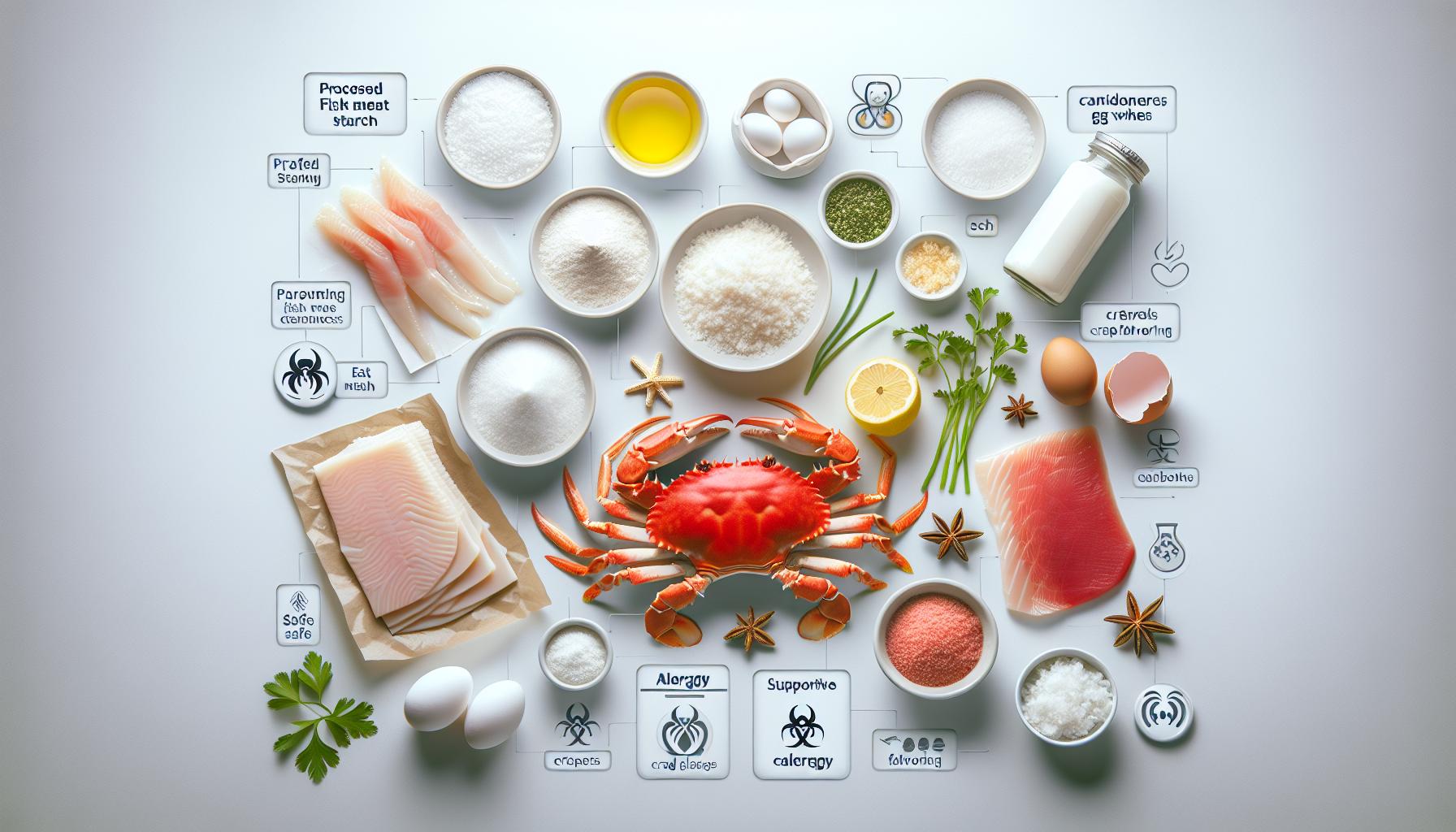
What Is Imitation Crab Made Of?
Imitation crab, often found in sushi rolls and seafood salads, is commonly made from a blend of ingredients, primarily surimi, which is finely processed fish. Typically, pollock is the fish of choice due to its mild flavor and low cost, but other white fish may also be used. The process of creating imitation crab involves grinding these fish proteins into a paste, then mixing in starches, egg whites, flavor enhancers, and sometimes other seafood flavorings. To achieve that unmistakable crab-like texture and taste, food manufacturers often add natural flavors, colors, and seasonings, resulting in a product that mimics the look and feel of real crab meat.
Many individuals with shellfish allergies may wonder if imitation crab is a safe alternative to real crab. Here lies a significant concern: while the main component is fish, imitation crab products can sometimes contain shellfish byproducts or be processed in facilities where shellfish is present. This cross-contamination risk can be hazardous. Even if a product is labeled as imitation crab, it could still provoke an allergic reaction in sensitive individuals. Therefore, it’s crucial for those with shellfish allergies to scrutinize ingredient labels carefully and opt for brands that clearly state the absence of shellfish derivatives.
When selecting imitation crab, it’s beneficial to familiarize yourself with specific label indications and certifications. Look for products that clearly identify as “shellfish-free” and check for allergen statements. It may also be helpful to reach out to manufacturers directly to confirm processing practices. Those who are particularly sensitive may want to consider using alternatives like cooked chicken or plant-based seafood products, which can provide a similar texture without the associated risks. By being informed and proactive, individuals can enjoy their meals safely without compromising on flavor or experience.
Is Imitation Crab Safe for Shellfish Allergy Sufferers?
Many seafood lovers with shellfish allergies find themselves yearning for the taste and texture of crab without the associated health risks. Imitation crab, commonly made from surimi (processed fish), presents a tempting option. However, the safety of imitation crab for those with shellfish allergies is nuanced and requires careful consideration.
The key element to understand is that while imitation crab is predominantly fish-based, it can sometimes contain shellfish byproducts or be manufactured in environments where cross-contamination with shellfish occurs. This presents a considerable risk for individuals with shellfish allergies, as even trace amounts of shellfish proteins may elicit severe allergic reactions. Therefore, it’s vital for those with allergies to thoroughly read ingredient labels and choose products that specifically state they are free of shellfish components. Looking for certifications that indicate allergen-free processing can also provide additional peace of mind.
To enhance safety when considering imitation crab, here are some practical steps to take:
- Read Labels Carefully: Always check the ingredient list for any mention of shellfish-derived ingredients.
- Choose Trusted Brands: Opt for brands that openly disclose their manufacturing processes and have allergen-free certifications.
- Contact Manufacturers: If uncertain, reaching out directly to companies can clarify ingredients and processing practices.
- Explore Alternatives: Consider using substitutes like cooked chicken, tofu, or plant-based seafood alternatives, which can mimic the texture without the allergic risks.
In real-life scenarios, many shellfish allergy sufferers have chosen to avoid imitation crab altogether after experiencing close calls with allergic reactions. Others have successfully incorporated it into their diets by taking the necessary precautions. The decision ultimately rests on individual comfort levels and sensitivities, but by being informed and proactive, those with shellfish allergies can navigate food choices more safely and enjoy meals with confidence.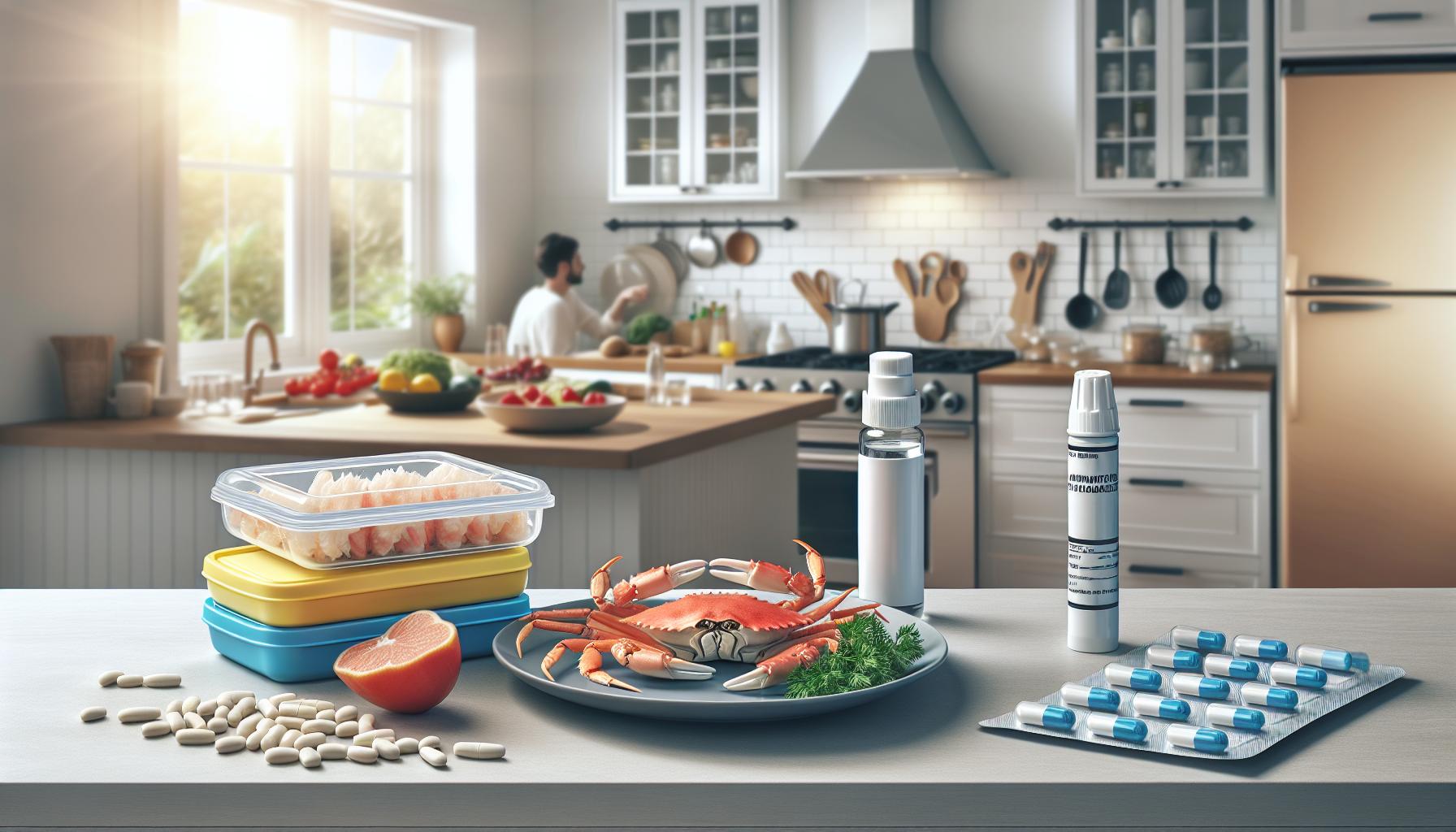
Potential Cross-Contamination Risks with Imitation Crab
Many individuals with shellfish allergies face an ongoing dilemma with imitation crab, often made from surimi, a processed fish product. While this alternative offers a way to enjoy the texture and flavor reminiscent of crab dishes, the risk of cross-contamination in its production cannot be overlooked. Even minute traces of shellfish in imitation crab can trigger severe allergic reactions, highlighting the importance of caution.
When imitation crab is processed, it may be made in facilities that also handle shellfish. This overlapping manufacturing environment poses a significant danger for those allergic to shellfish, as cross-contact can occur during production. Consequently, the handling equipment or surface where imitation crab is processed could inadvertently come into contact with shellfish residue, introducing allergens into what should otherwise be a safe product for those with allergies. Therefore, it’s crucial for consumers to verify whether the brands they choose explicitly guarantee allergen-free processes.
To mitigate these risks, consider the following approaches to ensure safer consumption of imitation crab:
- Research Brands: Identify brands that are transparent about their processes and specifically state that their products are made in shellfish-free environments.
- Look for Certifications: Seek products with allergen-free certifications, which can offer added assurance against cross-contamination.
- Stay Informed: Regularly consult with allergy awareness groups or forums to share experiences and receive recommendations from others with similar dietary restrictions.
- Consider Peer Experiences: Understand that many allergy sufferers share their stories regarding imitation crab; use these experiences as a guide in your choices.
Taking these proactive steps not only helps manage the risks associated with cross-contamination but also empowers those with shellfish allergies to enjoy their meals with greater confidence. Remember, while imitation crab can be a tasteful substitute, its consumption should always be approached with caution and thoroughness.
How to Read Labels: Identifying Safe Imitation Crab
Recognizing safe imitation crab products can feel intimidating, especially for those who are allergic to shellfish. The key to navigating this challenge lies in mastering the art of label reading. When you pick up an imitation crab product, first look for the ingredient list, which should clearly outline what the product contains. Imitation crab is often made from surimi, a processed fish product, but additional ingredients can vary greatly between brands and products. Moreover, it’s essential to watch for any potential allergens listed-including shellfish, fish, or any derivatives that might indicate contamination risks.
Understanding Allergen Statements
Many manufacturers include allergen statements on their packaging. These statements can be crucial in your decision-making process. Look for phrases such as “may contain” or “processed in a facility that also handles shellfish.” These alerts can indicate potential cross-contamination risks. A product that states it is made in a dedicated facility free from shellfish contamination is typically a safer choice.
Certifications and Brand Transparency
Additionally, seek out brands that have third-party allergen-free certifications. This assurance can play a vital role in building your confidence when selecting imitation crab products. Brands that take their commitment to allergen safety seriously are likely to disclose their manufacturing processes on their websites or packaging, highlighting a transparent approach that consumers with sensitivity should prioritize.
Practical Steps for Safer Choices
- Always check the ingredient list for any shellfish-related terms or fish ingredients that are not clearly identified.
- Look for allergen statements regarding cross-contamination or safety assurances.
- Choose brands that are well-reviewed by others in the allergy community, as shared experiences can offer valuable insights.
- Consider reaching out to brands directly for clarity regarding their manufacturing practices.
By equipping yourself with the knowledge to read labels effectively, you empower yourself to make informed decisions regarding imitation crab consumption while managing your shellfish allergy. This proactive approach not only safeguards your health but also enhances your culinary experience, allowing for enjoyable meals free from worry.
Alternatives to Imitation Crab for Allergy-Friendly Meals
For those navigating the challenges of a shellfish allergy, the culinary world can sometimes feel limiting, especially when it comes to seafood alternatives like imitation crab. However, there are numerous options that can mimic the texture or flavor profile of crab without posing a risk for allergic reactions. Embracing creativity in the kitchen can lead to satisfying meal options that are both delicious and safe.
One of the most popular alternatives is jackfruit, known for its fibrous texture that resembles shredded meat. When cooked and seasoned, jackfruit can take on savory flavors, making it a delightful stand-in for crab in salads, tacos, or sandwiches. In addition, artichoke hearts provide a unique, earthy taste that complements various dishes. They can be chopped and mixed into dips or salads, delivering a satisfying bite without shellfish concerns.
Vegetarians and vegans might find tofu or tempeh useful substitutes. Both are excellent sources of protein and can be marinated to absorb flavors similar to those found in seafood dishes. For a unique twist, mushrooms-particularly varieties like oyster or shiitake-can lend an umami depth to meals. When sautéed or grilled, mushrooms can absorb seasonings well and provide a chewy texture that echoes that of crab.
If you’re specifically looking for seafood alternatives with the same taste attributes as crab, consider fish species like cod or tilapia. Although not shellfish, these fish can provide a satisfying seafood flavor complemented by herbs and spices. Also, seaweed products, such as nori or kombu, can introduce a marine essence to your dishes while ensuring safety for those with shellfish allergies.
When creating meals with these alternatives, it’s vital to keep seasoning in mind. Use citrus, fresh herbs, spices, and sauces to emphasize flavors and enhance dishes. Incorporating these elements can transform meals into exciting culinary adventures without the need for imitation crab. By exploring these diverse options, individuals with shellfish allergies can enjoy flavorful meals and feel empowered in their dietary choices.
Symptoms of Shellfish Allergic Reactions to Watch For
Experiencing symptoms of a shellfish allergy can be frightening, especially since reactions can range from mild to severe, impacting daily life. Individuals who are allergic to shellfish may react to both crustaceans (like shrimp and crab) and mollusks (like clams and oysters). Understanding the signs of allergic reactions is essential for managing this condition effectively and ensuring safety, particularly when navigating foods like imitation crab.
Common early symptoms often include skin reactions such as hives or eczema, which can develop shortly after consumption. Additionally, many individuals experience gastrointestinal issues like nausea, vomiting, or diarrhea. These symptoms may be accompanied by respiratory difficulties, including wheezing, shortness of breath, or throat swelling. In some cases, individuals might observe anaphylactic shock, which is a life-threatening response characterized by a rapid onset of symptoms that can include a drop in blood pressure, heart palpitations, and fainting. If any of these severe symptoms arise, it’s crucial to seek emergency medical assistance immediately.
### Recognizing Signs of Shellfish Allergies
- Skin reactions: Hives, itching, or eczema
- Gastrointestinal issues: Nausea, vomiting, diarrhea
- Respiratory difficulties: Wheezing, shortness of breath, throat swelling
- Severe reactions: Anaphylaxis-characterized by rapid onset of symptoms, a drop in blood pressure, and potential loss of consciousness
Being aware of these symptoms can help individuals respond quickly and appropriately. Keeping an emergency plan, including access to antihistamines or an epinephrine auto-injector, can provide much-needed peace of mind. It’s important to discuss with healthcare providers how to best manage allergies, including obtaining an allergy action plan tailored to individual needs.
Knowing your body and how it reacts to different foods is empowering. Keeping a food diary may help identify potential triggers and symptoms. Observing how your body responds to imitation crab or any seafood alternative can help establish safe dietary habits, contributing to a healthier, happier lifestyle despite any dietary restrictions.
Consulting Your Doctor: When to Seek Advice
Consulting a healthcare provider about shellfish allergies is vital for ensuring personal safety and understanding the intricacies of dietary restrictions. Many individuals feel anxious and uncertain regarding what they can eat, particularly when navigating foods like imitation crab, which may contain ingredients that could provoke a reaction. Seeking professional advice is not just about managing immediate concerns; it’s about developing a comprehensive allergy management plan tailored to your specific needs.
If you suspect you have a shellfish allergy or have experienced reactions in the past, it’s crucial to schedule an appointment with a doctor or allergist. During this consultation, be prepared to discuss your symptoms, their onset, and any previous allergic reactions, as this information will aid in diagnostic processes. A healthcare professional may recommend allergy testing, such as skin prick tests or blood tests, which can help confirm the allergy and gauge its severity. Understanding the specific shellfish you are allergic to-such as crustaceans versus mollusks-can significantly inform your dietary choices.
Moreover, ongoing consultations are beneficial, especially as new products and substitutes for seafood enter the market. For instance, many people wonder about foods like imitation crab, which often comprises fish such as pollock and may or may not contain shellfish derivatives. Engaging your doctor can clarify these concerns and help establish safe eating practices. Discuss the potential risks of cross-contamination, particularly in restaurants or household kitchens, and develop strategies to mitigate them, such as always informing staff about your allergy.
Another proactive step is to create an emergency action plan with your healthcare provider. This plan should include guidelines on what to do in case of accidental exposure and provide prescriptions for emergency medications like antihistamines or an epinephrine auto-injector. The more informed and prepared you are, the more empowered you will feel navigating social situations involving food. Your doctor can also connect you with support groups or resources that can provide additional education and encouragement as you manage your allergy. Engaging regularly with your healthcare team fosters a supportive environment as you adapt to living with a shellfish allergy while enjoying a diverse and fulfilling diet.
Real-Life Experiences: Eating Imitation Crab Safely
Eating imitation crab can be a daunting experience for those with shellfish allergies, given the common confusion surrounding its ingredients and potential risks. However, many individuals have found ways to enjoy this seafood substitute without triggering allergic reactions by exercising caution and following tailored advice. For example, one individual recalls their first experience at a sushi restaurant. Armed with knowledge about imitation crab-often made from fish like pollock-they inquired carefully about the dish and ensured that it was prepared in a segregated space to avoid cross-contamination. This proactive approach not only maintained their enjoyment of sushi but also reinforced their confidence in navigating food choices safely.
To ensure safe consumption of imitation crab, it’s essential to take specific steps. Start with clear communication; always inform restaurant staff about your allergy and inquire about specific ingredients in dishes. Additionally, when purchasing imitation crab from grocery stores, reading labels is crucial. Look for phrases like “shellfish-free” and verify the ingredient list to confirm the absence of shellfish components. One family shared their practice of creating a “safe food list” that includes trusted brands of imitation crab, ensuring everyone at the table understands which products are safe to use.
Another critical aspect revolves around cross-contamination. Preparing meals at home often allows for more control; consider designating certain kitchen utensils and surfaces exclusively for meals that include imitation crab. For example, using separate cutting boards and knives can significantly reduce the risk of allergen exposure. Sharing this practice, another individual mentioned how they marked specific containers in their pantry to differentiate between safe and unsafe foods, simplifying meal preparation for themselves and their family.
Ultimately, real-life experiences emphasize the importance of a proactive approach to managing a shellfish allergy while still enjoying the flavors of imitation crab. By seeking proper information, communicating effectively, and creating a safe cooking environment, individuals can feel more empowered and secure when they decide to include imitation crab in their meals.
Cooking with Imitation Crab: Tips for Safety
Cooking with imitation crab can be both delicious and safe for individuals with shellfish allergies, provided that certain precautions are meticulously followed. In fact, imitation crab is often made primarily from fish, such as pollock, and can serve as a versatile ingredient in various dishes. However, understanding how to eliminate risks while cooking is essential for those who must avoid shellfish due to allergies.
Start by creating an allergen-free cooking environment. This includes clearing your kitchen of items that may introduce risks, such as shared utensils and cookware. Using dedicated tools, like cutting boards and knives that are solely for imitation crab, significantly reduces the likelihood of cross-contamination. Labeling these utensils clearly can help ensure that everyone in the household understands their purpose. For example, you might designate a vibrant color for tools meant only for allergy-friendly meals.
When it comes to meal preparation, the importance of clear communication cannot be overstated. If dining out, always notify restaurant staff about your shellfish allergy, specifically asking how the imitation crab is prepared. It’s vital to ensure that it has not been cooked alongside or in contact with shellfish products. For home cooking, ingredients should be carefully chosen. Opt for imitation crab that explicitly states “shellfish-free” on the packaging. Reading labels thoroughly is crucial; any ambiguity in ingredient lists should prompt further inquiries to avoid allergen exposure.
Finally, consider preparing homemade dishes that incorporate imitation crab to gain more control over ingredients and cooking methods. Recipes such as crab salads, sushi rolls, or pasta dishes can be simple yet satisfying. Experimenting with flavors-like adding lemon, herbs, or light sauces-can elevate your meals while ensuring safety. With a mindful approach, you can enjoy the taste and texture of imitation crab without compromising your health, turning potential anxiety into culinary adventure.
Resources and Support for Shellfish Allergy Management
Managing a shellfish allergy can feel daunting, especially when navigating food choices like imitation crab. Fortunately, various resources and strategies can empower individuals to effectively handle their allergies and enjoy their meals confidently. Understanding your allergy, seeking out reliable information, and connecting with support systems can significantly enhance your quality of life.
Start by educating yourself about shellfish allergies and staying updated on the latest research and recommendations. Websites from reputable organizations such as the Food Allergy Research & Education (FARE) or the American College of Allergy, Asthma, and Immunology provide valuable insights. You can find detailed guidelines on safe food practices, cross-contamination prevention, and how to read food labels effectively. Moreover, consider joining online forums or local support groups where you can share experiences and gain knowledge from others facing similar challenges. Hearing success stories can inspire confidence and a sense of community.
It’s also essential to have resources for emergency situations. Always keep an epinephrine auto-injector handy and know when to use it. Familiarize yourself with the symptoms of allergic reactions to shellfish, so you can act promptly if necessary. An allergist can provide personalized care and develop an action plan tailored to your needs. Regular consultations will ensure you remain informed about any new treatments or testing methods that could benefit you.
Lastly, parental guidance is invaluable for families dealing with allergies. Teaching children how to make safe food choices, communicate their needs, and understand their dietary restrictions can foster independence while keeping them safe. Engaging in cooking classes focused on allergy-friendly meals can also cultivate both knowledge and skills to handle foods like imitation crab without fear. By equipping yourself and your family with the right tools and information, you can navigate the culinary world with confidence and enjoy meals that are both delicious and safe.
Faq
Q: Can I eat imitation crab if I have a shellfish allergy?
A: It’s generally advised to avoid imitation crab if you have a shellfish allergy, as it often contains fish products and may be processed in facilities that handle shellfish, risking cross-contamination. Always consult your doctor for personalized advice based on your allergy severity.
Q: What should I look for when reading imitation crab labels?
A: When reading imitation crab labels, check for allergens like crab, shellfish, and fish. Look for phrases such as “may contain shellfish” to avoid cross-contamination. Refer to the “How to Read Labels” section for more detailed guidance.
Q: What are the symptoms of a shellfish allergic reaction?
A: Symptoms of a shellfish allergic reaction can include hives, swelling, abdominal pain, difficulty breathing, or anaphylaxis. If you experience any of these symptoms after consuming imitation crab, seek medical attention immediately and refer to the “Symptoms of Shellfish Allergic Reactions” section for more insights.
Q: Are there safe alternatives to imitation crab for those with shellfish allergies?
A: Yes, safe alternatives include tofu, vegetable crab substitutes, or even certain fish products, depending on individual allergies. Explore the “Alternatives to Imitation Crab for Allergy-Friendly Meals” section for more options.
Q: How can I prevent cross-contamination when cooking with imitation crab?
A: To prevent cross-contamination, use separate utensils, cooking surfaces, and storage for imitation crab. Clean all surfaces thoroughly before and after use. Check the “Cooking with Imitation Crab” section for comprehensive tips on safe cooking practices.
Q: Why is it important to consult a doctor about shellfish allergies?
A: Consulting a doctor is crucial as they can provide tailored advice based on your specific allergy profile, recommend allergy tests, and offer management strategies. Refer to the “Consulting Your Doctor: When to Seek Advice” section for more insights.
Q: What should I do if I accidentally consume imitation crab?
A: If you accidentally consume imitation crab, monitor for allergic symptoms, and be prepared to use an epinephrine auto-injector if prescribed. Seek medical help immediately if you experience severe reactions. For detailed advice, refer to the “Symptoms of Shellfish Allergic Reactions to Watch For” section.
Q: Can children with shellfish allergies eat imitation crab?
A: It’s best to consult a pediatrician before allowing children with shellfish allergies to eat imitation crab, as their sensitivity may be different. Always consider the risk of cross-contamination and refer to the article for safety measures specific to children.
The Conclusion
While imitation crab can be a tasty alternative, it’s crucial to approach it with care if you have a shellfish allergy. Remember that ingredient lists can change, and cross-contamination can occur. Prioritize your health by consulting with your doctor or an allergist for personalized advice. For further insights, explore our articles on safe seafood alternatives and allergy management strategies.
Don’t forget to subscribe to our newsletter for the latest updates and tips to navigate food allergies effectively. Your safety is important, and staying informed can ensure you enjoy your meals without worry. Engage with us by commenting below your experiences or sharing this guide with someone who needs it. Let’s create a safer dining experience together!