


Did you know that dog allergies can manifest in various ways, from chronic itching to digestive issues? For many pet owners, managing a dog’s allergies is not only a challenge but also a source of concern for their beloved companion’s well-being. Understanding how long these allergies last and knowing the recovery timeline is essential for providing your furry friend with the relief they deserve.
In this article, we’ll explore the key factors that influence the duration of dog allergies and offer practical recovery tips to help you navigate this journey more effectively. By arming yourself with knowledge, you can take actionable steps to ensure your dog returns to a happier, healthier state. Let’s dive deeper into the world of dog allergies and discover how you can help your pet thrive.
Understanding Dog Allergies: Causes and Symptoms
Allergies in dogs can be a perplexing challenge for pet owners, often manifesting as persistent itching, sneezing, or gastrointestinal upset. Over time, dogs may develop an hypersensitivity toward certain substances-be they environmental allergens, such as pollen and dust mites, or food-related triggers, like specific protein sources. Understanding the roots of these allergies is crucial, as it not only helps identify the potential allergens but also aids in developing effective management strategies to improve your dog’s quality of life.
At the heart of canine allergies are immune responses gone awry. Normally, a dog’s immune system protects them from harmful substances. However, in the case of allergies, the immune system overreacts to harmless substances, leading to a cascade of symptoms. For instance, seasonal allergies, often exacerbated by changes in weather, can produce symptoms similar to those seen in humans-excessive scratching, a runny nose, and even watery eyes. Conversely, food allergies may show up as vomiting or diarrhea, indicating the dog’s inability to tolerate certain ingredients. Recognizing these symptoms early can be pivotal in preventing further distress.
The duration and severity of these allergies largely depend on several factors, including the type of allergen and environmental conditions. Some dogs experience seasonal allergies that flare up during specific months, while others may have persistent reactions due to food sensitivities or contact with environmental irritants. By monitoring when symptoms arise and keeping a journal of your dog’s activities and diet, you can better pinpoint potential triggers. Immediate actions, like switching to hypoallergenic food or returning to a cleaner home environment, can provide significant relief and help manage your dog’s symptoms effectively.
In navigating the complexity of dog allergies, acquiescing to their challenges signifies only the beginning. Approaching these ailments with patience and persistence not only empowers pet owners but also fosters a positive environment for recovery. By understanding what triggers these reactions, you can equip your furry friend with the best possible support and care while keeping their discontent at bay.
How Dog Allergies Are Diagnosed

Identifying allergies in dogs can often feel like solving a complex puzzle, given the myriad of potential triggers that could be causing discomfort. Proper diagnosis is essential to alleviate your dog’s suffering and restore their quality of life. Most veterinary professionals begin with a thorough medical history, noting when symptoms first appeared and any patterns related to diet, environment, or seasonal changes. A comprehensive review of your dog’s lifestyle can reveal significant clues-after all, consistency in symptoms often points towards specific allergens.
Once an initial assessment is conducted, your veterinarian may conduct a physical examination to check for signs such as skin inflammation, erratic behaviors, or visible reactions that occur in response to certain stimuli. Diagnostic tests may include:
- Skin tests: Controlled environments where small amounts of allergens are introduced to observe reactions.
- Blood tests: To measure the immune response to specific allergens, helping to identify what your dog is allergic to.
- Food elimination trials: Implementing a specialized diet to see if symptoms improve, which is particularly effective for food allergies.
These tests can often take time, requiring patience from both you and your pet. The results can be incredibly revelatory; for instance, if your dog is found to be allergic to a common pollen but shows no reaction to food trials, you’ll gain clarity on how to manage their environment effectively.
Understanding the results also empowers you to take action. For example, if your dog is diagnosed with seasonal allergies, your vet might recommend over-the-counter antihistamines or prescription medications, along with tips on minimizing exposure to allergens, such as restricting outdoor time during peak pollen seasons. On the other hand, if food allergies are a concern, the focus is on identifying and eliminating specific ingredients from their diet. This knowledge fosters a proactive approach to your dog’s health, providing reassurance that with the right strategies, their allergy symptoms can be significantly minimized or even resolved.
Typical Duration of Dog Allergies
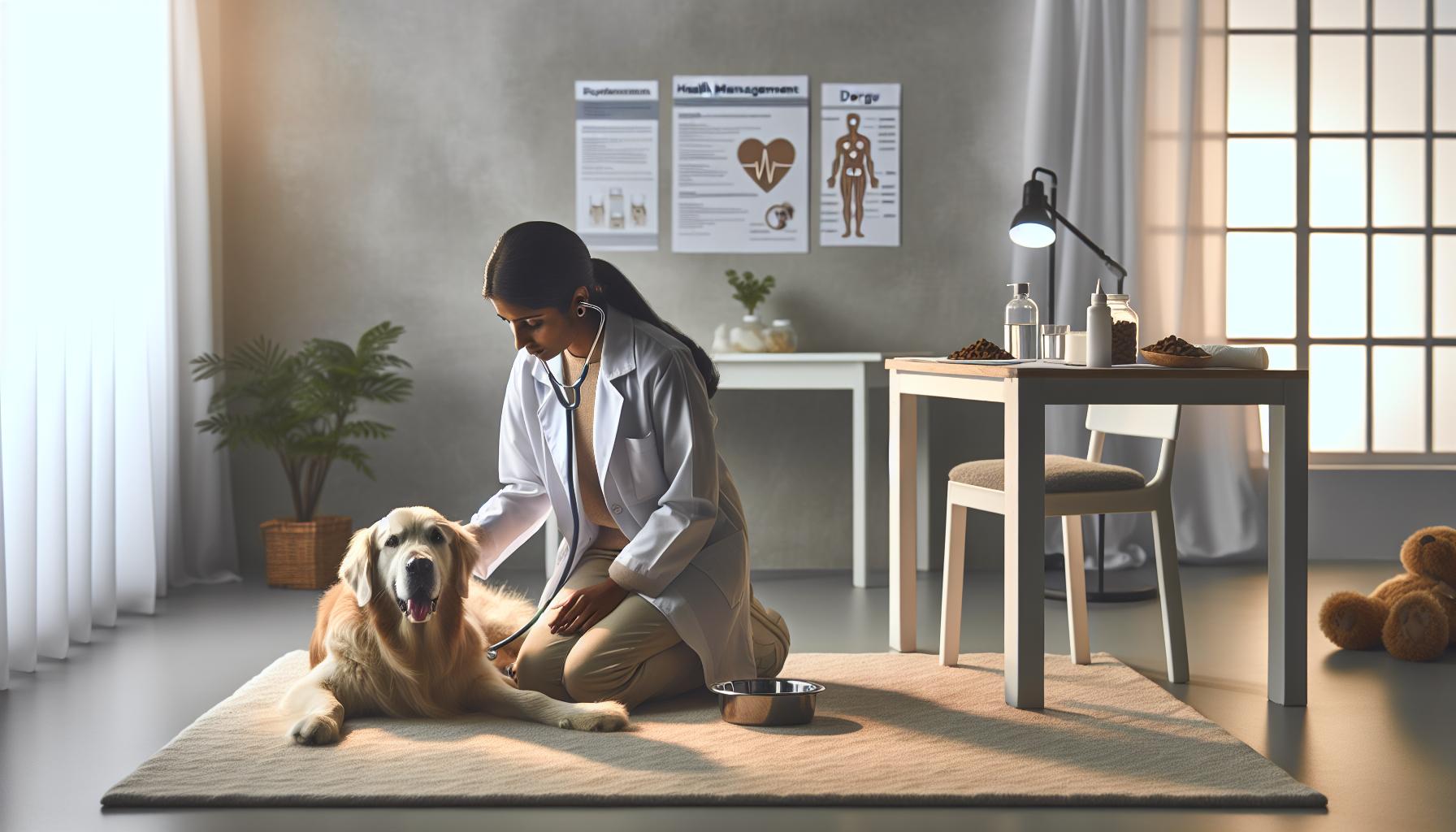
Understanding how long dog allergies last can significantly impact your pet’s quality of life and your approach to managing their symptoms. Generally, the duration of allergic reactions in dogs varies widely based on several factors, including the type of allergy, the amount of exposure to allergens, and the dog’s overall health. For instance, environmental allergies, such as those triggered by pollen or dust mites, often manifest seasonally and can last for days to weeks, especially during peak allergy seasons. If your dog suffers from flea allergies, symptoms may occur whenever fleas are present, potentially prolonging discomfort until the infestation is fully treated.
In contrast, food allergies can lead to chronic symptoms that may persist as long as the offending ingredient remains in your dog’s diet. Symptoms might take a few hours to several days to appear after ingestion, making it critical to identify and eliminate problematic foods. Recovery time can also vary significantly depending on how quickly you can address the allergic triggers and implement changes.
To assist your dog’s recovery, maintaining an allergen-free environment is crucial. For example, regular cleaning to reduce dust and fur buildup, using air purifiers, and keeping your dog indoors during high pollen counts can significantly alleviate symptoms. Providing a consistent routine for baths with vet-recommended shampoos can also help manage skin irritations. Always consult with your veterinarian to set realistic timelines for your dog’s particular allergies and develop a tailored management strategy.
Successful management of allergies requires patience and vigilance. Keeping a diary of your dog’s symptoms and any potential triggers can help you and your vet adjust treatment plans effectively. By staying observant and proactive, you can mitigate your dog’s allergic reactions, improving their well-being and prolonging the periods of relief between flare-ups.
Factors Influencing Allergy Duration

The duration of allergies in dogs can significantly impact their quality of life, and various factors influence how long these allergic reactions last. One of the primary determinants is the type of allergy itself. For example, environmental allergies, often triggered by seasonal allergens like pollen or mold, may exhibit peak symptoms aligned with specific seasons, leading to periods of heightened discomfort. In contrast, flea allergies can persist as long as fleas remain, which requires diligent management to prevent recurrence.
Another critical factor is the amount of exposure to allergens. A dog meticulously kept away from known triggers, such as specific grasses or certain foods, may experience shorter allergy bouts compared to a dog with consistent exposure. For instance, reducing outdoor time during high pollen counts or thoroughly inspecting and treating for fleas in the home can drastically cut down on flare-ups.
Additionally, a dog’s overall health and immune response can play significant roles in how they react to allergens. A well-nourished, healthy dog with a robust immune system may recover more quickly from allergic reactions than one dealing with other health issues or compromised immune functions. Regular veterinary check-ups can help monitor your dog’s health and guide you in building a strong immune system through appropriate dietary and wellness strategies.
Overall, understanding and addressing these factors-type of allergy, exposure levels, and health status-enables dog owners to take proactive measures, potentially shortening duration and improving their furry friends’ comfort and well-being. Consistent observation and open communication with your veterinarian will also help tailor a management approach to address your dog’s unique needs effectively.
Immediate Relief: Managing Symptoms at Home

When allergies flare up, your dog’s immediate comfort can feel like a top priority. Many dog owners find themselves searching for quick relief solutions to soothe their pet’s irritation while still managing the underlying causes of their allergies. Implementing effective management strategies at home can make a world of difference, allowing your dog to feel more at ease while you work on long-term solutions.
One of the simplest steps you can take is to bathe your dog regularly using a gentle, hypoallergenic shampoo. This helps remove allergens like dirt, pollen, and dander from their coat. Bathing can also soothe itchy skin, providing immediate relief. Always ensure the water is lukewarm, and rinse thoroughly to avoid any soap residue, which can further irritate sensitive skin. Additionally, consider adding an oatmeal bath treatment-oatmeal has soothing properties that can help alleviate itching and irritation.
Creating a clean living environment is equally crucial. Regularly vacuum and dust areas where your dog spends time to minimize allergens. Using air purifiers can also help capture airborne irritants. If your dog is allergic to pollen, limit outdoor time during high pollen counts and clean your dog’s paws and coat after walks. This not only reduces allergens they track into the house but also prevents them from lingering on your pet.
In providing relief for symptoms like itching, your veterinarian may recommend over-the-counter antihistamines or anti-itch sprays specifically designed for dogs. Always consult with your vet before administering any medication, even if it seems safe. Keeping your dog’s nails trimmed can also prevent injury from scratching, reducing the risk of secondary infections.
By being proactive and responsive to your dog’s symptoms, you can create a more comfortable environment for them at home. These immediate steps, paired with long-term strategies, can significantly enhance your dog’s quality of life during allergy seasons or when living with chronic conditions. Always observe your dog’s reactions and work closely with your veterinarian to tailor a management plan that addresses their specific needs.
Long-Term Recovery Strategies for Dogs
Addressing dog allergies requires a long-term commitment to both understanding and managing your pet’s environment and health. Recognizing that allergies can cause chronic discomfort, it’s essential to have a multi-faceted strategy in place to promote recovery and improve your dog’s quality of life. Regular follow-ups with your veterinarian are crucial in tailoring a management plan suited specifically to your dog’s needs.
One effective long-term recovery strategy involves implementing a consistent bathing routine. Bathe your dog with a hypoallergenic shampoo every 1-2 weeks to help remove allergens from their coat while soothing irritated skin. In addition to shampoo, consider natural remedies, like oatmeal baths, which can help calm itchy skin. Ensuring that your dog’s living environment is clean can significantly reduce allergen exposure. Regular vacuuming, washing your pet’s bedding, and using air purifiers can help manage airborne irritants and maintain a healthier space for your dog.
Diet also plays a crucial role in long-term management. Adopting a limited-ingredient or hypoallergenic diet is particularly important for dogs with food sensitivities. Monitoring your dog’s reactions to various foods can help identify triggers. Consulting with a veterinarian about adding probiotics may further support your dog’s digestive health, ultimately aiding in allergy management.
Finally, addressing the root causes of the allergies is vital. This might include allergy testing to identify specific triggers, which can lead to informed decisions regarding lifestyle changes and preventive measures. Avoidance of known allergens, whether they’re environmental factors like pollen or specific foods, can greatly alleviate symptoms. Establishing a comprehensive management plan not only helps in dealing with immediate challenges but also empowers you to create a long-term solution for your allergic dog, ensuring they live a comfortable and happy life.
Nutritional Support: Food Allergies Explained
Identifying and managing food allergies in dogs is crucial for their overall health and well-being. Many pet owners might not realize that the source of their dog’s discomfort could be directly related to their diet. Dogs can develop allergies to specific ingredients over time, leading to a range of symptoms such as itching, gastrointestinal issues, or skin irritations. Understanding the underlying causes can empower you as an owner to take actionable steps toward improving your pet’s quality of life.
When a dog exhibits symptoms like excessive itching or digestive upset, it’s essential to consider dietary influences. Common allergens include proteins like beef, chicken, and dairy, as well as grains and certain carbohydrates. To pinpoint the offending ingredient, many veterinarians recommend an elimination diet, which involves removing all potential allergens for several weeks and then slowly reintroducing them one at a time. This process allows you to observe any adverse reactions, enabling you to tailor your dog’s diet to avoid specific allergens.
Choosing the Right Diet
A limited-ingredient or hypoallergenic diet can significantly help dogs with food allergies. These diets contain fewer ingredients, often featuring a single novel protein source-such as fish or venison-and a carbohydrate source, minimizing the chance of triggering an allergic reaction. When considering dietary options, look for high-quality products that emphasize digestibility and use straightforward, recognizable ingredients.
Here are some tips for selecting the best food for your allergic dog:
- Consult Your Veterinarian: Always work with your veterinarian to determine the best dietary plan and to ensure your dog receives all necessary nutrients.
- Read Labels Carefully: Look for foods that specifically state they are hypoallergenic or formulated for sensitive dogs.
- Consider Specialized Supplements: Products containing omega fatty acids, probiotics, or digestive enzymes may help support skin health and improve gut function.
You might also consider adding homemade meals to your dog’s diet, ensuring to include protein sources that have been previously tolerated. Just remember that any dietary changes should be made gradually to minimize digestive upset.
Implementing these changes with careful observation can lead to more comfortable, happier days for your canine companion. Over time, maintaining an awareness of how different foods affect your dog will allow you to create a sustainable, enjoyable diet that fits their unique needs, ultimately leading to a reduction in allergy symptoms and an enhanced quality of life.
Effective Allergy Treatments: What Works Best?
Navigating the world of dog allergies can often feel overwhelming for pet owners. However, recognizing effective treatments and strategies can bring relief to both you and your furry companion. Treatment typically hinges on the type of allergy-whether it’s environmental, food-based, or flea-related-with a variety of options available to address symptoms and promote long-term health.
For immediate symptom relief, antihistamines like Benadryl can sometimes help manage itching and discomfort. Always consult your veterinarian before administering any medication to ensure it’s appropriate for your dog’s specific situation. Corticosteroids are another option that veterinarians may prescribe to reduce inflammation and immune response during severe allergic reactions, although long-term use should be closely monitored due to potential side effects.
Long-Term Management Strategies
In addition to acute treatments, long-term allergy management often involves altering your dog’s environment and lifestyle. Regular bathing with hypoallergenic shampoo can help alleviate skin irritations caused by allergens. Furthermore, an air purifier may minimize airborne pollutants such as dust and pollen, providing a more comfortable indoor environment for your dog.
Another vital aspect of effective treatment lies in dietary adjustments. If food allergies are suspected, an elimination diet as previously mentioned can help identify and remove allergens from your dog’s diet. In addition, consider integrating high-quality, hypoallergenic foods that are less likely to trigger reactions. Supplements containing Omega-3 fatty acids can also be beneficial, promoting skin health and reducing inflammation.
Exploring Advanced Treatments
For persistent cases, allergy testing can provide insights into specific allergens affecting your dog. Blood tests or intradermal skin tests can help identify triggers, leading to targeted treatment plans. Allergy shots, or immunotherapy, may be recommended for long-term relief by gradually desensitizing your dog to specific allergens over time.
It’s essential to maintain open communication with your veterinarian as you implement these strategies. Regular check-ins can help adjust the treatment plan as needed and ensure your dog is feeling their best. By taking proactive steps and understanding various treatment options, you empower yourself to make informed decisions that enhance your dog’s quality of life and minimize the impact of allergies.
Preventive Measures to Minimize Allergies
To create a comfortable environment for your furry friend and minimize the risk of allergy flare-ups, it’s essential to implement effective preventive measures. A proactive approach not only helps in managing existing allergies but can also significantly reduce the occurrence of new ones. For instance, it’s important to regularly clean and vacuum your home, as dust mites and pet dander can accumulate quickly. Use a vacuum cleaner equipped with a HEPA filter to ensure that allergens are effectively trapped and not recirculated into the air. In addition, washing your dog’s bedding and toys weekly can remove any allergens that may have built up.
Environmental Control
Controlling your dog’s environment can make a considerable difference in managing allergies. Consider investing in an air purifier specifically designed for pet owners; these devices can reduce airborne allergens such as pollen, mold, and dander. Moreover, if your dog is sensitive to seasonal pollen, try to keep them indoors during high pollen counts when possible. Creating a dog-free zone in your home, such as the bedroom, can also significantly reduce allergen exposure.
Grooming and Hygiene
Regular grooming is another key preventive measure. Bathing your dog every two to four weeks with a hypoallergenic shampoo will not only keep their coat clean but will also help remove allergens from their skin and fur. Additionally, brushing your dog daily can reduce loose hair and dandruff, which are common allergens. When grooming, be sure to do it outside if possible to avoid bringing allergens into your home.
Dietary Considerations
Lastly, if food allergies are a concern, it is crucial to monitor and control your dog’s diet. Choose high-quality, hypoallergenic dog food that avoids common allergens like wheat, soy, and corn. Transitioning to a limited-ingredient diet may also help in identifying and managing food sensitivities. Always consult with your veterinarian to establish an appropriate dietary plan that suits your dog’s unique needs.
By taking proactive steps in hygiene, environmental control, and diet, you can empower yourself to better manage your dog’s allergies and enhance their quality of life. Each small change can contribute significantly to your dog’s comfort and overall health, paving the way for a happier, healthier life together.
When to Seek Veterinary Help for Allergies
The signs of allergies in dogs can sometimes be subtle yet distressing, making it essential for owners to be vigilant. If your dog is displaying persistent symptoms such as itchy skin, excessive licking, ear infections, or gastrointestinal issues, it may be time to consider seeking veterinary care. Allergies can significantly impact a dog’s quality of life; therefore, timely intervention can make a marked difference in their well-being.
When observing symptoms, it’s crucial to watch for red flags that might indicate a more serious allergic reaction. For example, if your dog experiences severe swelling, difficulty breathing, or vomiting after exposure to a potential allergen, this could point to an anaphylactic reaction, which requires immediate veterinary attention. In less urgent cases, persistent itchiness, hot spots, or skin infections that do not improve with at-home care should prompt a visit to the vet for comprehensive evaluation and possible treatment options.
Recognizing the Need for Professional Help
If your dog has had multiple bouts of allergies in a short period or if the symptoms seem to worsen despite your best efforts at home, veterinary intervention is essential. Your veterinarian can conduct tests such as skin or blood tests to identify specific allergens, which is a critical step in formulating an appropriate treatment plan. Moreover, they can assess for concurrent conditions like infections or chronic issues that may compound the allergic reactions, offering a more holistic approach to your dog’s health.
Additionally, if you are unsure about your dog’s diet and suspect food allergies, it’s advisable to consult with your veterinarian. They can guide elimination diets and ensure that your dog receives balanced nutrition without unnecessary allergens, paving the way for long-term management.
Prompt veterinary assistance not only helps in managing current allergy symptoms but also plays a pivotal role in preventing future flare-ups. A proactive relationship with your vet can lead to tailored strategies that significantly enhance your dog’s quality of life, allowing them to thrive without the burden of allergies.
Exploring Alternative Therapies for Allergic Dogs
It can be incredibly frustrating to watch your beloved dog suffer from allergies, especially when conventional treatments don’t seem to offer the relief they need. Thankfully, there are alternative therapies that may alleviate symptoms and improve your pet’s quality of life. These approaches often focus on natural remedies that enhance the dog’s overall well-being while addressing specific allergic reactions.
One notable alternative is acupuncture, which balances the body’s energies by stimulating specific points, potentially reducing inflammation and boosting the immune system. Many pet owners report positive outcomes, including reduced scratching and more comfortable behavior post-treatment. Acupuncture should be performed by a certified veterinarian who specializes in this technique to ensure safety and effectiveness.
Homeopathy also provides a holistic option for managing dog allergies. This approach uses highly diluted substances to trigger the body’s natural healing processes. Remedies might include substances derived from plants, minerals, or even animal products tailored to the individual dog’s symptoms. For effective homeopathic treatment, a consultation with a veterinarian experienced in this field is recommended to develop a personalized treatment plan.
Another promising avenue is the inclusion of certain dietary supplements. Omega-3 fatty acids, found in fish oil, can reduce inflammatory responses, providing some immediate relief from itchy skin and other allergy symptoms. Probiotics may also play a role in supporting gut health, which can improve a dog’s overall immune response. These supplements can be introduced gradually, but always consult with your veterinarian for appropriate dosages and to ensure they fit into your dog’s existing diet without adverse effects.
While exploring these alternative therapies, it’s essential to monitor your dog’s response closely. Keep a journal of symptoms and any changes noticed after introducing new treatments. This documentation will aid discussions with your veterinarian and help in tailoring a multifaceted approach to managing your dog’s allergies effectively. Remember, persistence is key; it may take time to find the right combination of therapies that provide both immediate relief and long-term management.
Stories of Hope: Real-Life Recovery Experiences
In the journey of managing dog allergies, there are countless stories of resilience and recovery that inspire hope among pet owners. One of the most heartwarming cases is that of Bella, a Golden Retriever whose struggle with food allergies led her owner to despair. After years of trying different hypoallergenic diets and treatments with minimal success, Bella was tested for specific allergens and found to be sensitive to several common ingredients, including beef and dairy. Once her diet was strictly adjusted to exclude these triggers and supplemented with omega-3 fatty acids, Bella’s itching decreased significantly and her energy returned. Today, she enjoys a happier life, full of playdates at the dog park without the constant discomfort that once plagued her.
Another touching story involves Max, a Beagle who developed severe seasonal allergies that left him uncomfortable every spring. His owner decided to explore alternative therapies alongside traditional treatments. By incorporating acupuncture sessions, Max’s symptoms started to improve. The treatments not only alleviated his itching but also brought a sense of calm, reducing the anxiety that often accompanied his allergy outbreaks. His owner now advocates for an integrated approach, combining conventional and alternative treatments, which allowed Max to enjoy his outdoor adventures once more.
These stories highlight the importance of persistence and adaptability in managing dog allergies. It’s crucial for pet owners to closely observe their dogs’ reactions to different treatments and adjustments. Maintaining a detailed journal of symptoms, dietary changes, and treatment responses can significantly aid in discussions with veterinarians. Additionally, seeking second opinions or exploring less conventional therapies can often lead to breakthroughs in your dog’s recovery journey.
Inspiring recoveries remind us that, despite the challenges of dog allergies, there are effective strategies and treatments out there. Remember, each dog is unique; what works for one may not work for another. A personalized approach, patience, and a willingness to explore different options can lead to significant improvements in your pet’s quality of life.
Frequently asked questions
Q: How long does it take for dog allergies to show symptoms?
A: Dog allergy symptoms can appear within hours to days after exposure to allergens. Factors such as the dog’s immune response and the type of allergen will influence how quickly symptoms manifest. Monitor your dog closely after potential allergen exposure.
Q: Can dog allergies be seasonal like human allergies?
A: Yes, many dogs experience seasonal allergies, especially to pollen from trees, grasses, and weeds. Symptoms may worsen during particular seasons, requiring ongoing management, including antihistamines or allergy-specific treatments during peak periods.
Q: Are there specific breeds that are more prone to allergies?
A: Certain breeds, such as Labrador Retrievers, West Highland White Terriers, and Bulldogs, are often more prone to allergies. Genetic predisposition plays a role, making it essential to be vigilant for allergy symptoms in these breeds.
Q: How can I tell if my dog has food allergies or environmental allergies?
A: Food allergies typically cause gastrointestinal upset and skin reactions, whereas environmental allergies often present as itching, redness, and respiratory issues. Keeping a diary of symptoms and diet can help distinguish between the two.
Q: What should I do if my dog’s allergy symptoms don’t improve?
A: If allergy symptoms persist despite home management, consult your veterinarian for further evaluation. They may recommend skin testing, specialized diets, or advanced treatments to identify the underlying cause and provide targeted relief.
Q: How long can allergy relief treatments take to work for dogs?
A: Relief treatments, such as antihistamines or steroid injections, may take from a few hours to several days to show effect, depending on the treatment type and severity of symptoms. Be patient and maintain open communication with your vet for best results.
Q: Can changes in diet help manage my dog’s allergies?
A: Yes, switching to a hypoallergenic diet can significantly reduce allergy symptoms for some dogs, especially those with food allergies. It’s crucial to choose a diet under veterinary guidance to ensure proper nutrition and effectiveness.
Q: Is there a chance that my dog will outgrow their allergies?
A: While some dogs may outgrow specific allergies, this is not guaranteed. Many adult dogs remain allergic throughout their lives. Regular veterinary check-ups will help manage ongoing symptoms effectively.
The Way Forward
In summary, understanding the timeline and recovery tips for dog allergies is crucial for ensuring your furry friend’s comfort and well-being. Remember, while allergies can bring challenges, there are effective management strategies available that can help your dog lead a healthier life. Don’t wait to take action-consider scheduling a consultation with your vet to explore personalized treatment options tailored to your dog’s needs.
For more insights, check out our articles on the signs your dog may be allergic and effective treatments for managing allergies. If you found this information helpful, please share your thoughts in the comments below, or subscribe to our newsletter for the latest updates on pet health. Your dog’s happiness starts with informed decisions!


