


Flea allergy dermatitis (FAD) is a common and frustrating condition that affects many cats, leading to intense itching, hair loss, and inflammation. Did you know that even a single flea bite can spark a severe allergic reaction due to sensitivities to flea saliva? As a cat owner, witnessing your furry friend suffer can be heartbreaking, but understanding FAD is the first step toward relief.
In this guide, we’ll explore effective solutions to help you manage and ultimately cure flea allergy dermatitis in your cat. Whether you’re noticing symptoms for the first time or seeking new approaches after previous treatments failed, you’ll find valuable insights and actionable steps to improve your cat’s quality of life. Let’s dive into a comprehensive look at the causes, symptoms, and treatment options that can bring your beloved companion the comfort they deserve.
Understanding Flea Allergy Dermatitis in Cats
Flea allergy dermatitis in cats is a common yet often misunderstood condition that can lead to significant discomfort. It occurs when a cat develops a hypersensitivity to proteins found in flea saliva. Even a single flea bite can provoke an intense and disruptive allergic reaction, resulting in incessant scratching, biting, and licking of the affected areas. This relentless itching is not just a nuisance; it can also lead to further complications, such as secondary infections and skin damage, significantly affecting the cat’s quality of life.
Identifying flea allergy dermatitis early is critical for effective management. Symptoms typically include redness, inflammation, and hair loss, particularly around the back, tail base, and neck. Cats may show signs of distress, including vocalizing or hiding due to discomfort. It’s essential for cat owners to regularly check for fleas and recognize that while these parasites can be difficult to spot, signs of fleas or flea droppings can often be seen on the cat’s fur or bedding.
Understanding this condition is the first step in helping your feline friend find relief. Various treatment options range from effective flea control measures to potential dietary adjustments aimed at improving skin health. By addressing the underlying causes and implementing a multi-faceted approach, including environmental control and veterinary assistance, cat owners can significantly enhance their pet’s comfort and wellbeing. A proactive strategy paired with compassionate care can pave the way towards a flea-free life for your cat.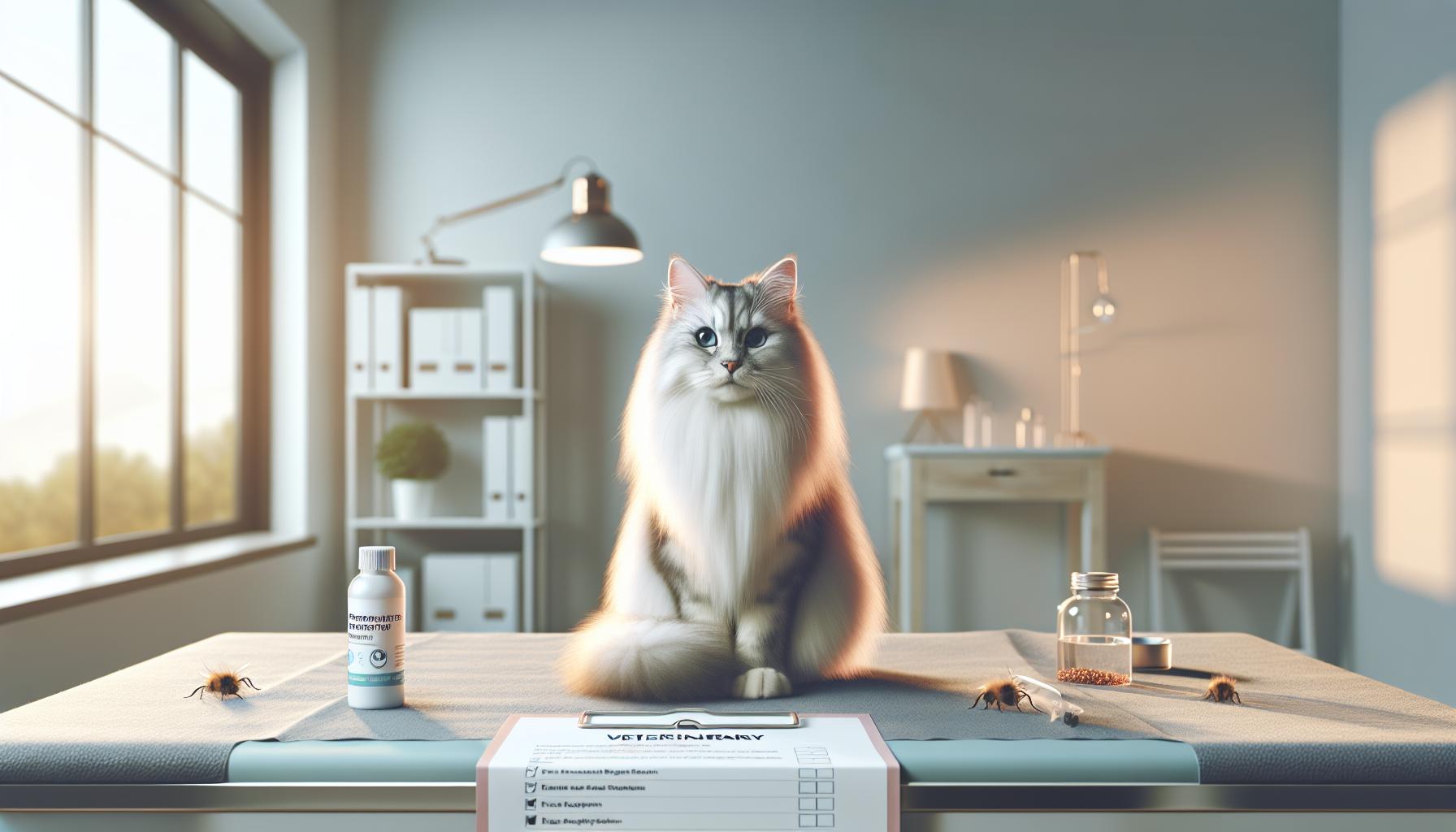
Identifying Symptoms of Flea Allergy Dermatitis
Cats suffering from flea allergy dermatitis often display a range of distressing symptoms that can significantly impact their quality of life. One of the most striking signs of this condition is intense itching, which may lead your feline friend to scratch excessively, bite, and groom themselves to the point of injury. This constant agitation can cause inflammation and redness of the skin, particularly in areas like the base of the tail, the back, and the neck. These symptoms are not just benign inconveniences; they represent an acute response to the proteins present in flea saliva, with even a single bite triggering a pronounced reaction.
Recognizing Key Symptoms
When monitoring your cat for signs of flea allergy dermatitis, be on the lookout for the following indicators:
- Severe itching and scratching: This is often the first and most noticeable symptom. Cats may scratch at their skin frequently, leading to potential secondary infections.
- Red, inflamed skin: Areas affected often exhibit redness and swelling, showing clear signs of irritation.
- Hair loss: Persistent scratching and biting can lead to bald patches, especially in sensitive locales such as the face and neck.
- Skin infections: Over time, continuous irritation can lead to open wounds and secondary bacterial or fungal infections, which may need medical attention.
- Behavioral changes: Cats in discomfort might become withdrawn, vocalize more, or even display aggression in response to being touched.
Identifying these symptoms early is critical. Engaging in regular inspections not only helps in early diagnosis but also allows for timely intervention. This proactive approach significantly enhances the chance of effectively managing the condition and restoring your cat’s comfort. If you observe any of these signs, a visit to your veterinarian is recommended to confirm the diagnosis and discuss a tailored treatment plan. Remember, as overwhelming as this situation might feel, with the right strategies in place-beginning with identification-you can help your furry friend find relief and improve their overall well-being.
Common Causes and Triggers for Flea Allergies
Flea allergy dermatitis in cats is primarily triggered by the proteins found in flea saliva. When a cat is bitten, even by a single flea, its immune system can react aggressively, leading to the uncomfortable symptoms we observe. This hypersensitivity is not solely characteristic of fleas; other factors can aggravate or contribute to the severity of flea allergies, making it critical for pet owners to understand these influences.
Environmental factors often play a significant role in triggering flea allergies. Cats exposed to areas where fleas thrive, such as gardens or homes with untreated pets, are at higher risk. Additionally, stress can exacerbate allergic reactions-an anxious cat may groom itself more frequently, increasing the chances of skin inflammation and infection. Seasonal changes can also impact flea populations and trigger allergy flare-ups, especially during warmer months when fleas reproduce rapidly.
Beyond external triggers, certain health conditions can enhance a cat’s susceptibility to flea allergies. For instance, a weakened immune system due to chronic illnesses or poor nutrition can result in a more intense reaction to flea saliva. Understanding these underlying causes and triggers can empower cat owners to take proactive steps in managing their pet’s allergies. Regular vet check-ups and discussions about overall health and allergy management can equip you with strategies tailored to your cat’s specific needs. Remember, the journey to relief often starts with identifying and mitigating these common allergens.
Effective Home Remedies for Flea Allergy Relief
Dealing with flea allergy dermatitis can feel overwhelming for pet owners, especially when the discomfort it causes for cats is evident. Fortunately, there are effective home remedies that can provide relief while you work alongside your veterinarian to manage your cat’s condition. Integrating these remedies into your care routine offers a holistic approach to supporting your cat’s health.
One of the simplest and most immediate remedies is bathing your cat with a gentle, hypoallergenic shampoo designed to soothe irritated skin. Look for products containing natural ingredients like oatmeal or aloe vera, which can help relieve itching and inflammation. Be sure to rinse thoroughly to avoid any residue that could further irritate the skin. Regular baths, every one to two weeks, can help reduce the allergens on your cat’s skin and fur.
Another valuable remedy involves using natural anti-inflammatory agents, such as fish oil. Adding high-quality omega-3 fish oil to your cat’s diet may help reduce skin inflammation and improve overall skin health. Consult with your veterinarian on the appropriate dosage to ensure it aligns with your cat’s specific dietary needs. Additionally, creating a calming environment can alleviate stress-related scratching. This might include providing a cozy space filled with familiar toys and blankets or using pheromone diffusers that promote relaxation.
For an environmentally-friendly approach to tackle the fleas themselves, consider diatomaceous earth. This natural powder can be safely sprinkled in areas where your cat rests, as it dehydrates and eliminates fleas without the need for harsh chemicals. Just make sure to use food-grade diatomaceous earth to ensure it is safe for your cat.
Your journey to finding relief from flea allergies doesn’t have to be daunting. By combining these effective home remedies with advice from your veterinarian, you can significantly improve your cat’s quality of life. Remember, consistency is key in managing allergy symptoms, and patience will lead you towards effective solutions.
Top Veterinary Treatments for Flea Allergy Dermatitis
Navigating the complexities of flea allergy dermatitis can be a daunting challenge for pet owners. Fortunately, veterinarians have a variety of effective treatments that can make a significant difference in your cat’s comfort and overall well-being. Understanding these veterinary options empowers you to take informed steps towards managing and alleviating your cat’s symptoms, allowing them to lead a happier, healthier life.
Medications to Alleviate Symptoms
Veterinary treatments often begin by addressing the intense itching and inflammation that accompany flea allergy dermatitis. Veterinarians frequently prescribe corticosteroids, such as prednisone, to provide swift relief from itching and swelling. These medications are effective but should be used cautiously and under direct veterinary supervision due to potential side effects. Additionally, antihistamines may be recommended to help control allergic reactions, although their effectiveness can vary among individual cats.
Treatment for Flea Control
In managing flea allergy dermatitis, controlling fleas is crucial. Your veterinarian may recommend spot-on treatments or flea pills that not only kill fleas on contact but also prevent future infestations. Popular products like fipronil and imidacloprid interrupt the flea life cycle and significantly reduce flea populations in your home. It’s essential to apply these treatments as per your veterinarian’s guidance to ensure maximum efficacy and safety.
Addressing Secondary Infections
Scratching and biting can lead to secondary infections, further complicating your cat’s condition. If your veterinarian detects signs of infection, they might prescribe antibiotics or antifungal medications to treat these issues. Keep an eye on any changes in your cat’s skin, as early intervention can prevent more severe complications. Additionally, medications like topical antiseptics can soothe the skin and promote healing.
Long-term Management Strategies
For long-term relief, your veterinarian may suggest a comprehensive management plan that includes regular flea treatments and monitoring skin health. For persistent cases of flea allergy dermatitis, options like immunotherapy might be considered, where your cat is gradually exposed to flea antigens to desensitize their immune response over time. This approach requires commitment and collaboration with your veterinarian but can lead to significant improvement.
By partnering with your veterinarian and utilizing these effective treatments, you can provide your cat with much-needed relief from flea allergy dermatitis. Always consult your veterinarian for personalized recommendations tailored to your cat’s specific condition, ensuring the best possible care for your feline friend.
Preventing Future Flea Infestations in Cats
To keep fleas at bay and prevent future infestations, a proactive approach is essential. Flea allergies can severely impact your cat’s quality of life, so a multi-faceted prevention strategy can be a game-changer. Regularly implementing preventive measures not only protects your feline friend but also creates a healthier environment in your home.
Consistent Flea Treatment
Implementing a consistent flea treatment regimen is one of the most effective ways to prevent infestations. Use veterinarian-approved flea prevention products, such as topical treatments or oral medications. Consider a monthly application schedule, as this will be critical in interrupting the flea life cycle and reducing the chance of re-infestation. Popular flea control options include fipronil and imidacloprid, which not only eliminate existing fleas but also create an inhospitable environment for new ones.
Maintaining a Clean Home
Keeping your home clean is equally important in the fight against fleas. Regularly vacuum carpets, rugs, and upholstery to remove any flea eggs or larvae that may be hiding. Don’t forget to wash your cat’s bedding and your own linens frequently in hot water to kill any potential flea life stages. Establish a routine to clean areas where your cat spends most of their time, as these can be prime spots for flea activity.
Environmental Control
To create a flea-resistant environment, consider utilizing flea sprays or foggers designed for indoor spaces. It’s essential to follow the manufacturer’s guidelines carefully to ensure safety for your pets and family. You can also use natural repellent options like diatomaceous earth in areas where fleas are likely to hide. This non-toxic powder works by dehydrating fleas and is safe for pets when used appropriately.
Regular Veterinary Check-ups
Regular veterinary visits play a key role in flea prevention. Discuss flea prevention strategies with your veterinarian during routine check-ups, and make sure to get timely flea treatments tailored to your cat’s needs. Your vet can also assess your cat’s skin and overall health, identifying any signs of flea issues before they escalate.
By combining these methods, pet owners can dramatically reduce the risk of flea infestations. Understanding the complexities of flea behavior and being proactive about prevention will help ensure your cat remains happy and comfortable, free from the irritation and discomfort caused by fleas.
Choosing the Right Flea Treatment Products
Choosing flea treatment products for your cat can feel overwhelming, especially when considering their specific needs and sensitivities. It’s essential to remember that not all products are created equal; what works for one cat may not be suitable for another. Additionally, many cats suffering from flea allergy dermatitis may have heightened sensitivities, making the selection of flea treatments crucial for their comfort and health.
Start by identifying the type of flea treatment that best suits your cat’s lifestyle. Options include topical treatments, oral medications, and flea collars. Topical treatments are typically applied to the skin and can provide a long-lasting barrier against fleas. They are often preferred for cats with sensitive skin. On the other hand, oral medications are ingested and can start working within a few hours, effectively killing fleas before they have a chance to bite. Flea collars can also be effective, especially for continuous protection. It’s important, however, to choose collars that are specifically designed for cats-some dog collars can be toxic to felines.
Consider Your Cat’s Health
Before selecting any flea treatment, consult with your veterinarian to ensure it aligns with your cat’s health status. For instance, if your cat has underlying health issues or is currently on medication, certain treatments might not be advisable. Additionally, some cats may struggle with allergies to specific ingredients found in certain products. Your vet can recommend products that are safe, effective, and tailored to your cat’s individual health profile.
Look for Vet-Recommended Products
When browsing flea treatments, consider looking for veterinarian-recommended options, which often include active ingredients like fipronil, imidacloprid, or selamectin. These ingredients have been shown to effectively control flea populations and alleviate the symptoms associated with flea bites. Make sure to follow dosage guidelines carefully; more is not always better as overdosing can lead to adverse reactions.
Monitoring and Adjusting Treatment
Once you have chosen a flea treatment, monitor your cat’s response closely. Look out for any signs of adverse effects such as excessive scratching, redness, or swelling. If your cat shows signs of distress or an allergic reaction, contact your vet as soon as possible for alternative recommendations. Remember, managing flea allergy dermatitis successfully often requires a combination of effective flea treatments and diligent monitoring to create a conducive environment for healing. By choosing the right products and working closely with your veterinarian, you can help improve your cat’s quality of life significantly.
Nutrition and Supplements for Skin Health
Proper nutrition and supplementation can significantly enhance your cat’s skin health, especially when dealing with flea allergy dermatitis. A well-balanced diet rich in essential fatty acids, vitamins, and minerals can help improve the condition of the skin and reduce inflammation caused by allergies. Certain nutrients have anti-inflammatory properties and aid in skin repair, making them invaluable for cats suffering from this condition.
Including omega-3 and omega-6 fatty acids in your cat’s diet can greatly benefit their skin. These fatty acids help maintain the integrity of the skin barrier, reducing susceptibility to allergens and irritation. You can incorporate these nutrients through high-quality commercial cat foods formulated with fish oil or flaxseed oil, or consider adding specific supplements if recommended by your veterinarian. Additionally, vitamins A, E, and certain B vitamins play crucial roles in skin health. For instance, vitamin E is a powerful antioxidant that can alleviate inflammation, while vitamins A and B help in skin cell regeneration and repair.
Key Supplements for Skin Health
While a balanced diet is fundamental, specific supplements can target skin health more directly. Consider the following:
- Fish Oil: High in omega-3 fatty acids, it can reduce inflammation and support overall skin health.
- Probiotics: These can help improve gut health, which is linked to better skin health by enhancing the immune response.
- Zinc: Essential for skin healing, zinc can be particularly effective for cats with skin issues.
- Biotin: Known for promoting healthy skin and coat, it can assist with hair loss due to scratching.
Before adding any supplements, it’s wise to consult with your veterinarian. They can provide guidance tailored to your cat’s specific health needs and conditions, ensuring the right balance is achieved. Also, monitoring your cat’s response to any changes in their diet or supplementation is crucial, as some may have individual sensitivities or dietary restrictions.
Incorporating these nutritional strategies not only aims to alleviate the symptoms of flea allergy dermatitis but also contributes to the overall well-being of your feline friend. A healthy diet combined with the right supplements can create a stronger defense against allergens and foster a more resilient skin barrier, allowing your cat to experience greater comfort and relief from allergy challenges.
Managing Flea Allergy Through Environmental Control
Flea allergy dermatitis (FAD) can turn your cat’s environment into a battleground, leaving both you and your furry friend feeling frustrated. The key to managing this condition effectively lies in controlling the environment around them. Fleas thrive in warm, humid conditions, so proactive measures will not only help alleviate your cat’s discomfort but also reduce the chances of future infestations.
To begin with, regular cleaning is essential. Vacuum your home thoroughly, focusing on carpets, rugs, and furniture where fleas often hide. Make it a habit to dispose of the vacuum bag immediately or empty the canister outside to prevent reinfestation. Don’t forget to wash your cat’s bedding and any fabric that they frequently use, including blankets and toys. Hot water is most effective in killing fleas and their eggs. Additionally, consider using flea-proof covers for your cat’s bed, which can be washed frequently.
Using flea control products in your home can significantly enhance your battle against fleas. Environmental flea sprays containing insect growth regulators can help eliminate fleas and prevent future generations. It’s important to treat outdoor areas where your cat roams as well. Mowing the lawn regularly and using nematodes – beneficial organisms that feed on flea larvae – can help control flea populations in your yard. If your cat has access to areas frequented by other animals, ensure these spaces are also monitored and treated regularly.
Finally, while these environmental measures are vital, remember that consulting a veterinarian about your cat’s specific needs remains crucial. They can recommend more targeted approaches, including possible additional treatments or preventative measures tailored to your living environment. By taking these preventative steps, you not only support your cat’s health but also foster a peaceable coexistence in your shared home.
Recognizing Secondary Infections and Skin Damage
The relentless itching caused by flea allergy dermatitis can lead to more than just discomfort; it can set the stage for serious secondary infections and skin damage in your cat. When a cat scratches, bites, or licks excessively to relieve its irritation, it can break the skin, creating an entry point for bacteria and fungi. This not only causes more significant health issues but can escalate into painful conditions that require veterinary intervention.
Identifying Skin Damage
To recognize skin damage and potential secondary infections, pay close attention to your cat’s skin condition. Look for signs such as:
- Redness and swelling: Inflammation is a primary indicator of irritation and can suggest the onset of infection.
- Hair loss: Patches of missing fur often accompany excessive scratching.
- Crusty or scabbed areas: Open wounds may form, providing breeding grounds for bacteria.
- Odor: An unpleasant smell can indicate bacterial or fungal infection.
If you notice any of these changes, it’s crucial to take action. Secondary infections can not only worsen your cat’s overall health but also complicate the primary allergy issue, creating a cycle that is challenging to break.
Taking Action Against Infections
Immediate steps you can take to help your cat include:
- Limit access to affected areas: Use an Elizabethan collar or similar device to prevent further scratching and allow the skin to heal.
- Keep the environment clean: Regular cleaning minimizes the risk of bacteria spreading from the environment to your pet’s skin.
- Topical treatments: Consult your veterinarian about medicated shampoos or ointments that can soothe the skin and combat infection.
- Monitor the cat’s behavior: Keep an eye on any changes in how your cat interacts with its environment or grooming habits, as these may indicate increased discomfort.
Addressing secondary infections and skin damage swiftly can help restore your cat’s comfort and health. Regular veterinary check-ups are essential to ensure any developing infections are treated promptly, enabling a more effective management of flea allergy dermatitis as a whole. The road to recovery may take time, but with vigilance and the right care, your feline friend can find relief and reclaim its peace and happiness.
Caring for Your Cat During Allergen Exposure
The battle against flea allergy dermatitis in cats can be overwhelming, especially during peak flea seasons when allergens are pervasive. Understanding how to care for your feline companion during these challenging times is essential not only for their comfort but also for their overall health. Flea bites, however minor they may seem, can lead to extreme discomfort and health complications, leaving you as a responsible pet owner looking for actionable strategies to alleviate your cat’s suffering.
A significant step in providing relief is to create a controlled environment that minimizes allergen exposure. This means regularly cleaning your home to reduce flea populations, including vacuuming carpets, furniture, and any areas your cat frequents. Washing your cat’s bedding in hot water can also help eliminate any lingering fleas or eggs. Consider using a high-efficiency particulate air (HEPA) filter in your home to trap allergens, which can aid in improving indoor air quality. Moreover, establishing a designated “safe space” for your cat-away from heavy traffic areas or places where allergens may accumulate-can offer comfort and reduce stress.
Hydration and diet play a crucial role in your cat’s recovery during allergen exposure. Ensure that your cat has access to fresh water at all times and consider consulting your veterinarian about specialized diets or supplements that can enhance skin health. Omega-3 fatty acids, for instance, have anti-inflammatory properties that may help alleviate itching and improve the condition of your cat’s skin. Additionally, regular grooming can help remove dead fur, skin flakes, and allergens from their coat, while also providing you a chance to check for any signs of irritation or infection.
Finally, empathy and reassurance are vital. Cats can sense their owners’ stress, which may exacerbate their unease. Engaging in gentle play or simply spending quiet time with your feline friend can be calming for both of you. If the symptoms persist despite your best efforts, remain vigilant and keep open communication with your veterinarian; they may recommend advanced treatments tailored specifically to your cat’s needs. By taking these proactive steps, you not only address your cat’s immediate discomfort but also foster a nurturing environment conducive to their healing journey.
When to Seek Veterinary Assistance for Your Cat
If your cat is persistently scratching, licking, or biting at their fur, it might be signaling more than just a minor itch. Flea allergy dermatitis can lead to severe discomfort and long-term health issues if left untreated. While it’s tempting to try home remedies and over-the-counter treatments, recognizing when it’s time to seek professional help can significantly impact your cat’s well-being.
Pay close attention to the following signs that warrant a visit to your veterinarian:
Persistent Symptoms
If your cat continues to show symptoms-such as excessive scratching, skin redness, or hair loss-for more than a few days despite your best efforts with hygiene and home remedies, it indicates that the allergy might be more severe or complicated by a secondary infection. Persistent symptoms often require professional assessment and targeted treatments.
Signs of Infection
Watch for indications of infection, which can occur in areas where your cat has been scratching excessively. Symptoms such as swelling, pus-filled lesions, or a foul odor are red flags. Bacterial or fungal infections can exacerbate allergies and require immediate veterinary intervention.
Changes in Behavior
A sudden change in your cat’s behavior-like increased aggression, hiding, or reluctance to eat-can signal elevated stress or discomfort levels. These behavioral changes may reflect distress from chronic itching or pain. Your veterinarian can help address these behavioral issues while treating the underlying cause.
Difficulty in Daily Life
If you notice your cat experiencing difficulty with daily activities, such as grooming, playing, or even sleeping due to itching or discomfort, it’s essential to seek veterinary advice. Your veterinarian can provide treatments that soothe your cat’s symptoms and improve their quality of life.
In summary, becoming attuned to your cat’s needs can prevent the worsening of flea allergy dermatitis. If symptoms persist, show signs of infection, or severely impact your cat’s behavior and lifestyle, don’t hesitate to consult your veterinarian for a thorough evaluation and personalized treatment plan. Addressing these issues promptly not only helps alleviate your cat’s discomfort but also fosters a happier, healthier companion.
FAQ
Q: What are the best treatments for flea allergy dermatitis in cats?
A: The best treatments for flea allergy dermatitis in cats include veterinary-prescribed flea control medications, topical treatments, and oral antihistamines. Regularly bathing your cat with hypoallergenic shampoos can also provide relief. Always consult your vet for the most appropriate treatment plan tailored to your cat’s needs.
Q: How can I identify if my cat has flea allergy dermatitis?
A: Symptoms of flea allergy dermatitis include excessive scratching, hair loss, and red, inflamed skin, particularly near the base of the tail. If your cat shows these signs, consult a vet for a proper diagnosis and treatment options.
Q: What should I do if my cat is allergic to fleas?
A: If your cat is allergic to fleas, the first step is to eliminate fleas from their environment using effective flea control products. Comb your cat regularly to remove fleas and consider using antihistamines or prescription medications to alleviate itching.
Q: Are there natural remedies for relieving flea allergy dermatitis in cats?
A: Yes, natural remedies include using aloe vera gel or coconut oil on affected areas to soothe the skin. Also, adding omega-3 fatty acids to your cat’s diet can improve skin health. However, check with your vet before starting any new treatments.
Q: How can I prevent flea allergy dermatitis in my cat?
A: Preventing flea allergy dermatitis involves maintaining a regular flea prevention regimen, including topical treatments or oral medications. Keeping your home clean by vacuuming and washing bedding regularly can also reduce flea populations significantly.
Q: When should I take my cat to the vet for flea allergy dermatitis?
A: You should take your cat to the vet if scratching and skin irritation persist despite home treatments, or if you notice signs of secondary infections, such as pus or bad odor from the skin. Early intervention can prevent further complications.
Q: What is the role of diet in managing flea allergy dermatitis in cats?
A: A proper diet plays a vital role in managing flea allergy dermatitis. Feeding your cat a balanced diet rich in omega-3 fatty acids can promote skin health and reduce inflammation. Consult your vet for dietary recommendations that support your cat’s overall wellness.
Q: Can flea allergy dermatitis lead to other health issues in cats?
A: Yes, untreated flea allergy dermatitis can lead to secondary skin infections, chronic inflammation, and even behavioral issues due to discomfort and stress. Prompt treatment is essential to protect your cat’s overall health.
Final Thoughts
In conclusion, effectively managing flea allergy dermatitis in cats is crucial for your pet’s well-being. By implementing the right treatment strategies and preventive measures, you can alleviate discomfort and enhance their quality of life. Don’t hesitate to take immediate action-start your flea control regimen today to ensure a more comfortable tomorrow for your furry friend.
For further insights, explore our in-depth guides on identifying flea infestations and comprehensive tips on effective flea prevention. If you have questions or need personalized advice, consider reaching out for a consultation or signing up for our newsletter for ongoing tips and updates. Remember, a proactive approach today will lead to a healthier future for your beloved pet. Share your experiences in the comments below, and let’s foster a community committed to pet health and happiness!


