Tropical trail mix is a popular snack that combines the sweetness of various dried fruits, but it can also pose challenges for those with allergies-especially to papaya. Did you know that papaya is often included in these mixes due to its vibrant flavor and numerous health benefits? However, for individuals allergic to papaya, consuming this mix can lead to uncomfortable reactions.
Understanding which dried fruits are typically used in tropical trail mixes can empower you to make informed choices. In this guide, we’ll explore the common ingredients found in these mixes, highlight potential allergy concerns, and provide practical tips for enjoying trail mixes safely. Whether you’re looking to satisfy your snacking cravings or ensure your meals are safe, knowledge is crucial. Read on to discover the delightful world of tropical trail mix while navigating your dietary needs with confidence.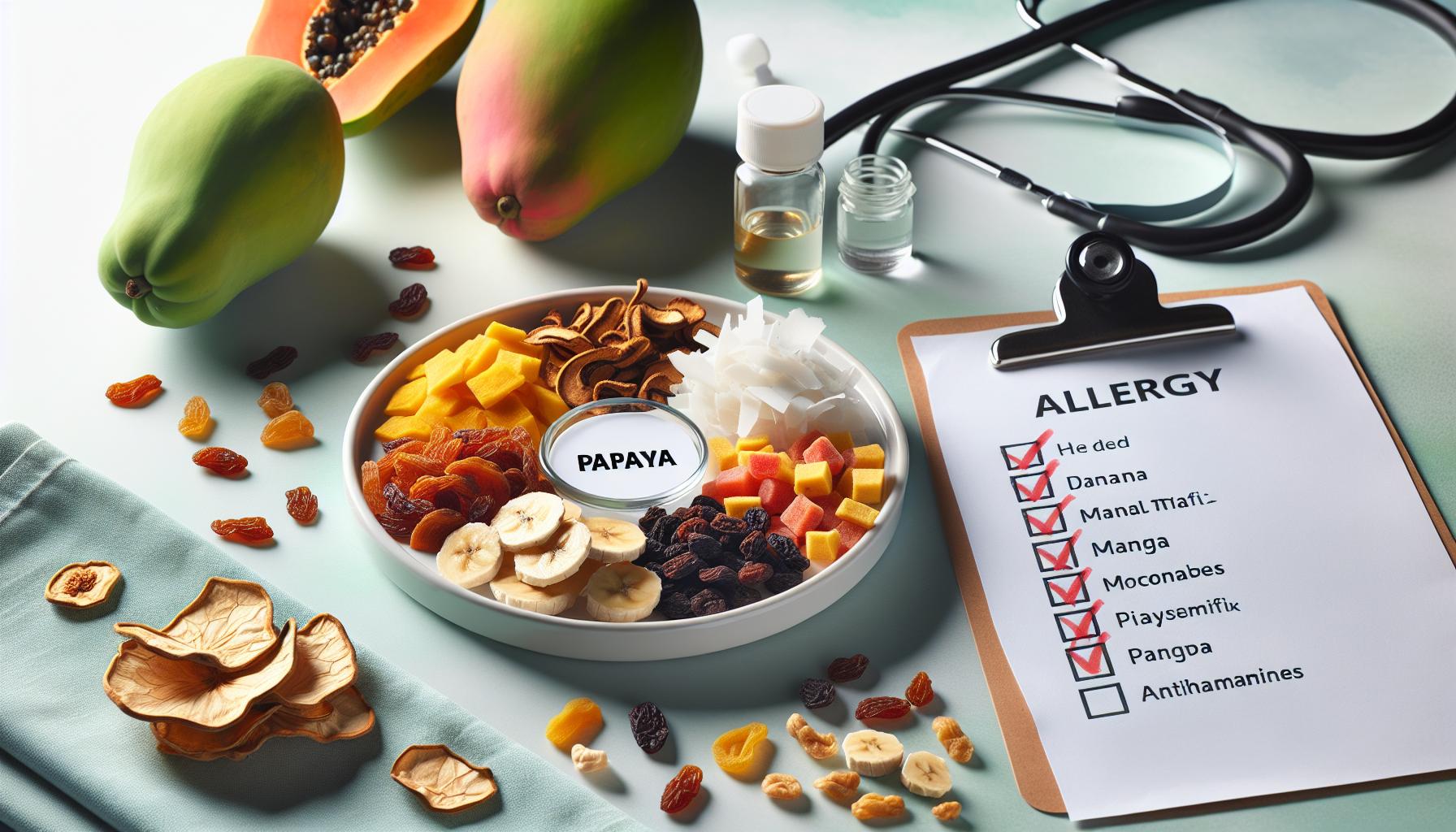
What Dried Fruits Are Common in Tropical Trail Mix?
Tropical trail mix offers a delightful fusion of flavors and textures, with dried fruits serving as one of its most vibrant components. Among the plethora of options, certain dried fruits stand out as staples in these mixes, lending both sweetness and nutritional benefits. Common choices include dried pineapple, mango, banana, and coconut flakes. These fruits not only enhance the flavor with their natural sweetness but also pack a nutritional punch, contributing vitamins, fibers, and minerals that support overall health.
Another popular addition is dried papaya, known for its vibrant color and chewy texture. However, for those with papaya allergies, it is crucial to be aware of its presence in commercial trail mixes. Dried fruit blends often contain a variety of tropical ingredients, which can introduce hidden allergens. To make an informed decision, always check ingredient lists carefully and consider making your own trail mix at home, where you can control the ingredients and customize it to meet your dietary needs.
Here are some common dried fruits you’ll encounter in tropical trail mixes:
- Dried Pineapple: Sweet and tangy, packed with vitamin C.
- Dried Mango: Rich in antioxidants and great for a quick energy boost.
- Dried Bananas: A potassium-rich choice that adds natural sweetness.
- Coconut Flakes: Provide healthy fats and a rich flavor.
- Dried Papaya: Offers unique flavors but can be an allergen for some.
By understanding what dried fruits are typically included in tropical trail mixes, allergy sufferers can be more mindful of their choices. If you’re looking to avoid allergens while still enjoying the eclectic taste of tropical snacks, consider experimenting with alternative fruits like dried apples or raisin blends that still provide sweetness without the risk associated with common allergens. Keeping a keen eye on the ingredients not only helps manage allergies but also ensures a safe and enjoyable snacking experience.
Understanding Papaya Allergies and Their Symptoms
Papaya, a beloved tropical fruit known for its sweet flavor and vibrant color, can pose significant allergy concerns for some individuals. Containing enzymes such as papain and chymopapain, papaya has the potential to trigger various allergic reactions. For those who are allergic, contact with papaya or ingestion can lead to symptoms that might range from mild to severe, making it essential for allergy sufferers to recognize and understand these reactions.
Symptoms typically include hives, swelling, or itching, particularly around the mouth and face, after exposure to papaya. In more severe cases, individuals may experience gastrointestinal distress such as nausea, vomiting, or diarrhea. Anaphylaxis, although rare, is a serious reaction that can cause difficulty breathing, rapid heartbeat, and a drop in blood pressure, requiring immediate medical attention. If you suspect a papaya allergy, it’s crucial to seek evaluation from a healthcare professional who can provide appropriate testing and guidance.
Awareness is a key strategy in managing papaya allergies, especially when it comes to tropical trail mixes, which are often marketed as healthy snacks. It’s advisable to read ingredient labels thoroughly and look for any mention of papaya or related fruit products. Additionally, consider preparing personalized trail mixes at home, allowing full control over the ingredients and ensuring a papaya-free option.
For anyone who has been diagnosed with a papaya allergy, carrying antihistamines or an epinephrine auto-injector can be life-saving. Regular communication with friends, family, and dining establishments about your allergy is vital to safeguarding your health. By taking these proactive steps, you can enjoy snacks and meals with greater peace of mind, even in the face of potential allergy triggers. Your safety and well-being remain the top priority while navigating the world of food choices.
Nutritional Benefits of Dried Fruits in Trail Mix
Dried fruits are a powerhouse of nutrition, and they play a pivotal role in enhancing the health benefits of trail mix, especially tropical varieties. Common additions include dried mango, banana, and pineapple, each offering unique nutrient profiles. Dried fruits not only contribute natural sweetness but also provide essential vitamins, minerals, and antioxidants that can support overall health. For instance, dried mango is rich in vitamin A, which is vital for eye health, while dried bananas are a great source of potassium, known for its importance in heart health and blood pressure regulation.
In addition to vitamins and minerals, dried fruits bring dietary fiber to the table, which aids in digestion and helps maintain a feeling of fullness. This can be particularly beneficial for those seeking healthy snacks that prevent overeating. Consider a situation where someone is heading out for a hike: having a trail mix packed with various dried fruits can provide a quick energy boost while also making it easier to manage hunger levels throughout the day.
However, it’s essential for individuals with allergies, like those to papaya, to choose their dried fruit selections carefully. Not all tropical trail mixes are created equal, and some may inadvertently include allergenic ingredients. Reading labels and understanding the contents of store-bought mixes or selecting individual components can help allergy sufferers easily avoid problematic ingredients. For added security, creating a custom trail mix at home using known safe ingredients not only caters to individual preferences but also ensures a blend that aligns with dietary restrictions.
When selecting dried fruits, aim for options that are free from added sugars and preservatives, focusing on those that offer the purest form of nutrition. Opting for organic dried fruits can also minimize exposure to potential allergens and harmful additives. A good rule of thumb is to always check the ingredient list, as even small amounts of a specific dried fruit can lead to allergic reactions in sensitive individuals. By maintaining awareness of ingredient sources and their nutritional benefits, you can enjoy a delicious and healthful trail mix that fuels adventures while being mindful of allergies.
How to Identify Hidden Allergens in Trail Mix
Identifying hidden allergens in trail mix can be a daunting task, especially when ingredients vary widely across brands and homemade versions. For individuals with allergies, such as a sensitivity to papaya, it’s essential to be vigilant. Sneaky allergens can often be introduced through co-mingling of nuts, seeds, and dried fruits in standard trail mixes. Even trace amounts of a particular allergenic substance can trigger serious reactions, so understanding how to examine product labels and ingredient lists is crucial.
One effective strategy is to always read the ingredient label carefully. Look for any mention of allergens directly, but also pay attention to disclaimers such as “may contain traces of” or “produced in a facility that processes” certain foods. This information can help you avoid potential exposure to allergens. When choosing packaged trail mixes, prefer brands that are transparent regarding their sourcing and manufacturing processes.
Another approach is to consider preparing trail mixes at home. Doing so not only ensures you know every ingredient but also allows you to create a balanced mix tailored to your preferences and dietary needs. For instance, combining dried mango and banana with nuts and seeds can create a delicious snack without the worry of hidden dangers. Utilize safe, allergy-friendly labeling methods, such as marking items in your pantry with flags or notes to indicate allergenic concerns, making it easier to stay vigilant.
Additionally, maintaining a safe snack list of allergen-free dried fruits and snacks can further simplify your choices. By regularly stocking up on these known-safe items, you can quickly assemble your favorite trail mix without the stress of searching through multiple products. Make sure to regularly review your sources, as companies might change their formulations or manufacturing processes without notice, impacting allergen safety. By staying informed and proactive, you can enjoy the health benefits of trail mix while navigating allergy concerns with confidence.
Top Alternatives for Tropical Trail Mix Ingredients
In the world of tropical trail mixes, dried fruits often play a starring role, thanks to their sweet flavors and chewy textures. However, for those allergic to papaya, enjoying a delicious trail mix can feel limiting. The good news is there are plenty of exciting and safe alternatives to explore that can elevate your trail mix without compromising your health or taste buds.
When substituting for papaya, consider dried fruits such as mango, which brings a vibrant sweetness and tropical flair. It’s not only rich in vitamins A and C but also provides dietary fiber, making it a nutritious addition. Dried pineapple is another fantastic choice; it offers a tangy flavor that beautifully balances nutty components of trail mixes, while also providing bromelain-an enzyme known for its digestive benefits.
Delicious Alternatives for Your Trail Mix
- Dried Banana: Naturally sweet and easy to chew, dried banana slices add a potassium boost, contributing to heart health and muscle function.
- Raisins or Sultanas: These provide a chewy texture and sweetness similar to dried fruits. They are also good sources of iron and antioxidants.
- Dried Cranberries: For a tart contrast, dried cranberries can enhance flavor complexity while offering a dose of vitamins and antioxidants.
- Dried Apples: Dehydrated apple slices lend a mild sweetness and crispness to your mix, packing fiber and antioxidants.
- Goji Berries: With their unique taste, goji berries can contribute a delightful chewy element alongside various health benefits, including immune support.
While exploring these alternatives, remember to check for potential allergens in packaged versions. Each ingredient can bring its own unique flavor and nutritional benefits to your trail mix, making it an enjoyable experience catered to your taste and dietary needs.
To further tailor your tropical trail mix, don’t hesitate to add nuts and seeds like almonds, sunflower seeds, or pumpkin seeds. These can provide crunch and an extra protein boost, rounding out your snack. By getting creative and mixing these different components, you can maintain your adventurous snacking spirit even while navigating food allergies. Enjoy the journey of creating a trail mix that not only suits your palate but also keeps you safe and healthy!
Safe Snacking Tips for Allergy Sufferers
Navigating the world of snacks can be a daunting task, especially for those with food allergies. The vibrant flavors and textures found in tropical trail mixes often appeal to many, but not being cautious can lead to unexpected reactions. An empowering approach to safe snacking starts with knowledge and preparedness, allowing allergy sufferers to enjoy delicious treats without fear or anxiety.
Understanding what goes into your trail mix is crucial. Always opt for brands with clear allergen labeling. When shopping, look for those that specifically mention if they are allergen-free or have dedicated facilities. Cross-contamination is a significant concern; even if a product doesn’t contain allergens, it could be produced in a facility that processes them. Make it a habit to read labels every time you purchase, as recipes can change.
When crafting your tropical trail mix at home, you gain control over the ingredients. Choose whole, natural dried fruits like the aforementioned mango, banana, or cranberries. To ensure an allergy-friendly mix, consider buying fruits from bulk bins, where you can avoid prepackaged varieties that might contain hidden allergens or preservatives. Additionally, incorporating a few safe seeds or nuts not only enhances nutrition but also increases satiety, keeping hunger at bay.
Another essential tip is to communicate openly with friends, family, or co-workers when sharing snacks. If you’re at a gathering, consider bringing your own clearly labeled tropical trail mix to avoid any unintentional exposure. This not only helps you stay safe; it also educates others about your allergy. For those moments when you’re on the go, keep a couple of pre-packaged snack bags handy that fit your dietary needs, so you’re never left without a safe choice.
In your journey toward safe snacking, remember to stay informed and advocate for yourself. Research online forums, local support groups, or even consult with an allergist to gather insights and support from fellow allergy sufferers. With these proactive strategies, you can confidently indulge in the world of trail mixes while taking charge of your health.
The Role of Dried Papaya in Tropical Trail Mix
Dried papaya is a delightful addition to tropical trail mixes, adding a burst of sweetness and color that not only enhances the visual appeal but also contributes to unique flavors. Known for its chewy texture and bright taste, this dried fruit serves as a rich source of vitamins A and C, along with dietary fiber. These nutrients play a crucial role in supporting overall health, from bolstering the immune system to aiding digestion. Including dried papaya in your trail mix can help create a well-rounded snack that satisfies both your sweet tooth and nutritional needs.
However, it’s essential to be aware of possible papaya allergies, which can manifest through various symptoms such as hives, itching, or digestive issues. If you’re unsure about your tolerance, consider consulting an allergist or commencing with a small, controlled amount to gauge your body’s reaction. For those with known sensitivities, it’s valuable to label ingredients clearly when making homemade trail mix, reducing the risk of accidental exposure while educating others about the foods they are consuming.
To avoid the risks associated with dried papaya, legitimate alternatives exist that can still provide that tropical flair. Consider substituting it with dried mango, pineapple, or even coconut flakes, which can offer similar sweetness and texture without the associated allergy concerns. When crafting your mix, you can combine these substitutes with a variety of nuts and seeds for added crunch and nutritional benefits.
Creating a delicious and safe tropical trail mix equipped with knowledge about your ingredients-especially concerning potential allergens-transforms snacking into a mindful, enjoyable experience. By being proactive about your choices, you not only prioritize your health but also enjoy the diverse flavors and textures that dried fruits can offer.
How to Read Snack Labels for Allergies
Reading snack labels carefully is crucial for allergy sufferers, especially when navigating the enticing shelves of prepared trail mixes that often feature a medley of dried fruits. With allergies becoming more prevalent, consumers must be vigilant to avoid unintended reactions. A single glance at a label may not suffice; understanding the nuances of ingredient lists and allergen declarations is essential.
First, familiarize yourself with the format of ingredient lists. Ingredients are typically listed in descending order by weight, meaning those appearing first are present in larger quantities. If dried papaya is among the first few ingredients in a tropical trail mix, it’s important to consider the possibility of an allergic reaction if you are sensitive to it. Moreover, pay attention to the terms used; sometimes manufacturers may use less common names or blends. For instance, “tropical fruit mix” might contain several different dried fruits, including papaya, without explicitly listing each component.
In addition to the ingredient list, look for allergen statements. These are often found below the list and identify major allergens such as peanuts, tree nuts, soy, and wheat that may be present due to cross-contamination. A label might state, “Made in a facility that processes nuts,” which could be a risk for those with nut allergies, despite the absence of nuts in the primary ingredient list.
Key Steps for Reading Snack Labels
- Always Read Labels: Make it a habit to check the label every time, as formulations can change.
- Look for Allergen Warnings: Check for warnings about cross-contamination, especially if you have multiple food allergies.
- Research Unknown Ingredients: If an ingredient is unfamiliar, take a moment to look it up to ensure it’s safe.
- Consider Brands: Choose brands known for transparency and those that offer allergy-friendly products.
For added safety, consider reaching out to manufacturers directly if you have concerns or questions about specific ingredients. Understanding the labels doesn’t just empower you to make informed choices; it also fosters a safer snack environment for yourself and others who may share similar dietary restrictions. With vigilance and knowledge, enjoying a tasty trail mix can be both safe and satisfying.
Tropical Trail Mix Recipes for Allergy-Friendly Options
Incorporating dried fruits into tropical trail mix can create a delightful and nutritious snack, but for those with allergies, particularly to papaya, crafting a safe blend is essential. When creating your own tropical trail mix, consider exploring a variety of dried fruits that are less likely to trigger allergic reactions. Options like dried bananas, mango, and pineapple can add a sweet flavor and tropical flair without the risks associated with papaya.
To make your trail mix truly allergy-friendly, you can combine the dried fruits with other nutritious ingredients. Here’s a simple recipe idea to get you started:
Allergy-Friendly Tropical Trail Mix Recipe
- 1 cup dried bananas
- 1 cup dried mango slices
- 1 cup dried pineapple chunks
- 1 cup unsweetened coconut flakes
- 1/2 cup roasted sunflower seeds
- 1/2 cup pumpkin seeds
Combine all the ingredients in a large bowl and mix thoroughly. This blend not only offers a delicious balance of sweetness from the dried fruits but also adds crunch and nutrition from the seeds. Store the mixture in an airtight container to maintain freshness, and enjoy it as a quick snack or a topping for yogurt.
As you experiment with different combinations, it’s crucial to always check the packaging of dried fruits and nuts for allergen information. Many brands label their products clearly, noting if they are processed in facilities where cross-contamination could occur.
Being aware of potential allergens can turn your snacking experience into a safe and enjoyable one. Adjust your trail mix recipe according to your specific dietary needs or preferences, allowing you to indulge in a customized snack that is not only safe but also satisfying. With careful planning and ingredient selection, creating a tropical trail mix that avoids allergens like papaya is entirely achievable.
Managing Food Allergies While Enjoying Snacks
Navigating food allergies, particularly to specific ingredients like papaya, can be a daunting task for those who enjoy snacking. Knowing how to effectively manage allergies while still partaking in delightful food experiences can make a significant difference in a person’s quality of life. For many, it’s not just about avoiding allergens; it’s also about finding joy and satisfaction in safe eating practices. Creating a tropical trail mix without potential allergens opens a world of flavor and nutrition without compromising safety.
One of the most effective strategies is to educate oneself about the various dried fruits that can accommodate dietary restrictions while still capturing the essence of tropical flavors. Familiarity with alternative dried fruits such as bananas, mangoes, and pineapples allows individuals to craft a delicious blend without the risk associated with papaya. Additionally, incorporating nutritious elements like nuts, seeds, and coconut can enhance the texture and flavor profile, making snacking both enjoyable and safe.
Another crucial step involves diligent label reading and ingredient monitoring. Most packaged foods, including trail mix components, should list allergen information visibly. Look for phrases like “may contain” or “processed in a facility that also processes” specific allergens. This vigilance can prevent unintended exposure to allergens. It’s also wise to consider preparing snacks at home, giving greater control over the ingredients and their sources. Creating a safe snack bar with pre-measured portions can keep convenience at the forefront without sacrificing safety.
Finally, consider joining support groups or forums dedicated to food allergies. Connecting with others who share similar challenges can offer not only emotional support but also practical advice on managing allergies in social settings or while traveling. Sharing recipes, tips on safe eating, and experiences navigating restaurants can provide the knowledge and confidence needed to enjoy snacks without fear. By fostering a proactive approach to understanding and managing food allergies, individuals can embrace a satisfying snacking experience tailored to their needs.
The Impact of Dried Fruits on Digestive Health
Dried fruits are not just a convenient snack; they can significantly impact digestive health, making them a valuable addition to any trail mix, including tropical varieties. Rich in dietary fiber, dried fruits such as mangoes, pineapples, and bananas help promote healthy digestion by adding bulk to stool and facilitating regular bowel movements. This is particularly important for individuals managing chronic digestive issues, as fiber can alleviate symptoms such as bloating and constipation.
In addition to fiber, many dried fruits contain natural enzymes that further aid digestion. For instance, dried pineapple is high in bromelain, an enzyme that may help break down proteins and promote a smoother digestive process. Incorporating a variety of dried fruits into your tropical trail mix can enhance digestive health by providing a spectrum of nutrients and fiber types, which are essential for maintaining a balanced gut microbiome.
However, individuals with specific allergies, such as papaya, should be cautious. While dried papaya is often praised for its digestive benefits, those allergic to it must seek alternatives to achieve similar benefits. Consider substitutes like dried figs or prunes, known for high fiber content and digestive support without triggering allergic reactions.
To maximize the benefits of dried fruits while minimizing potential discomfort, it’s essential to consume them in moderation, as excess fiber in a single sitting can lead to digestive upset. Gradually introducing dried fruits into your diet and pairing them with ample hydration can help ease your body into increased fiber intake, ensuring a pleasant snacking experience.
Expert Advice on Allergy Management and Safe Choices
Managing food allergies, particularly when it comes to snacking on dried fruits, can be a daunting challenge. For those with a papaya allergy, it’s crucial to prioritize safety while still enjoying the flavors and benefits of a tropical trail mix. The key to effective allergy management is understanding the ingredients you consume and making informed choices.
Know Your Ingredients
When selecting or preparing a tropical trail mix, be vigilant about checking labels and ingredient lists. Pay attention to any cross-contamination warnings, especially if you’re purchasing pre-packaged blends. Dried papaya is becoming increasingly common in tropical mixes, so look for labels that explicitly state “papaya-free” or “allergen-friendly.” Additionally, consider making your custom trail mix at home, where you can control the ingredients fully. Start with a base of dried fruits that are less likely to trigger allergies, such as dried mangoes, bananas, or cranberries.
Helpful Substitutions
If you’re searching for alternatives to maintain the tropical flavor profile without the risk of allergic reactions, consider using dried fruits like apricots, figs, or raisins. These fruits not only add sweetness and texture but also provide essential nutrients and fiber. Moreover, nuts and seeds can provide a satisfying crunch-opt for varieties like almonds, walnuts, or pumpkin seeds, ensuring they are also free from cross-contamination with papaya or other allergens.
Communication is Key
If you are enjoying snacks with friends or at social gatherings, don’t hesitate to communicate your dietary restrictions. It’s essential to advocate for your health by informing others about your allergy and asking them to assist in keeping allergens away from your food. This could range from avoiding shared dishes to ensuring any contributions provided are safe for your consumption.
Stay Prepared
Lastly, always keep allergy-safe snacks on hand. Having your own tropical trail mix, packed and ready to go, can provide peace of mind and prevent the temptation of risky options. When you are prepared, you can partake in the joy of snacking without compromising your health.
Frequently Asked Questions
Q: What are the main dried fruits in tropical trail mix?
A: Common dried fruits in tropical trail mix include pineapple, mango, banana, and coconut. These fruits add natural sweetness and texture while providing essential vitamins and minerals, making the mix both nutritious and delicious.
Q: How can I identify allergens in tropical trail mix?
A: To identify allergens, carefully read the ingredient label for specific allergens, such as nuts or soy. Look for phrases like “may contain” which indicate cross-contamination. Consider contacting the manufacturer for detailed allergen information if unsure.
Q: Can I substitute dried papaya in trail mix?
A: Yes, you can substitute dried papaya with other dried fruits like apricots, raisins, or apple slices. These alternatives provide similar sweetness and can be enjoyed without the risk of allergies associated with papaya.
Q: What are the symptoms of a papaya allergy?
A: Symptoms of a papaya allergy may include hives, itching, swelling, gastrointestinal distress, or anaphylaxis in severe cases. If you suspect an allergy, seek medical advice for testing and management.
Q: Are dried fruits in tropical trail mix safe for people with allergies?
A: While many dried fruits are safe, it is crucial to check for individual allergens. Mixing specific fruits can trigger a reaction; thus, always verify the ingredients and choose allergy-friendly options.
Q: What are the health benefits of dried fruits in trail mix?
A: Dried fruits in trail mix offer numerous health benefits, including high fiber content, essential vitamins, and natural sugars for energy. They can aid digestion and support overall health, making them a valuable snack choice.
Q: How do I create an allergy-friendly tropical trail mix?
A: To create an allergy-friendly tropical trail mix, choose dried fruits that are free from common allergens, such as nuts and gluten. Add seeds like sunflower or pumpkin, and use certified allergen-free products to ensure safety.
Q: When should I see a doctor for a food allergy?
A: Consult a doctor if you experience severe allergic reactions, such as difficulty breathing, swelling, or anaphylaxis after eating foods like tropical trail mix. Early intervention can provide effective management and peace of mind.
The Way Forward
In conclusion, understanding what dried fruits are in your tropical trail mix, particularly regarding papaya allergies, is essential for your health and enjoyment of snacks. If you’re concerned about potential allergens or how to substitute papaya, be sure to check out our detailed guide on managing food allergies and safe snacking options. Don’t hesitate to explore more articles on tropical fruits and their health benefits that can further enrich your diet.
Now that you’re better equipped to choose the right trail mix for your needs, why not subscribe to our newsletter? You’ll get more tips and delicious recipes tailored for your dietary preferences. Your comments and experiences matter to us, so feel free to share your thoughts below. Together, we can build a supportive community where everyone can enjoy food safely and deliciously!