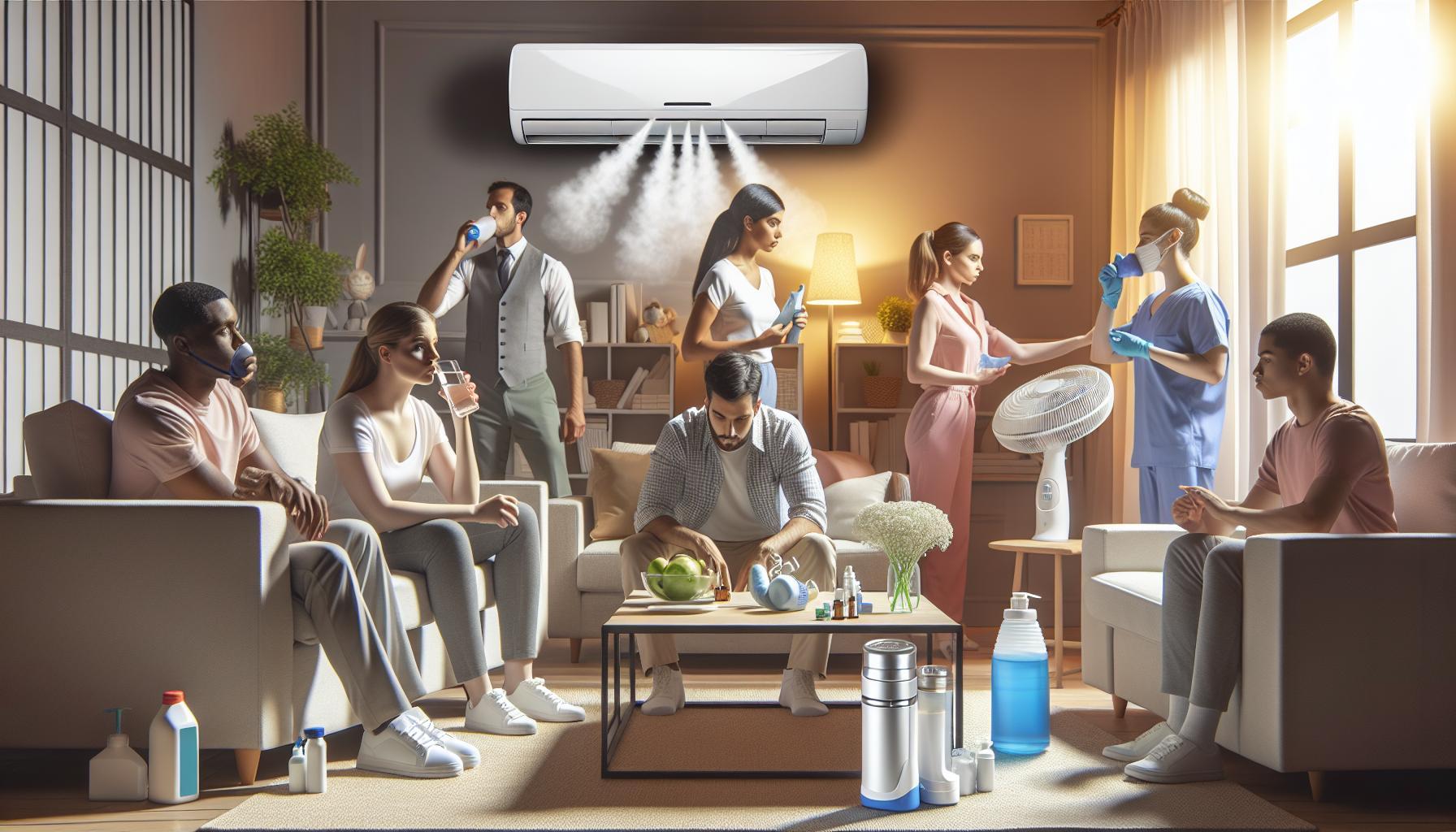

Did you know that nearly 30% of individuals experience some form of air conditioning sensitivity? As temperatures rise, enjoying the cool comfort of AC can lead to unexpected allergy symptoms, from sneezing to skin irritations. Understanding how to avoid AC allergies is essential for maintaining your well-being, ensuring that you can enjoy relief from the heat without sacrificing your health.
Fret not; you’re not alone in this struggle. Many people find themselves battling discomfort and uncertainty when it comes to air-conditioned environments. This guide will empower you with practical tips to identify and manage your sensitivities, helping you breathe easier and feel more comfortable in any climate. Discover how simple adjustments and proactive measures can help you reclaim your space, all while fostering a sense of comfort and control in your daily life. Continue reading to uncover strategies that work!
Understanding AC Allergies: What You Need to Know
Understanding AC allergies is crucial for anyone who experiences discomfort when using air conditioning systems. Many individuals may unknowingly suffer from sensitivity to factors exacerbated by air conditioning, such as dust, mold, and other allergens circulating through the system. The sterile environment created by AC units can enhance these irritants, making it essential to understand how these allergies arise and what can be done to alleviate discomfort.
When air conditioners run, they often recirculate indoor air, causing pollutants to build up. Common symptoms of AC allergies include sneezing, nasal congestion, itchy eyes, and skin reactions. These reactions can be triggered by allergens such as pet dander, pollen, or dust mites that accumulate in the filters and ducts of an air conditioning system. Understanding your specific allergens can empower you to take actionable steps to mitigate exposure, ultimately leading to a more comfortable indoor environment.
It’s important to recognize that the temperature and humidity control provided by AC units can affect our bodies differently. For instance, drier air can lead to dry skin and irritate the respiratory tract, which may intensify allergenic responses. This insight can lead to daily changes in how you interact with your AC system, such as adjusting humidity levels or frequency of filter changes. By being proactive and informed, you can significantly reduce allergy symptoms and enjoy a more pleasant living space.
Taking preventive measures is key. Regular maintenance of your air conditioning unit, including frequent cleaning of filters and ducts, is vital to removing allergens from the air you breathe. Additionally, investing in high-efficiency particulate air (HEPA) filters can drastically improve air quality. By recognizing the signs and symptoms of AC allergies, striving for cleaner air, and maintaining your air conditioning system, you can create a healthier environment that lessens allergic reactions and enhances your overall well-being.
Common Symptoms of Air Conditioning Sensitivity
Many people underestimate the effects that air conditioning can have on their health, especially for those who are sensitive or allergic to common indoor allergens. As air conditioners circulate and cool the air, they can inadvertently trigger a series of uncomfortable symptoms for sensitive individuals. Recognizing these symptoms can be the first step in managing air conditioning sensitivity effectively.
Common symptoms of sensitivity to air conditioning often mirror those of traditional allergies. Many individuals experience:
- Sneezing and Nasal Congestion: The recirculation of air can introduce allergens like dust mites or mold spores into your nasal passages, leading to inflammation and blockage, which causes discomfort.
- Itchy and Watery Eyes: Airborne particles can irritate the eyes, leading to redness, swelling, and excessive tearing.
- Dry Skin and Respiratory Irritation: The cooler, drier air emitted by AC units can strip moisture from the skin and respiratory tract, aggravating conditions like eczema or asthma.
- Fatigue and Headaches: Prolonged exposure to allergens, combined with the discomfort from dry air, can result in noticeable fatigue and frequent headaches.
These symptoms are not merely unfortunate byproducts of using an AC unit; they are indicators that your indoor air quality may not be optimal. It’s critical to understand that severe reactions could potentially lead to more serious health concerns over time. For instance, continued exposure to allergens can exacerbate chronic conditions like asthma or lead to the development of new allergies.
To mitigate these symptoms, consider keeping a close eye on indoor air quality. Regularly changing air filters, using HEPA filters, and maintaining humidity levels can significantly reduce the allergens that cause discomfort. By taking proactive steps, you can create a more pleasant and healthier indoor environment, allowing you to enjoy the relief that air conditioning can provide without suffering from its unintended side effects.
Causes of AC Allergies: Why It Happens
Air conditioning can create a comfortable indoor environment, but for many, it also stirs up a host of allergy-related challenges. Understanding why these sensitivities arise is crucial for effectively managing your comfort and health. Air conditioning units can accumulate and circulate various allergens such as dust, mold, and pollen, all of which have the potential to aggravate sensitive individuals. When the air circulates through the AC system, these particulates are blown into your living space, making them difficult to avoid.
One primary cause of AC allergies is the buildup of dust and mold in the system itself. Over time, dust mites can thrive in the warm, humid environments of ducts and filters, while mold spores can grow in areas where moisture accumulates, such as drip pans or air filters. When the air conditioning is turned on, these allergens are released into the air, leading to sneezing, coughing, and itchy eyes. Regular maintenance is vital; cleaning and replacing filters can help significantly reduce these allergens and improve overall air quality.
Another contributing factor to air conditioning sensitivities is the low humidity levels that air conditioning creates. While cooler air can feel refreshing, the reduced humidity can dry out mucous membranes in the respiratory tract and skin, making individuals more susceptible to allergens and irritants. This can exacerbate existing conditions such as asthma or eczema. Maintaining balanced humidity levels through humidifiers or moisture control systems can alleviate these symptoms and provide a more comfortable living environment.
Lastly, a lack of proper ventilation in closed spaces often leads to a higher concentration of indoor allergens. Well-sealed buildings may trap these contaminants, reducing air quality even further. Consider introducing fresh air to your indoor environment by occasionally opening windows or using ventilation systems designed to exchange indoor air with the outside. With these proactive steps tailored to understanding the causes of AC allergies, you can create a healthier indoor atmosphere and mitigate allergy symptoms effectively.
How Indoor Air Quality Affects Allergies
Indoor air quality plays a pivotal role in the well-being of individuals sensitive to allergens, particularly in spaces where air conditioning is utilized. The very system designed to offer comfort can inadvertently become a reservoir for pollutants, impacting respiratory health. Poor indoor air quality can lead to a higher concentration of allergens, making even the most mundane daily activities-like sitting on the couch or enjoying a family meal-potentially troubling for those affected.
To better understand this phenomenon, consider that air conditioning systems circulate air throughout closed spaces, often without sufficient filtering or ventilation. Pollutants such as dust particles, pet dander, and mold spores can accumulate in these environments, leading to exacerbated allergy symptoms such as sneezing or itchy eyes. Furthermore, when the air is continually recirculated without being refreshed, it can trap allergens, allowing them to build up over time. This environment creates a perfect storm for sensitivity flare-ups.
Improving indoor air quality is not solely about regularly changing filters, although that is a crucial step. It also involves incorporating additional methods to reduce allergens. Utilizing high-efficiency particulate air (HEPA) filters and implementing air purifiers can significantly decrease the number of airborne allergens. These devices are designed to capture even the smallest particles, offering an extra layer of protection for sensitive individuals.
Practical Steps to Enhance Air Quality
- Regularly replace HVAC filters: Aim for a schedule that matches your usage-typically every one to three months.
- Invest in a dehumidifier: Keeping humidity levels between 30% and 50% can inhibit mold growth and dust mite proliferation.
- Use ventilation systems: Install exhaust fans in kitchens and bathrooms to help bring in fresh air and reduce moisture levels.
- Regular cleaning: Keep your living spaces dust-free, focusing on carpets, rugs, and upholstery where allergens tend to collect.
- Introduce indoor plants: Some plants can naturally purify the air, helping to absorb toxins and improve the overall atmosphere.
Taking proactive measures to enhance indoor air quality not only curtails allergy symptoms but can also promote a healthier and more enjoyable living environment. By staying mindful of the air you breathe, you can reclaim your comfort and reduce the likelihood of allergy complications.
Tips for Reducing AC Allergy Symptoms
For those who experience sensitivity to air conditioning, navigating through the summer months can feel like an uphill battle. One effective way to manage symptoms is through a series of simple yet impactful adjustments to your living environment and your habits. By implementing these strategies, you can create a more comfortable atmosphere that minimizes allergy triggers without sacrificing the benefits of cool air.
Start by ensuring that your air conditioning system is equipped with high-efficiency filters. These filters are designed to trap smaller particles that standard filters may miss, including dust, pollen, and pet dander. Make a habit of checking and replacing these filters every one to three months, depending on usage and sensitivity levels. Additionally, consider using an air purifier in your most frequently used rooms. A purifier with a HEPA filter can reduce the overall concentration of allergens in the air, providing an added layer of protection.
It’s also important to maintain optimal humidity levels indoors. Humidity can contribute to mold growth and increase dust mite populations, both of which can exacerbate allergy symptoms. Utilizing a dehumidifier can help keep moisture levels between 30% and 50%. This balance not only improves comfort but also creates an environment less conducive to allergens. Furthermore, regular cleaning of your home is a must; focus on vacuuming carpets and upholstery with a vacuum that also has a HEPA filter, as this will capture allergens effectively.
Lastly, consider implementing some lifestyle changes that complement these environmental adjustments. Staying hydrated can improve overall respiratory health, while developing a routine for outdoor activities when pollen counts are lower will reduce exposure to outdoor allergens. If your allergies become overwhelming, don’t hesitate to consult with a healthcare professional for tailored advice or medication that can provide relief. By taking control of your environment and routines, you can successfully reduce your sensitivity to air conditioning and enjoy its cooling benefits with greater ease.
Choosing the Right Air Conditioner for Sensitivity
Choosing an air conditioner can feel daunting, especially for those sensitive to allergens that may be exacerbated by indoor cooling systems. Understanding the features that play a role in minimizing allergens can transform your cooling experience into one that is both comfortable and health-conscious. Opting for an air conditioning unit that emphasizes air quality and filtration is crucial in creating a safe space for allergy sufferers.
When selecting an air conditioner, look for models equipped with high-efficiency particulate air (HEPA) filters. These filters are superior in removing tiny particles from the air, including dust mites, pollen, and pet dander. Many modern air conditioning systems come with additional filtration options, such as activated carbon filters, that can further purify the air by reducing odors and other airborne contaminants. Be proactive in checking the filter specifications and ensuring they are rated for the types of allergens you are most sensitive to.
Consider the humidity control features of the air conditioner. An ideal indoor humidity level falls between 30% and 50%. Air conditioning units with built-in humidity control can help mitigate the growth of mold and dust mites, which thrive in excessively humid environments. If your unit doesn’t include this feature, or if your living space tends to be particularly damp, investing in a dehumidifier can be beneficial. This not only complements your air conditioning system but contributes to an overall healthier indoor climate.
Another critical aspect involves the size of the air conditioning unit. A unit that is too small for your space may overwork itself, leading to inadequate cooling and higher humidity levels. Conversely, an oversized unit can cycle on and off too frequently, preventing proper dehumidification. Always consult size recommendations based on your room dimensions and ensure the unit can effectively cover the space without compromising on air quality. Choosing the right air conditioner tailored to your sensitivity needs will not only provide a cooling refuge but also safeguard your respiratory health.
Effective Maintenance Practices for Allergy Relief
To ensure a comfortable indoor environment and alleviate allergy symptoms triggered by air conditioning, effective maintenance practices are a must. The cleanliness and efficiency of your air conditioning system can significantly impact indoor air quality, making routine upkeep essential for allergy sufferers.
One of the foremost steps is to regularly replace or clean the air filters. Dirty filters can harbor dust, pollen, and other allergens, circulating them back into your living space. For optimal performance, it is advisable to check the filters every month and replace them at least every three months, or more frequently during peak allergy seasons. Using high-efficiency filters, such as HEPA filters, can enhance air quality by trapping smaller particles that traditional filters might miss.
In addition to filter maintenance, keeping the air conditioning unit itself clean is essential. Dust and debris can accumulate in and around the unit, contributing to poor air quality. Make it a habit to wipe down the exterior and remove any visible dirt from vents and coils. It’s also beneficial to schedule professional cleanings at least once a year to ensure all internal components are clean and functioning optimally, which further reduces allergens in the air.
Lastly, monitor your indoor humidity levels, as maintaining optimal humidity (between 30% and 50%) can thwart the growth of mold and dust mites. If you notice high humidity levels, consider using a dehumidifier in conjunction with your air conditioning system. This not only enhances comfort but also supports a healthier environment for those sensitive to allergens. Remember, proactive maintenance is key to enjoying the benefits of your air conditioning system while minimizing allergy symptoms.
Air Filters: The Key to Cleaner Air
The quality of the air you breathe indoors can significantly impact your health, especially for those who suffer from sensitivities and allergies triggered by air conditioning. Using the right air filters in your system is not just a recommendation; it’s a critical step in creating a healthier, allergen-free environment. Poor air filters can be breeding grounds for dust, pollen, mold, and other airborne irritants, circulating these allergens throughout your living space. By making strategic choices about your air filtration, you can greatly enhance indoor air quality and minimize allergy symptoms.
To maximize the effectiveness of your air conditioning system, consider upgrading to high-efficiency particulate air (HEPA) filters. These filters are specifically designed to capture even the tiniest particles, including allergens that standard filters might overlook. Many HEPA filters can trap 99.97% of particles that are 0.3 microns or larger, which means significantly fewer irritants circulating in your home. Regularly checking and replacing your filters-every month during peak allergy seasons and at least every three months otherwise-ensures that your system continues to operate efficiently and that your indoor air remains clear of harmful particles.
In addition to filter choice and frequency of replacement, understanding the placement and maintenance of your air conditioning unit is crucial. Dust and debris can accumulate in and around the unit, which can decrease its efficiency and lead to poor air quality. Regularly cleaning the exterior, vents, and coils not only helps maintain airflow but also prevents the buildup of allergens. Consider scheduling professional servicing at least once a year to clean internal components thoroughly, ensuring your system runs smoothly and effectively reduces allergens.
Finally, bear in mind that while air filters are essential, they are part of a broader strategy to manage indoor air quality. By combining effective filtration with proper humidity control and maintenance practices, you can create a sanctuary that minimizes allergy triggers, making your home a more comfortable and healthier place to live.
Natural Remedies for AC Allergy Relief
Embracing natural remedies can significantly alleviate the discomfort brought on by allergies exacerbated by air conditioning. Individuals suffering from air conditioning sensitivity often find relief in simple, holistic approaches that complement traditional methods. A diverse array of natural solutions is available, empowering you to create a more comfortable indoor environment.
One effective strategy involves incorporating humidity control with plants known for their air-purifying qualities. For instance, spider plants and peace lilies are excellent indoor allies; they help absorb indoor pollutants and release moisture into the air, which can counteract the dry atmosphere created by air conditioning. Additionally, utilizing essential oils like eucalyptus or lavender in a diffuser can provide both respiratory support and promote relaxation, further alleviating allergy symptoms. Not only do these oils offer aromatic enjoyment, but their beneficial properties can ease breathing and deliver a sense of calm during allergy season.
Another practical remedy includes the use of nasal irrigation techniques, such as saline rinses or neti pots. These methods effectively clear allergens and mucus from the nasal passages, helping to reduce congestion and improve overall airflow. Regular nasal irrigation can be especially helpful in environments where air conditioning circulates dust and other irritants.
Physical measures also play a crucial role. Maintaining a clean living space by regularly dusting and vacuuming with a HEPA filter vacuum can greatly reduce allergen exposure. Implementing these small yet powerful changes fosters a healthier indoor atmosphere, making it easier to breathe freely amidst the challenges posed by sensitive reactions to air conditioning.
Ultimately, these natural remedies not only help mitigate allergy symptoms but also contribute to a holistic approach to your living environment. By integrating these practices into your routine, you can reclaim comfort and peace of mind while navigating air conditioning-induced allergies.
Lifestyle Changes to Manage AC Sensitivity
The struggle with air conditioning sensitivity can significantly impact daily life, but embracing certain lifestyle changes can create a more comfortable living environment. Simple adjustments to your routine can mitigate allergy symptoms and enhance your overall well-being during hot months when reliance on air conditioning is essential.
Incorporating indoor plants can dramatically improve air quality while offering aesthetic pleasing benefits. Plants like spider plants, peace lilies, and bamboo palms are not only effective at filtering indoor pollutants, but they also increase humidity levels, making the air less harsh and dry. Positioning these plants near your air conditioning unit can help combat some of the discomfort associated with colder, drier air. Moreover, establishing a routine to check and clean these plants can reinforce their air-purifying functions.
Another essential aspect is creating a relaxing and allergen-free zone within your home. This can be achieved by investing in hypoallergenic bedding and pillow covers and keeping your bedroom an oasis of comfort from allergens. Choosing a comforter that is both breathable and washable can also make a significant difference. Regularly washing bedding in hot water can eliminate dust mites and other allergens. Additionally, it may help to avoid synthetic materials which can often contain irritants that exacerbate allergy symptoms.
Regular exercise, though sometimes overlooked, plays a pivotal role in managing allergy symptoms. Engaging in physical activity can strengthen the immune system and promote overall respiratory health. Opt for activities that can be done outdoors during non-peak pollen times, and consider incorporating exercises such as yoga or stretching in allergen-free indoor spaces to maintain overall wellness.
Lastly, establishing a consistent cleaning routine is vital in minimizing airborne allergens. Use a vacuum cleaner equipped with a HEPA filter and make it a habit to dust surfaces weekly to reduce both dust and pet dander. Additionally, in the proximity of your air conditioning system, wipe down vents and accessible ducts to prevent the circulation of allergens. By embracing these lifestyle modifications, you can empower yourself to navigate the challenges of air conditioning sensitivity while creating an inviting and healthier atmosphere at home.
When to Consult a Medical Professional
Experiencing sensitivity to air conditioning can often leave you feeling frustrated and helpless, particularly during the hot months when cooling becomes essential. If symptoms such as sneezing, watery eyes, or persistent coughing persist despite your best efforts to improve your indoor environment, it may be time to consult a medical professional. Recognizing when to seek expert advice can lead to effective management of your symptoms and overall well-being.
First, consider reaching out if you experience severe or worsening symptoms that don’t improve with self-care strategies. For example, if your allergy symptoms interfere with sleep, daily activities, or lead to increased fatigue or headaches, this may indicate that a more in-depth approach to your condition is necessary. A healthcare provider can assess your symptoms in detail and help determine if you have specific allergies or other underlying conditions, such as asthma, which might require tailored treatments or medications.
Additionally, if you find that over-the-counter allergy medications provide little to no relief, seeking medical guidance can be critical. A doctor may recommend prescription options or specialized treatments like allergy testing to pinpoint the exact causes of your sensitivity. In some cases, you might benefit from allergy shots (immunotherapy), which can gradually enhance your tolerance to allergens, including those potentially exacerbated by air conditioning.
Do not hesitate to consult a medical professional if you notice symptoms extending beyond typical respiratory reactions. Problems such as skin rashes, difficulty breathing, or swelling should be treated as serious and warrant immediate medical attention. These symptoms could signify a more severe allergic reaction that requires prompt intervention.
In conclusion, recognizing the right moments to reach out for professional help can significantly impact your quality of life relating to air conditioning sensitivity. Consider developing a journal to log your symptoms and triggers, which can provide essential information for your healthcare provider during consultations. Remember, you are not alone in this struggle, and effective support and treatment options are available to help you manage your symptoms and improve your comfort at home.
Preventative Measures: Staying Allergy-Free in AC Spaces
Many individuals with air conditioning sensitivities find that simple changes can significantly enhance their comfort levels. Effective prevention starts with creating an environment that minimizes allergens and irritants typically amplified by cooling systems. Understanding how to optimize the use of air conditioning can empower you to maintain a healthier indoor atmosphere, making those hot summer months much more manageable.
To begin, consider using high-efficiency particulate air (HEPA) filters in your air conditioning system. These filters trap a higher percentage of dust, pollen, and other airborne allergens compared to standard filters. Regularly replacing these filters-at least every three months-can help maintain their effectiveness and ensure cleaner air passes through your unit. Additionally, clean your vents and ducts periodically. Dust and mold can accumulate in these areas, and once air flows through, these particles can be dispersed throughout your home. Hiring a professional for a thorough cleaning at least once a year can significantly enhance your indoor air quality.
Humidity control is also key in preventing allergic reactions. Air conditioning systems can dry out the air, but using a dehumidifier alongside your air conditioning can strike the perfect balance, reducing humidity while maintaining comfort. Keeping humidity levels between 30% and 50% can discourage mold growth and reduce dust mite populations, making your living space safer for sensitivities.
Moreover, maintaining a regular cleaning schedule for your home can significantly diminish allergens. Use vacuum cleaners equipped with HEPA filters and wash bedding in hot water weekly to eliminate dust mites and other triggers. Pay special attention to areas where dust tends to accumulate, such as on blinds and in corners.
Lastly, consider developing a strategy when you first turn on your air conditioning each season. Before cranking up the coolness, ensure that windows and doors are closed to prevent outdoor allergens from entering. It might also be beneficial to run your air conditioning on a low setting for a while to circulate the air and push out trapped particles before spending extended periods inside.
With these preventative measures in place, you can proactively manage your environment and significantly reduce the impact of air conditioning on your allergy symptoms, helping you enjoy a more comfortable and health-conscious indoor atmosphere.
Faq
Q: How can I identify if my allergies are triggered by air conditioning?
A: To identify if air conditioning triggers your allergies, pay attention to symptom patterns. Note if symptoms like sneezing or itchy eyes worsen when the AC is on. Keeping a journal of your symptoms can help establish a connection. Consider consulting a healthcare professional for a definitive diagnosis.
Q: What types of air conditioning systems are best for allergy sufferers?
A: For allergy sufferers, consider air conditioning systems with high-efficiency particulate air (HEPA) filters, as they capture small allergens effectively. Central air systems with good filtration and proper humidity control are ideal. Refer to the section on choosing the right air conditioner for more detailed advice.
Q: Why do some people experience allergies when using air conditioning?
A: Allergies from air conditioning often stem from dust, mold, or pollen trapped in filters and ducts. When the AC runs, these particles are circulated, triggering allergy symptoms. Regular maintenance and filter changes can help mitigate these issues, as discussed in our maintenance practices section.
Q: How often should I clean my air conditioning filters to prevent allergies?
A: Clean or replace your air conditioning filters every 1-3 months, depending on usage and dust levels in your home. This prevents allergens from circulating and helps maintain indoor air quality. For more on effective maintenance practices, see the relevant section of our article.
Q: Can home remedies help alleviate symptoms of AC allergies?
A: Yes, home remedies such as using a saline nasal spray, staying hydrated, and using an air purifier can help relieve AC allergy symptoms. These methods support your body’s natural defenses against allergens. Explore the natural remedies section of our article for additional tips.
Q: When should I consider medical treatment for AC allergies?
A: Consider medical treatment for AC allergies if symptoms persist despite home management strategies, impacting your daily life. Seek professional advice to explore options such as antihistamines or allergy shots. For more guidance, refer to the section on when to consult a medical professional.
Q: What indoor plants can help reduce allergens when using AC?
A: Certain indoor plants like spider plants, peace lilies, and bamboo palms can improve air quality and reduce allergens. They’re effective natural air purifiers and can complement your air conditioning system, as indicated in our tips for managing indoor air quality.
Q: How can I improve indoor air quality apart from using an AC?
A: To improve indoor air quality, regularly ventilate your space, use an air purifier, and maintain humidity levels between 30-50%. Avoid smoking indoors and limit the use of strong cleaning chemicals. For more detailed strategies, refer to our article on improving indoor air quality.
Wrapping Up
Feeling better equipped to manage your air conditioning allergies? Remember, small adjustments like regular filter changes and proper humidity control can make a significant difference in your comfort. Don’t let AC sensitivity disrupt your life; take action today by implementing these tips to create a more enjoyable environment.
Explore more helpful insights in our guides on managing indoor air quality and allergy-friendly home improvements. Join our newsletter for the latest updates and expert advice tailored to your health needs. If you have questions or personal experiences to share, leave a comment below-we’re here to support you!
Your comfort and health matter, so make the changes you need to breathe easier. Start today and embrace a future where air conditioning enhances your wellbeing instead of hindering it!