

For many dog owners, witnessing their furry friends suffer from skin allergies is distressing. Did you know that certain foods can exacerbate these sensitivities, leading to uncomfortable itching and inflammation? Identifying which ingredients to avoid is crucial for restoring your dog’s comfort and health.
This guide will provide you with a vet-recommended list of foods that can trigger skin allergies in dogs, empowering you to make informed dietary choices. By understanding and eliminating these potential allergens, you can help improve your dog’s quality of life and happiness. Join us as we explore these dietary pitfalls and equip you with actionable steps to nurture your beloved pet back to health.
What Are Skin Allergies in Dogs?
Skin allergies in dogs, often characterized by inflammation and irritation, are a common concern for pet owners. These allergic reactions can stem from a variety of sources, including environmental factors like pollen and dust mites, or from food ingredients. When a dog suffers from skin allergies, it can result in symptoms such as excessive itching, redness, and lesions that not only affect their quality of life but also lead to secondary infections if left untreated. Understanding the underlying causes of these allergies is crucial for effective management and treatment.
A key aspect of skin allergies in dogs is the body’s immune response to harmless substances, which leads to inflammation and discomfort. For many dogs, the trigger can be difficult to pinpoint, making it essential for pet owners to observe their pet’s reactions to different foods and environments. For instance, breeds that are genetically predisposed to allergies, such as Bulldogs and Retrievers, may require a more vigilant approach to identifying skin irritants. In some cases, a veterinary dermatologist might perform allergy testing to determine specific allergens, which can aid in crafting an effective treatment plan.
Addressing food allergies specifically involves understanding which ingredients can provoke an adverse reaction. Common allergens include proteins such as beef, chicken, and dairy, as well as grains like wheat and corn. Offering a hypoallergenic diet may significantly improve your dog’s skin condition if food allergies are suspected. However, transitioning to a new diet should be done gradually to minimize digestive upset and allow your dog’s system to adjust effectively. Implementing a food elimination trial under veterinary guidance ensures that you can safely identify the specific offending ingredients while promoting your dog’s overall wellbeing.
Ultimately, managing skin allergies involves a multifaceted approach that includes diet modification, regular vet check-ups, and paying attention to your dog’s environment. By staying informed and making thoughtful choices regarding their diet and lifestyle, dog owners can enhance their pet’s comfort and quality of life, empowering them to thrive despite the challenges of allergies.
Common Symptoms of Skin Allergies in Dogs

The signs of skin allergies in dogs can be distressing for both pets and their owners. Understanding these symptoms is crucial for taking timely action to alleviate your dog’s discomfort. One of the most prevalent indicators is excessive itching or scratching, which can lead to further skin irritation, hot spots, or even infections. This obsessive behavior often results from the dog’s attempts to relieve discomfort caused by allergens. Observing your pet’s behavior, such as licking certain areas or rubbing against furniture, is essential in identifying this issue early on.
Other common symptoms include redness and inflammation of the skin, often localized to specific areas such as the paws, ears, or abdomen. You may notice bald patches or scabs forming due to persistent scratching. Additionally, dry or flaky skin can occur, causing further irritation and discomfort. A dog’s ear health is also closely linked to skin allergies; ear infections, characterized by a foul odor, excessive wax, or discharge, may accompany skin allergies and require prompt veterinary intervention.
In more severe cases, you might notice signs of an allergic reaction such as swelling or hives, which can be alarming and may require immediate veterinary attention. These symptoms can escalate quickly, so maintaining a watchful eye on your dog’s behavior and physical condition is essential. If you suspect allergies and observe these symptoms, consider keeping a diary of your dog’s diet, environment, and behaviors, as this can help you and your vet identify potential triggers.
Promptly addressing these symptoms is vital for your dog’s wellbeing; seeking veterinary guidance is a crucial step to ensure that your beloved pet receives the support and treatment they need. It’s important to remember that skin allergies, while common, can often be effectively managed with appropriate dietary adjustments and veterinary care, providing hope for a healthier, happier life for your furry friend.
Understanding Food Allergies vs. Environmental Allergies

Understanding the distinction between food allergies and environmental allergies in dogs is crucial for effective management and treatment. Dogs can suffer from both types of allergies, but the symptoms and triggers often differ significantly. Food allergies result from the immune system reacting to specific proteins or ingredients in your dog’s diet. Common offenders include beef, dairy, wheat, chicken, and soy. These allergies can manifest as gastrointestinal symptoms like vomiting and diarrhea, alongside skin issues such as itching, redness, and rashes. In contrast, environmental allergies are typically triggered by allergens found in a dog’s surroundings, such as pollen, dust mites, mold, or fleas. Symptoms from environmental allergies usually present during particular seasons or in specific settings and often lead to skin irritation rather than gut disturbances.
Key Differences in Symptoms
Food allergies often lead to chronic skin problems that do not respond to standard treatments, while environmental allergies may cause seasonal flare-ups of symptoms. For instance, if a dog experiences itching primarily in the spring or fall, it could indicate an environmental allergy linked to seasonal pollen. Further, while food allergies often cause symptoms shortly after ingestion, environmental allergens can result in delayed reactions, complicating the identification of the trigger. Keeping a diary can help track the onset of symptoms relative to dietary changes and environmental conditions, assisting you and your veterinarian in pinpointing the underlying issues.
Steps to Manage Your Dog’s Allergies
To address food allergies, veterinarians often recommend an elimination diet to identify the problem ingredients. This involves feeding your dog a limited ingredient diet with a novel protein and carbohydrate source they haven’t been exposed to before, followed by gradually reintroducing other ingredients to observe reactions. Conversely, managing environmental allergies may involve regular bathing to remove allergens from the skin, using anti-itch medications, and considering allergy shots for long-term relief.
By understanding the differences between food and environmental allergies, dog owners can take proactive steps to manage their pet’s health, ensuring a better quality of life for their furry companions. Always consult with a veterinarian for appropriate testing and tailored treatment options so that you can effectively address your dog’s specific allergy challenges.
Popular Foods to Avoid for Allergic Dogs
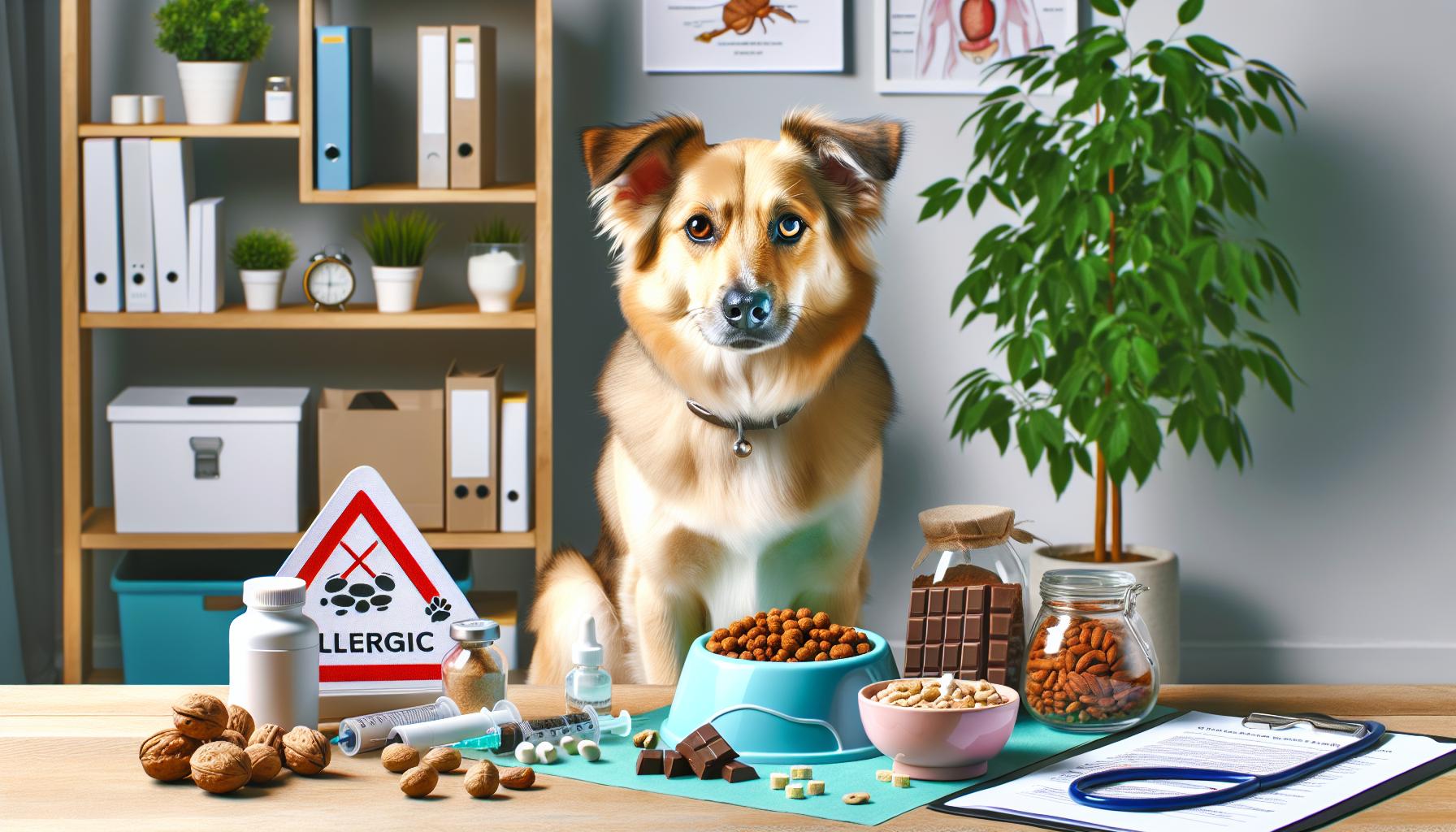
Dogs with skin allergies often react negatively to certain foods, which can exacerbate their symptoms and lead to discomfort. Identifying these foods is crucial in providing your furry friend with relief. Common allergenic ingredients include familiar staples that many owners might not suspect as harmful. Among these, beef, dairy, wheat, chicken, and soy frequently top the list of offenders. Understanding why these ingredients are problematic can empower you to make better decisions regarding your dog’s diet.
When evaluating potential allergens, it’s essential to observe how your dog reacts to specific foods. For instance, if your dog experiences itching or redness after consuming chicken, it might be an indicator of an allergy. Similarly, many dogs exhibit sensitivity to grains like wheat, which can manifest through inapplicable scratching and skin irritations. Switching to a grain-free diet or a limited ingredient diet with novel protein sources can often help alleviate symptoms.
Additionally, you should be cautious of processed dog foods that contain fillers or additives. Ingredients such as corn, artificial preservatives, and flavor enhancers can trigger allergic reactions in sensitive dogs. Always check labels for hidden ingredients, as some products may not be transparent about their content.
Consider these popular foods to avoid if you suspect your dog is struggling with allergies:
- Beef: A common allergen that can lead to skin irritation and other digestive issues.
- Dairy: Products like milk and cheese can be problematic for many dogs, leading to gastrointestinal upset and itchy skin.
- Wheat: Often found in many commercial dog foods, wheat can cause allergic reactions in dogs prone to sensitivities.
- Chicken: While often a staple in many dog foods, it is also a frequent trigger for allergies.
- Soy: A cheap filler that can lead to allergic responses in some dogs.
By avoiding these ingredients, you can help manage and potentially reduce your dog’s allergy symptoms. It’s always beneficial to consult with your veterinarian to tailor a diet that addresses your dog’s specific needs while ensuring they still receive balanced nutrition. The journey may require patience and careful observation, but taking these proactive steps will significantly contribute to your dog’s quality of life.
Vet-Recommended Hypoallergenic Dog Food Options
Finding the right food for dogs with skin allergies can feel overwhelming, but there are hypoallergenic options specifically designed to minimize reactions while still providing essential nutrients. These diets often use novel protein sources-ingredients your dog hasn’t been exposed to before-making them an effective choice for managing allergies. By choosing a vet-recommended hypoallergenic diet, you can significantly improve your dog’s quality of life and reduce the severity of their symptoms.
One popular option is hydrolyzed protein diets, where proteins are broken down into smaller molecules that are less likely to trigger allergic reactions. Brands like Hill’s Prescription Diet and Royal Canin offer specialized formulations that have garnered positive feedback from veterinarians. Another effective approach is limited ingredient diets featuring single-source proteins such as lamb, fish, or venison, which can often be tolerated better by sensitive dogs. These diets, available from brands like Blue Buffalo and Natural Balance, help pinpoint allergens while also ensuring a balanced nutritional profile.
When selecting hypoallergenic dog food, always read the labels carefully to avoid common allergens. Many reputable brands now include clear descriptions of what each recipe contains and lists allergens to look out for. Transitioning your dog to a new diet should be gradual to prevent digestive upset; mix the new food with your dog’s current food over a week to allow their system to adjust. Regularly consulting with your veterinarian can also provide insights tailored to your dog’s specific needs and help adjust their diet as their allergies evolve.
To further aid your search, here’s a quick list of some recommended hypoallergenic dog food options:
| Brand | Product | Key Features |
|---|---|---|
| Hill’s Prescription Diet | i/d Digestive Care | Hydrolyzed protein, rich in omega-3s |
| Royal Canin | Hypoallergenic Selected Protein | Hydrolyzed soy protein, limited ingredients |
| Natural Balance | Limited Ingredient Diets | Single protein source, grain-free options |
| Purina Pro Plan | Veterinary Diet HA | Hydrolyzed protein, supports skin health |
With dedicated care, it’s possible to manage your dog’s allergies effectively. Always remember to report any changes in your dog’s health or behavior to your veterinarian, as they can guide you toward the best dietary solutions tailored specifically for your pet.
How to Read Dog Food Labels for Allergens
Reading dog food labels can feel like a daunting task, especially if your furry friend struggles with skin allergies. Understanding how to decode these labels is crucial for selecting the right diet that minimizes allergic reactions while meeting your dog’s nutritional needs. One of the first things to look for is a clear list of ingredients. Ingredients are typically listed in descending order by weight; the first five items generally make up the bulk of the food. If you see common allergens like wheat, corn, soy, or certain meat proteins (such as beef or chicken) at the top of the list, it’s best to avoid that product for your dog.
Identifying Essential Ingredients
Focus on looking for novel protein sources or hydrolyzed proteins, as they are often easier for dogs with allergies to digest and tolerate. Brands that cater to allergic dogs frequently highlight these ingredients on their packaging. Pay close attention to the terms used. Words like “meat meal,” “by-product,” or generic terms can mask the specific sources of protein, which might include allergens. Instead, seek out products that specify the exact animal source, such as “lamb meal” or “salmon.”
It’s also important to scrutinize the allergen warnings that many manufacturers are required to include. Labels often state if the product is produced in a facility that processes common allergens like soy, wheat, or dairy. Such cross-contamination might be a concern if your dog has severe allergies, so opting for brands that are manufactured in allergen-free facilities is prudent.
Look for Clear Nutritional Information
Another critical feature to review is the guaranteed analysis, which provides information about the nutrient composition of the food. You’ll want to ensure the food is well-balanced and meets your dog’s needs. For dogs with skin allergies, foods rich in omega-3 fatty acids can help support skin health and combat inflammation. Look for ingredients like fish oil or flaxseed, often listed in the ingredient panel.
When comparing different dog foods, consider creating a checklist based on your dog’s specific allergies. This method can simplify the decision-making process and help you focus on those foods that safely meet your dog’s dietary needs. Remember, transitioning to a new dog food should be gradual, mixing the new food with the old one over a week to avoid digestive issues. Engaging with your veterinarian during this phase not only helps you select the right food but also provides insights specific to your dog’s health and lifestyle needs.
The Role of Protein Sources in Allergies
Understanding the protein sources in your dog’s food is crucial for managing skin allergies effectively. Proteins are one of the most common culprits behind food sensitivities in pets, and the source of these proteins can significantly impact your dog’s health. Dogs can develop allergies to specific protein sources when their immune system mistakenly identifies these proteins as harmful invaders. For instance, beef, chicken, and lamb are frequent offenders, often included in commercial dog foods. If your dog is allergic, even a small amount of these proteins can trigger symptoms like itching, inflammation, and gastrointestinal distress.
To help avoid triggering an allergic reaction, consider switching to novel protein sources that your dog has not been exposed to before. These include less common meats like kangaroo, bison, or even certain fish varieties. Not only do these proteins pose a lower risk of allergenic reactions, but they also provide essential amino acids that support your dog’s overall health. Additionally, hydrolyzed proteins-where the protein molecules have been broken down into smaller pieces-can be a beneficial alternative as they often do not provoke an immune response. Many veterinary diets for allergies incorporate hydrolyzed protein ingredients to offer a safe option for dogs with sensitivities.
When choosing a food for a dog with skin allergies, it’s also important to understand how ingredients are labeled. Look for specific sources of protein listed on the ingredient label rather than vague terms like “meat meal” or “animal by-products.” These general terms can hide allergenic proteins and make it challenging to ascertain what’s going into your dog’s diet. Always opt for formulations that clearly specify the source, such as “deboned turkey” or “fish protein,” which can help you avoid potential allergens more effectively.
In conclusion, being proactive about the protein sources in your dog’s diet is a vital step in managing skin allergies. Regularly monitoring your dog’s reactions to different foods and consulting with your veterinarian can provide you with the insights needed to make informed choices. Transitioning to a diet with novel or hydrolyzed protein sources can facilitate a healthier, itch-free life for your furry companion, ensuring they enjoy their meals without distress.
Identifying Hidden Ingredients in Pet Foods
Navigating the complexities of pet food labels can feel overwhelming, especially for dog owners managing skin allergies. Many commercial dog foods contain ingredients that may trigger allergic reactions, often hidden behind vague descriptions. Understanding how to identify these concealed allergens is a crucial step towards improving your dog’s health and well-being. For instance, terms like “animal fat” or “by-products” do not specify the exact source, making it difficult to gauge if they are safe for your allergic dog. Instead, aim for clarity in labels; look for explicit language such as “chicken meal” or “beef liver” to ensure you’re fully aware of what your pet is consuming.
When examining pet food labels, attention to the ingredient list order is also essential. Ingredients are listed by weight, so those that appear at the top are the most prominent. If you discover allergenic ingredients near the top, it’s likely your dog is receiving a substantial amount of them. In contrast, if potential allergens are listed further down, the food may contain them in smaller, potentially less harmful quantities. This practice is especially important for owners whose dogs have sensitivities to common allergens like grains, dairy, or specific proteins.
It’s also wise to consider processing methods used in pet foods. Additives such as fillers and preservatives, often included to extend shelf life, may also provoke allergic reactions. Ingredients like propylene glycol, artificial colors, and certain preservatives have been known to trigger sensitivities. By avoiding foods with lengthy, hard-to-pronounce ingredient lists, you improve the likelihood of selecting a product that prioritizes your dog’s health.
Moreover, consider the growing trend of transparency in pet food manufacturing. Many brands now provide clear information about their sourcing practices and testing for allergens. This openness not only helps pet owners make informed decisions but also fosters trust in the products being chosen for their furry companions. You can often find this information on the company’s website or through direct inquiries, reinforcing your ability to select the safest options for your dog while minimizing the risk of allergic reactions.
Natural Remedies for Managing Skin Allergies
Managing skin allergies in dogs can often feel like navigating a complex maze, but there are several natural remedies that can make a significant difference in your dog’s comfort and well-being. One of the most effective approaches is to harness the power of nature through specific oils and supplements. For example, coconut oil is renowned for its soothing properties. It can be applied topically to inflamed areas to provide relief while also supporting your dog’s immune system when incorporated into their diet. Additionally, fish oil containing omega-3 fatty acids can help reduce skin inflammation and improve coat health. Regular supplementation can lead to noticeable improvements in skin condition and overall vitality.
Another promising avenue is the use of natural anti-inflammatory ingredients, such as turmeric. This golden spice not only can be added to homemade dog treats but may also be sprinkled onto food in small amounts. Its active compound, curcumin, has been shown to alleviate symptoms of allergies and promote skin healing. Similarly, apple cider vinegar diluted with water can act as an effective topical treatment to soothe itchy skin and restore the skin’s natural pH. It’s essential, however, to prioritize quality and ensure any topical treatments are applied carefully to avoid any irritation.
In addition to these topical applications, dietary adjustments play a crucial role in managing skin allergies. Switching to a natural, grain-free diet that emphasizes ingredients your dog has not been exposed to may minimize allergic reactions. Incorporating fresh fruits and vegetables such as blueberries and sweet potatoes can also provide antioxidants and support skin health. When selecting commercial foods, look for those labeled as hypoallergenic or containing single protein sources, as they often trigger fewer allergic reactions in sensitive dogs.
Lastly, maintaining a clean environment is vital for minimizing allergens. Regularly washing your dog’s bedding, bathing with gentle, hypoallergenic shampoos, and using air purifiers can help reduce exposure to potential irritants. The path to managing skin allergies is multi-faceted, but combining these natural remedies with thoughtful dietary choices can significantly enhance your dog’s quality of life and alleviate their discomfort effectively.
Tips for Transitioning to Allergy-Friendly Diets
Transitioning your dog to an allergy-friendly diet can feel daunting, but with the right approach, it can become a smooth and rewarding process for both you and your pet. Gradually introducing new food helps minimize gastrointestinal upset and allows you to monitor your dog’s reaction to each ingredient. Start by incorporating the new food into your dog’s current diet over a period of about seven to ten days. This gradual shift allows you to mix a small amount of the new food with their regular food, progressively increasing the proportion of the new diet while decreasing the old one.
When choosing allergy-friendly options, opt for high-quality, limited-ingredient foods that contain novel protein sources and avoid common allergens. These might include turkey, duck, or lamb if your dog is sensitive to chicken or beef. It’s crucial to check ingredient labels meticulously to avoid hidden allergens. In addition to proteins, watch for common fillers like corn, wheat, and soy, which are frequently implicated in allergic reactions. Being proactive about reading labels will empower you to make informed choices and keep your dog healthy.
Maintaining a consistent feeding schedule can help your dog adjust to dietary changes. Dogs thrive on routine, and sticking to set mealtimes can reduce anxiety about what they’re eating. Consider using measuring cups to ensure you’re providing the appropriate portions, which helps maintain a healthy weight, especially during dietary transitions. By observing your dog closely for any signs of discomfort or allergic reaction, you can adjust as necessary. Keeping a food diary can also be invaluable during this period, allowing you to track changes in your dog’s condition or symptoms related to specific ingredients.
Finally, remember that this journey is not just about dietary changes; it’s also an opportunity for bonding and better understanding your dog’s needs. Engage in training and positive reinforcement to keep him motivated during the transition. Offering treats made from allergy-friendly ingredients can also ease the process and create positive associations with the new diet. Embracing these changes may take time and patience, but your efforts can lead to a happier, healthier life for your dog.
Consulting Your Veterinarian: When to Seek Help
When dealing with skin allergies in dogs, knowing when to consult your veterinarian can be the difference between a minor adjustment and a significant health intervention. Allergies can manifest in various forms, often leading to discomfort and distress for your dog. If you notice symptoms like persistent itching, redness, swelling, or unusual behaviors like excessive licking or chewing at their skin, it’s crucial to seek professional help. Early intervention not only alleviates your pet’s discomfort but can also prevent potential secondary infections that may arise from incessant scratching.
Understanding Symptoms and Reactions
Recognizing when symptoms escalate is vital. If your dog’s skin appears inflamed or shows signs of infection, such as increased warmth, odor, or discharge, it’s time to book an appointment with your veterinarian. Moreover, if your dog experiences gastrointestinal symptoms like vomiting or diarrhea alongside skin issues, this may indicate food allergies, which require more immediate attention. Not all allergies are the same; environmental allergies might present differently compared to food allergies. Therefore, having a detailed history of your dog’s symptoms can greatly assist your veterinarian in making an accurate diagnosis.
Diagnosis and Treatment Options
Your veterinarian will likely perform a thorough examination, potentially including skin tests or food trials, to pinpoint specific allergens. This process can be intricate, sometimes requiring patience and a methodical approach to determine the best course of action. Based on their findings, they may recommend hypoallergenic diets or specific food items to eliminate common allergens from your dog’s meals. Understanding what foods to avoid, such as those high in grains or protein sources your dog is sensitive to, will be crucial in your dog’s recovery.
In addition to dietary recommendations, your vet may suggest additional treatments such as antihistamines, anti-inflammatory medications, or topical treatments for immediate relief. Maintaining an open line of communication and discussing any medications or changes in your dog’s condition will help ensure your pet’s ongoing care and comfort. If the prescribed strategies aren’t yielding results, don’t hesitate to reach out to your veterinarian for follow-up consultations. Addressing skin allergies can be complex, but with your veterinarian’s guidance, you can significantly improve your dog’s quality of life.
Ongoing Care and Monitoring for Allergic Reactions
Monitoring a dog with skin allergies is a proactive way to ensure their health and comfort. Regular observation can help catch any signs of allergic reactions early, allowing for timely interventions that can improve your dog’s quality of life. Be vigilant for changes in your dog’s behavior, coat condition, and overall well-being. Maintaining a diary to track your dog’s symptoms, dietary habits, and any environmental changes can provide valuable insights for both you and your veterinarian.
To keep track of your dog’s food intake and reactions, you may consider implementing the following strategies:
- Food Journal: Record each meal and treat consumed, noting any changes in skin condition or behavior.
- Symptom Checklist: Create a list of symptoms to monitor, such as itching, redness, or gastrointestinal issues, and rate their severity.
- Allergen Updates: Regularly review and update your dog’s allergen profile, taking note of seasonal changes that may affect environmental allergies.
Your veterinarian can guide you on how to analyze this information and adjust your dog’s diet or treatment plan accordingly. Additionally, implementing a routine check-up schedule with your vet ensures that any evolving allergies are addressed promptly, helping to avoid complications such as infections that can arise from skin irritation.
Remember that some dogs may react differently to certain food ingredients. For instance, while chicken might be a common protein in many dog foods, it can also be a frequent allergen. Work with your veterinarian to select hypoallergenic or limited-ingredient diets that avoid problematic proteins and fillers. Regularly reassess and modify your dog’s diet if necessary, always prioritizing high-quality, allergen-free options to stabilize their condition.
Finally, if new symptoms develop, or if existing symptoms worsen despite dietary changes and treatment, don’t hesitate to consult your veterinarian. Ongoing care is crucial, and establishing a strong communication channel with your vet will empower you to take swift action before the allergy issues escalate further. By staying engaged and observant, you can provide your dog with the relief they need and support their journey towards better health.
Faq
Q: What are common food allergens for dogs that cause skin allergies?
A: Common food allergens for dogs include beef, chicken, dairy, eggs, wheat, and soy. Avoiding these ingredients can help alleviate skin allergies. Always consult with your veterinarian for a tailored dietary approach that considers your dog’s specific sensitivities.
Q: How can I tell if my dog’s skin allergies are caused by food?
A: Signs of food-related skin allergies include itching, redness, and continual scratching. Keeping a food diary can help identify patterns. Consult your vet for an elimination diet to pinpoint the allergen causing your dog’s discomfort.
Q: When should I switch my dog’s food to prevent skin allergies?
A: Switch your dog’s food if you notice persistent skin issues, especially after trying several hypoallergenic options. Gradually transition to a new diet under veterinary guidance to minimize digestive upset and monitor for changes in skin condition.
Q: Are there any natural foods that can help with dog skin allergies?
A: Some natural options include fish oil, sweet potatoes, and pumpkin, which may help improve skin health. Always discuss with your veterinarian before introducing new foods to ensure they align with your dog’s specific allergy management plan.
Q: What should I do if my dog has a reaction to their food?
A: If your dog shows signs of an allergic reaction, such as vomiting, diarrhea, or severe itching, stop feeding the suspected food immediately and consult your veterinarian. Prompt action can prevent further complications.
Q: Can over-the-counter dog foods trigger skin allergies?
A: Yes, over-the-counter commercial dog foods can contain common allergens like grains and certain proteins that may trigger skin allergies. It’s essential to choose specially formulated hypoallergenic diets and consult your vet for recommendations tailored to your dog’s needs.
Q: How long does it take for a new diet to improve my dog’s skin allergies?
A: It may take 8 to 12 weeks for a new diet to show improvement in your dog’s skin allergies. Monitor your dog’s condition closely during this period, and keep in touch with your veterinarian to adjust the plan as necessary.
Q: Should I consider a raw diet for my dog with skin allergies?
A: A raw diet might be beneficial for some dogs with skin allergies, as it often avoids common allergens found in processed foods. Discuss this option with your vet to ensure it meets your dog’s nutritional requirements while addressing their sensitivities.
Final Thoughts
Avoiding the right foods can significantly improve your dog’s quality of life if they’re struggling with skin allergies. Understanding what to eliminate from their diet is just the first step in ensuring their comfort and health. Don’t wait for symptoms to worsen-take action now to protect your furry friend from unnecessary discomfort.
For additional support, explore our resources on effective treatments and home remedies for skin allergies to deepen your knowledge and empower yourself as a pet parent. If you’re still uncertain about which foods might be triggering your dog’s allergies, consider consulting with a veterinarian who can provide personalized advice and a tailored nutrition plan.
Join our community of pet lovers by signing up for our newsletter, where you’ll receive tips and updates on dog care, nutrition, and health. For more insights, check out our articles on recognizing allergy symptoms and holistic treatments to boost your dog’s well-being. Together, we can ensure your dog lives a happier, healthier life!