As the temperature rises, many turn to air conditioning for relief, but could your trusty cooling system be triggering your allergies? This concern resonates with millions of people who find themselves sneezing, coughing, or suffering from itchy eyes during the warmer months. Understanding the relationship between air conditioning and allergy symptoms is crucial for maintaining a comfortable and healthy home environment.
Indoor air quality often deteriorates due to dust, mold, and other allergens that can accumulate in HVAC systems. By examining how these factors contribute to allergy flare-ups, we can uncover practical solutions to mitigate symptoms. Whether you experience seasonal allergies or have specific sensitivities, this exploration will empower you with knowledge to take control of your comfort and well-being. Keep reading to discover the truth about air conditioning and its impact on your allergies.
Understanding Air Conditioning and Allergies: The Connection
Air conditioning offers a welcome escape from sweltering heat, yet for many, it also brings a hidden challenge: allergies. When functioning optimally, an AC unit can filter out common allergens, providing a healthier indoor environment. However, neglected systems can become a breeding ground for dust mites, mold, and allergens, exacerbating symptoms for sensitive individuals. Understanding this connection is crucial, especially for those who struggle with environmental allergies during peak usage of air conditioning systems.
Many homeowners unknowingly introduce allergens into their living spaces through their HVAC systems. Dust and debris can accumulate within ductwork and filters, leading to a cycle of redistribution every time the AC is activated. This becomes particularly significant during allergy season when outdoor pollen levels rise, as allergens can infiltrate the home and mingle with indoor air. Allergic reactions manifest through various symptoms, such as sneezing, itchy eyes, and respiratory distress. Recognizing how poorly maintained air conditioning systems interact with these allergens is vital for effective allergy management.
To mitigate allergy-related issues, it is essential to prioritize regular maintenance of air conditioning units. Clean or replace filters every one to three months, and consider investing in high-efficiency particulate air (HEPA) filters, which can trap even the tiniest particles. Additionally, routine inspections of ductwork and drainage systems can help identify and eliminate sources of moisture, which is conducive to mold growth. These proactive measures not only improve indoor air quality but also foster a healthier living environment, allowing residents to breathe easier regardless of the season.
In summary, while air conditioning can provide significant relief from heat, it’s important to recognize and address the potential allergy-related consequences that may arise from improper maintenance. By understanding the link between air conditioning and allergens, individuals can take actionable steps towards creating a more comfortable home environment while minimizing allergy symptoms.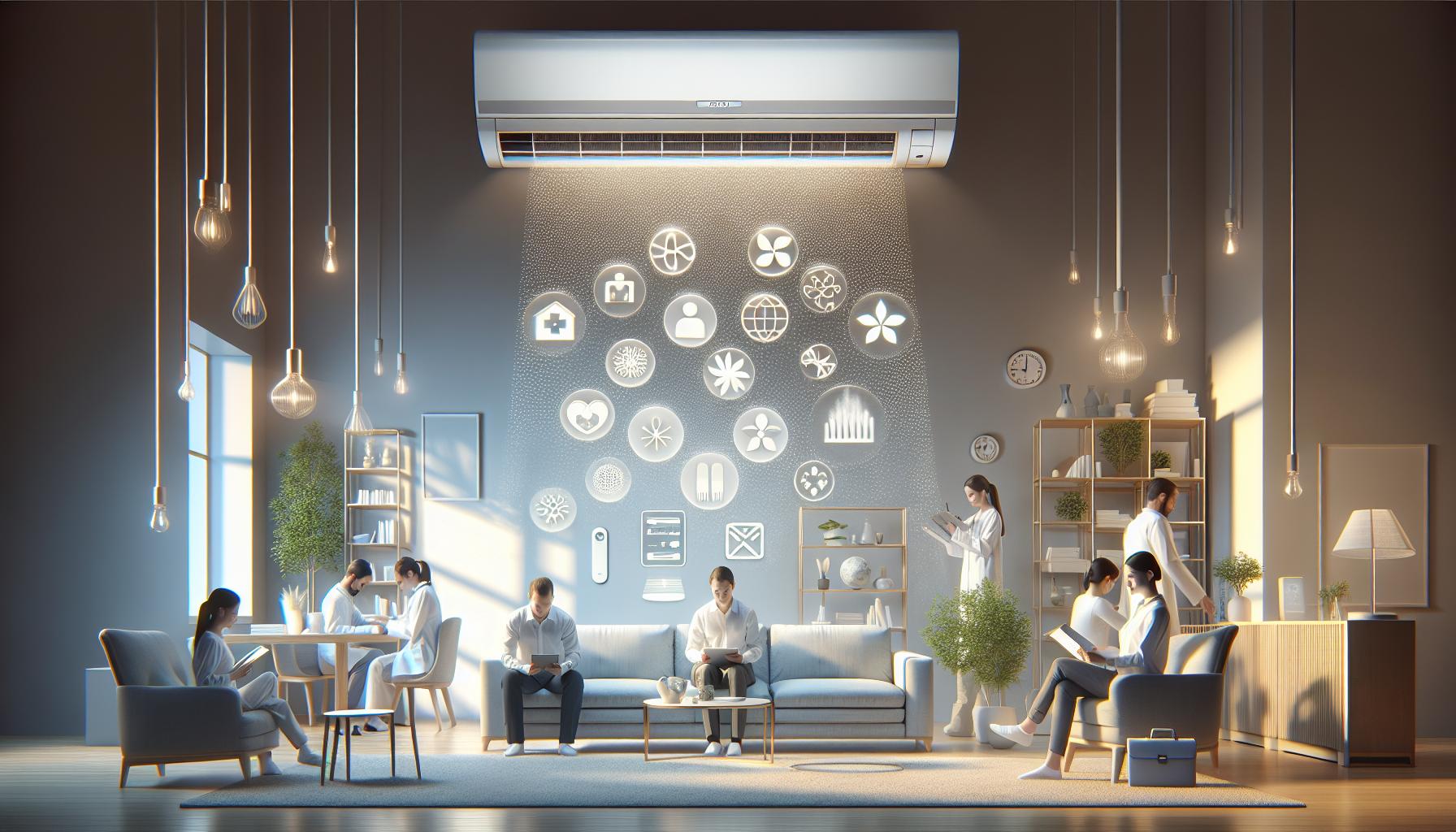
How Air Conditioning Affects Indoor Air Quality
Air conditioning systems have a dual role in indoor environments: they can both purify the air you breathe and, paradoxically, contribute to a range of allergy-related issues if not maintained properly. When functioning effectively, air conditioning units can reduce humidity and filter out pollutants, including dust, pollen, and pet dander, creating a more comfortable and healthier living space. However, neglect can turn these helpful systems into sources of allergens, significantly impacting indoor air quality and exacerbating allergy symptoms.
One of the primary ways air conditioning affects indoor air quality is through the collection and redistribution of particulate matter. As air circulates through the system, it moves past filters that may not be adequate for trapping microscopic allergens. If these filters are not cleaned or replaced regularly, they can become clogged and even moldy, allowing allergens to re-enter the indoor air with each cycle. In fact, accumulations of dust mites, mold spores, and other irritants can quickly develop within the ductwork, exacerbating respiratory issues for those with allergies.
To enhance your indoor air quality and alleviate potential allergy symptoms, consider implementing the following strategies:
- Regular Maintenance: Schedule routine professional inspections to ensure your air conditioning system is functioning properly.
- Filter Upgrades: Invest in high-efficiency particulate air (HEPA) filters, which are capable of trapping smaller particles than standard filters.
- Humidity Control: Use dehumidifiers in conjunction with your air conditioning to maintain optimal humidity levels, as high humidity can promote mold growth.
- Air Purifiers: Consider using standalone air purifiers equipped with HEPA filters in high-traffic areas of your home.
It’s important to understand that while air conditioning can significantly improve your comfort during allergy season, it must be properly cared for to serve its purpose. Identifying the signs of poor indoor air quality-such as a musty smell, persistent coughing, or increased sneezing-can help you take swift action to mitigate allergens. By adopting proactive maintenance and being mindful of the environmental factors within your home, you can transform your air conditioning unit from a potential allergen source into a protective shield against environmental triggers.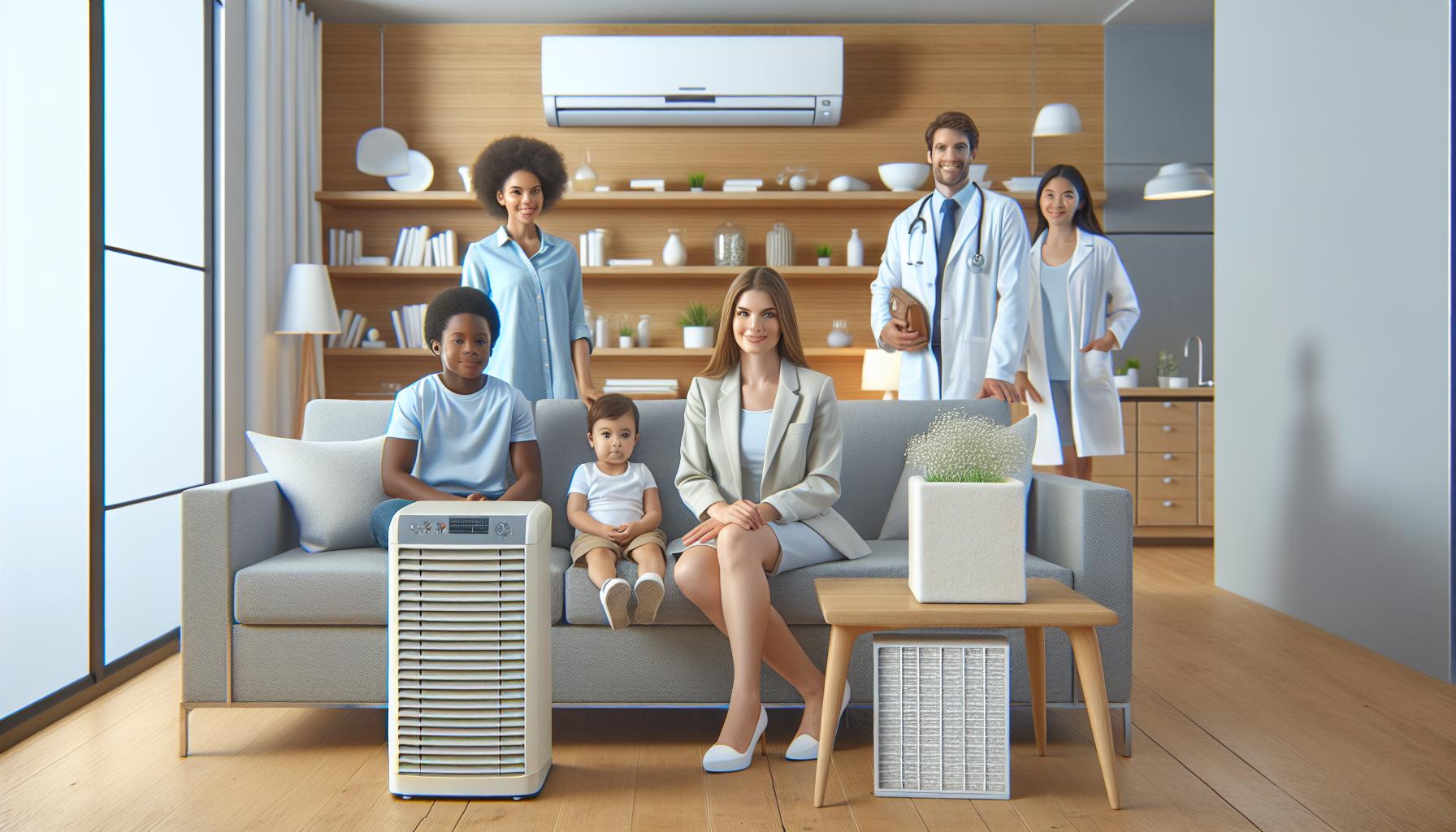
Common Allergens Found in Air Conditioning Systems
Indoor air conditioning units can be a breeding ground for various allergens, which can have a significant impact on those with allergies or respiratory sensitivities. When air circulates through the system, it can carry along common allergens such as dust, mold, and pet dander, which may accumulate in filters, ducts, and other components. Understanding what these allergens are and how they impact air quality is crucial for anyone seeking to maintain a healthy indoor environment.
A primary allergen found in air conditioning systems is dust mites. These microscopic creatures thrive in warm, humid environments and can accumulate in the dust that collects within your home’s air system. When air circulates, it can disturb this dust, sending mite waste and their body fragments into the air, which triggers allergy symptoms. Similarly, mold spores can flourish in damp areas of the cooling system or within the vents, particularly if moisture from condensation is not properly managed. Once airborne, these spores can easily enter the lungs and provoke reactions among sensitive individuals.
Additionally, pollen can inadvertently make its way into air conditioning systems, especially if the intake vents are located near windows or doors. During peak pollen season, these tiny grains can be sucked into the system, exacerbating allergy symptoms even in the comfort of your home. Furthermore, pet dander is another common allergen that can circulate through your air conditioning, as it can easily settle into the filters and ductwork, continually re-entering the breathing space.
To combat these allergens, it is essential to implement regular maintenance practices for your air conditioning system. This includes changing filters frequently-at least every 1-3 months-and using high-efficiency particulate air (HEPA) filters that can trap smaller particles more effectively. Cleaning the ducts and ensuring that any moisture issues are addressed can greatly reduce the presence of allergens in your home. By being proactive about these contaminants, you can create a far healthier and more comfortable indoor environment.
Identifying Symptoms of Allergy Reactions
Understanding how your body reacts to allergens in your environment is essential, especially if you spend considerable time indoors in air-conditioned spaces. Many people may not realize that reactions to allergens can manifest through various symptoms that might be easily overlooked or misattributed to other causes. Recognizing these symptoms is the first step in managing your health effectively.
Common symptoms of allergies that may arise from exposure to allergens circulating in air conditioning systems include:
- Nasal Congestion: This may present as a stuffy or runny nose, often accompanying sneezing.
- Itchy Eyes: Allergens can cause eyes to become red, itchy, and watery, making comfort difficult.
- Wheezing or Coughing: Particularly for those with asthma or respiratory issues, allergens can provoke coughing or wheezing as the body attempts to clear irritants.
- Skin Reactions: You might experience rashes or hives if your skin reacts to allergens, particularly pet dander.
If you find yourself experiencing these symptoms more frequently when the air conditioning is in use, it may be a sign that allergens in the system are affecting your health. This is particularly prevalent in settings where air filters are not regularly maintained or if there is residual moisture facilitating mold growth.
Taking immediate actions such as monitoring your symptoms and correlating them with air conditioning use can provide valuable insights. For instance, if you notice that your symptoms improve when the AC is turned off or when you’re outside, that could signal a connection between your symptoms and airborne allergens. Keeping a diary of your symptoms, activities, and the state of your air conditioning may help identify specific triggers.
Awareness and prompt action can lead to better management of your indoor environment and alleviate allergy-related discomforts. If symptoms persist despite your efforts to improve air quality, it may be worth discussing your concerns with a healthcare professional. They can help you navigate further allergen testing or treatment options tailored to enhance your well-being.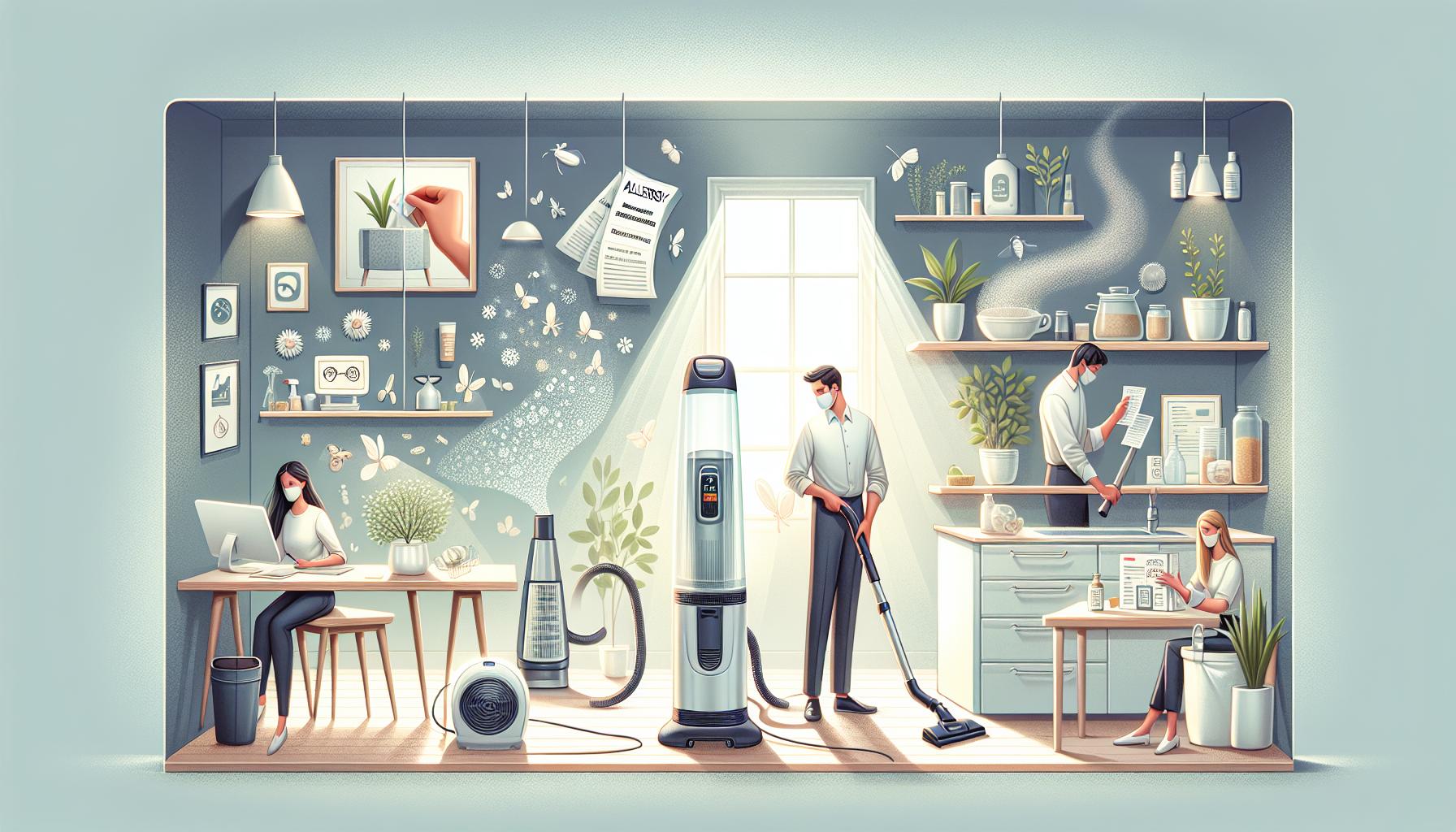
Preventative Measures: Reducing Allergens in Your Space
Many people underestimate the impact that indoor environments, particularly those cooled by air conditioning systems, can have on their allergy symptoms. It’s crucial to recognize that these systems can become a breeding ground for allergens if not properly managed. By implementing effective preventative measures, you can significantly reduce the presence of allergens in your living space and create a healthier indoor environment.
One of the most effective ways to minimize allergens is through regular maintenance of your air conditioning system. Start by changing air filters frequently, ideally every month during peak usage. High-efficiency particulate air (HEPA) filters can trap smaller particles and dust that typical filters may miss, leading to cleaner air circulation. Additionally, consider having your ducts cleaned professionally. Dust, mold, and other contaminants can accumulate in ductwork, and a comprehensive cleaning can help remove these allergens from circulation.
It’s also essential to keep your indoor space dry and well-ventilated. Mold thrives in damp conditions, making humidity control a priority. Use dehumidifiers in areas prone to excess moisture, like basements, and ensure your air conditioning system is adequately sized for your space, as underperforming AC units can lead to higher humidity levels. Regularly check for leaks or condensation that can contribute to moisture buildup.
Incorporating air purifiers with HEPA filters in your home is another proactive step you can take. These devices can help capture airborne allergens, providing an additional layer of defense against irritants like pet dander and pollen. Placing these purifiers in common areas or bedrooms can greatly enhance your indoor air quality, allowing you to breathe easier.
Finally, consider adjusting your cleaning habits. Frequent dusting, vacuuming with HEPA-filter vacuums, and washing bedding in hot water can greatly reduce allergens. Pay special attention to areas where dust tends to accumulate, such as under furniture and in curtains. By taking these practical steps, you can transform your indoor environment into a more allergen-free haven, empowering you to enjoy your living space without the constant worry of allergy triggers.
The Role of Regular Maintenance in Allergy Management
Regular maintenance of air conditioning systems is a critical factor in managing allergens in indoor environments. Did you know that a properly maintained air conditioning unit can reduce allergy symptoms and improve overall indoor air quality? When neglecting maintenance, dust, mold, and other irritants can accumulate in both the unit and ductwork, exacerbating allergy symptoms for sensitive individuals. Ensuring your system is well-kept not only benefits your health but can also prolong the life of your unit.
To achieve optimal performance and reduce allergen exposure, it’s essential to take specific, actionable steps:
- Change Air Filters Regularly: Aim to replace or clean filters at least once a month during high-use periods. Consider using high-efficiency particulate air (HEPA) filters to catch finer particles that standard filters may miss.
- Schedule Professional Duct Cleaning: Over time, dust and allergens can build up in your air ducts. A professional cleaning service can thoroughly remove these particulates, ensuring cleaner air is circulated throughout your home.
- Inspect for Moisture Issues: Regularly check for signs of leaks or condensation around your AC unit. Maintaining low humidity levels is vital, as damp environments encourage the growth of molds and dust mites.
- Get Routine Servicing: Consider scheduling annual check-ups with HVAC professionals. They can perform essential tasks, such as checking for refrigerant leaks and ensuring all components are functioning efficiently.
By adhering to these practices, you create a healthier indoor environment that minimizes allergy triggers. Additionally, it encourages a cycle of prevention rather than reaction. The more proactive your approach to maintenance, the less likely you are to experience the harsh impacts of allergens related to your air conditioning systems. As you integrate these changes into your routine, you may find significant improvements in your air quality and a reduction in allergy symptoms, allowing you to enjoy your space with newfound comfort and peace.
Air Conditioning vs. Other Allergen Sources
While many people assume that air conditioning is a primary source of allergens in their homes, research indicates that it’s not the only contributor to allergy symptoms. In fact, some of the most common allergens can be found in everyday environments, often making the indirect effects of air conditioning-like reducing outdoor pollen exposure-more beneficial than harmful. However, understanding how air conditioning interacts with other allergen sources can help individuals manage their allergies more effectively.
In an average household, various allergens coexist, including dust mites, pet dander, mold spores, and pollen. Air conditioning can play a significant role in reducing the number of outdoor allergens entering your home, especially during peak pollen seasons. However, if an AC unit is not maintained properly, it can become a breeding ground for indoor allergens such as mold and dust. Regular maintenance, including filter changes and duct cleaning, is essential to mitigate these unwanted pollutants.
Beyond the air conditioning system itself, allergens can permeate a home through various everyday activities. For example, activities such as cooking, cleaning, and even using household products can release volatile organic compounds (VOCs) and particulate matter into your indoor environment. Items like carpets, upholstered furniture, and bedding can trap dust mites and other allergens, exacerbating allergy symptoms. To combat this, consider the following strategies:
- Reduce Humidity: Use dehumidifiers to maintain indoor humidity levels below 50%, which helps control mold and dust mites.
- Choose Allergen-Proof Fabrics: Opt for hypoallergenic bedding and curtains that minimize dust collection.
- Implement a Cleaning Routine: Regularly vacuum with a HEPA filter and use damp cloths to minimize allergen buildup.
Ultimately, while air conditioning can influence allergen presence in your home, a holistic approach to allergens will yield the best results. Balancing the use of AC with diligent cleaning habits and moisture control will lead to a healthier living space. This not only improves air quality but also significantly reduces the overall allergenic load, allowing those with sensitivities to breathe easier and enjoy their environments more fully.
Natural Alternatives to Air Conditioning for Allergy Relief
Finding effective strategies for alleviating allergy symptoms can be a daunting task, especially during warmer months when humidity levels rise and pollen counts soar. While air conditioning is common for climate control, there are numerous natural alternatives that not only help keep your space comfortable but can also minimize allergens and improve air quality.
To start, ventilation is key. Opening windows during the early morning or late evening, when pollen counts are lower, allows fresh air circulation throughout your home. This practice can help dilute indoor air pollutants and reduce the concentration of allergens. Additionally, strategically placing fans to facilitate cross-ventilation can make indoor spaces feel cooler without relying on air conditioning. Embrace natural airflow by utilizing ceiling or box fans, which can also be positioned to push air out during high humidity days.
Another effective method for cooling your space is to create a natural shade environment. Plants can play a dual role here: they not only release oxygen but also provide shade, thereby naturally cooling your home. Indoor plants like spider plants or peace lilies can improve air quality while maintaining humidity at healthy levels. Alternatively, utilizing shades or curtains during peak sun hours helps to keep spaces cooler, reducing the need for artificial cooling systems.
Employing dehumidifying methods further enhances air quality by controlling humidity levels, which is crucial for preventing mold and dust mites-common triggers for allergies. Using natural dehumidifiers like bowls of salt or activated charcoal can help absorb excess moisture without the energy consumption associated with traditional dehumidifiers. Additionally, regularly using a mop or damp cloth to clean hard surfaces can effectively trap dust and allergens before they become airborne.
Investing in natural remedies can also provide relief. Essential oils, such as eucalyptus or lavender, can be diffused throughout the home to both cool and purify the air. A simple DIY air freshener made with water, vinegar, and essential oils can help keep your living space smelling fresh while addressing allergens.
By embracing these natural alternatives to air conditioning, individuals struggling with allergies can create a more comfortable and healthier home environment, empowering them to enjoy the warmer months with fewer symptoms.
Debunking Myths: Air Conditioning and Allergies
Many people believe that air conditioning systems can directly cause allergies, but this common misconception overlooks the complexities of how these systems operate and their impact on indoor air quality. One prevalent myth is that air conditioning itself introduces allergens into your living space. In reality, air conditioning units can actually help filter indoor air when properly maintained. They are equipped with filters designed to capture dust, pollen, and other airborne particles. If these filters become clogged or are not changed regularly, however, they can become a source of allergens. Therefore, the key to harnessing the benefits of air conditioning while minimizing allergy symptoms lies in consistent maintenance and attention to air quality.
Another myth is that air conditioning causes dryness, leading to allergy-like symptoms. While it is true that excessive air conditioning can reduce humidity levels, which may lead to dry skin and irritation, it does not inherently cause allergies. In fact, maintaining a comfortable humidity level can significantly reduce the presence of mold and dust mites-common triggers for allergic reactions. The goal should be to balance comfort and humidity through moderated use of air conditioning, supplemented by tools such as humidifiers when necessary.
Moreover, many individuals fear that air conditioning exacerbates existing allergies by recirculating indoor air loaded with allergens. This concern is valid to an extent, particularly in systems lacking adequate filtration or ventilation. Yet, when air conditioning is used alongside strategies like regular filter changes and routine maintenance, along with cleaning practices that target dust accumulation, it can play a vital role in improving air quality.
To combat allergens effectively, consider implementing a proactive approach:
- Regular Filter Changes: Replace or clean filters every 1-3 months to ensure optimal airflow and reduce dust and pollen buildup.
- Use HEPA Filters: If possible, opt for air conditioning filters that can trap smaller particles, including allergens.
- Keep Indoor Spaces Clean: Regularly dust and vacuum your home to prevent allergens from settling.
- Invest in Air Purifiers: Portable HEPA air purifiers can help further reduce allergens in the air.
By dispelling these myths and focusing on practical steps, individuals can learn to use air conditioning systems as allies in managing allergies rather than viewing them as adversarial forces in their quest for relief. This understanding not only empowers those with allergies but also encourages a strategy of informed and responsible air conditioning use.
Expert Tips for Healthy Indoor Environments
In today’s world, indoor air quality has become a crucial aspect of health, especially for those suffering from allergies. It might surprise many to learn that poor air quality can often be managed effectively through simple adjustments and proactive measures. By creating a healthy indoor environment, you not only alleviate allergy symptoms but also enhance overall well-being.
One of the first steps to fostering a healthier living space is to evaluate the air conditioning system itself. Regular maintenance is essential-not only for efficiency but also for ensuring that the air filter is functioning optimally. Change filters at least every month or invest in high-efficiency particulate air (HEPA) filters that can capture smaller allergenic particles, offering an added layer of protection against dust, pollen, and pet dander. In addition, consider using an air conditioning system with a built-in dehumidifier. This will help maintain optimal humidity levels, discouraging the growth of mold and dust mites that thrive in humid conditions.
Incorporating indoor plants can also dramatically improve air quality. Certain plants, like spider plants and peace lilies, can naturally filter indoor air, absorbing toxins and releasing oxygen. However, it’s critical to ensure that these plants do not contribute to mold growth. Regular upkeep and monitoring of soil moisture are necessary to prevent any potential issues.
Maintaining cleanliness is equally vital. Regular vacuuming with a vacuum cleaner equipped with a HEPA filter, along with frequent dusting of surfaces, can significantly reduce the presence of allergens. For those with severe allergies, using a damp cloth instead of a dry one can help trap dust rather than dispersing it into the air. Furthermore, consider implementing a no-shoes policy indoors. Shoes can carry in allergens from outside, thus increasing the overall allergen load in your home.
Lastly, educate yourself on your specific allergens and keep an eye on pollen counts or mold spore levels in your area. Proactively monitoring these can help you take precautions before you experience symptoms, such as staying indoors during peak counts or ensuring windows are closed during high pollen days.
Creating a sanctuary from allergens is not just about air conditioning; it’s a combined effort of thoughtful choices in your home environment that foster comfort and health. With these strategies, you can take charge of your indoor air quality and mitigate allergy challenges effectively.
When to Seek Professional Help for Allergies
Experiencing persistent allergy symptoms can feel like navigating a labyrinth of discomfort and frustration. If you’re frequently sneezing, experiencing itchy eyes, or battling congestion, it may be time to consider seeking professional help. Allergies can significantly impact your quality of life, and understanding when to reach out to an expert can lead to effective management and relief.
It’s crucial to recognize the signs that professional intervention may be necessary. If you notice your allergy symptoms worsening despite your best efforts to maintain indoor air quality or if typical over-the-counter medications fail to manage your symptoms, consulting an allergist or a healthcare provider is advisable. Persistent symptoms could indicate exposure to hidden allergens, such as mold in your air conditioning system or dust mites in your home that require professional assessment and remediation.
Furthermore, if you experience severe reactions-such as difficulty breathing, swelling, or hives-immediate medical attention is essential. These symptoms may signal an anaphylactic reaction, which requires urgent care. Consider keeping a journal of your symptoms, their frequency, and the triggers you suspect. This record can provide valuable insights to your healthcare provider, helping them determine the best course of action.
Additionally, if your allergies are disrupting your daily activities or affecting your overall mental health, it’s a strong indication that professional support is needed. Allergists can provide personalized allergy testing to identify specific triggers, followed by tailored treatment plans, which may include prescription medications, allergy shots, or recommendations for further environmental adjustments. Taking the step to consult with a professional not only can help mitigate your symptoms but also empower you to take charge of your health, enabling you to enjoy life more fully.
Understanding the Science Behind Allergies and AC Use
Understanding the intricate relationship between air conditioning (AC) and allergies requires diving into some fundamental science. While many people find relief from heat through the use of air conditioning, they may be unaware that improperly maintained systems can inadvertently contribute to allergy symptoms. The cool, dry air provided by AC units can sometimes mask the presence of allergens, giving the false impression of a clean environment. In reality, if not properly maintained, these units can serve as breeding grounds for dust mites, mold, and other irritants that can exacerbate allergic reactions.
When air circulates through an air conditioning system, it can pick up and redistribute these allergens throughout your living space. For instance, dust, pet dander, and mold spores can accumulate within the ducts of your AC system. When the air cycles through the unit, these particulates can be blown back into your indoor environment. This process can be particularly problematic for individuals with respiratory conditions or allergies, as it often leads to increased exposure to irritants, causing symptoms like sneezing, coughing, and wheezing.
Moreover, the refrigeration process in AC units can create conditions conducive to mold growth if condensation accumulates without proper drainage. This mold can develop within the unit or ducts, becoming airborne and triggering allergy symptoms whenever the system is turned on. To minimize the risk of these occurrences, it’s essential to prioritize regular maintenance practices, such as changing filters, scheduling professional cleanings, and ensuring that drainage systems are functioning effectively.
Taking actionable steps to understand the science behind your air conditioning system and its potential impacts on indoor air quality is crucial. Regularly inspect your AC unit and replace filters according to the manufacturer’s recommendations. This simple act can drastically reduce the number of allergens circulated in your home. Additionally, consider utilizing HEPA (High-Efficiency Particulate Air) filters, which are designed to capture even the smallest particles, allowing for cleaner air and a more comfortable living environment. By being proactive and informed, you can harness the cooling benefits of air conditioning without suffering the consequences of aggravating your allergies.
Q&A
Q: Can air conditioning make allergies worse?
A: Yes, air conditioning can exacerbate allergies if the system is not properly maintained. Dust, mold, and pet dander can accumulate in the unit, leading to poor air quality. Regular cleaning and filter replacement can help minimize these allergens and improve indoor air conditions.
Q: What allergens are commonly found in air conditioning systems?
A: Common allergens in air conditioning systems include dust mites, mold spores, pollen, and pet dander. These particles can circulate through the air, triggering allergic reactions. Regular maintenance, as discussed in our article, can significantly reduce these allergens.
Q: How can I reduce allergies caused by air conditioning?
A: To reduce allergy symptoms from air conditioning, ensure regular maintenance, use HEPA filters, and keep humidity levels low. Additionally, using an air purifier can help improve indoor air quality. For more preventative measures, see the “Preventative Measures” section of our article.
Q: Do air conditioners filter out allergens effectively?
A: Air conditioners can filter out some allergens, but their effectiveness largely depends on the type of filter used. HEPA filters are more effective in trapping smaller particles compared to standard filters. Upgrading your filter can enhance your system’s ability to reduce allergens.
Q: Is it possible to be allergic to air conditioning?
A: While you can’t be allergic to air conditioning itself, you can react to allergens it circulates. Symptoms may arise from exposure to mold, dust, or dander within the AC unit. Identifying and managing these allergens is crucial for relief.
Q: Can I use air conditioning if I have allergies?
A: Yes, you can use air conditioning if you have allergies. Just ensure routine maintenance and consider using advanced filters. This approach can provide comfortable relief while minimizing exposure to allergens often found in indoor environments.
Q: What maintenance is needed for air conditioning to manage allergies?
A: Regular maintenance for managing allergies includes changing filters every 1-3 months, cleaning the ducts, and servicing the unit annually. Proper upkeep can help prevent the buildup of allergens and improve air quality significantly.
Q: When should I consider professional help for allergy symptoms related to air conditioning?
A: Consider seeking professional help if your allergy symptoms persist despite maintenance efforts. An allergist can offer tailored advice and testing, while HVAC professionals can ensure your air conditioning system effectively minimizes allergens.
Final Thoughts
As we’ve uncovered, air conditioning can contribute to allergy symptoms, from dust accumulation to moisture buildup in units. If you’re experiencing discomfort, consider regular maintenance of your HVAC system and incorporating air purifiers to improve your indoor air quality. For further guidance, check out our articles on “Best Air Purifiers for Allergy Relief” and “Top Tips for Maintaining Your AC.”
Don’t let allergies control your life-take action now! Subscribe to our newsletter for expert tips delivered directly to your inbox and stay informed about the latest in allergy management. Join the conversation in the comments below; we’d love to hear your experiences or questions. Remember, knowledge is your best defense against allergies. Together, we can explore effective solutions for a healthier, more comfortable home environment!